Academia
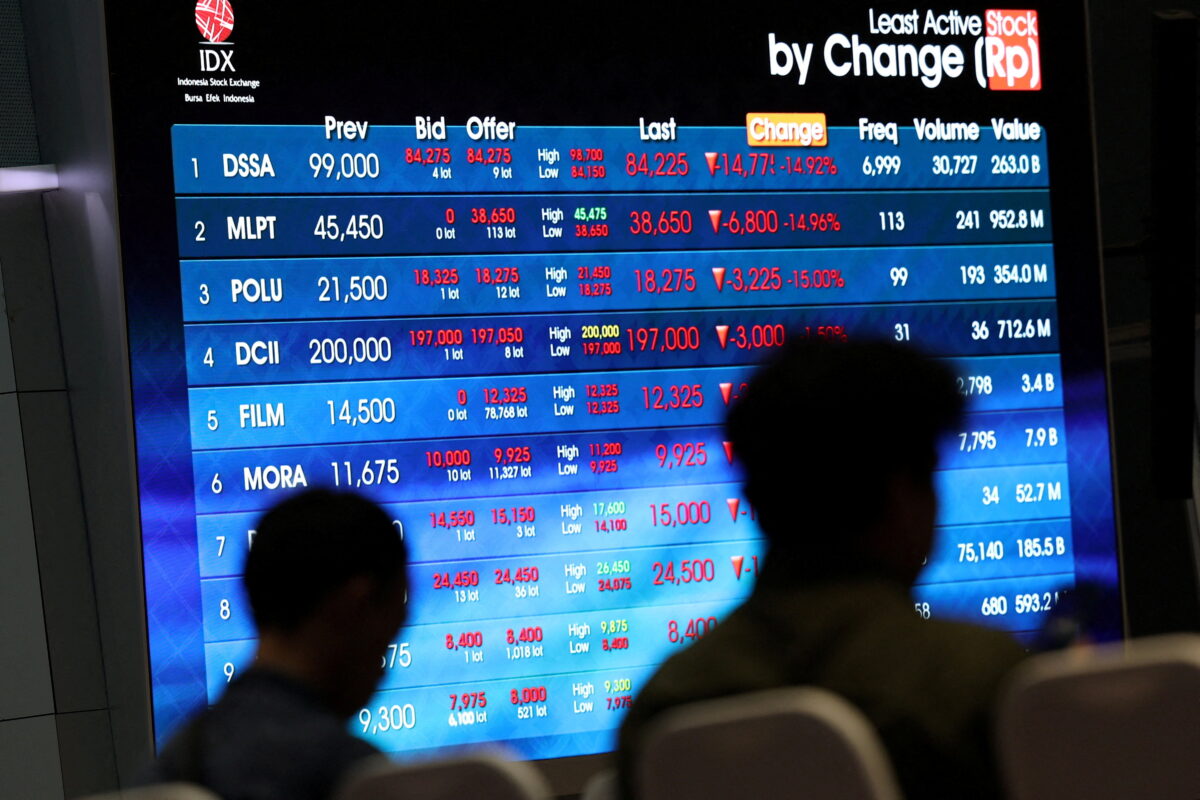
While political rhetoric and insider deals create a comfortable narrative in Jakarta, global markets are marking that reality to market—and forcing a weakening rupiah to pay the bill.
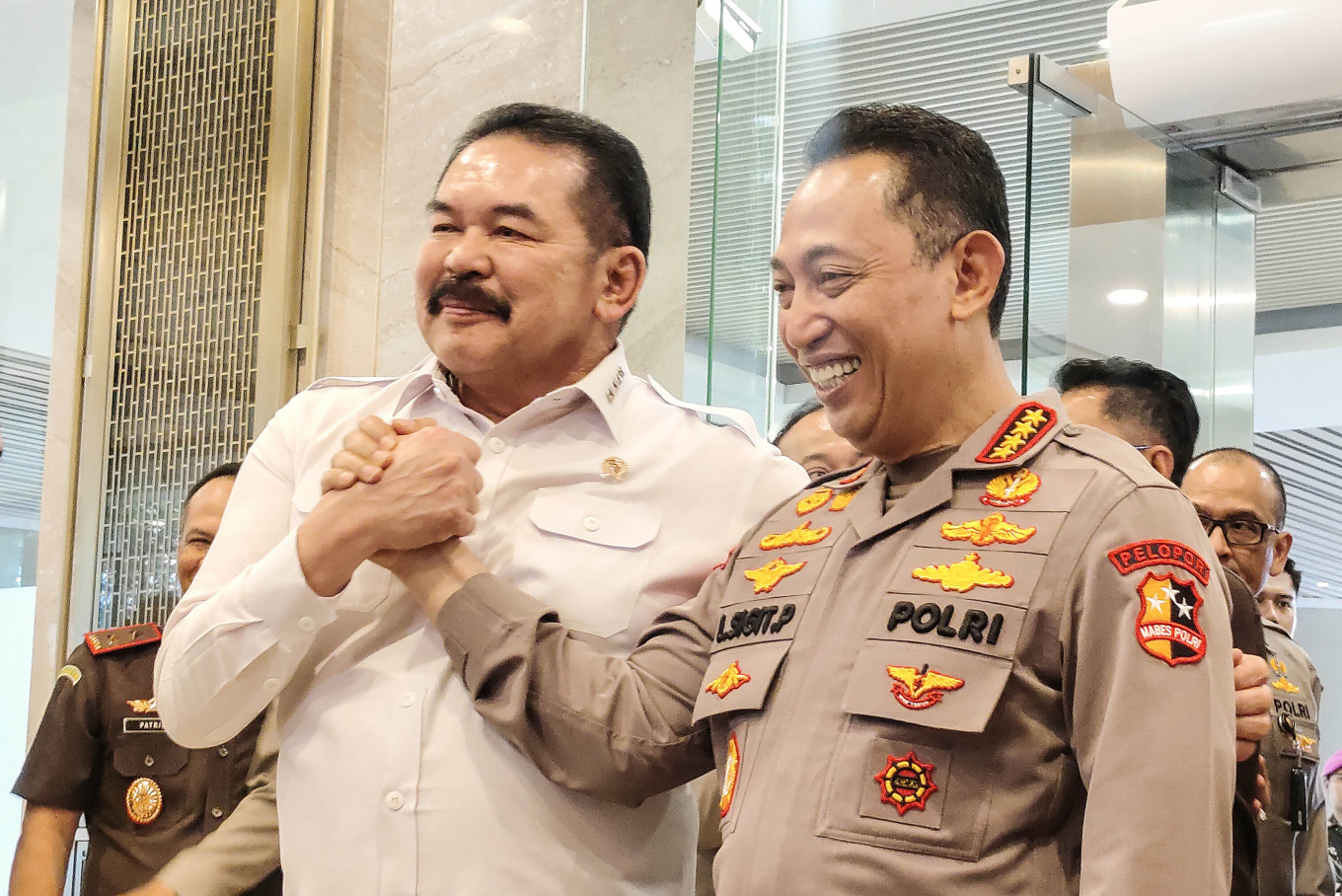
National Police Chief Gen. Listyo Sigit Prabowo (right), and Attorney General St. Burhanuddin exchange a handshake after a meeting on July 13 at the Attorney General's Office in Jakarta. The meeting was held as part of efforts to strengthen ties between the National Police and the Attorney General's Office and to enhance cooperation among law enforcement agencies. (Antara/Fah/Nadia Putri)
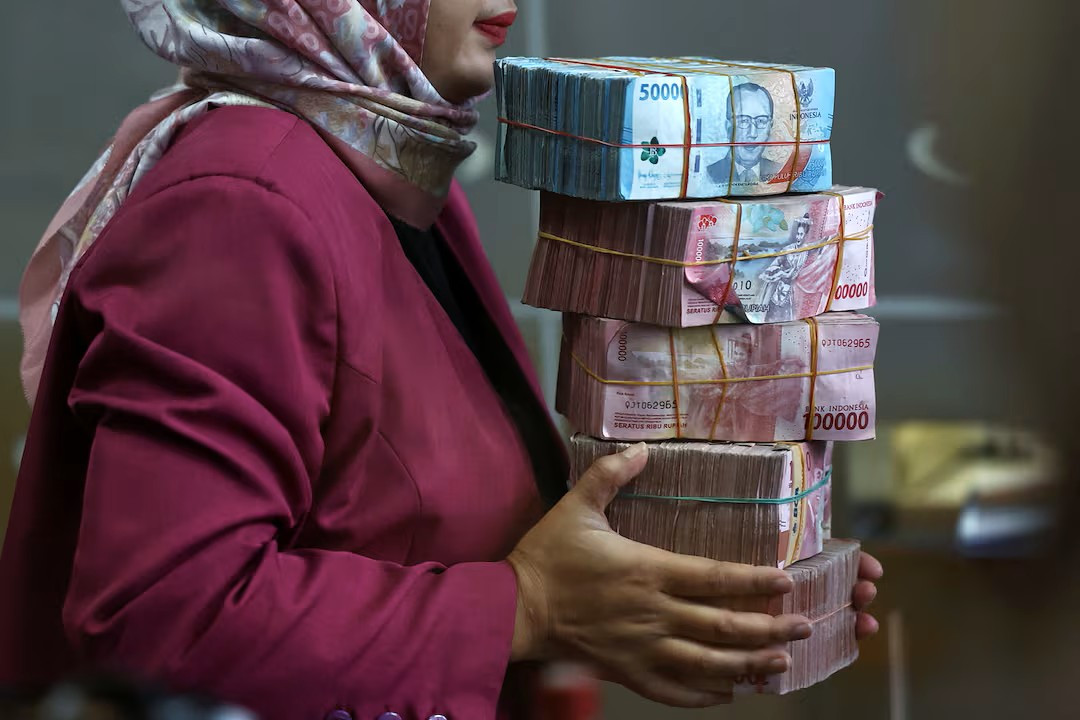
Every economy runs on a currency, and Indonesia these days runs on two. One is the rupiah, which spent early 2026 sliding toward 18,000 to the United States dollar even as the economy expanded at a healthy clip above 5.5 percent. The other is discretion: the power to grant a coal quota, waive a tax audit, seize a plantation or quietly reclassify a corruption suspect as a "witness". The second currency is thriving. The first, as markets have keenly noticed, is paying for it.Hannah Arendt had a term for this phenomenon. In "Lying in Politics," her 1971 essay on the Pentagon Papers, she described what occurs when a government stops answering to facts and begins answering strictly to its own narrative model. She called it the defactualization of public life.