Academia
Faced with a plummeting rupiah and shifting global markets, Indonesia must halt its erratic policymaking and institutional erosion before it permanently loses the vital game of investor confidence.
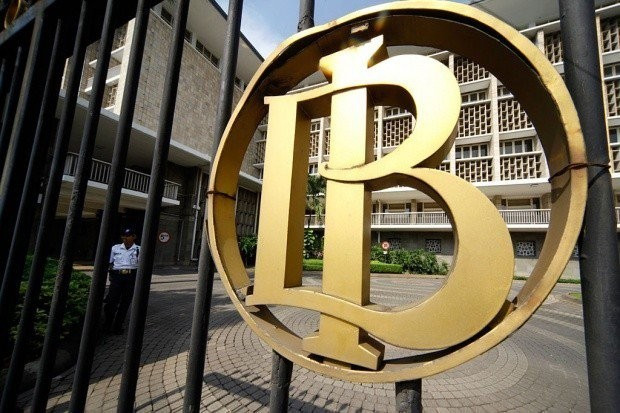
The Bank Indonesia logo adorns the gate of the central bank's headquarters in Jakarta in this undated photograph. (Antara/File)
Bank Indonesia (BI) has aggressively increased its benchmark interest rate recently to contain the fall of the rupiah, which has been under severe pressure since conflict broke out in the Middle East. Within a single month, BI raised its rate by 100 basis points to 5.75 percent.However, the currency has continued its downward trajectory against the United States dollar. When BI initiated this tightening cycle on May 20, the rupiah stood at 17,685 per dollar; it has since breached and hovered above the psychological threshold of 18,000 per dollar.
This exceptionally sharp slide over the past two months points to something far more severe than typical market volatility: an extreme overshooting phenomenon. The currency’s collapse no longer reflects underlying purchasing power fundamentals, but rather a market disequilibrium driven by panic, massive capital flight and an acute shortage of dollar liquidity in the domestic spot market.