Academia
Indonesia now faces an important choice. The current policy mix is costly to maintain while becoming less effective.
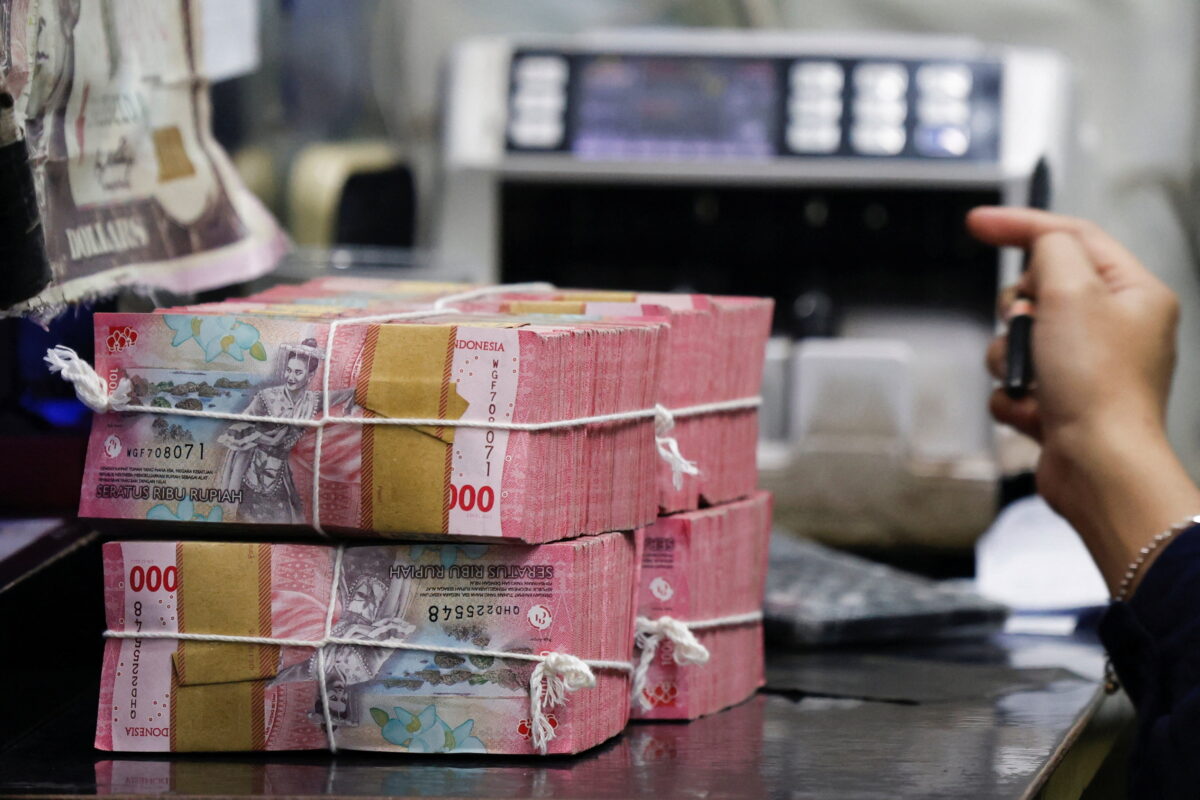
A teller counts rupiah banknotes on Oct. 27, 2025, at the BNI Pasar Baru branch in Jakarta. (Antara/Muhammad Adimaja)
Indonesia has weathered a difficult year. The rupiah has come under repeated pressure, Bank Indonesia (BI) has intervened heavily to support financial markets, fiscal space has narrowed and global uncertainty remains high. Yet the recent moderation in oil prices, if sustained, provides an opportunity to strengthen Indonesia's macroeconomic framework before the next external shock arrives.Indonesia now faces an important choice. The current policy mix is costly to maintain while becoming less effective. Keeping the rupiah stable relies on foreign exchange intervention, regulatory measures and active liquidity management. At the same time, the central bank has become a key source of public sector financing while official intervention has expanded into areas normally performed by markets.
Each of these policy responses was introduced to address challenges as they emerged. Taken together, however, they point to a broader problem. Policy is substituting for markets while intervention is replacing flexibility.