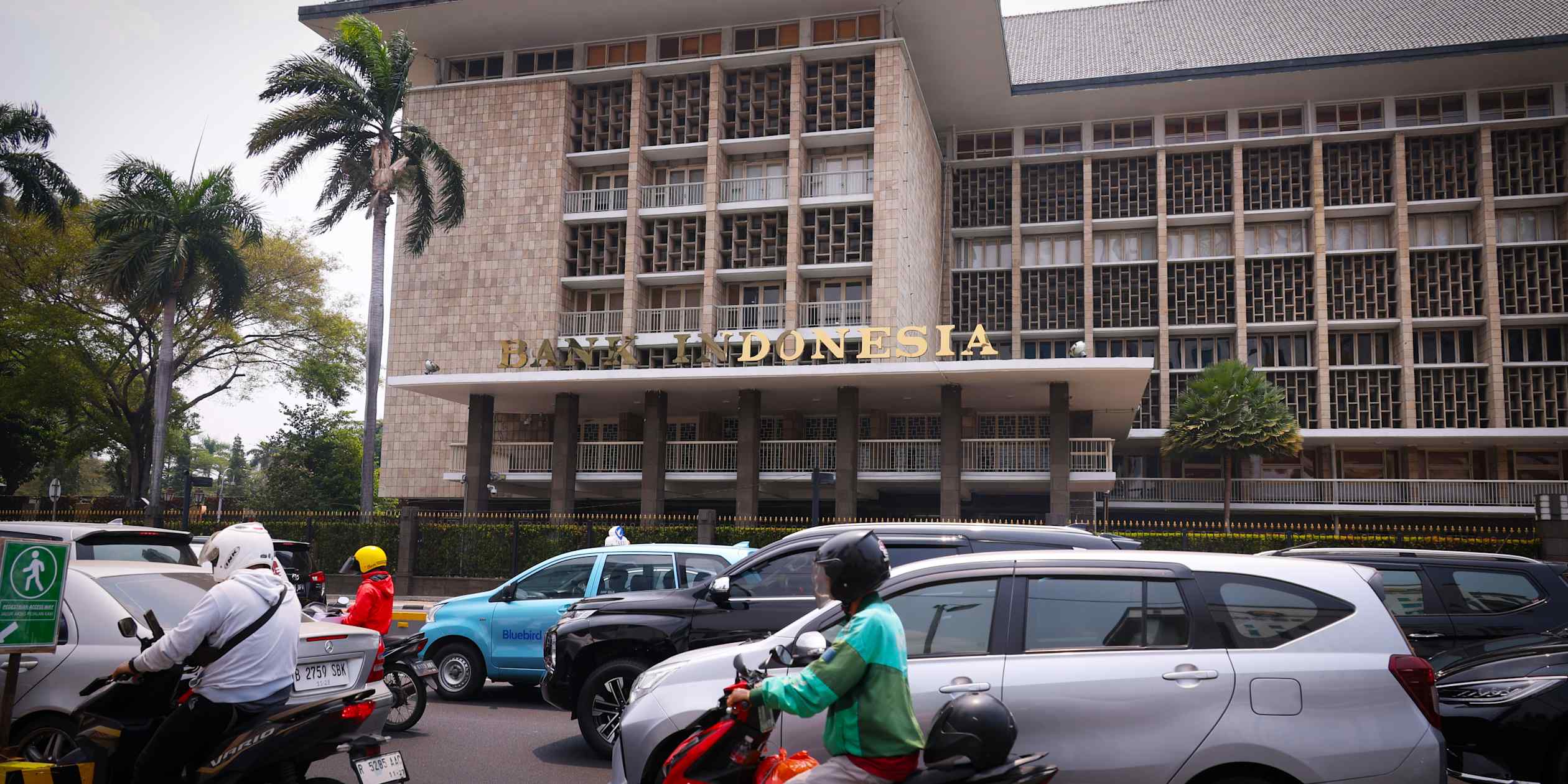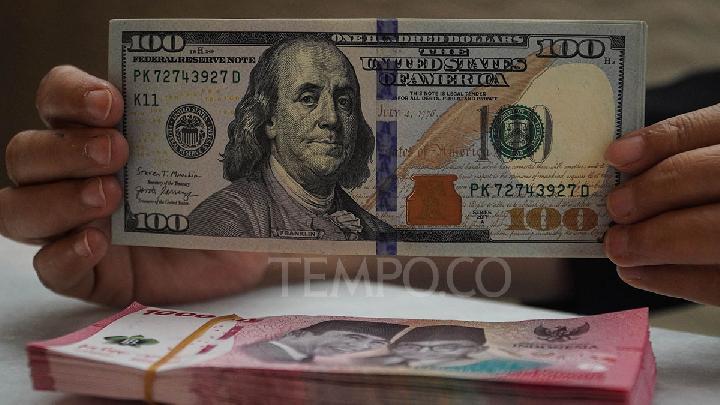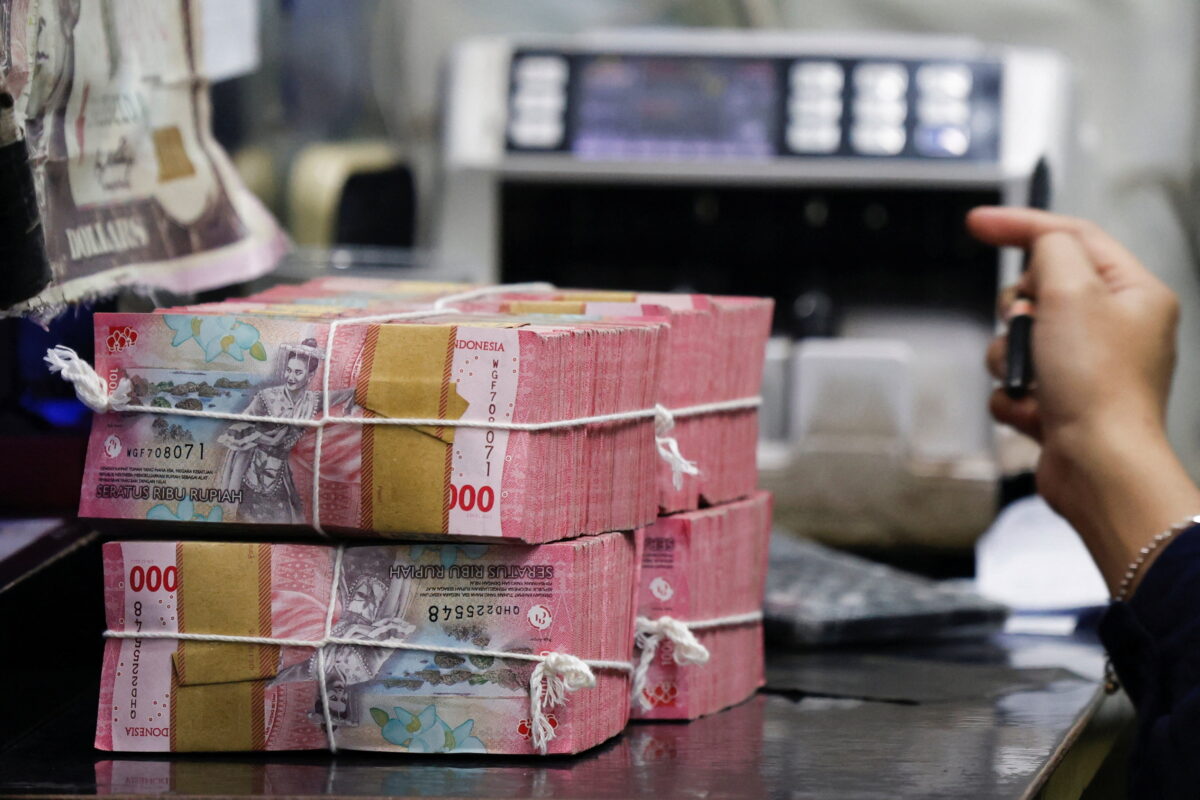
Indonesia’s central bank, Bank Indonesia, raised its benchmark interest rate three times in May and June 2026. Conventional monetary policy suggests that higher interest rates should support the currency by attracting capital inflows and easing inflationary pressures. Yet the rupiah has continued to weaken, slipping past Rp18,000 per US Dollar in July 2026, while year-on-year inflation reached 3.34 per cent in June. Even an aggressive tightening cycle has failed to halt the rupiah’s decline.
External factors have undoubtedly contributed to the rupiah’s weakness. A stronger US dollar, commodity price dynamics and a broader retreat from emerging-market assets have all weighed on the currency. But these factors alone do not fully explain why the currency has remained under pressure despite successive rate hikes.
One explanation is public debt. When public debt becomes large, raising interest rates becomes costly because higher rates sharply increase the government’s debt servicing burden. Even an independent central bank committed to price stability may become more cautious about aggressively tightening monetary policy.
Markets understand that aggressive rate hikes carry growing fiscal costs. Higher interest rates raise the government’s borrowing burden, weaken growth and can strain banks holding large amounts of government bonds. Investors then begin to doubt how far monetary tightening can realistically go. That expectation itself can fuel capital outflows, weaken the rupiah and make exchange rate pressures harder to contain.