Academia
Once trust begins to weaken simultaneously across multiple sectors, economic stress can accelerate much faster than many policymakers expect.
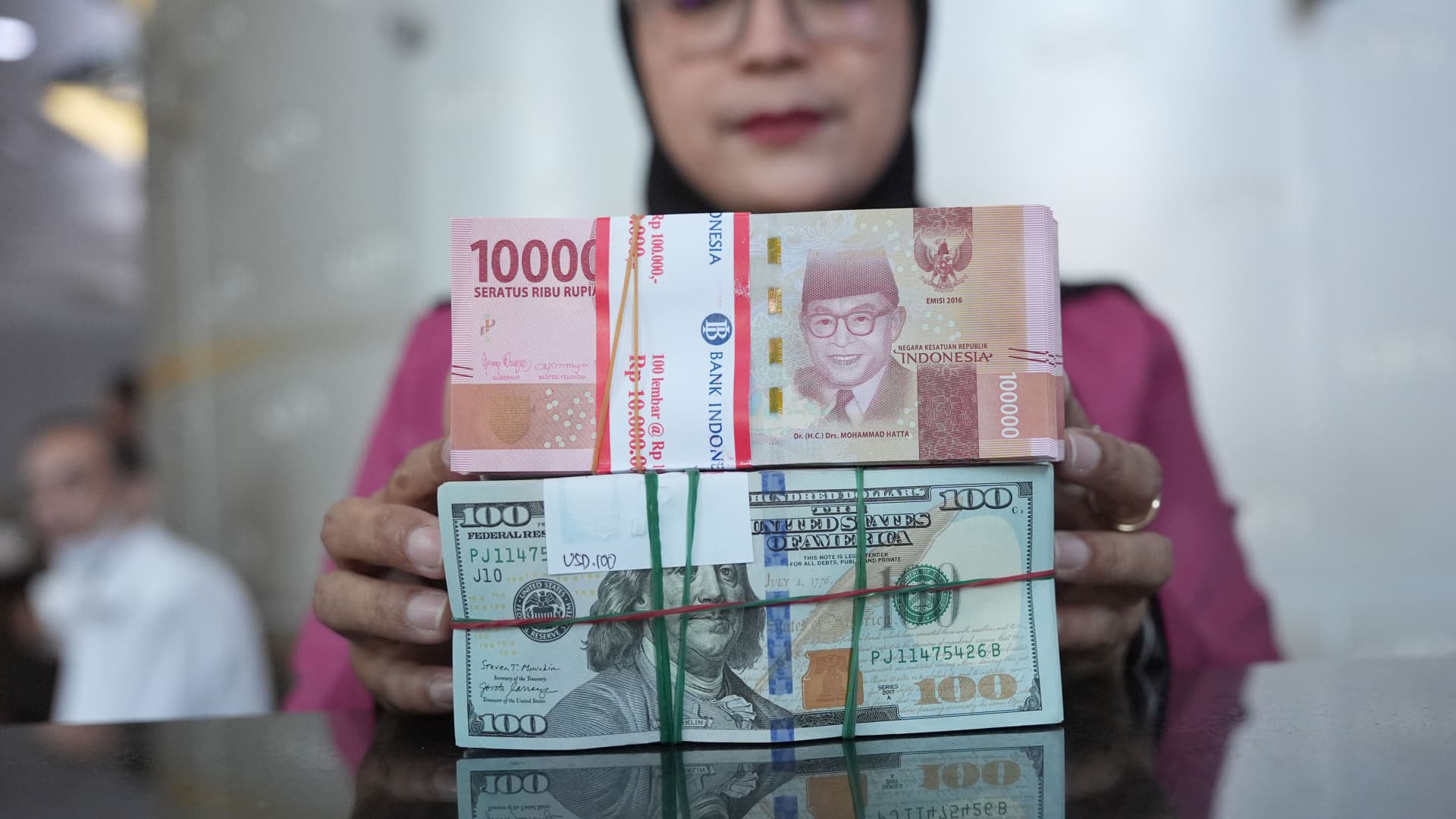
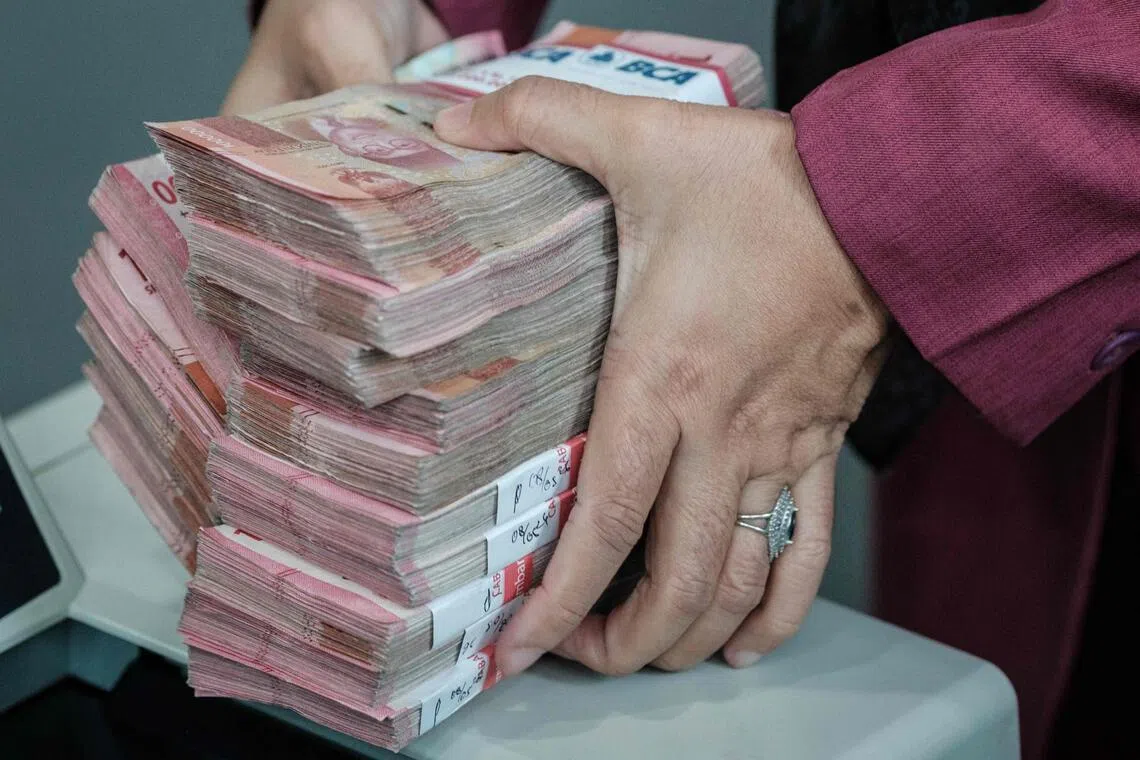
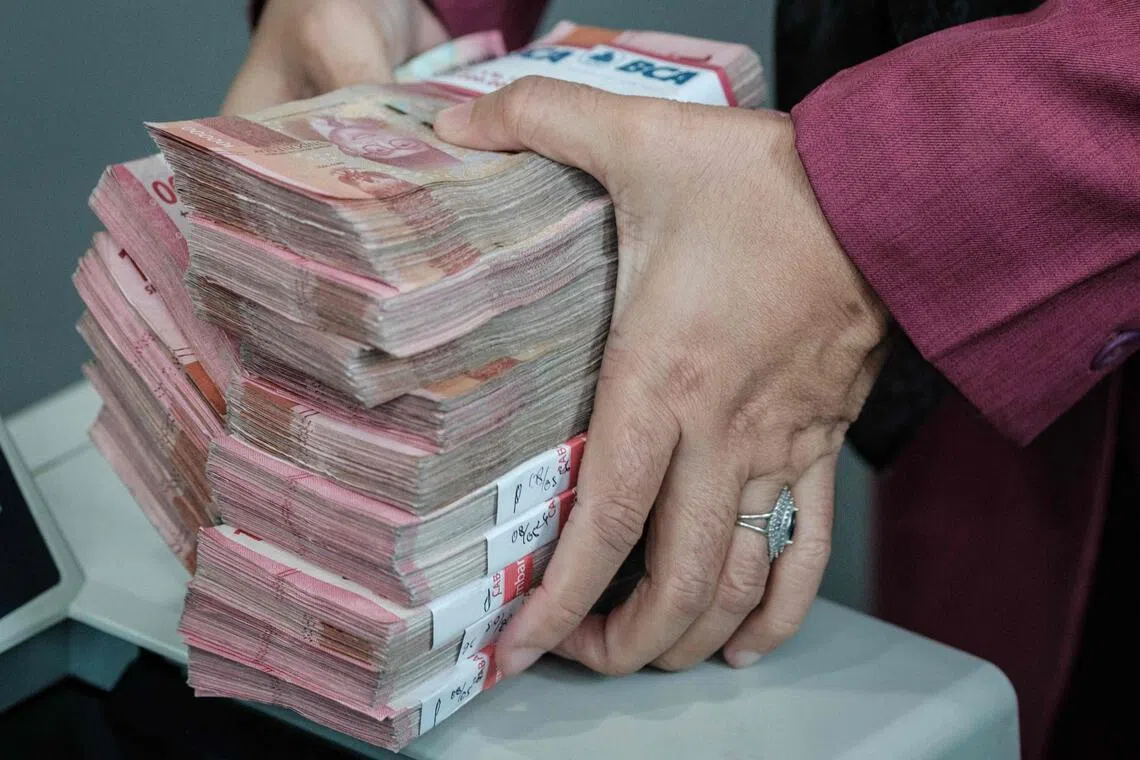
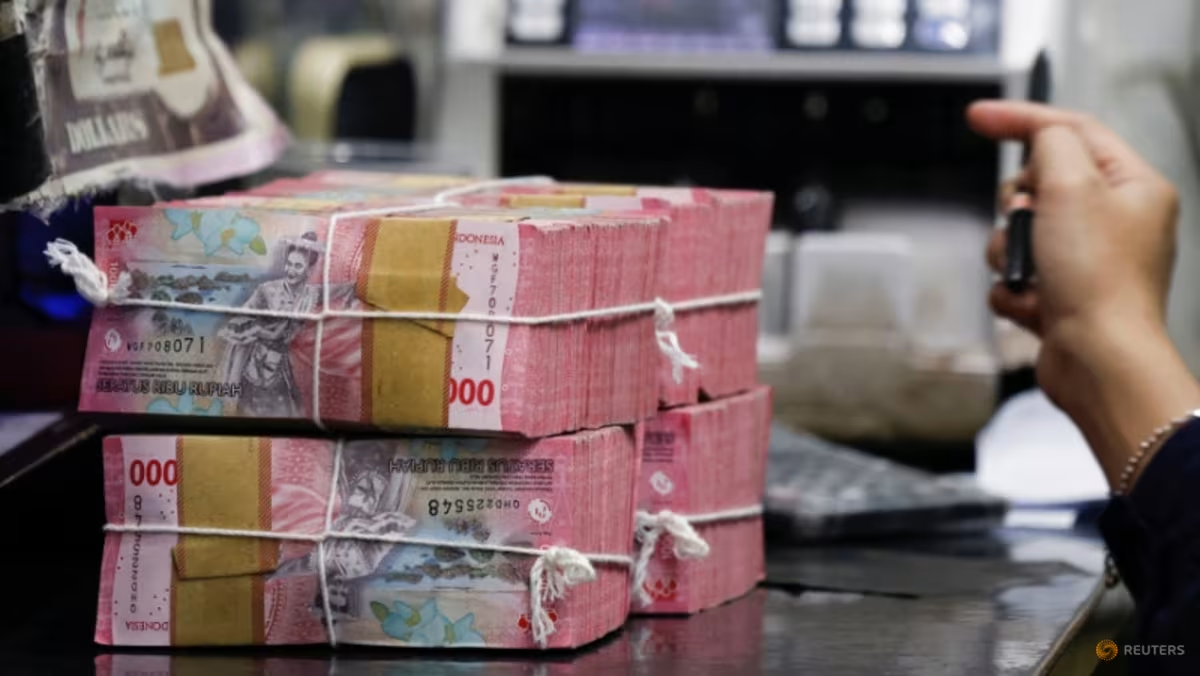
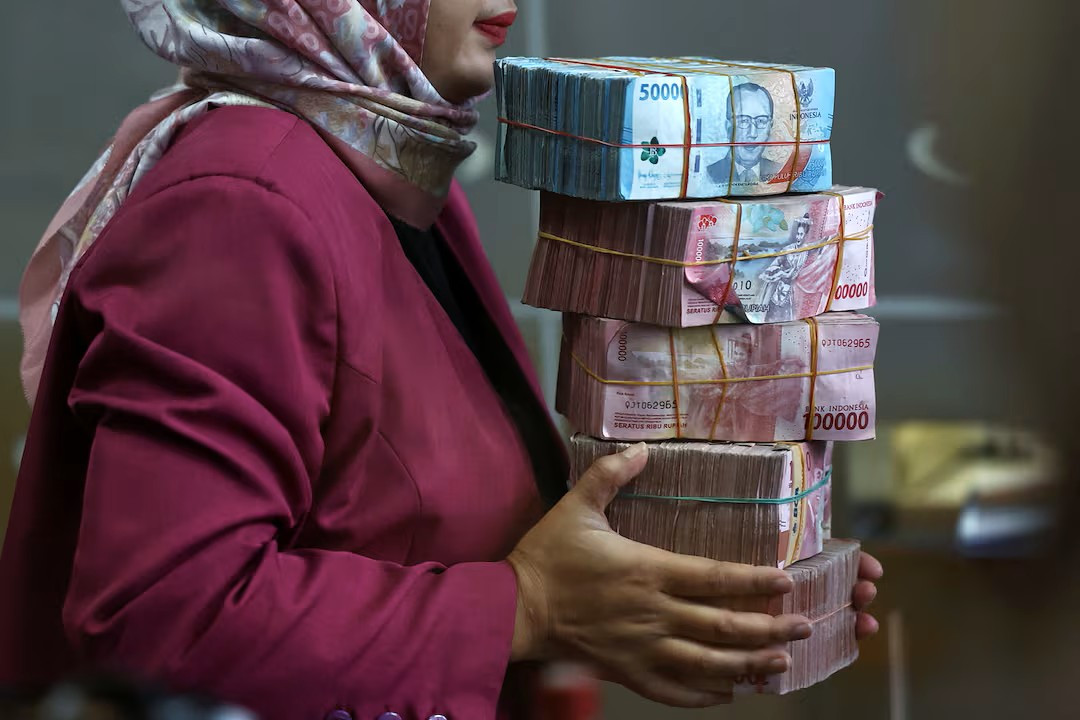
A teller holds rupiah bank notes on April 9, 2025, at a money changer in Jakarta. (Reuters/Willy Kurniawan)
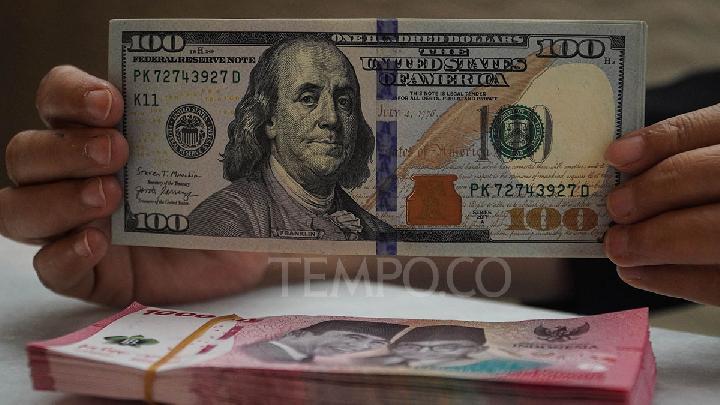
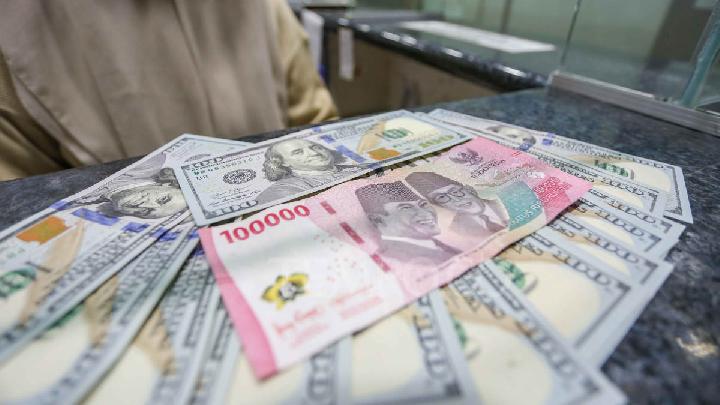
The rupiah's slide to over Rp 18,000 to the US dollar is understandably triggering anxiety across Indonesia. For many of us, the exchange rate is not an abstract macroeconomic indicator. It is deeply personal. In 2012, the rupiah traded below Rp 10,000 to the dollar. Since then, the currency has lost nearly 80 percent of its value against the greenback.This is not yet a repeat of the 1998 Asian Financial Crisis. Indonesia's banking system is stronger, foreign reserves remain substantial and Bank Indonesia (BI) is far more credible than it was during the collapse of the Soeharto era. But dismissing public concern as irrational would be a mistake. The issue facing the country today is a broader erosion of confidence.
Currencies are ultimately built on trust. Once trust begins to weaken simultaneously across multiple sectors, economic stress can accelerate much faster than many policymakers expect.