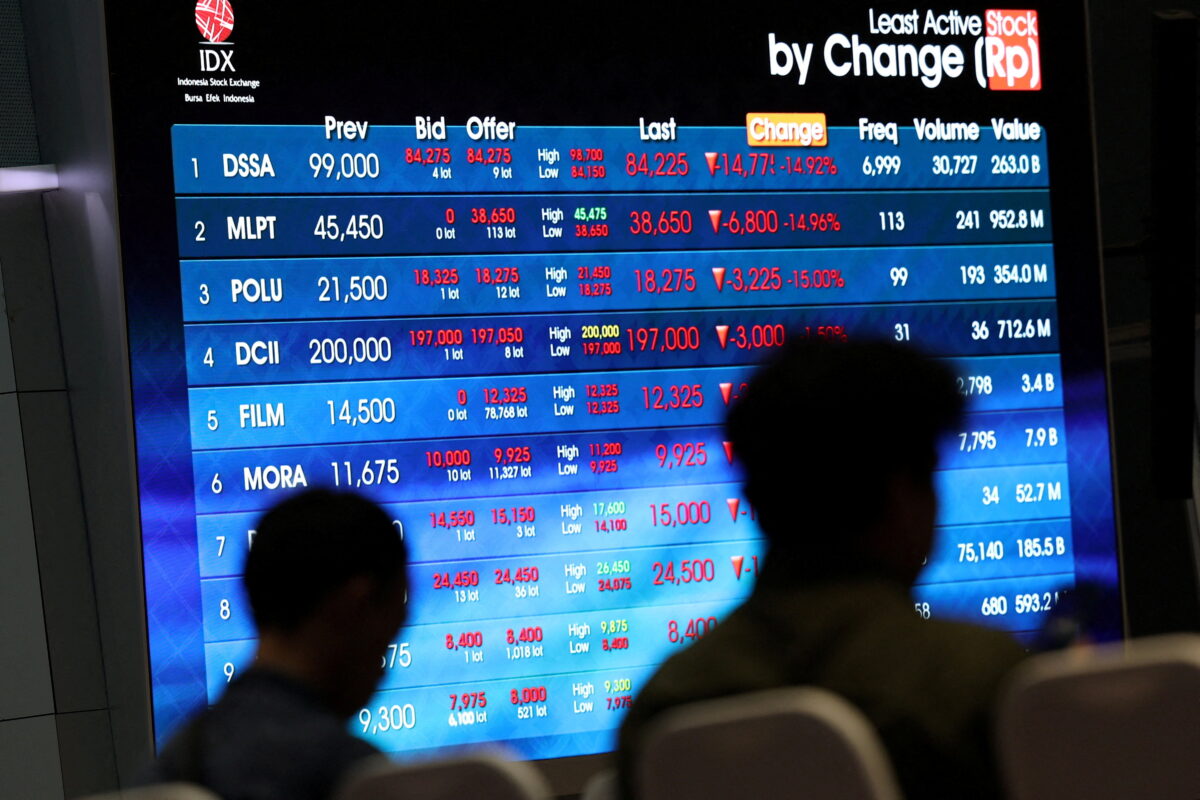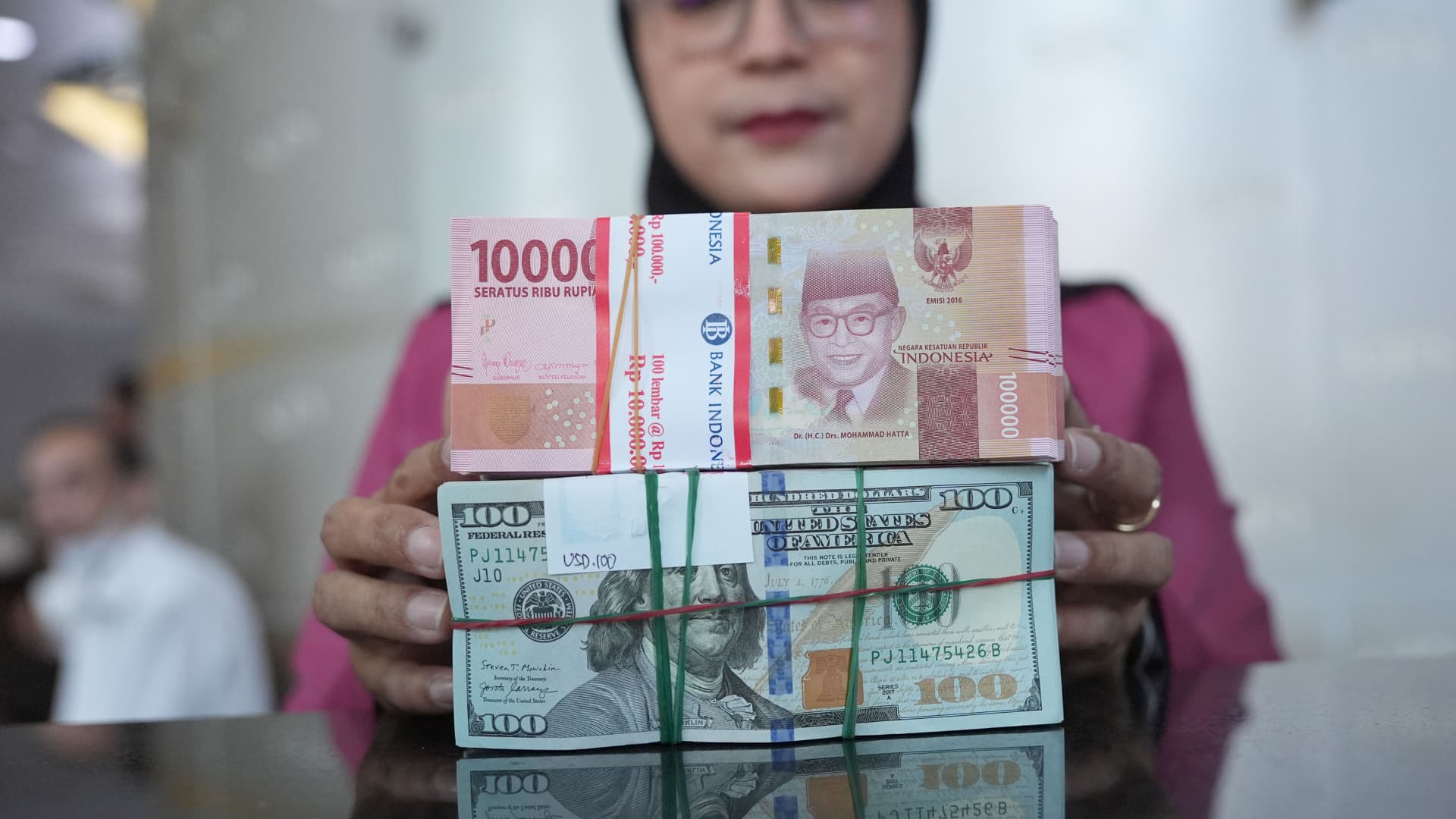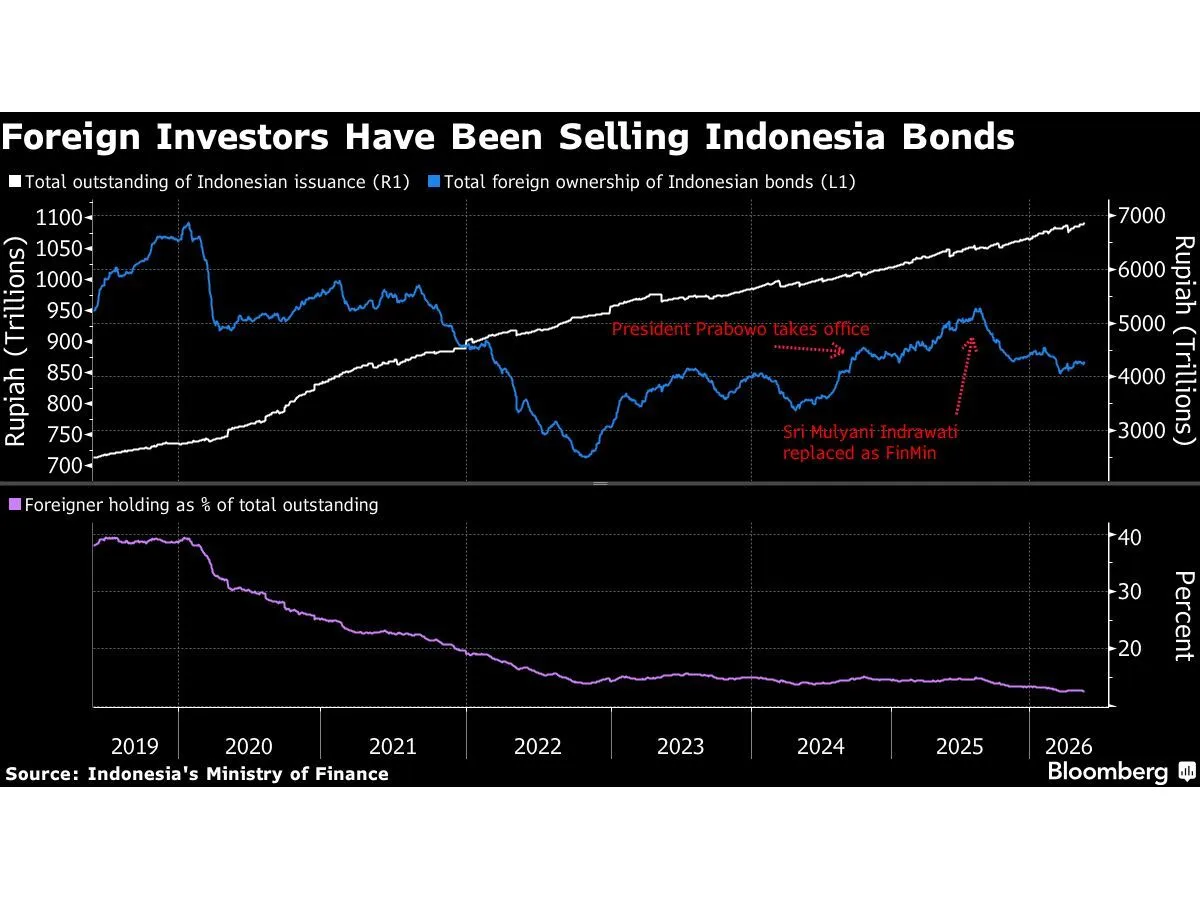
Over the last several months markets have been sending a series of pointed signals about the Indonesian economy. The rupiah has depreciated significantly against the dollar, the domestic stock exchange has seen a sustained sell-off, and bond markets have forced up interest rates on government debt. There are many factors at play here, but this is mainly driven by concerns about the overall investment climate, policy uncertainty, and unsustainable government spending and borrowing.
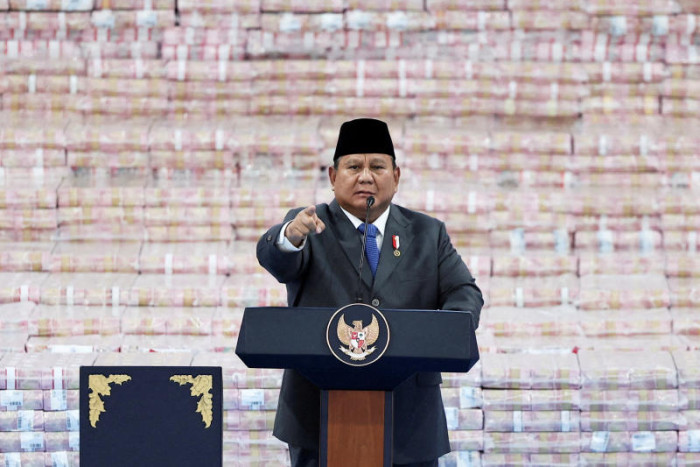
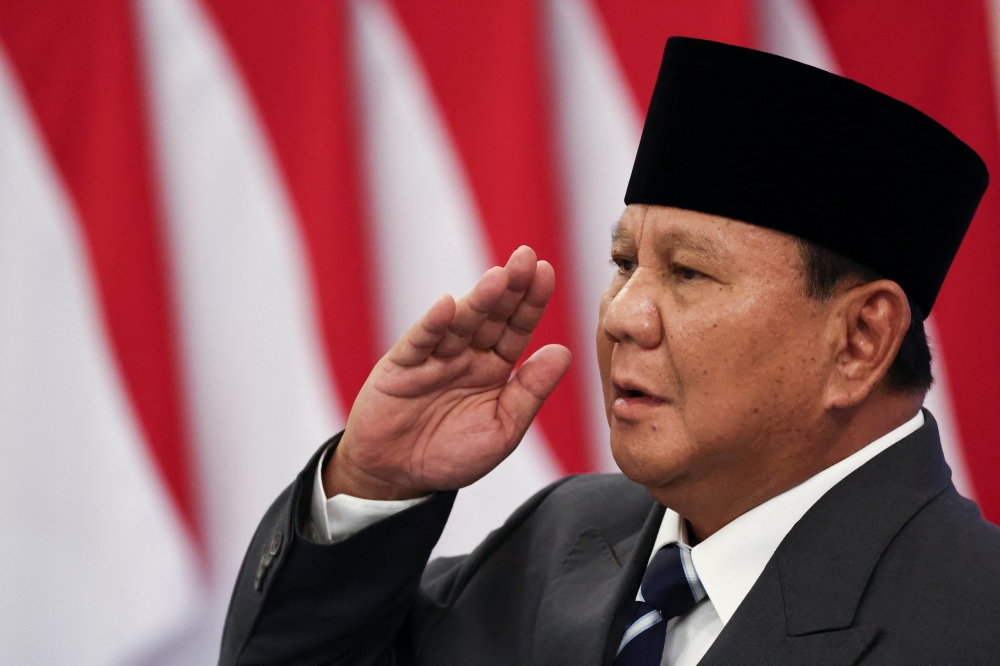
In March, President Prabowo sat for an interview with Bloomberg where he defended his policies and said that markets were not understanding him. I think markets do understand him. What markets are doing right now is sending a signal that they don’t have the same level of confidence in these policies as the President does. This actually speaks to a fundamental tension between state and market in the Indonesian economy that has existed for decades and which, under the current administration, is now taking on a new dimension.
This is not the first time that the Indonesian state has challenged conventional market wisdom, and inserted itself into the economy in ways that made investors uneasy. Prabowo’s predecessor, Joko Widodo, frequently pursued policies that rattled markets. During his two terms in office Jokowi stepped up government spending and borrowing, expanded the balance sheets of state-owned enterprises and directed them to speed up big projects like toll roads and airports.