Academia
Genuine freedom requires order under law and that order must begin with the powerful
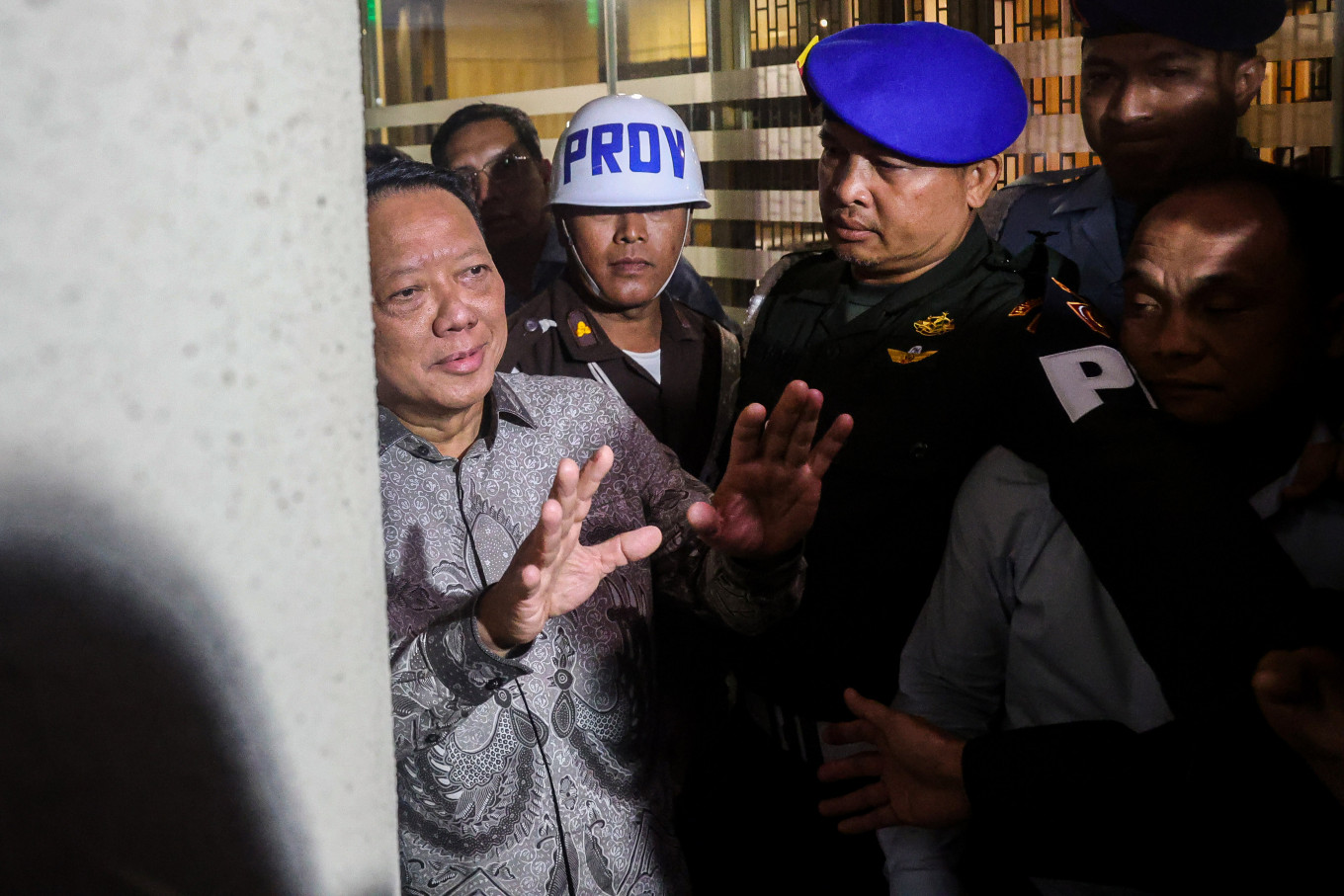
Former deputy attorney general for special crimes Febrie Adriansyah (left) speaks to reporters after questioning at the Attorney General's Office in Jakarta on July 24, 2026. (Antara/Darryl Ramadhan)
In West Java, Governor Dedi Mulyadi has won a large following by attacking the everyday machinery of coercion, the illegal levies, protection rackets and premanisme (low-level gangsterism) that shadow markets, transport routes and construction sites. He has ordered anti-premanisme task forces across the province and framed the drive, rightly, as a way to protect investment and ordinary livelihoods. Yet the same governor is also known for viral, personalized enforcement, such as student curfews, boot-camp discipline and demolitions staged for the camera that have drawn warnings from rights groups. His rise captures both the promise and the peril of the moment: the state reasserting order, but in a personalized and spectacular form that is not always order under law.
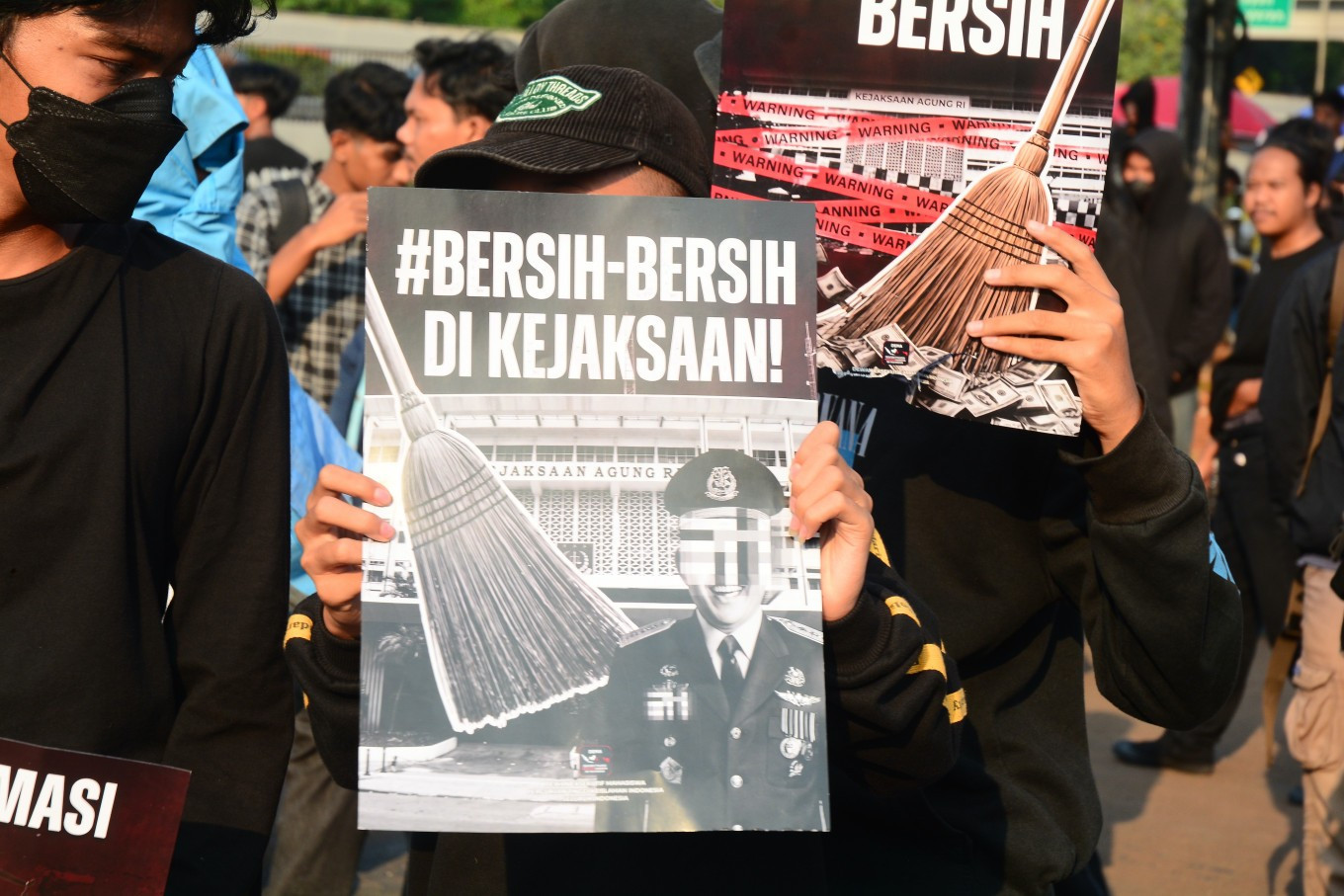
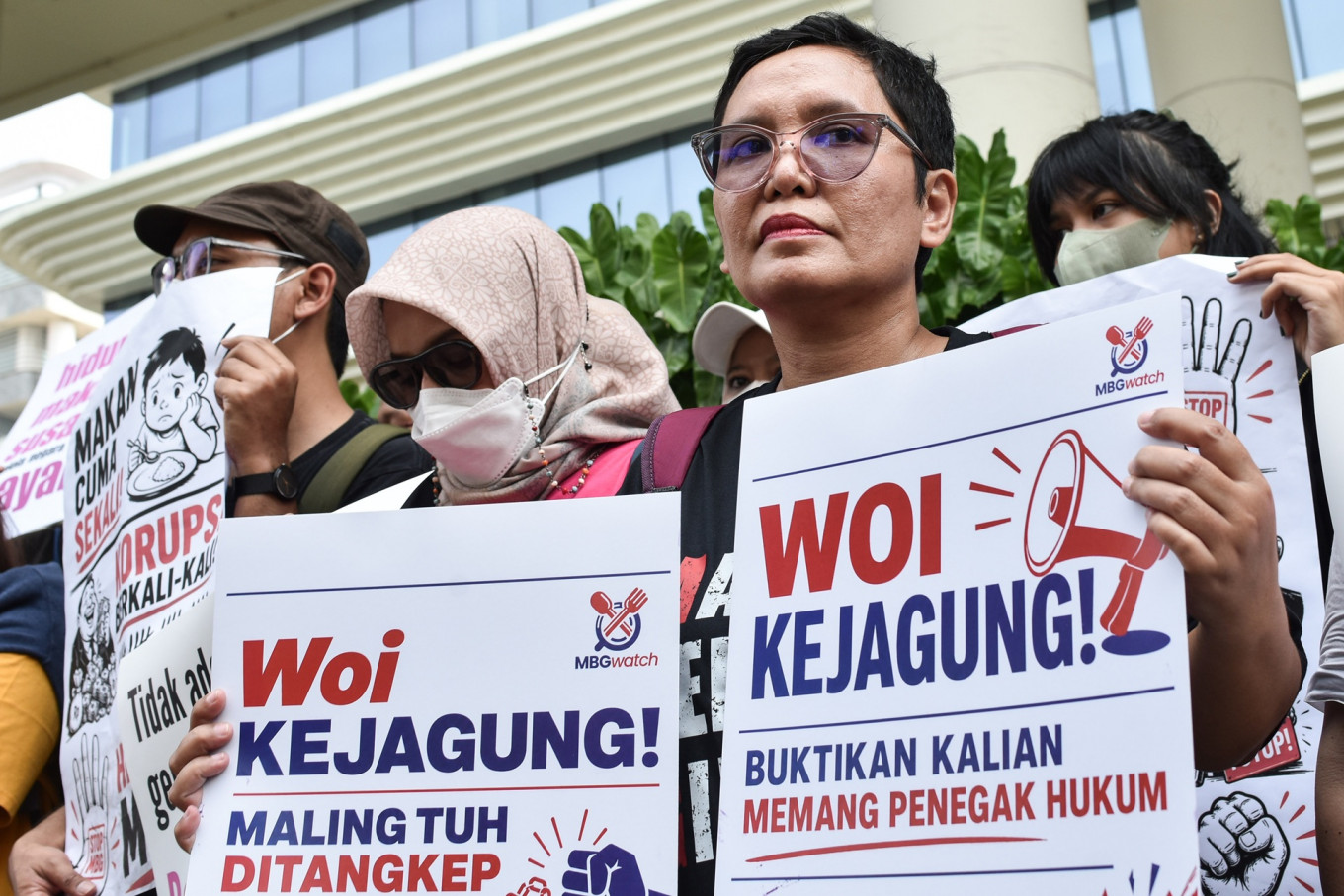
At the other end of the hierarchy lies a different warning. This month, Febrie Adriansyah, until recently the deputy attorney general for special crimes, was named a money-laundering suspect and detained. The presumption of innocence applies, and the legal process must run its course. But whatever the outcome, the case revives the oldest question in governance: quis custodiet ipsos custodies, who guards the guardians?