Academia
When institutional rivalries push heavily armed soldiers to negotiate the return of seized evidence, Indonesia faces a critical choice: uphold the civilian rule of law or allow justice to be dictated by the barrel of a gun.
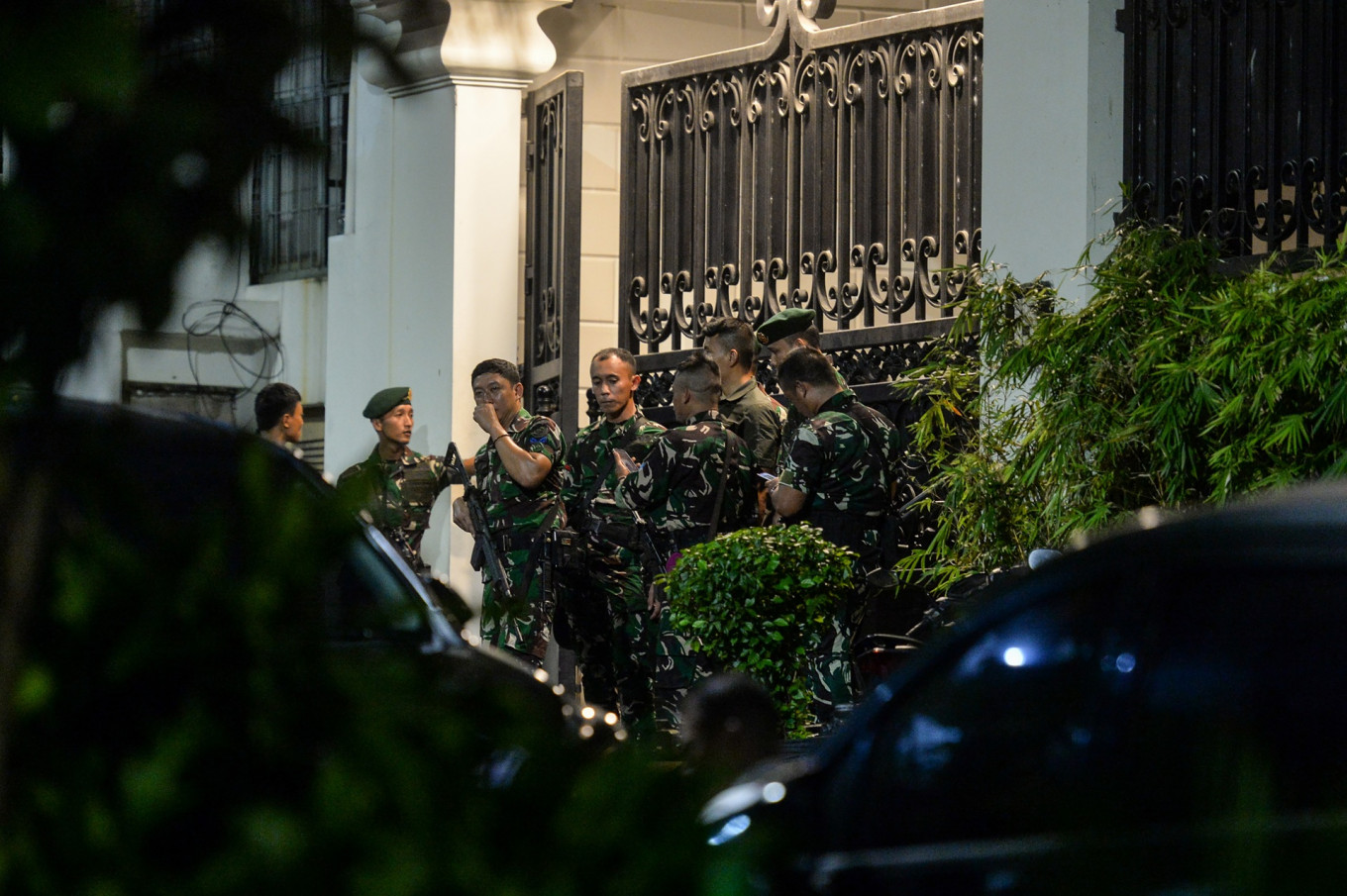
Indonesian Military (TNI) personnel stand guard in front of the house of Assistant Attorney General for Special Special Crimes (Jampidsus) Febrie Ardiansyah in Kebayoran Baru, Jakarta on July 8, 2026. (Antara/Putra M. Akbar)
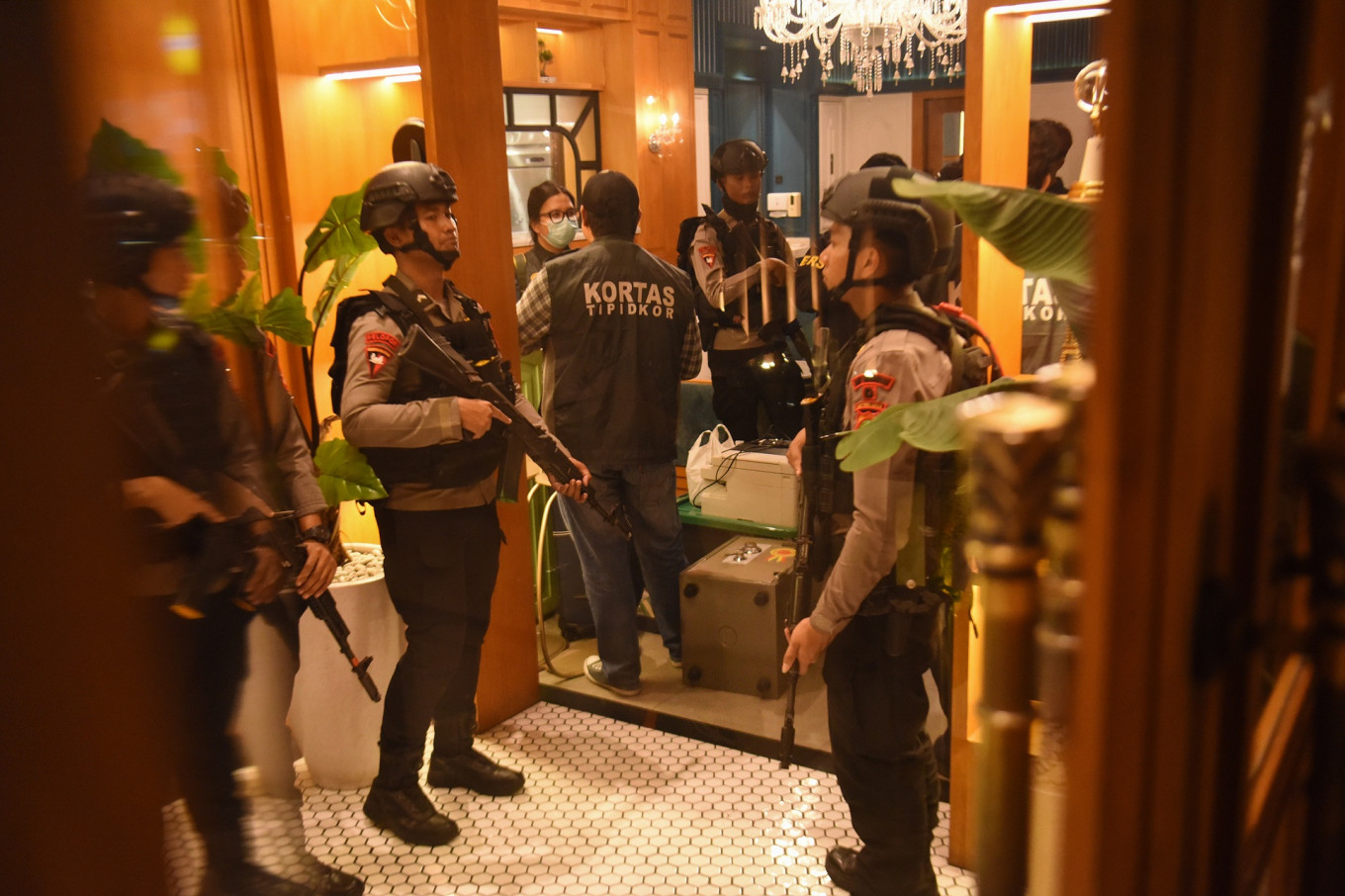
The July 9 standoff between law enforcement and the military exposed a devastating systemic contradiction within the nation's post-reform polity, shattering the illusion of a unified constitutional order. The ultimate paradox manifested when a police anticorruption task force, executing its lawful mandate against then Junior Attorney General for Special Crimes Febrie Ardiansyah was met not by due process but by the kinetic defiance of heavily armed Indonesian Military (TNI) platoons.This catastrophic institutional fracture pitted civilian law enforcement against the state's own defense apparatus, which launched an extralegal intervention to shield elite criminality from judicial accountability. By weaponizing national defense instruments to actively sabotage the rule of law, the confrontation revealed how deeply the state’s mechanisms can be coopted to subvert the very republic they are sworn to protect.