Academia
The shocking graft scandal within the National Nutrition Agency is a stark warning that good intentions cannot survive without robust oversight. If the president’s flagship welfare program can be so easily compromised, Indonesia’s heavily funded, opaque National Police force cannot afford to wait any longer for deep financial and structural reform.
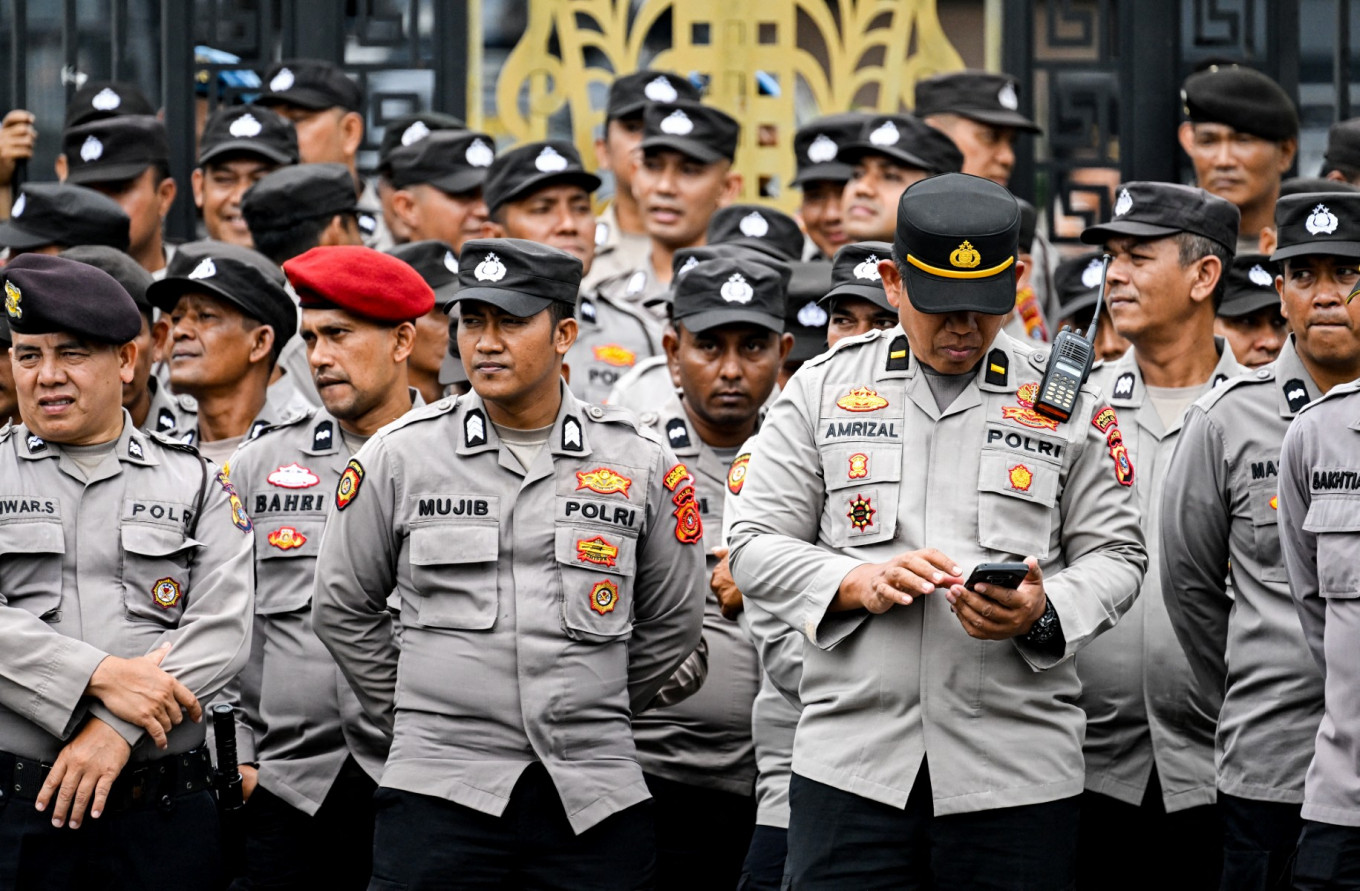
Police officers stand guard on Sept. 1, 2025, in front of the Aceh Provincial Legislative Council (DPRA) building in Banda Aceh, Aceh, during a protest by students demanding police reform and the dissolution of the House of Representatives. Thousands rallied across Indonesia on Sept. 1, as the military was deployed in Jakarta after six people were killed in nationwide protests sparked by anger over lavish perks for lawmakers. (AFP/Chaideer Mahyuddin)
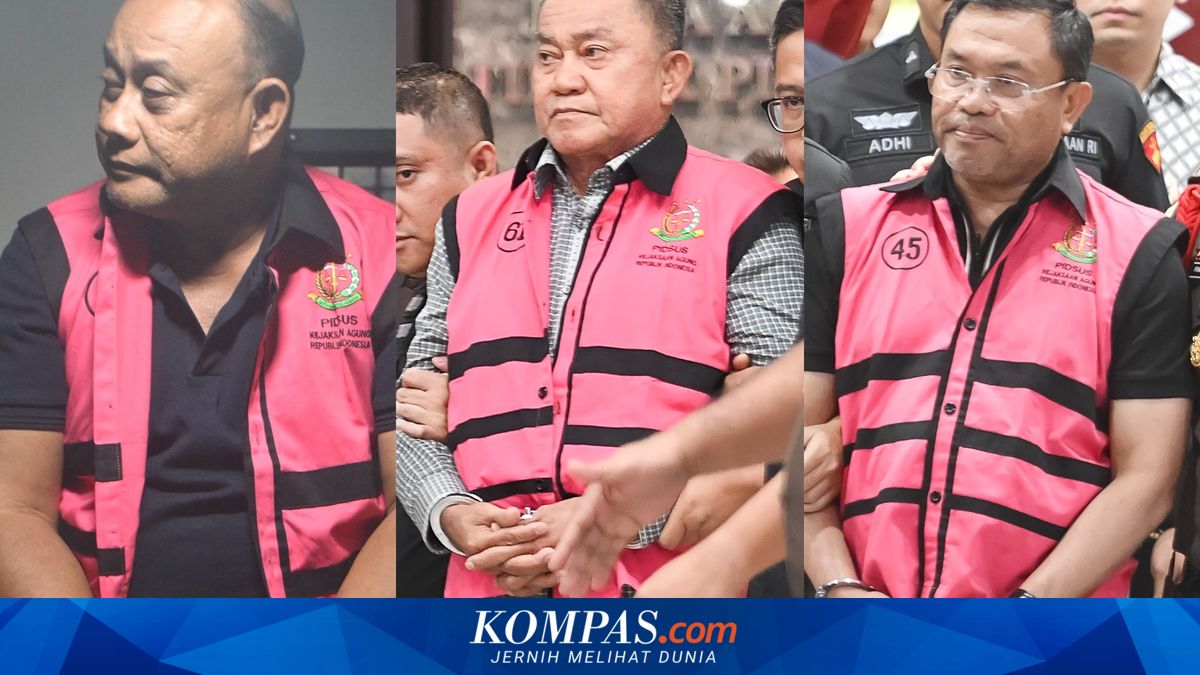
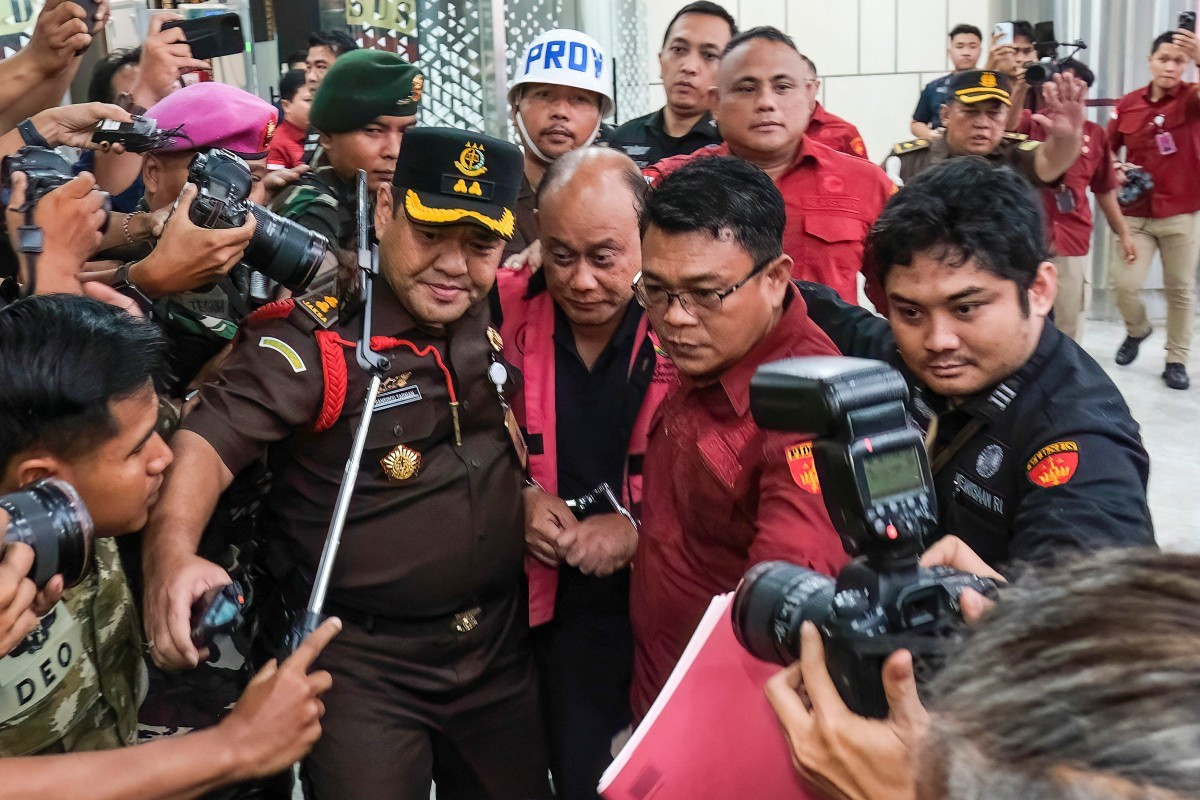
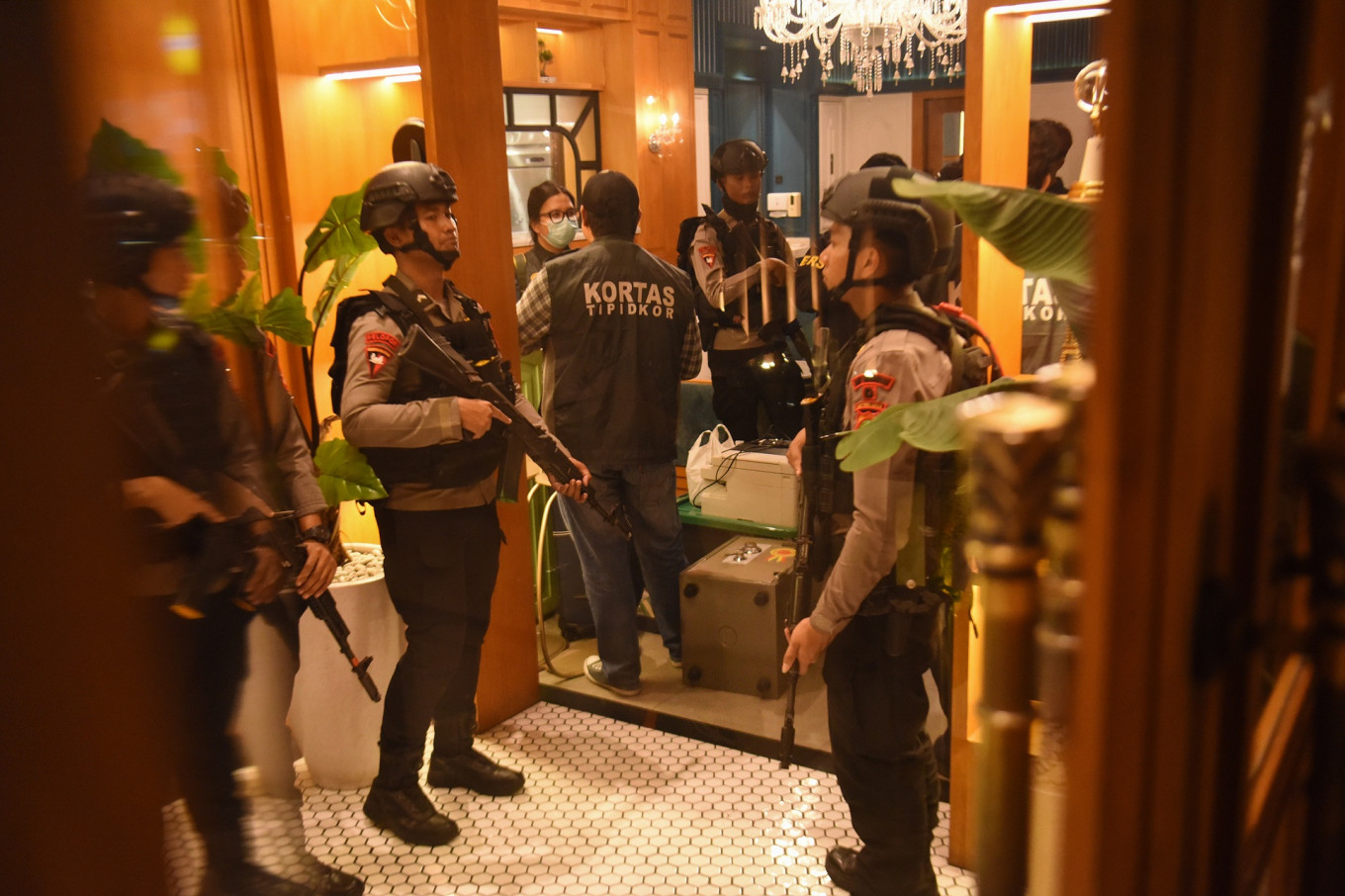
Early in June, the Attorney General's Office (AGO) named three former leaders of the National Nutrition Agency (BGN) as suspects in a graft case involving inflated procurement contracts for the free nutritious meal program.The alleged scheme orchestrated by former BGN head Dadan Hindayana and his two deputies, Lodewyk Pusung and Sony Sonjaya, is staggering. It involved the procurement of 21,801 electric motorcycles valued at over Rp 1 trillion (US$56 million), alongside 32,000 pairs of shoes, 31,994 tablets and 5,400 televisions—much of it entirely unnecessary for agency operations.