June 5, 2026 | 01:54 pm
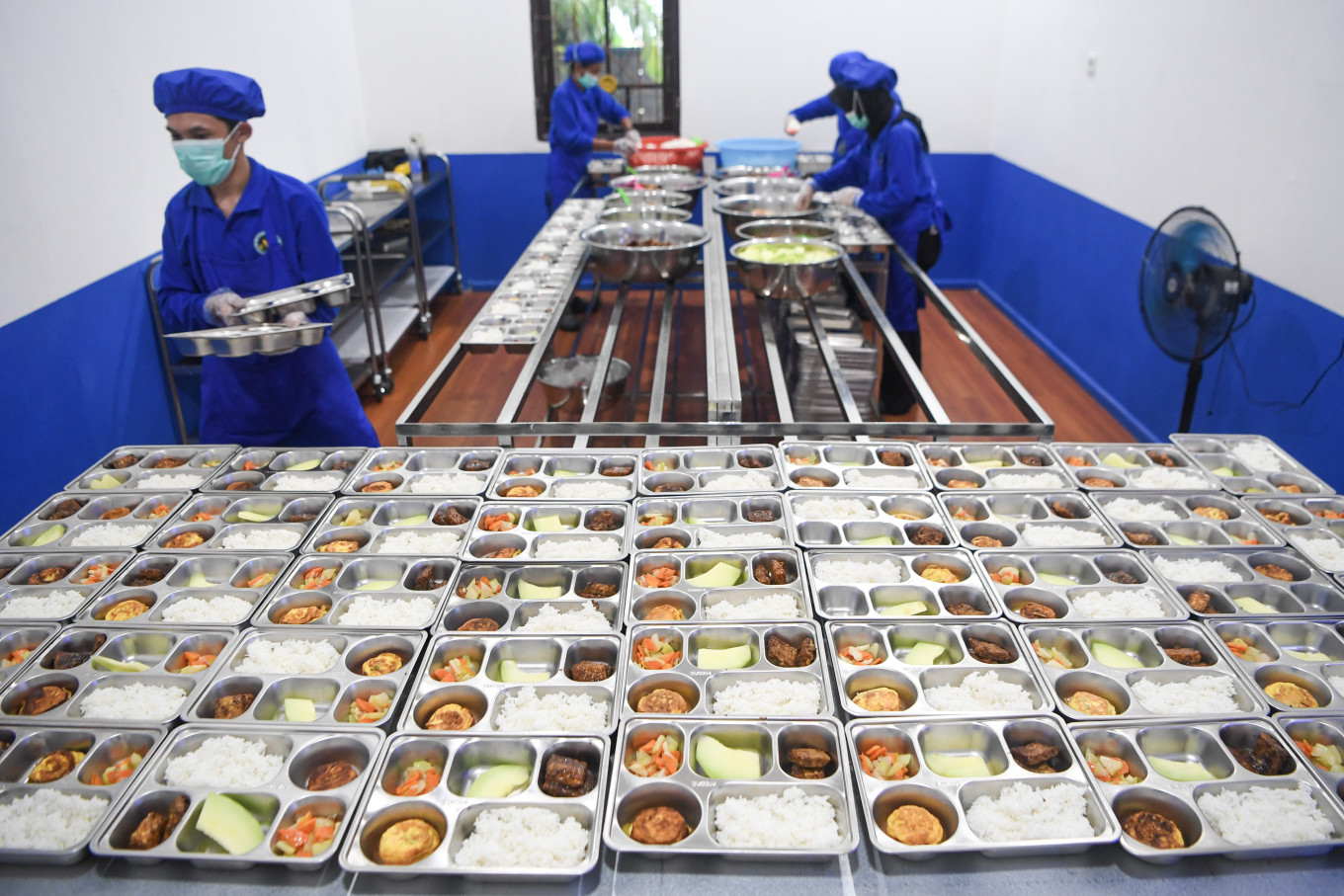
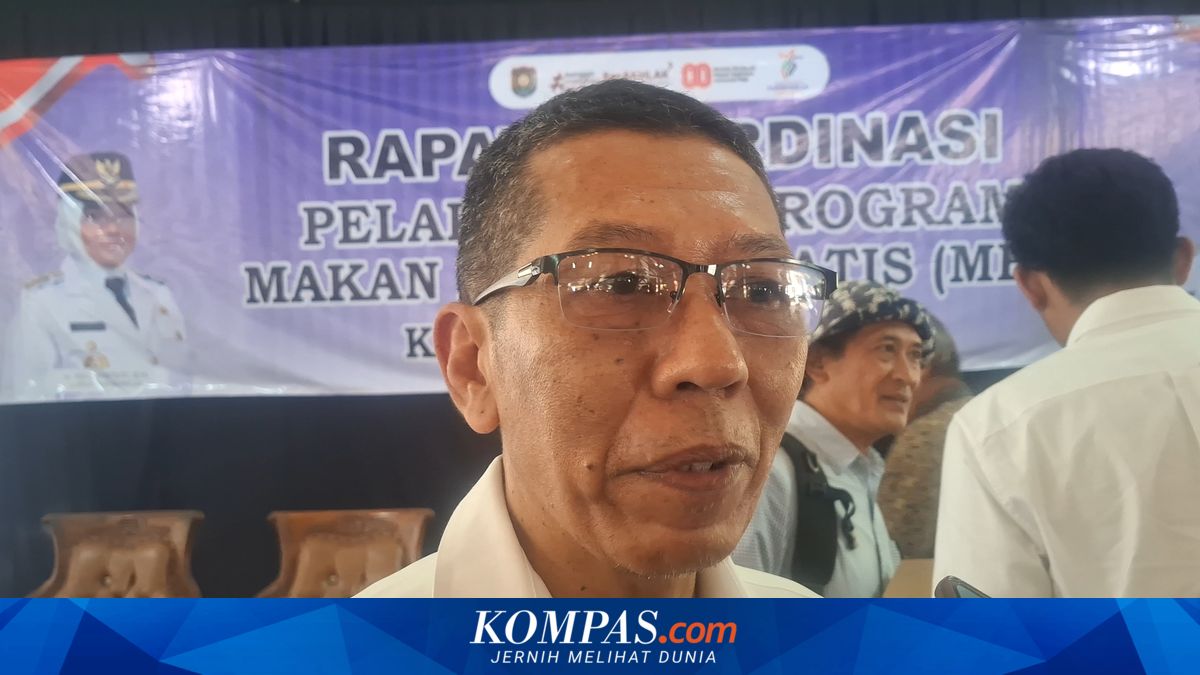
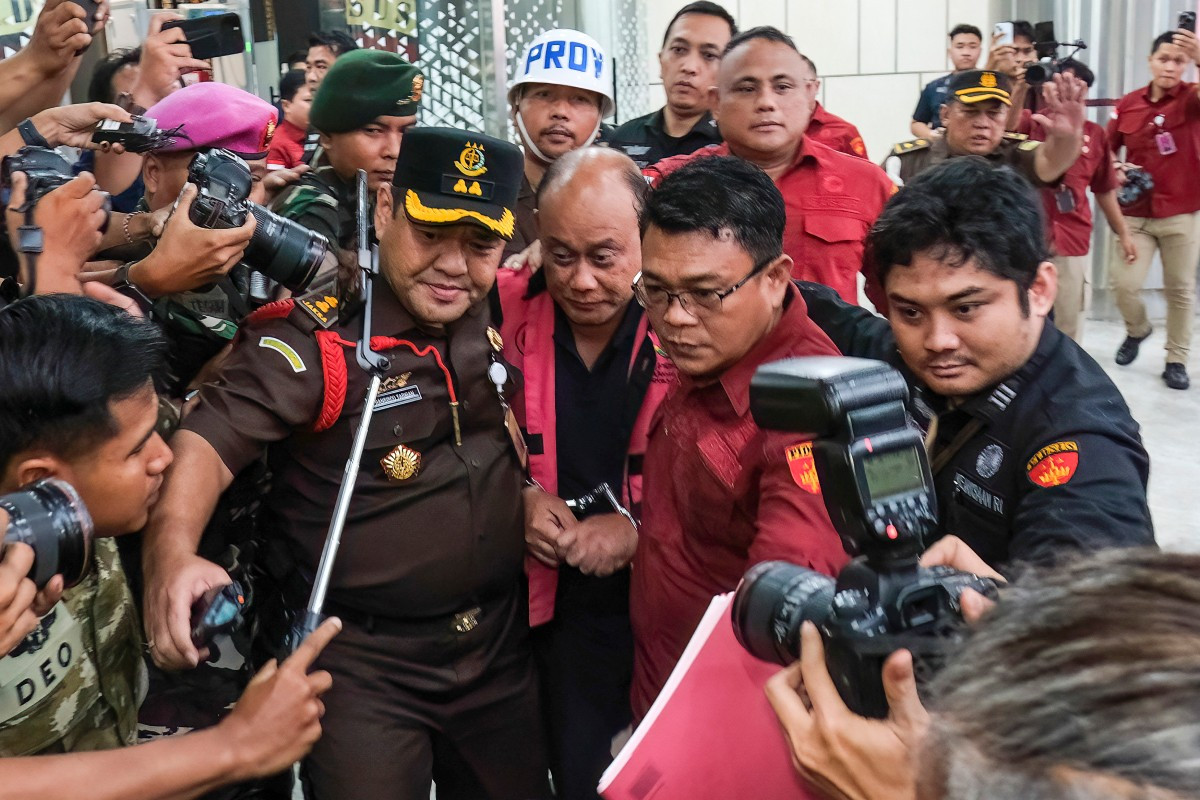
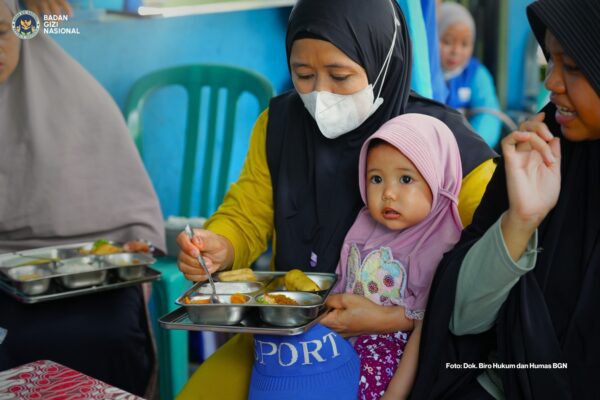
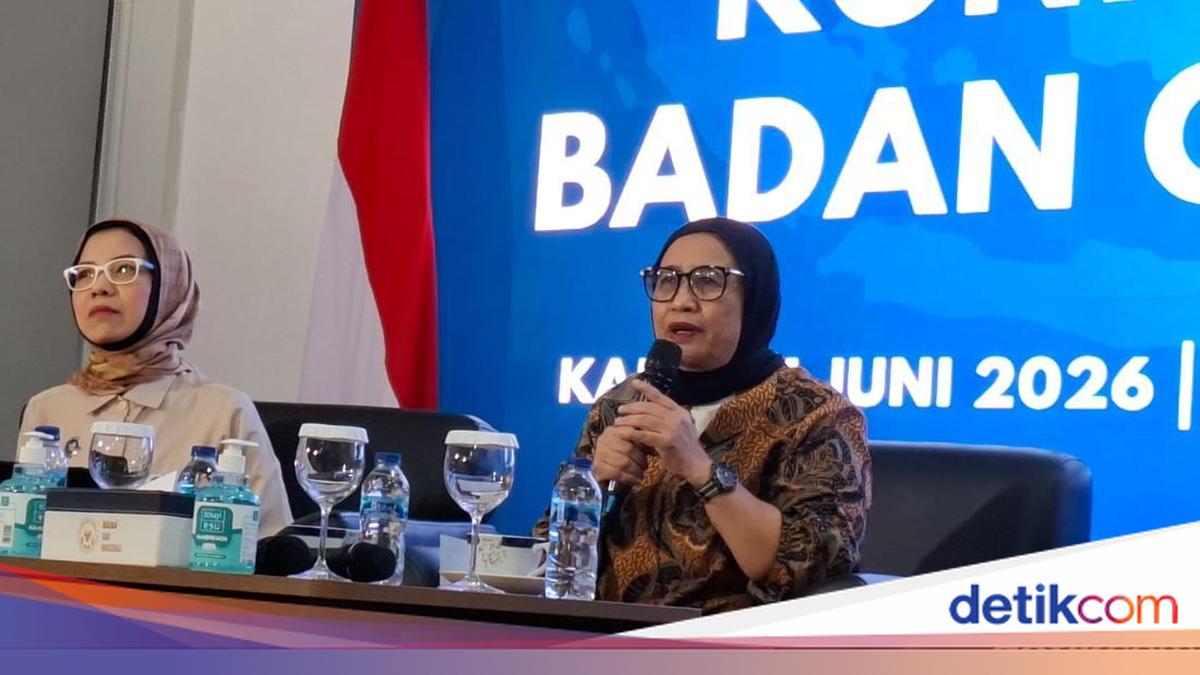
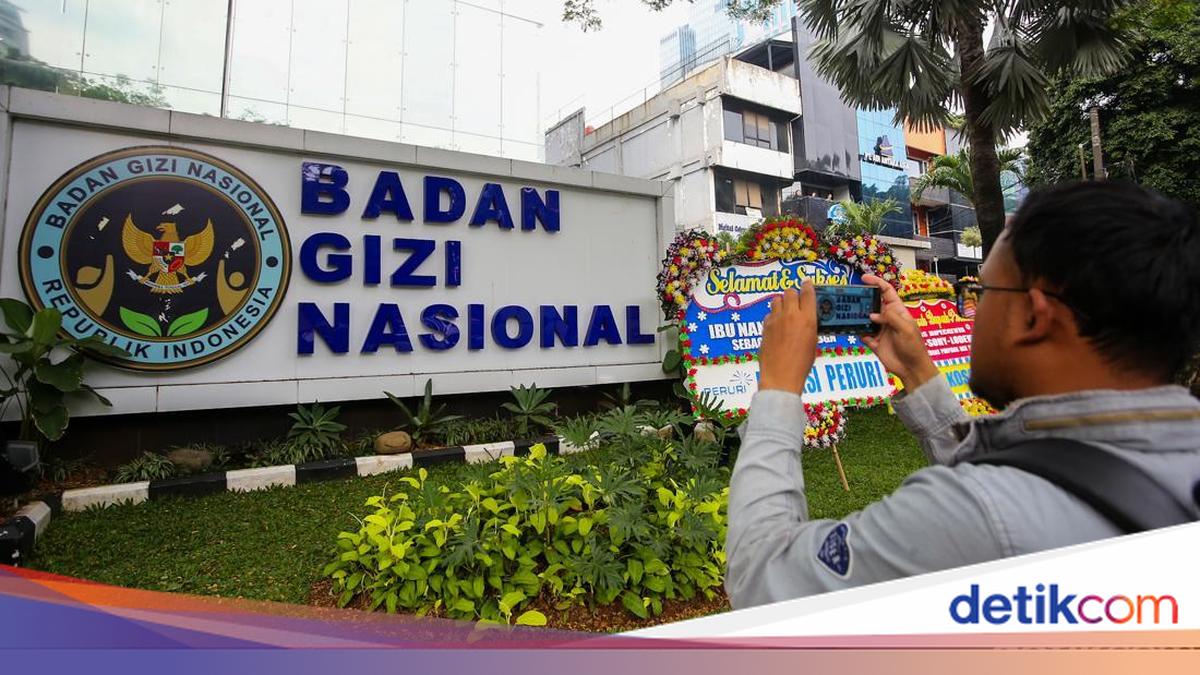
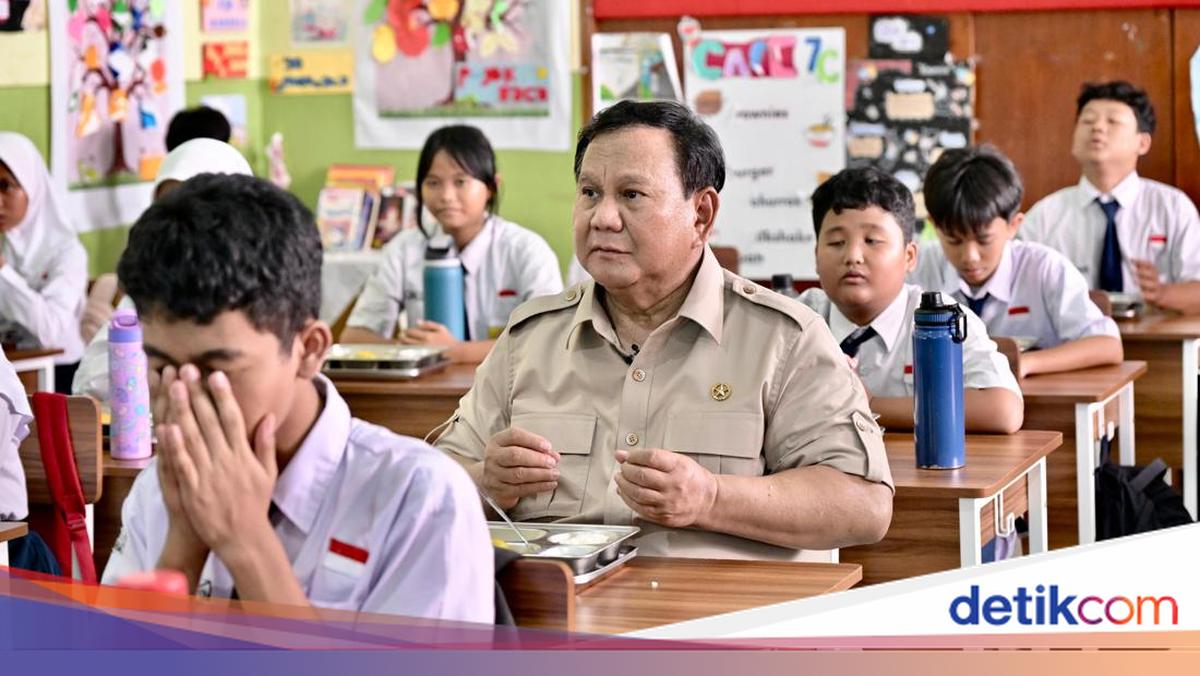
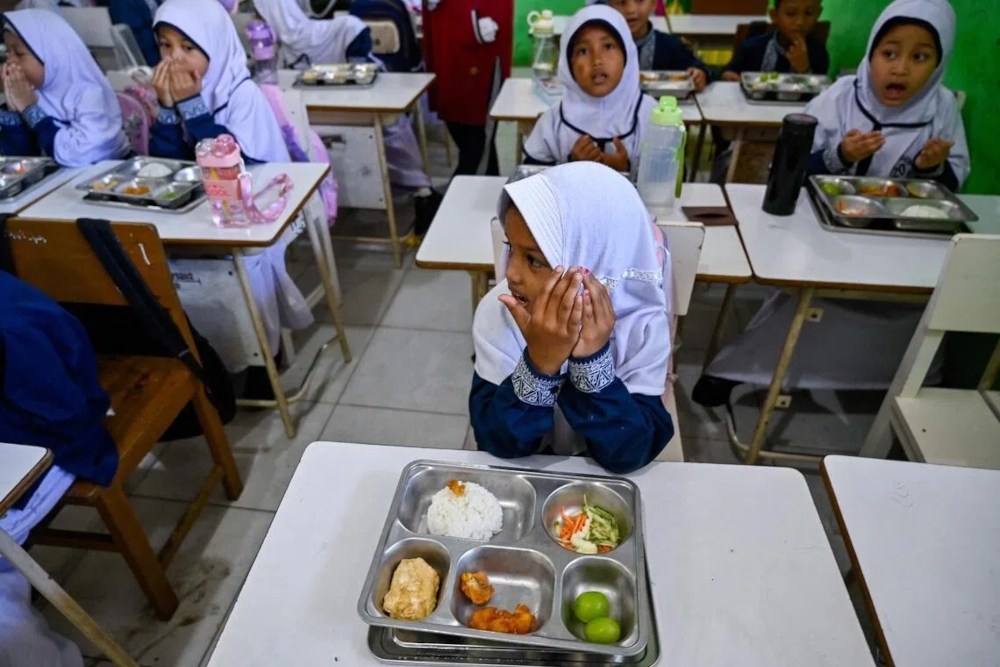
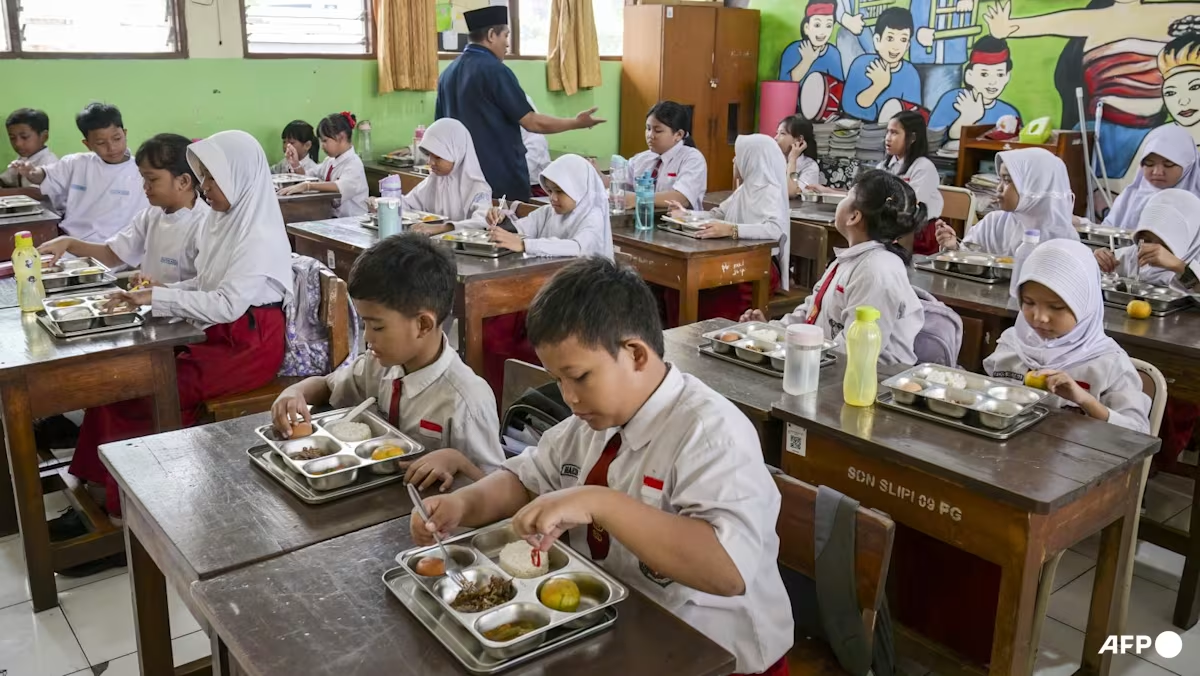
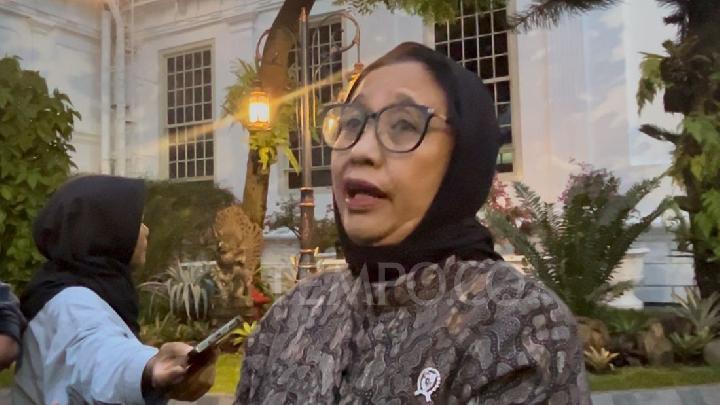
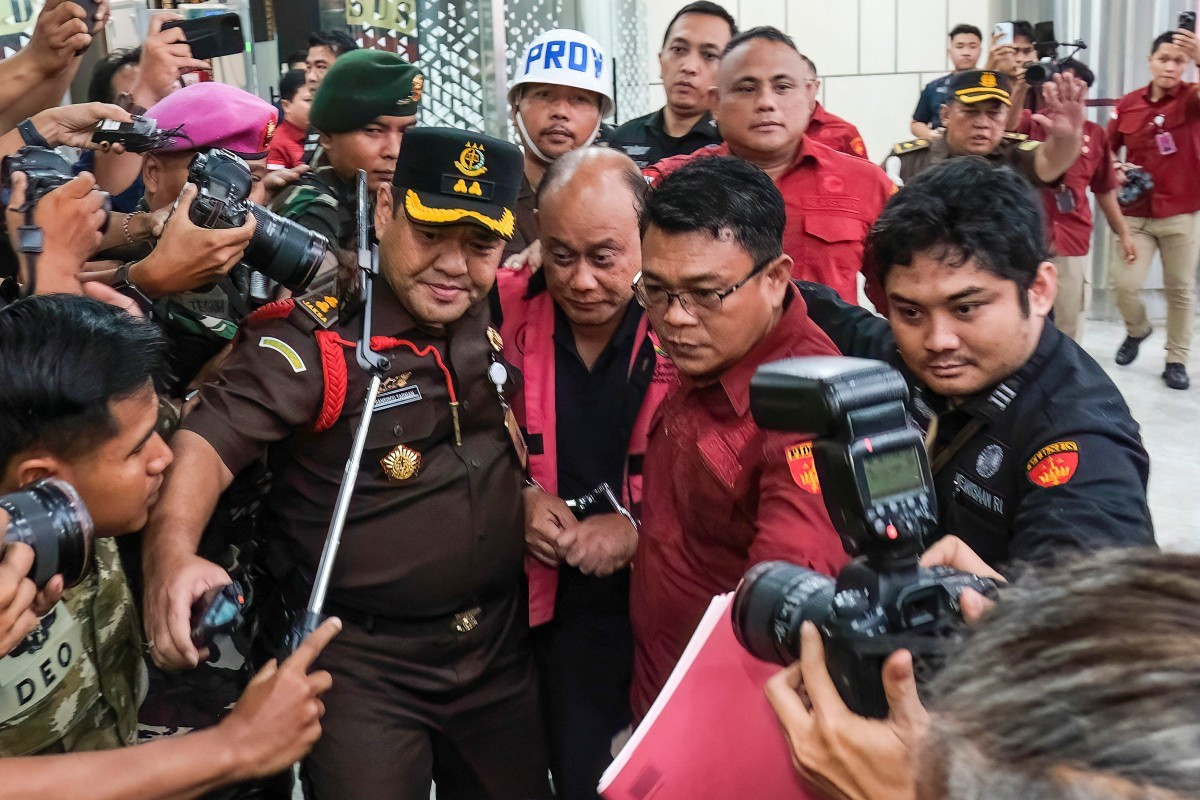
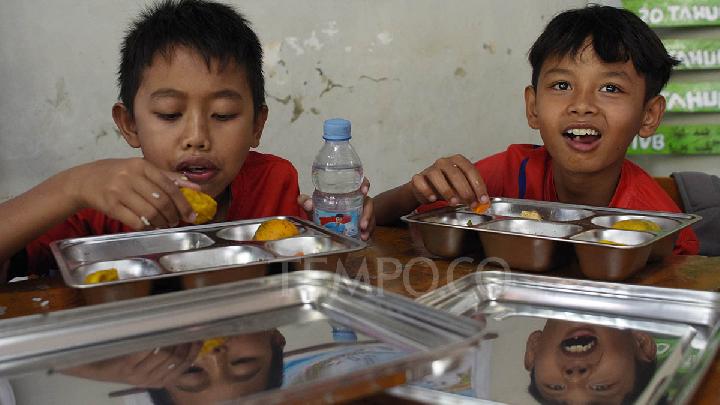
TEMPO.CO, Jakarta – Indonesia's National Nutrition Agency (BGN) has pledged to strengthen governance and restore public trust in the government's Free Nutritious Meals (MBG) program following a corruption case that implicated several senior agency officials.The commitment comes as the agency faces heightened scrutiny after the Attorney General's Office named former BGN head Dadan Hindayana and several other officials suspects in an alleged corruption case on June 3.Newly appointed BGN head Nanik Sudaryati Deyang said improving governance would be one of the agency's top priorities. Speaking at her first press conference at the BGN headquarters in Central Jakarta on Thursday, June 4, she said the agency would conduct a comprehensive review of budget accountability and the implementation of the flagship nutrition program."Our priority is to ensure that this program operates effectively so that available resources and funding can be used optimally for people who need nutritional assistance," Nanik said.In addition to governance reforms, BGN plans to tighten oversight of service quality under the MBG program. Nanik said the agency would strengthen supervision and guidance for Nutrition Fulfillment Service Units (SPPG) to ensure that meal providers comply with food safety and service standards.She stressed that maintaining service quality remains essential despite the ongoing evaluation process. As a result, improving operational procedures, strengthening human resources, and enhancing monitoring systems will be among the agency's key priorities.Nanik also acknowledged disparities in the distribution of MBG services across the country. Most program facilities are concentrated in urban and metropolitan areas, while many disadvantaged, remote, and border regions—known in Indonesia as 3T areas—remain underserved."That is why we are carrying out a restructuring process to ensure the program's benefits can truly reach children across Indonesia," she said.To expand coverage, BGN is developing a more effective implementation model for 3T regions by optimizing existing infrastructure and resources. The agency is also seeking partnerships with state-owned enterprises, private companies through corporate social responsibility (CSR) programs, foundations, and other stakeholders to support program delivery in remote areas.BGN Deputy Head Agustina Arumsari said the free meal program must be implemented in an accountable, transparent, and sustainable manner. She emphasized the need for stronger data integration and information systems to ensure that policy decisions are based on accurate and reliable data.According to Agustina, recommendations from oversight institutions will also be incorporated into the agency's ongoing governance reforms.The reform agenda announced by BGN's new leadership is seen as an early test of the long-term viability of the Free Nutritious Meals program. With the agency under pressure following the corruption allegations, its ability to restore public confidence is likely to be critical to the program's future success.Read: BGN Overhaul: What's Next for Free Nutritious Meals?