June 5, 2026 | 10:18 am
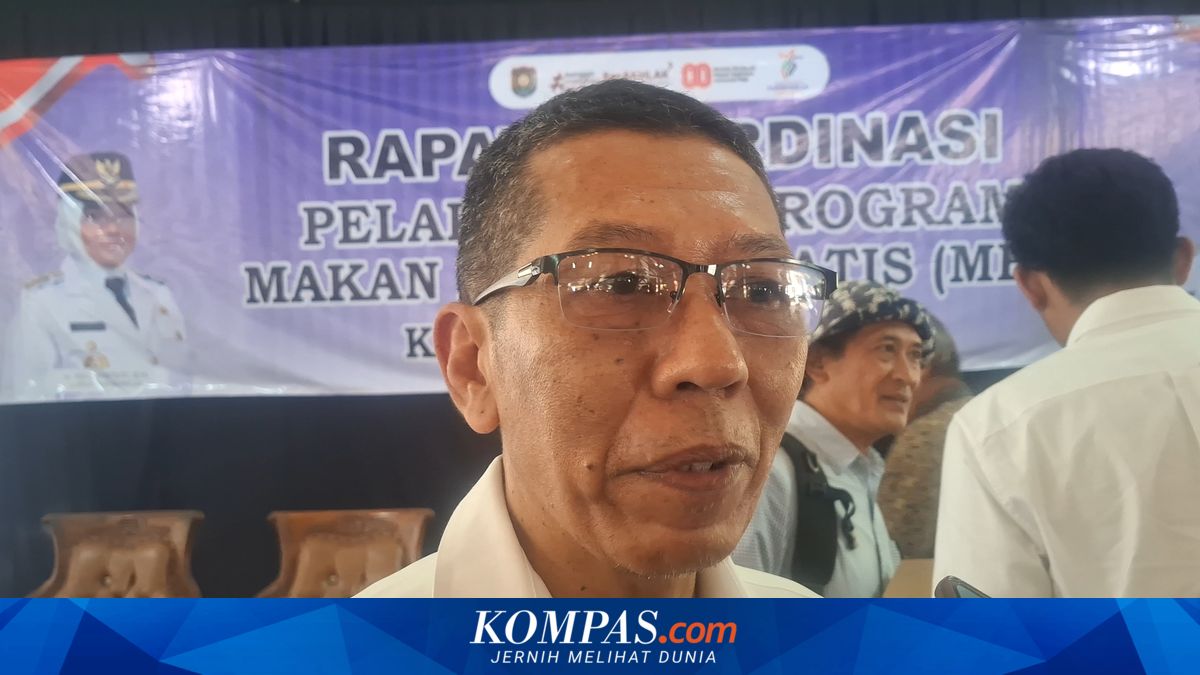
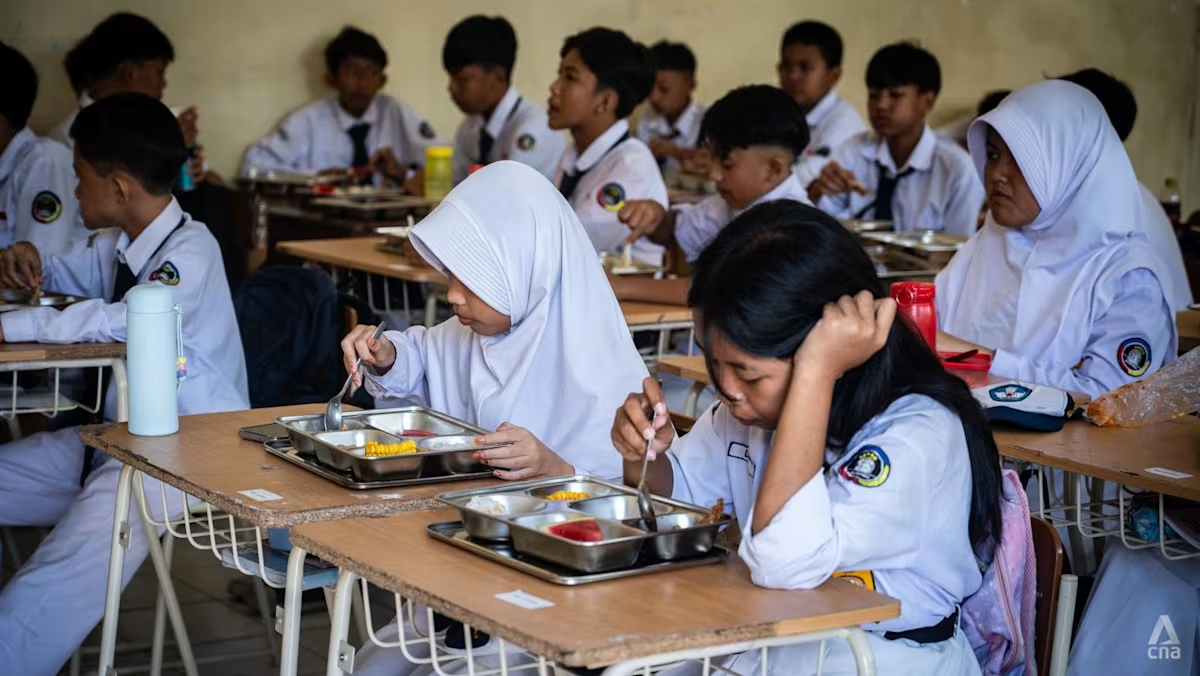
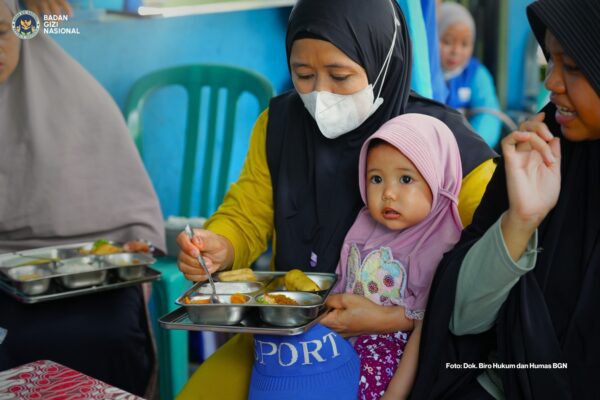
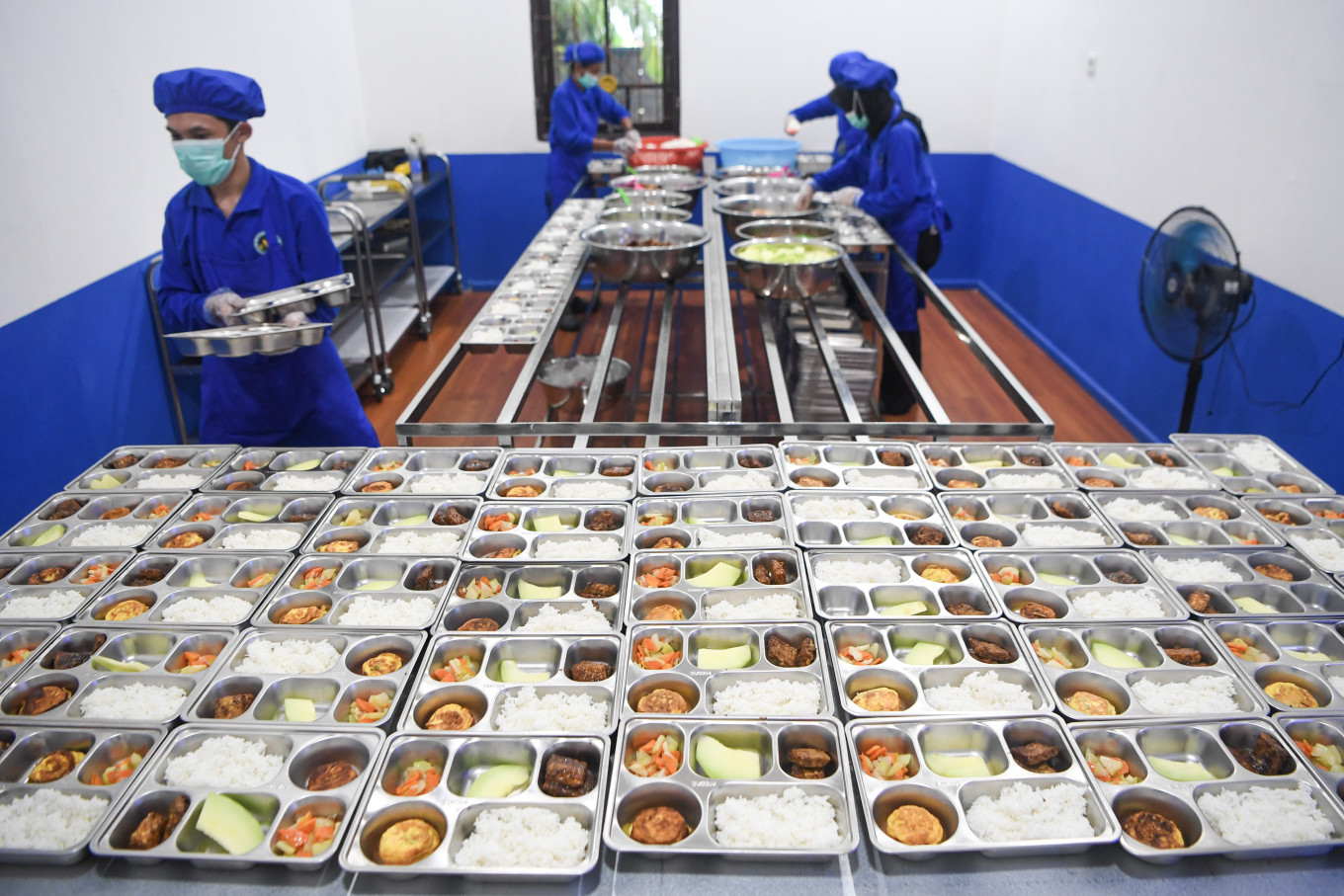
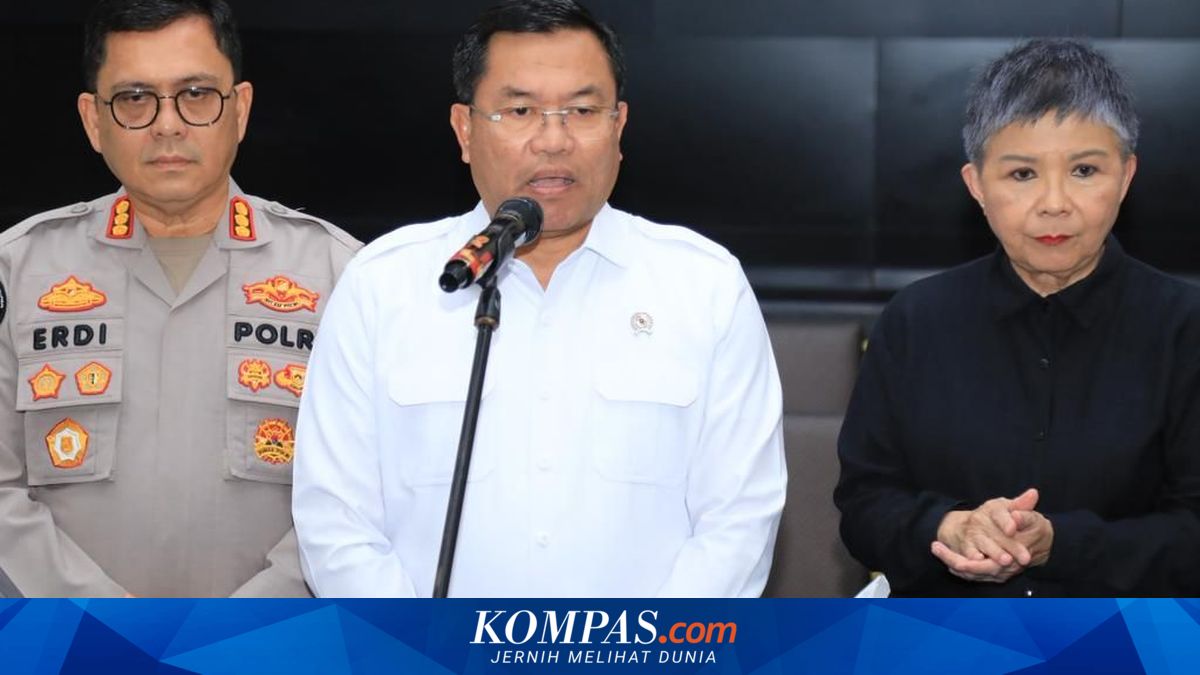
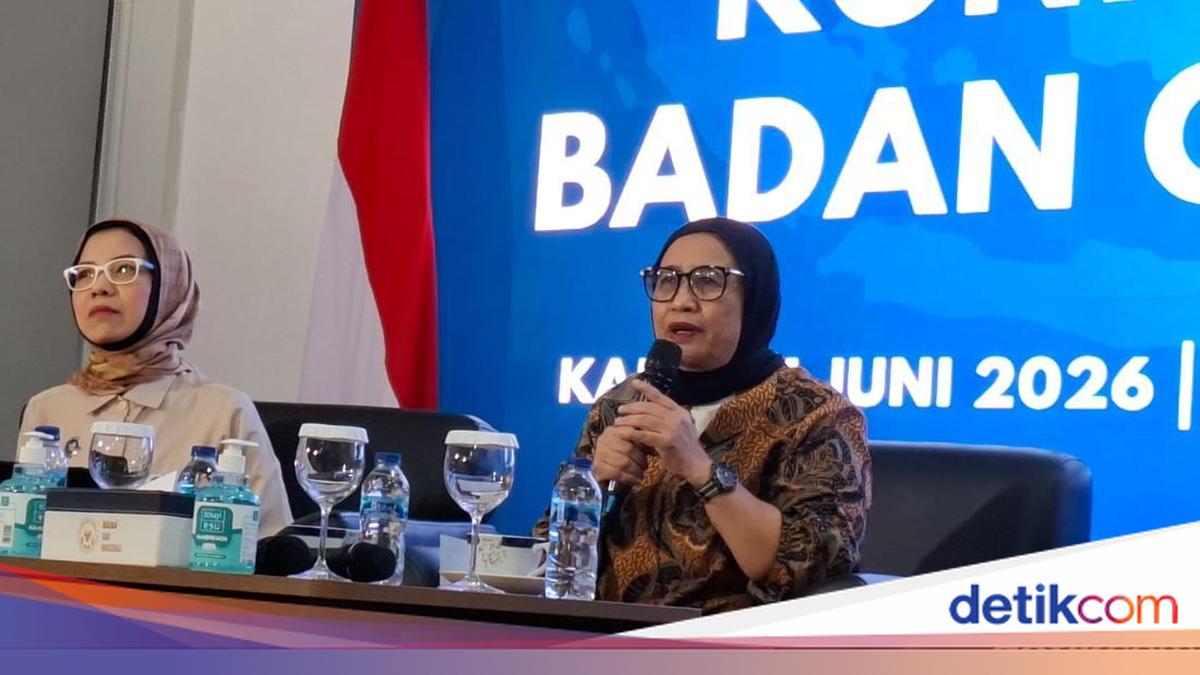
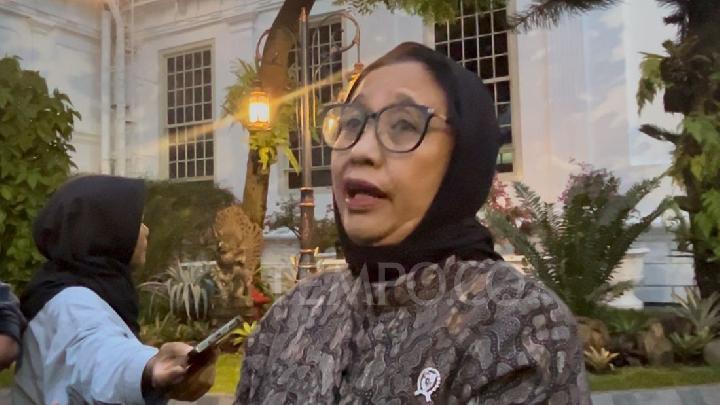
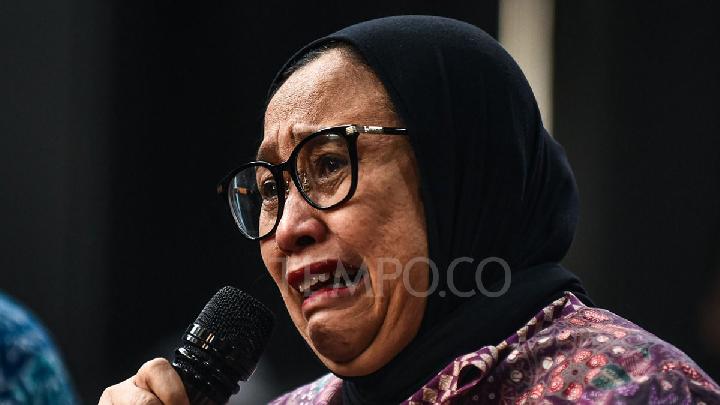
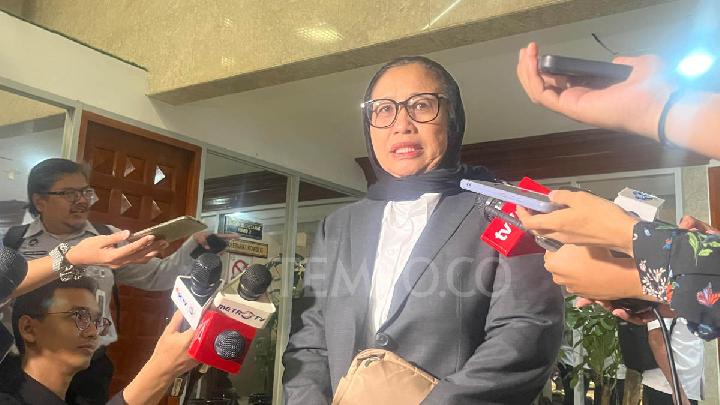
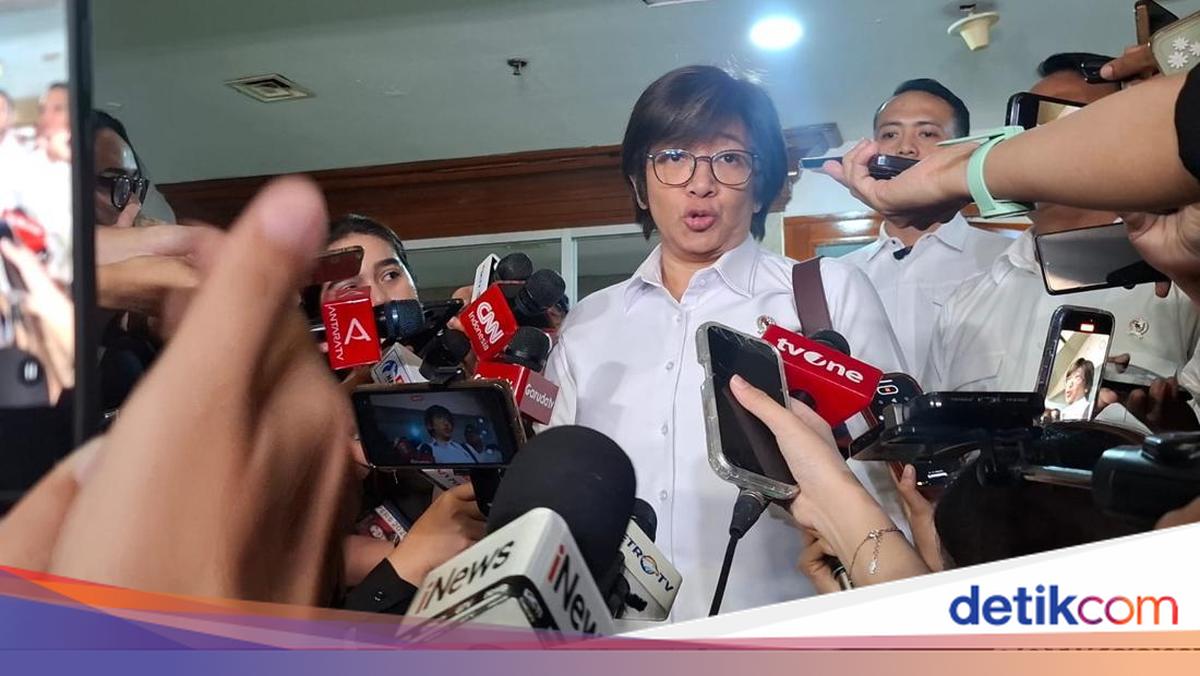
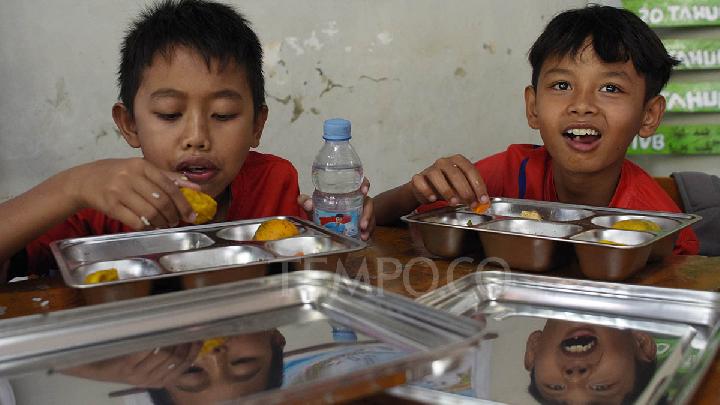
TEMPO.CO, Jakarta - Indonesia's National Nutrition Agency (BGN) is shifting the focus of its Free Nutritious Meals (MBG) program from expanding beneficiary numbers to improving service quality and targeting nutritional interventions more effectively.BGN Head Nanik Sudaryati Deyang said the agency will no longer prioritize reaching the government's earlier target of 82 million beneficiaries this year, despite the program being one of President Prabowo Subianto's flagship initiatives.Speaking at a press conference at the BGN headquarters in Central Jakarta on Thursday, June 4, Nanik said the agency's new leadership had informed President Prabowo of its intention to emphasize quality over quantity."Yesterday, the three of us met with the President and conveyed that in 2025, we hope he will not focus on quantity. We want to improve the quality of the program," Nanik said.She explained that the policy shift is part of broader efforts to strengthen governance and improve budget efficiency within the agency. As a result, the program's success will no longer be measured primarily by the number of beneficiaries."We may no longer pursue the 82 million target. Instead, we want to focus on delivering nutritious meals and ensuring healthy kitchen operations," she said.BGN also plans to refine its beneficiary targeting to ensure resources are directed to those most in need. One option under consideration is reducing coverage in schools serving more affluent communities and reallocating funds to underserved areas."If there are expensive schools, we need to evaluate whether the MBG program is still necessary there. We would rather direct support to disadvantaged, remote, and frontier regions," Nanik said, referring to Indonesia's so-called 3T areas.According to Nanik, the new approach would allow the program to continue expanding while concentrating resources on groups facing the greatest risk of malnutrition. Priority recipients include residents in 3T regions and the so-called 3B group: pregnant women, breastfeeding mothers, and toddlers.She said the decision was based on consultations with pediatric health and nutrition experts regarding the populations most in need of nutritional support."The most effective nutritional intervention is from the first month of pregnancy until the age of nine, or through primary school. That is our target," Nanik said.To support this objective, BGN now requires every Nutrition Fulfillment Service Unit (SPPG) to serve the 3B group. Facilities that fail to do so could face suspension."Every SPPG must serve pregnant women, breastfeeding mothers, and toddlers. Otherwise, we will suspend its operations. Thankfully, the results have been encouraging," she said.Nanik emphasized that the program's overarching goal remains improving the nutritional status of Indonesians. However, she argued that success should not be judged solely by the number of beneficiaries reached."The most important thing is ensuring the budget is well-targeted and that interventions are delivered to the right groups," she said.Read: BGN to Cap MBG Kitchens at Six per District