Academia
By prioritizing organizational strength over independent oversight, the new Police Law delivers mere administrative updates instead of genuine democratic reform.
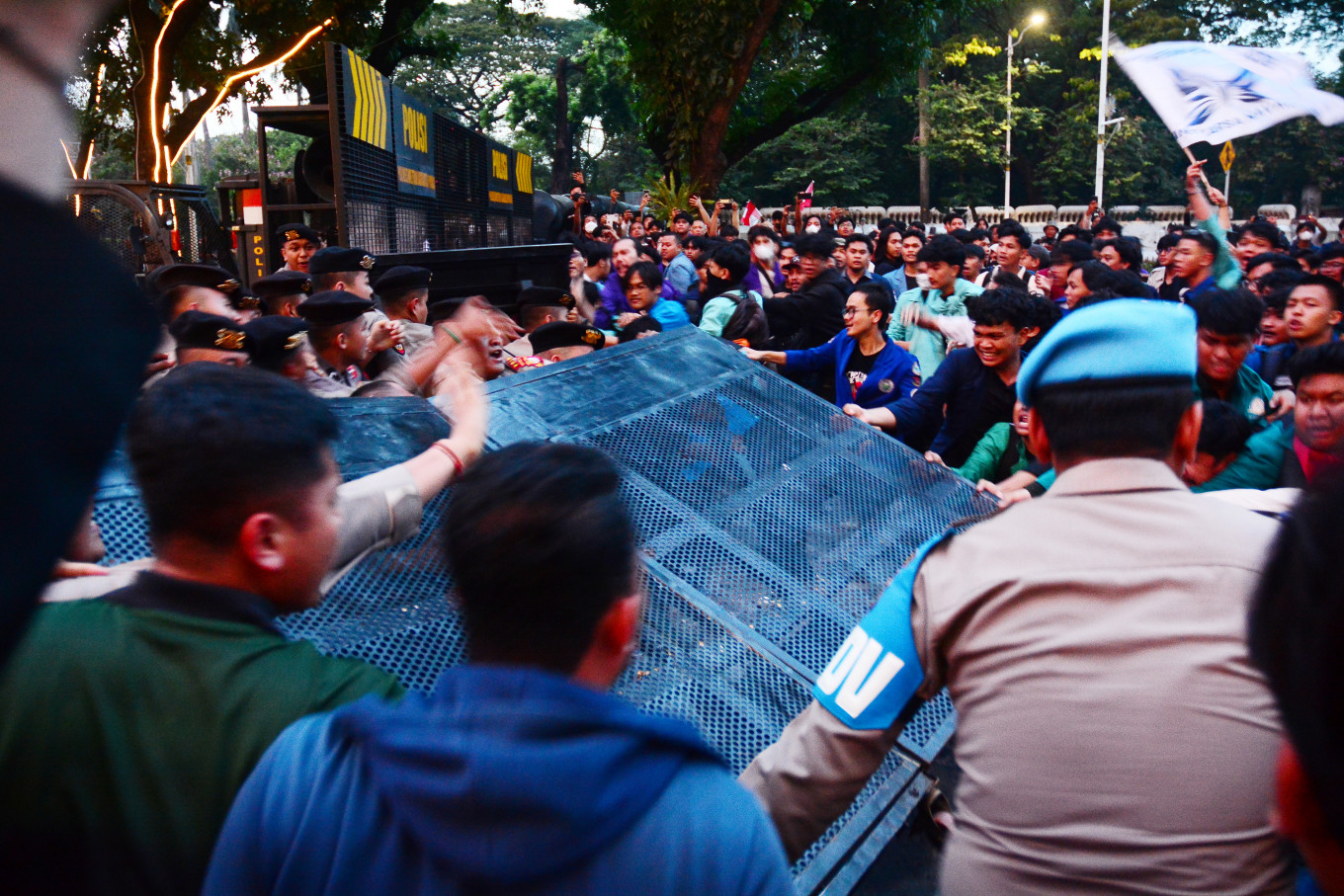
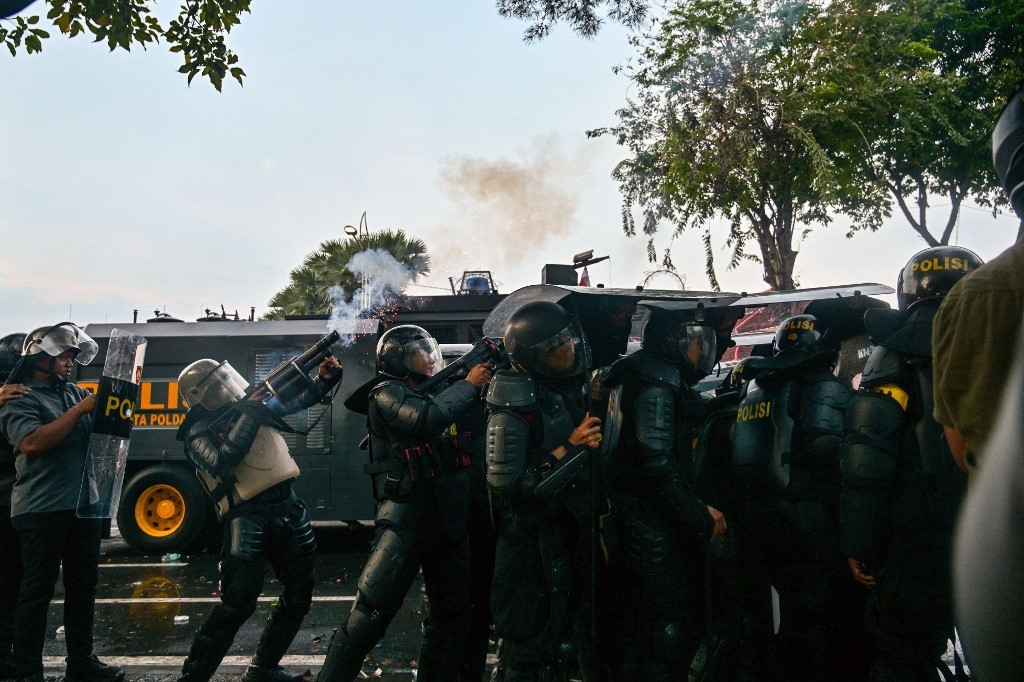
Police fire tear gas to disperse demonstrators during a protest against the Police Mobile Brigade (Brimob) in front of the East Java gubernatorial residence in Surabaya, East Java on Aug. 29, 2025, following the death of 21-year-old motorcycle transportation driver Affan Kurniawan, who was killed after being struck by a police tactical vehicle amid a protest against lavish allowances for lawmakers in Jakarta on Aug. 28. (AFP/Juni Kriswanto)
The passage of the revised Police Law this week should have been an opportunity to address one of the most persistent shortcomings of Indonesia’s democratic transition: the lack of meaningful accountability over police power. Instead, the amendment largely reinforces the institution while leaving its most fundamental problems unresolved.Nearly three decades after the separation of the police from the military, police reform remains one of the unfinished agendas of the Reform Era. The challenge facing Indonesia today is no longer how to build a modern police organization, but how to ensure that police powers are effectively constrained, supervised, and made accountable to the public. The latest amendment, however, reflects a different set of priorities.