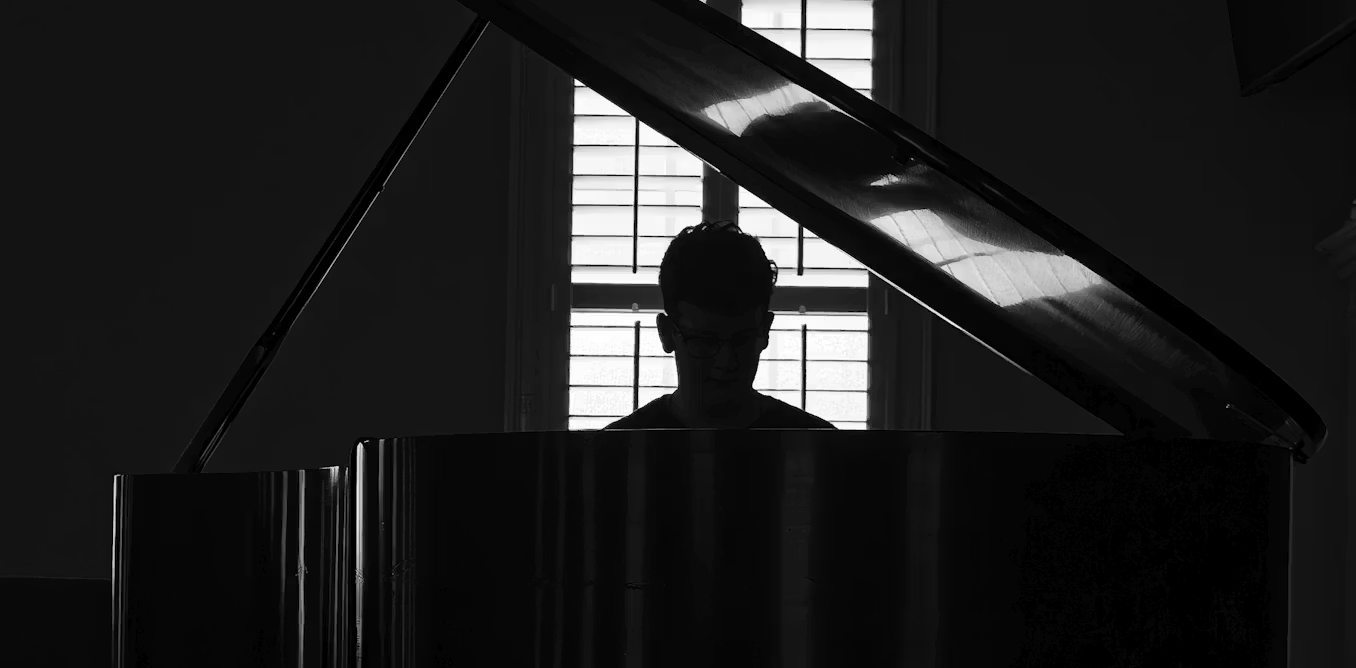
When I interviewed a man I will call Charles as part of my research on classical music and abuse in South Africa, he shared a poem with me. He’d written it when he was studying music at university in South Africa.
it is madness / this building / with its windows / cold and closed / so that not even the stale air can escape … with its countless doors / their iron locks and tiny square portholes…
You might think the writer was describing a prison or an asylum built centuries ago for those deemed unfit to live in “normal” society; not a university music department.
Charles told me that he was suicidal for much of this period and that he self-harmed. Queer, brown, gifted, and the first in his family to attend university, he’s the kind of student who might have excelled in post-apartheid South Africa. Yet he dropped out before he could complete his music studies.
When I asked him why, he said he’d been forced to “juggle” multiple traumas. In his university residence, he experienced racial abuse. At the same time, the musical world that had once given him a sense of belonging became a place of isolation, even incarceration. He described feeling trapped between his love of classical music and the reality of studying in an environment where he did not feel he belonged.