As South African libraries face neglect and decay, a silent crisis threatens democracy and knowledge. The writer asks if society is prepared to confront the urgent need for revitalisation and reform of libraries.
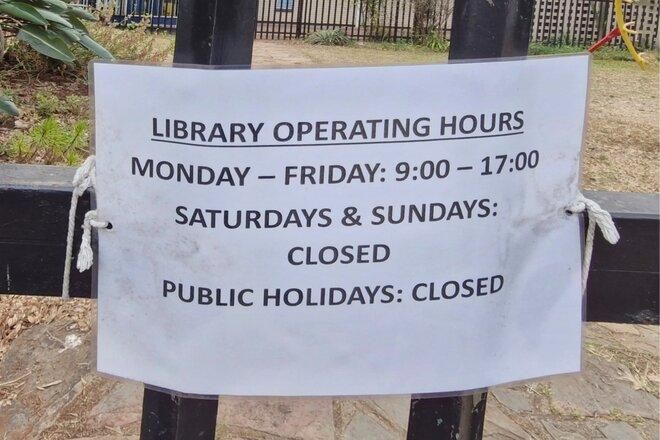
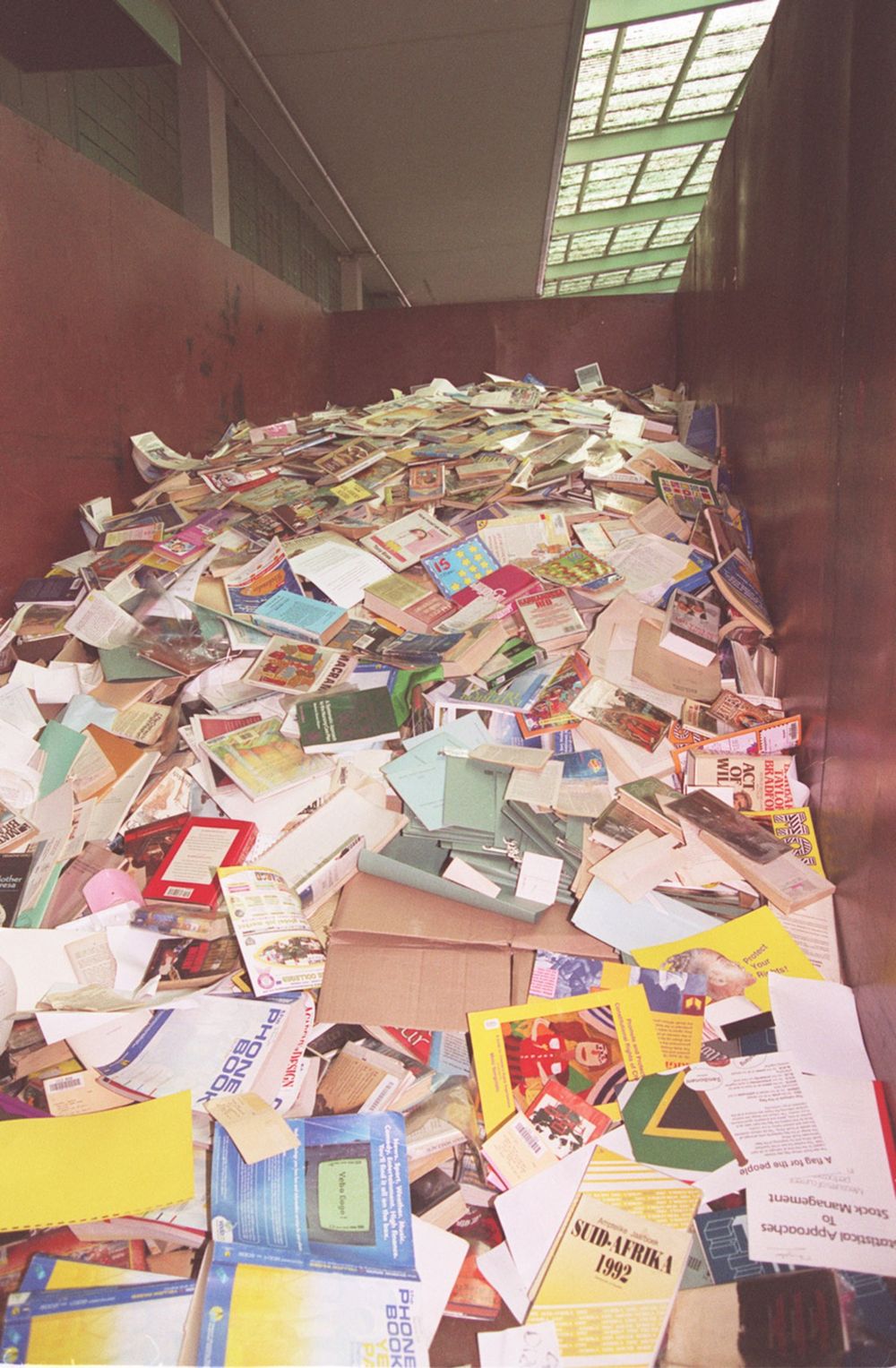
In recent research travelogues of the Eastern Cape, a colleague and Urban Planner, Professor Alan Mabin, shared through the aegis of Facebook his sincere concerns about the poor overall state of the Municipal Library at Gqeberha where 40 years ago he spent considerable time in researching for his doctoral thesis. The infrastructure, governance and service delivery collapse of the library ecosystem at Gqeberha, though, is not unique. It reverberates throughout South Africa.
In every democratic society, libraries stand as quiet but powerful symbols of civilisation, memory, and intellectual freedom. They are among the few public institutions that ask nothing of citizens except curiosity and a willingness to learn. In South Africa, however, libraries increasingly stand neglected, underfunded, and, in some instances, deliberately diminished. This is not merely an administrative failure. It is a national crisis that speaks to how we value knowledge, history, and the future of our democracy. Libraries, whether in municipalities or universities, are national public assets and must be treated as such.