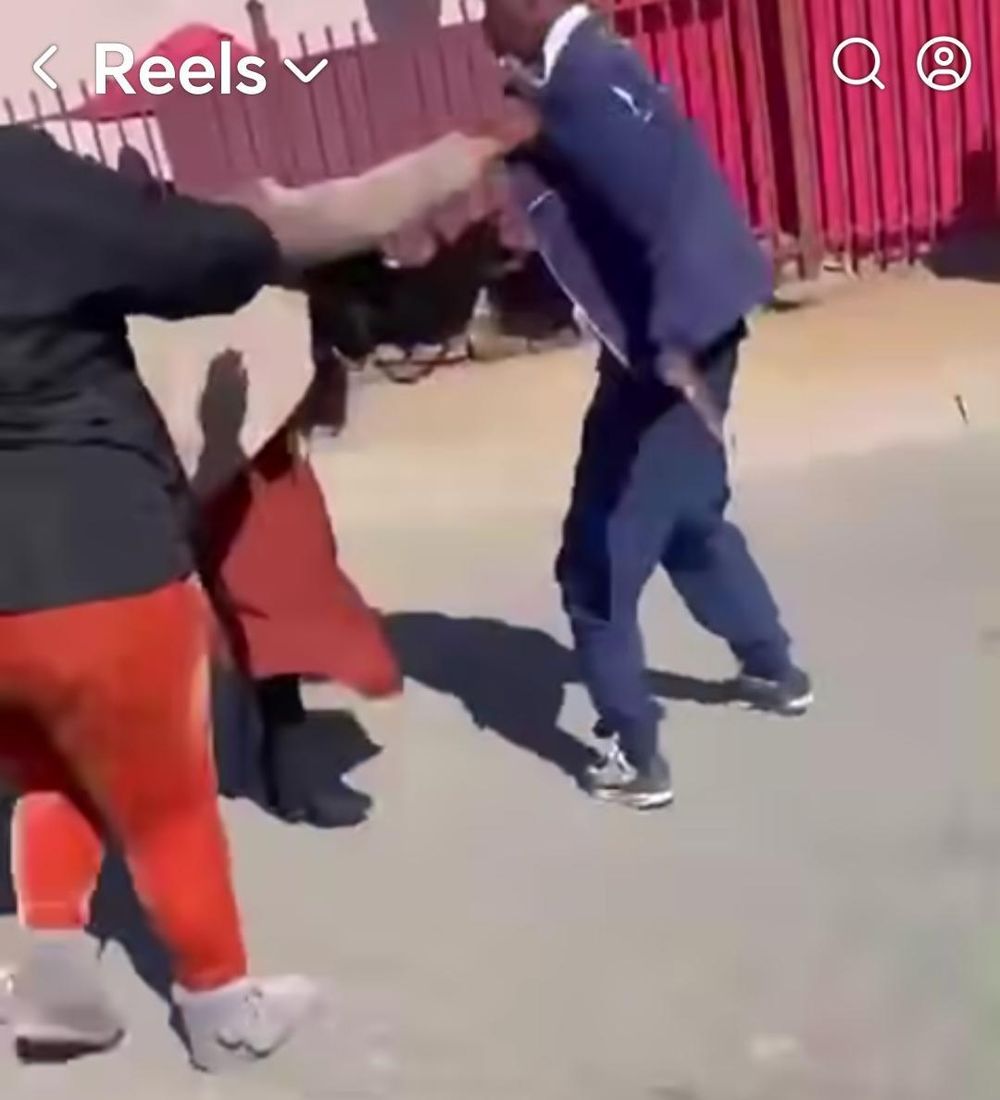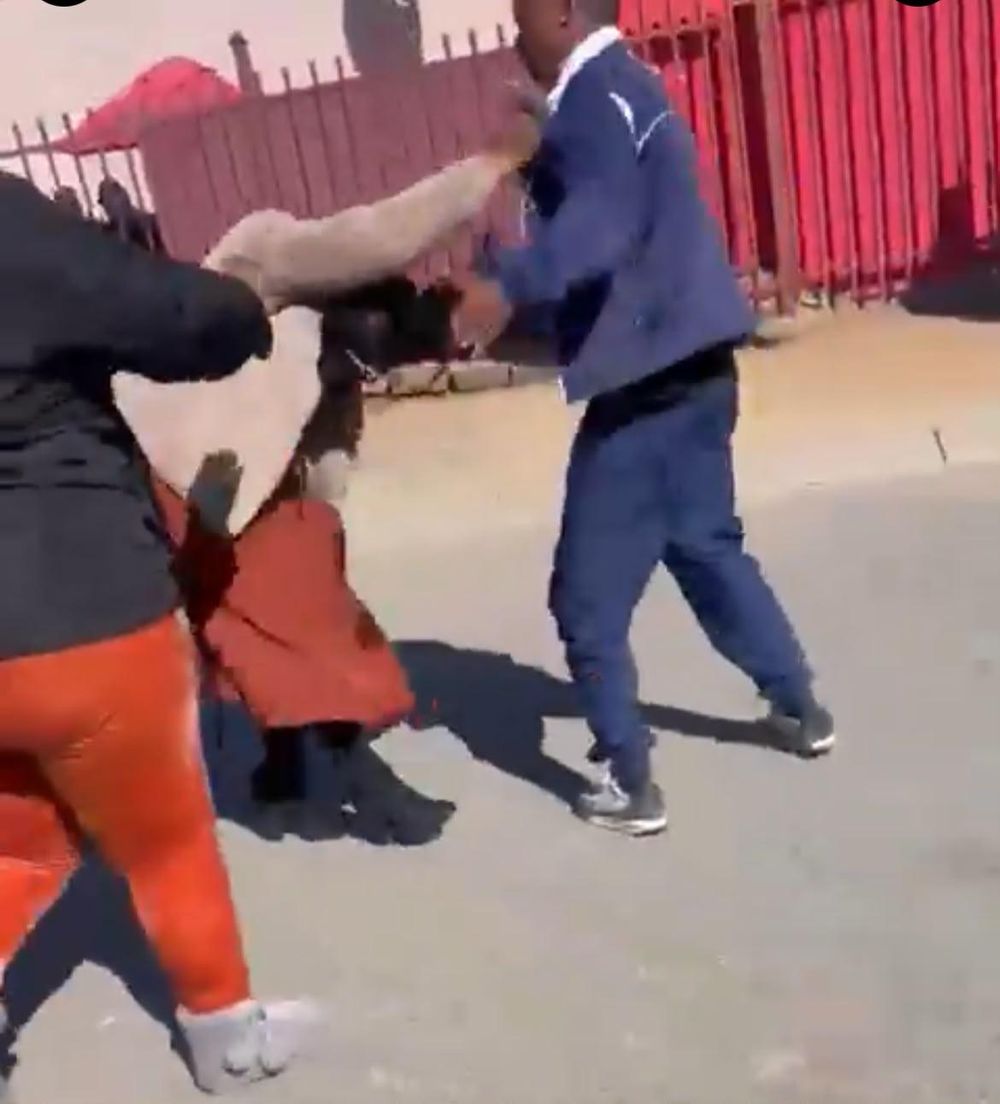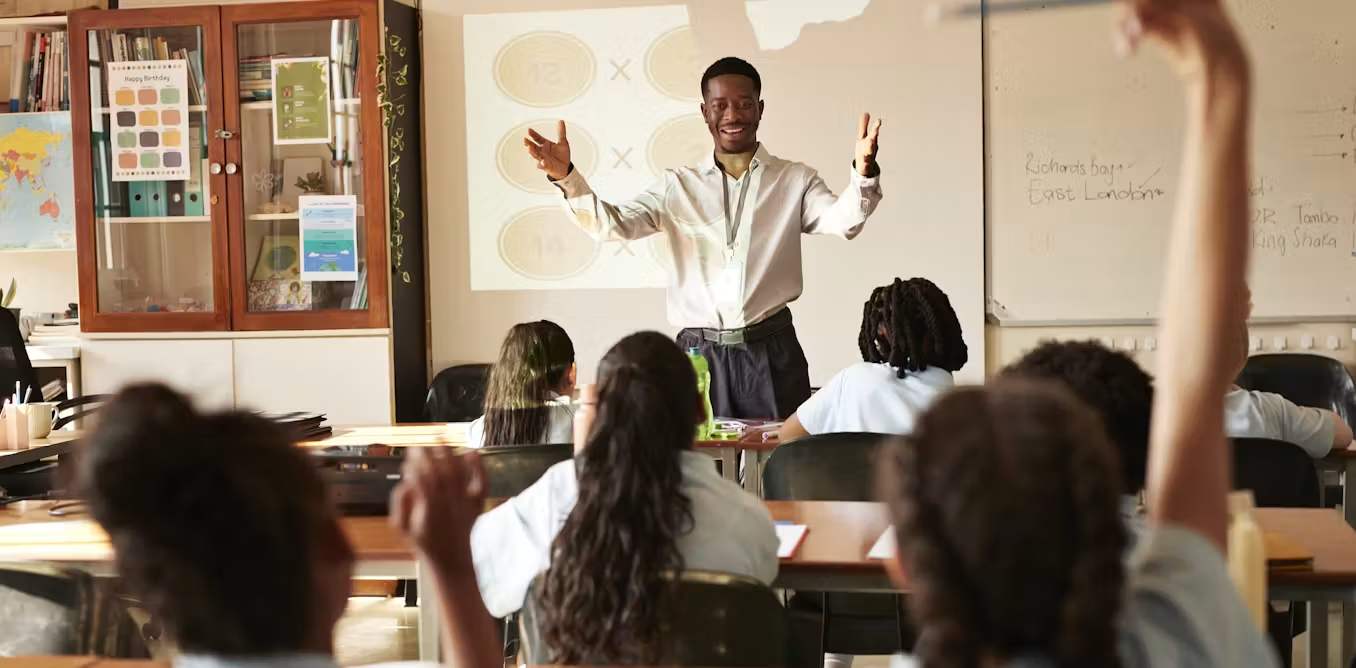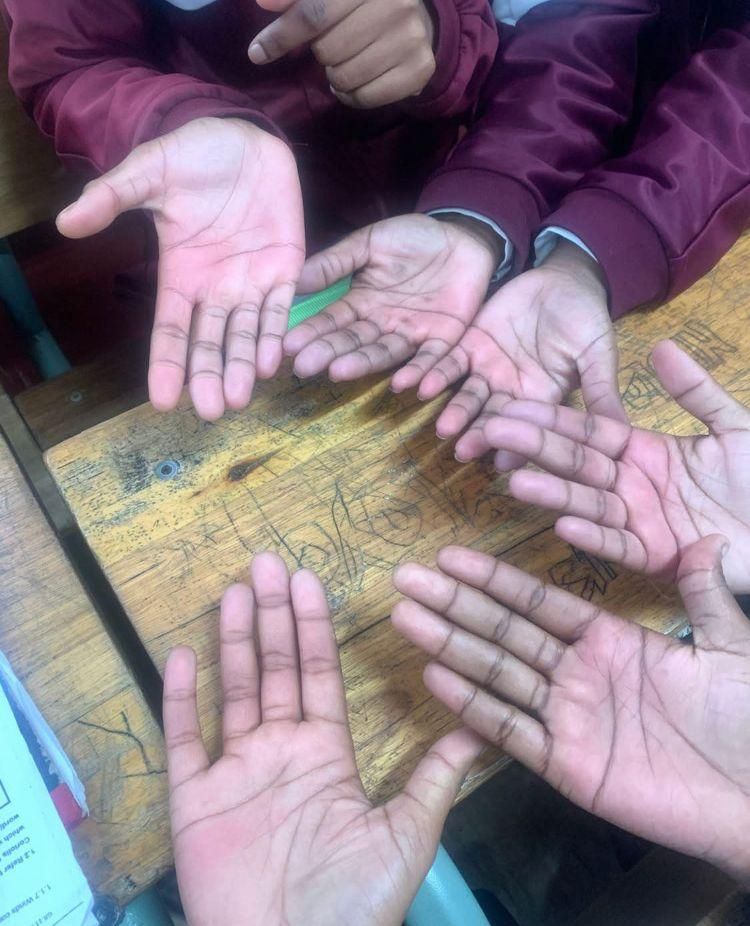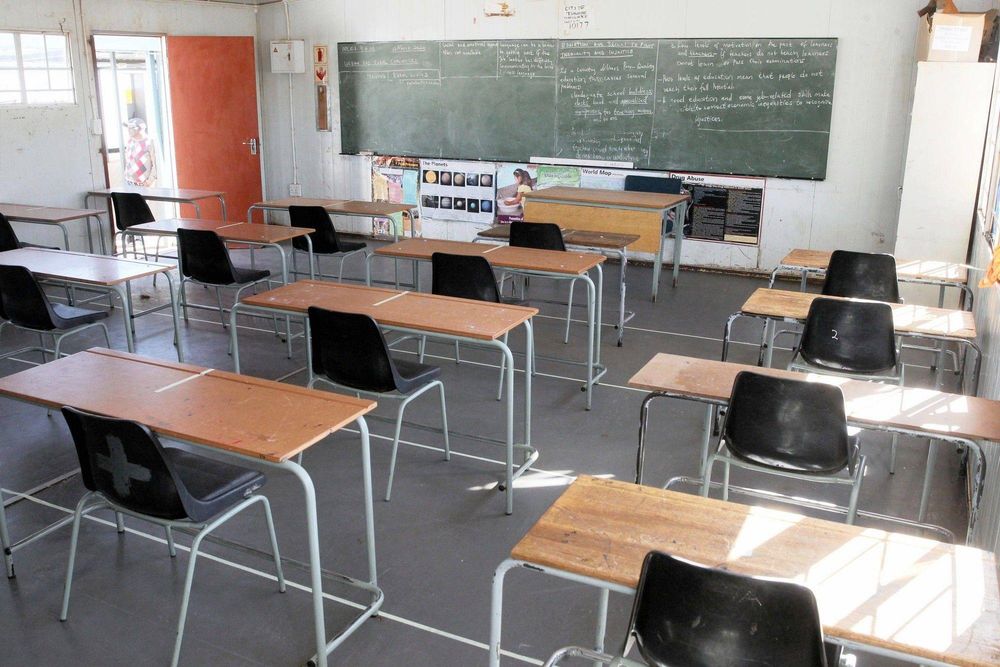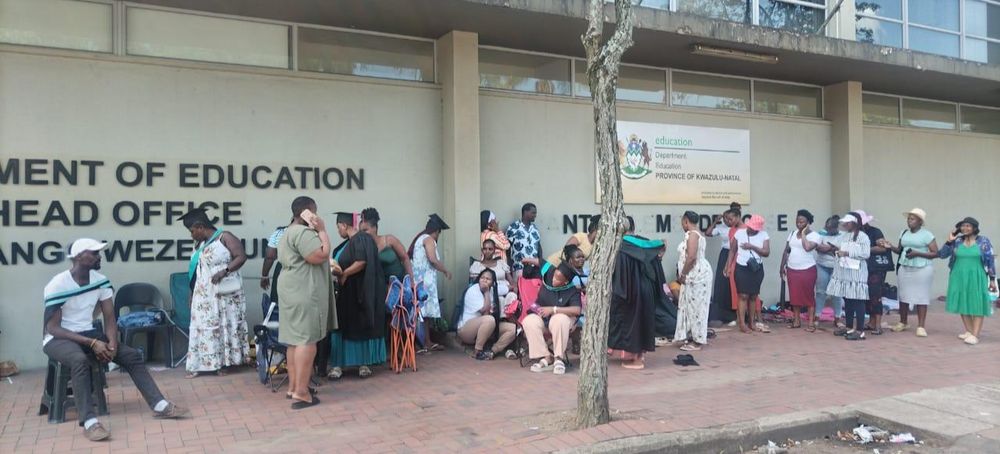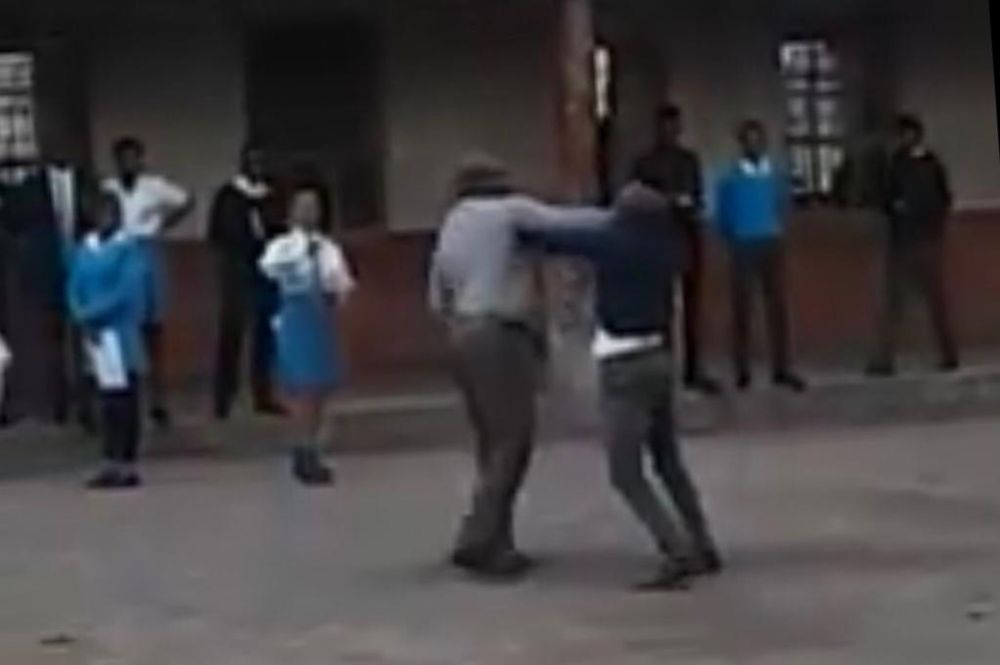
A teacher at a high school in Hammarsdale, just outside of Durban, had laid a charge of assault against a 20-year-old pupil after a video of the pupil attacking him with his fists on the school grounds went viral on social media.
IN SOUTH Africa, violence against teachers can be described as a societal wound that expresses itself in classrooms, reflecting decades of inequality, unprocessed collective trauma, the collapse of community cohesion, and a disciplinary vacuum left unfilled since the ban on corporal punishment.
The incidents of physical violence against school teachers are becoming increasingly widespread. Since January 2025, South African schools have reported over 50 incidents of pupil assaults on teachers, raising concerns about classroom safety and discipline.
Recent research has shown that more and more teachers are experiencing some form of violence, ranging from being verbally abused to having objects thrown at them. Sadly, research also indicates that a large number of teachers wished to leave the profession, with pupil behavioural issues, indiscipline, and teacher intimidation as key push factors.
Physical violence usually gets quick media attention, followed by public outcry, and the narrative is usually that it is a phenomenon that only occurs in poor townships and no-fee schools. While these contexts present particular social and economic challenges, we have to acknowledge that aggressive, violent behaviour in its various forms (physical and verbal) is common in almost all schools in the country.