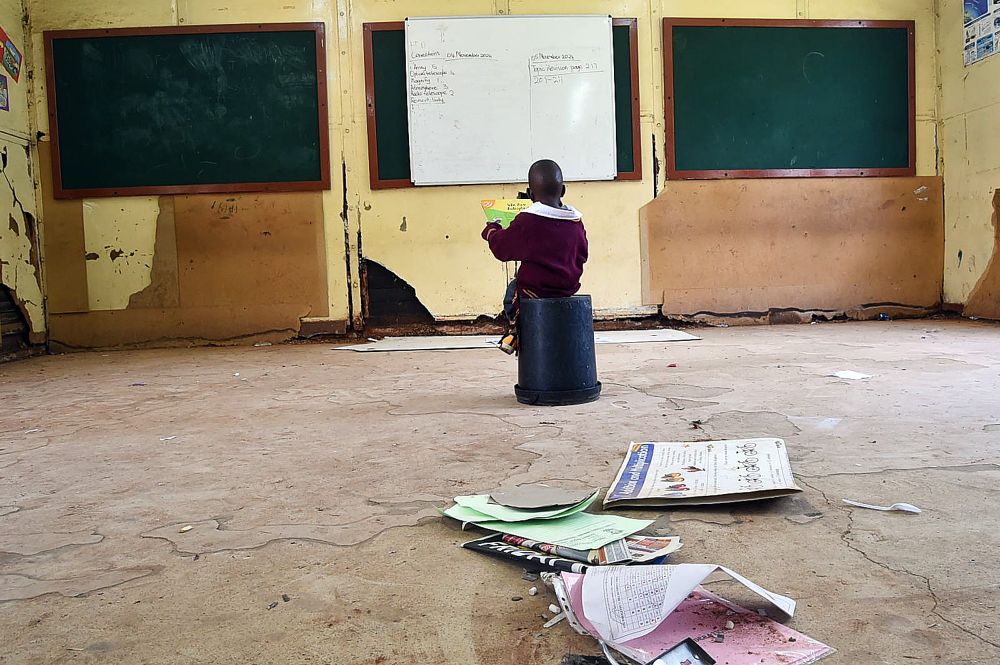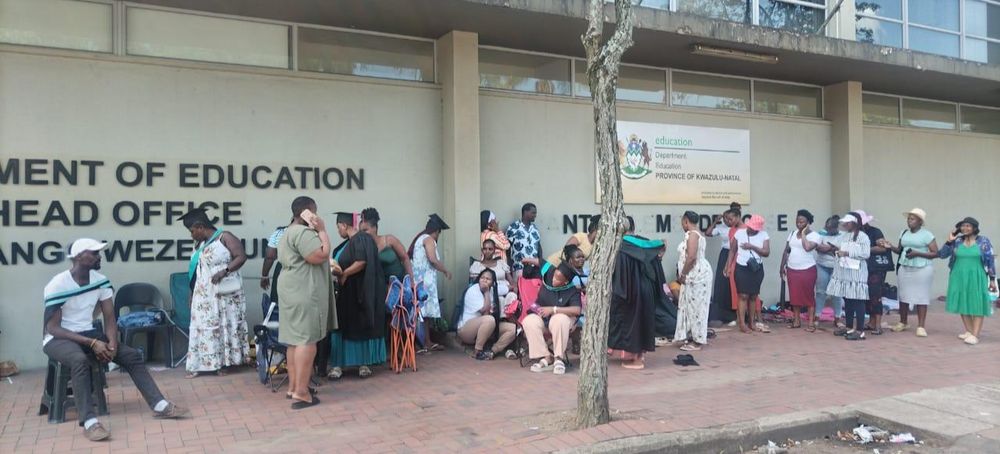
Some of the unemployed teachers who staged a sit-in at the KwaZulu-Natal Department of Education head office in Pietermaritzburg. One teacher, from KwaMashu, who was part of the sit-in, alleged that unemployed teachers were being told to pay R30 000 to secure teaching posts.
AN UNFORTUNATE feature of post-colonial societies like South Africa is that much of the apartheid-era wrongdoings and corrupt practices have carried with ease into the new democracy. Yet it was precisely apartheid’s discriminatory and prejudicial practices that we fought to dismantle, with many South Africans even sacrificing their lives for this noble cause. The recent revelations about the sale of teaching posts by senior officials have raised concern, yet the uncomfortable truth is that this is not a new phenomenon.
This practice of nepotism, cronyism and downright criminality with regard to new teaching appointments and promotion posts has been a longstanding malpractice that continues to threaten and weaken an already fragile education system. It does demand far more sustained public attention than the periodic scandal cycle it currently receives.
In 2016, a decade ago, the Ministerial Committee investigation into the sale of teaching and promotion posts, headed by esteemed Professor John Volmink, declared unequivocally that "undue influence", a euphemism for corruption, was rife and that it required stern and decisive political will to rid the system of this cancer. The increasing number of litigation cases after each year's promotion processes is a stark indication of the system's toxicity and, importantly, that the Volmink Report has largely fallen on deaf ears!