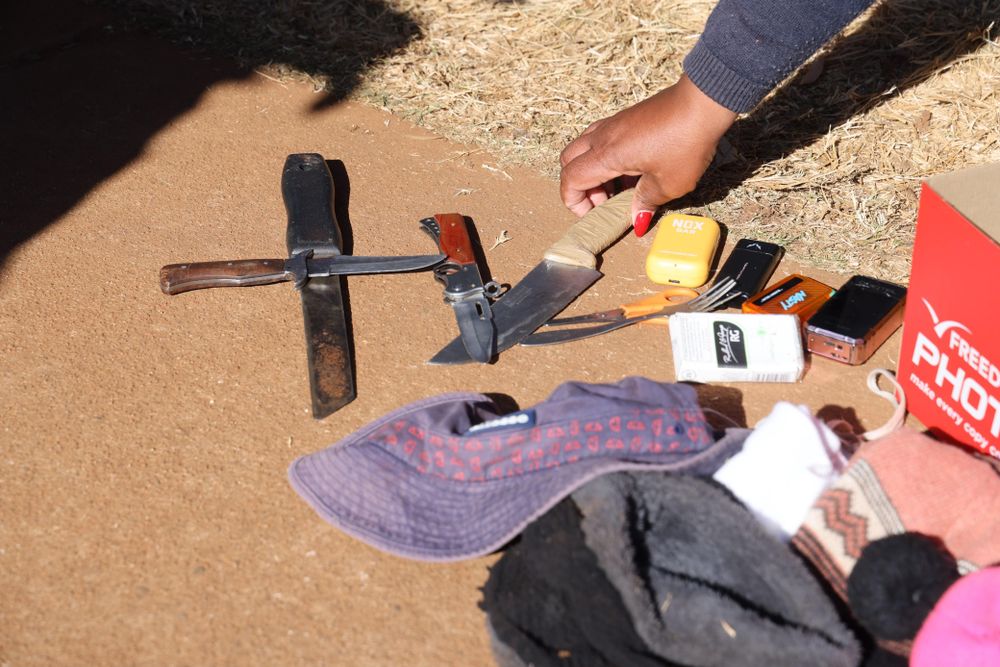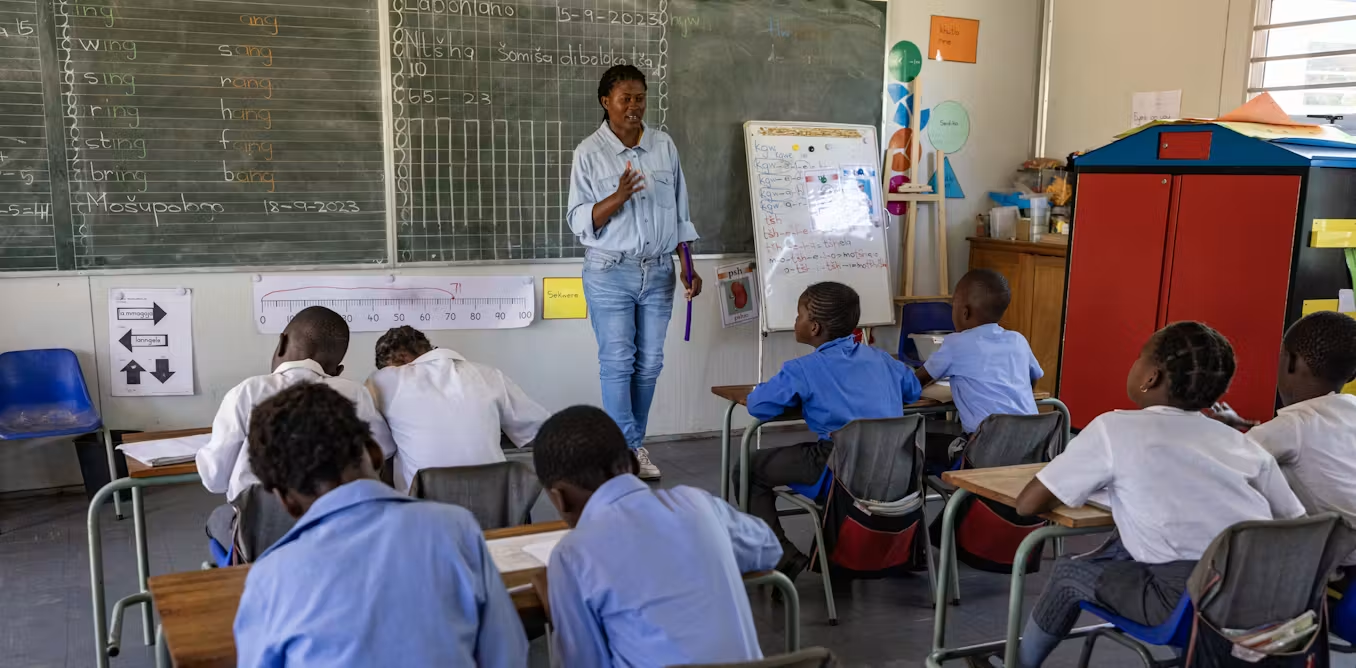
Bullying is a widespread global problem, with extensive research across countries showing that no school is immune. In South Africa, the scale is particularly concerning, with studies indicating that between a fifth and over half of learners have experienced or witnessed school violence.
This means many pre-service teachers will enter training having experienced bullying at school themselves.
Studies elsewhere have shown that experiences of bullying can foster empathy and intervention, but may also result in avoidance, helplessness or even aggression. That’s why it’s important to understand teachers’ beliefs and coping styles in addressing bullying.
One theory about learning, Social Learning Theory, posits that behaviour is learned through observation and imitation. This would suggest that bullying and aggression are shaped by experiences at home, school and society.
Pre-service teachers therefore start their training with pre-formed beliefs about how bullying is managed, based on what they have witnessed. However, behaviour is not determined by observation alone. The Theory of Planned Behaviour argues that individuals act when they feel motivated and confident. This implies that a person can do something to reduce bullying if they are supported by others.