South African teacher education qualifications are expected to comply with the Minimum Requirements for Teacher Education Qualifications. But evidence points to gaps in teacher competence and the quality of instruction. Many students who enrol for teaching at South African universities have lower grade 12 results than those studying other degrees. This means universities need to provide support and a good foundation for them to develop as teachers.
Zayd Waghid and Yohana William’s book Preparedness to Teach draws on research between 2015 and 2018 into pre-service teachers’ beliefs, motivations and professional identities, and offers some ideas (which Prof Waghid sets out here) about improving teacher training. Their study involved 324 student teachers – 212 in first year and 112 in fourth year – from two historically disadvantaged universities in South Africa. The research is still relevant today as it captured the formation and development of student teachers’ beliefs, motivations and professional identities over time.
What have you identified as the problems?
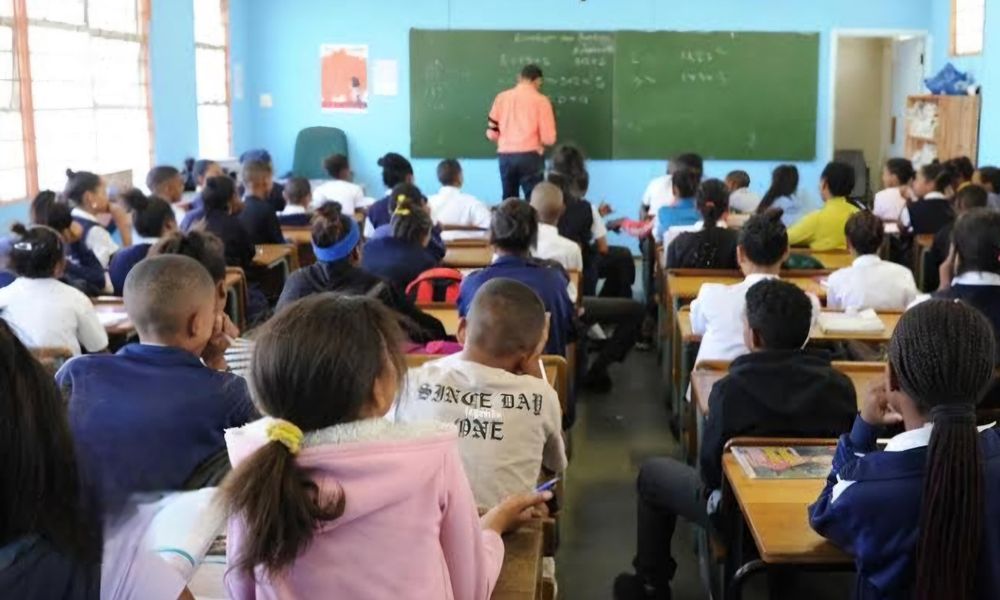
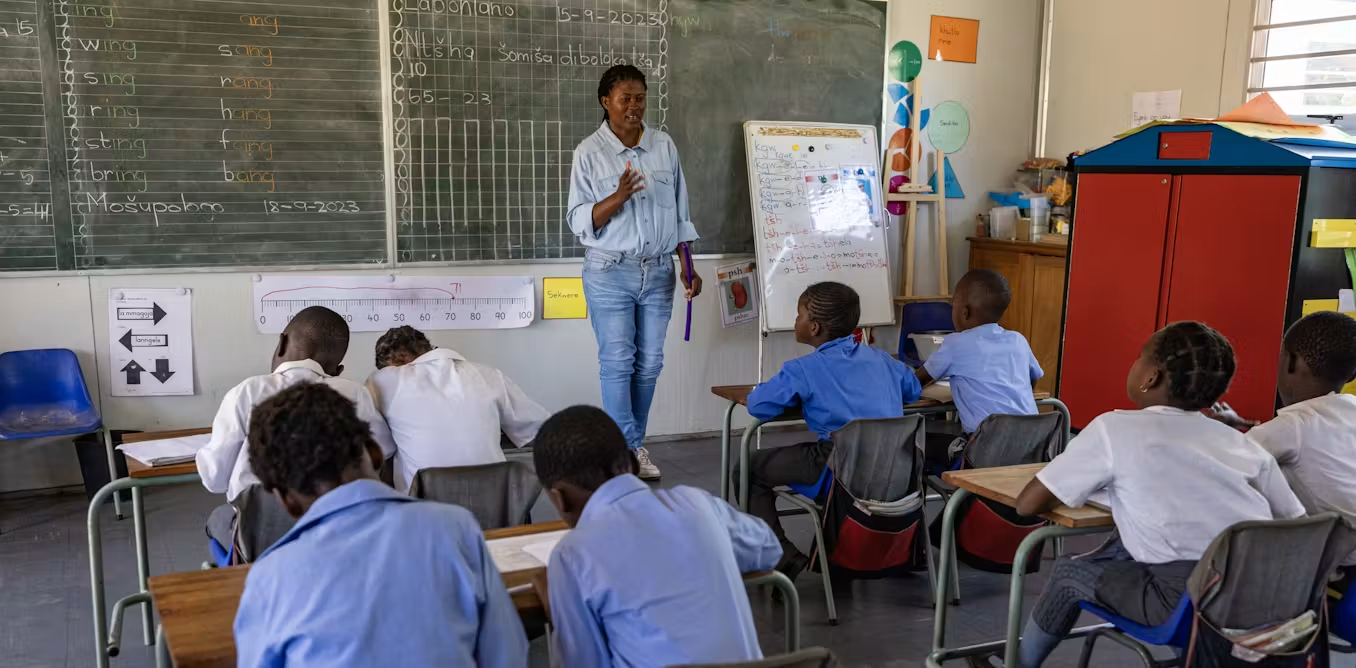
First, there is a persistent gap between the theoretical knowledge taught at universities and its practical application in schools. Teacher education curricula generally focus on what to teach, how to teach (including using basic tools), learning through teaching practice, and being aware of the conditions in schools. However, many student teachers still feel unprepared to deal with classroom realities and the wider societal conditions that shape teaching. This disconnect can leave them disempowered in schools.