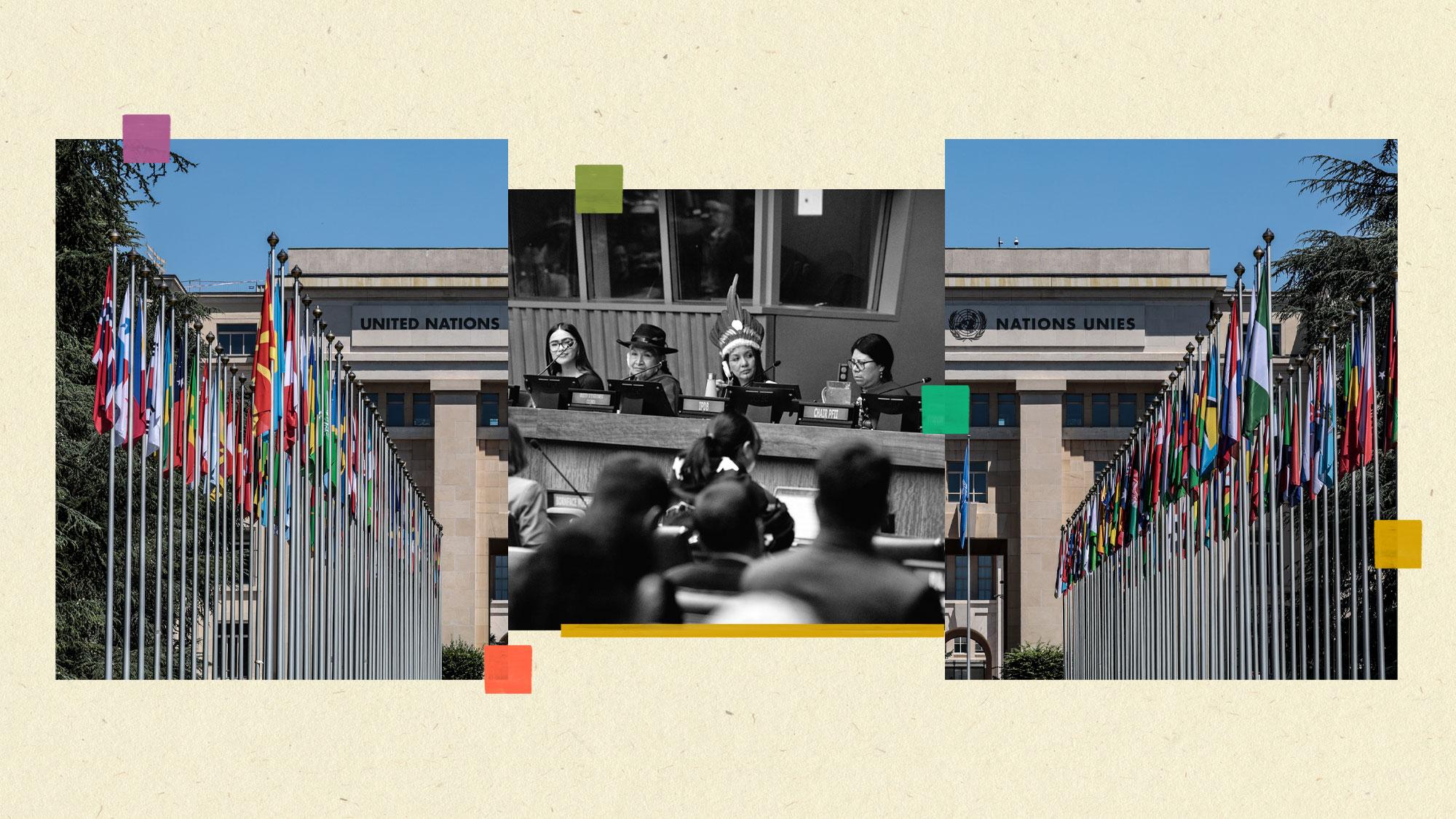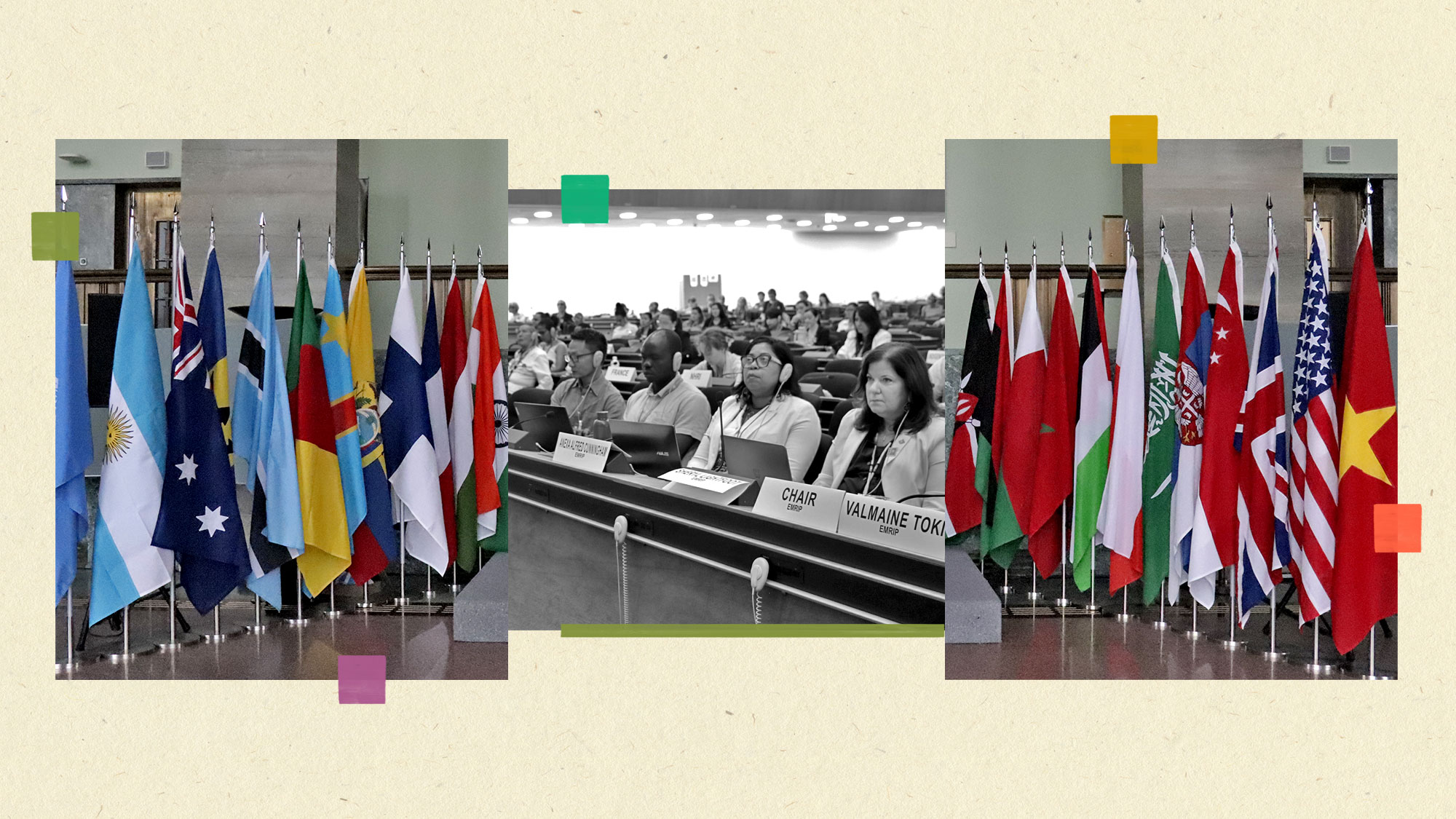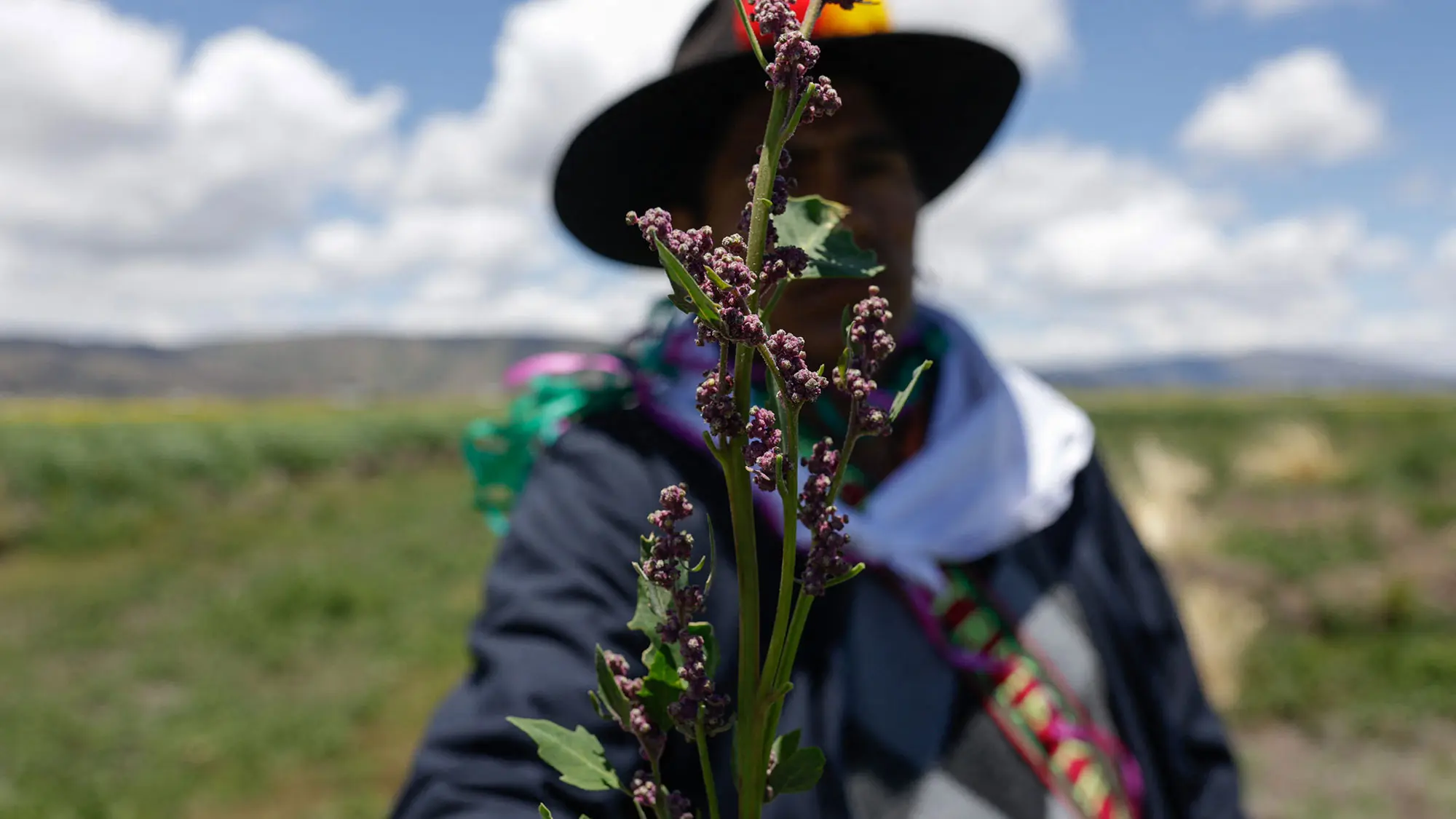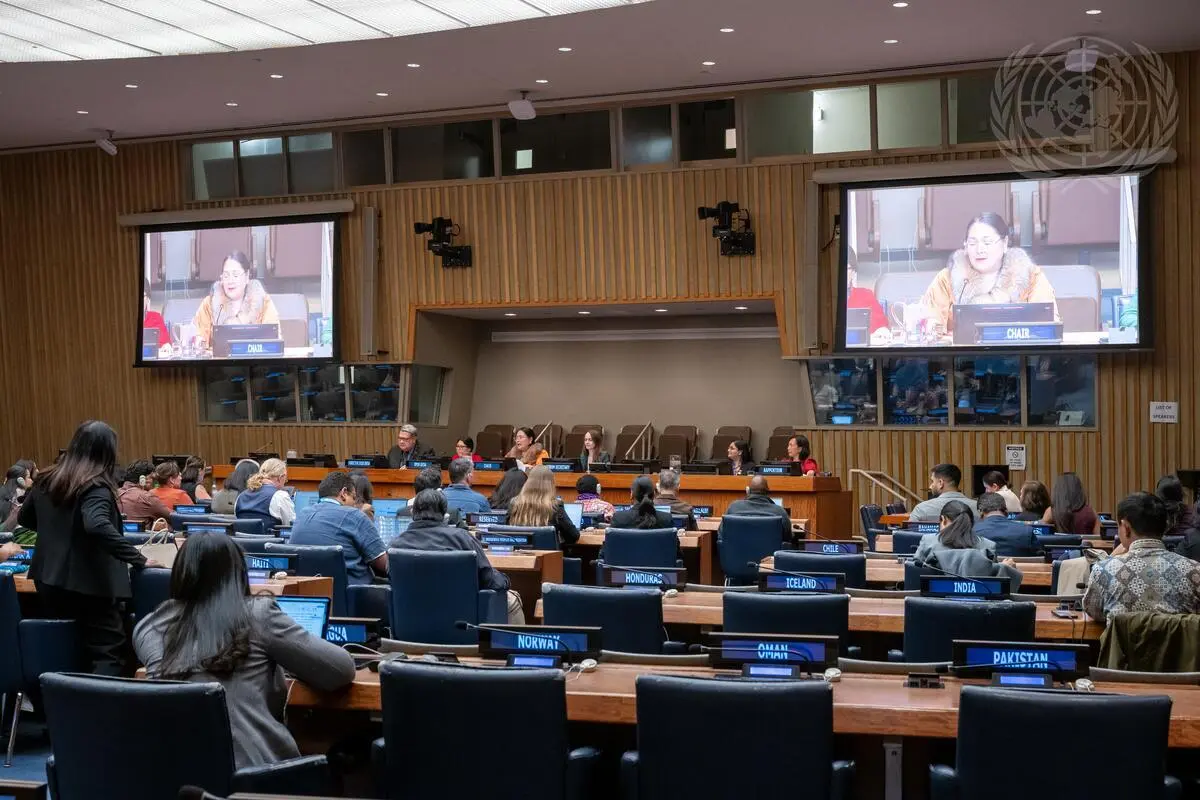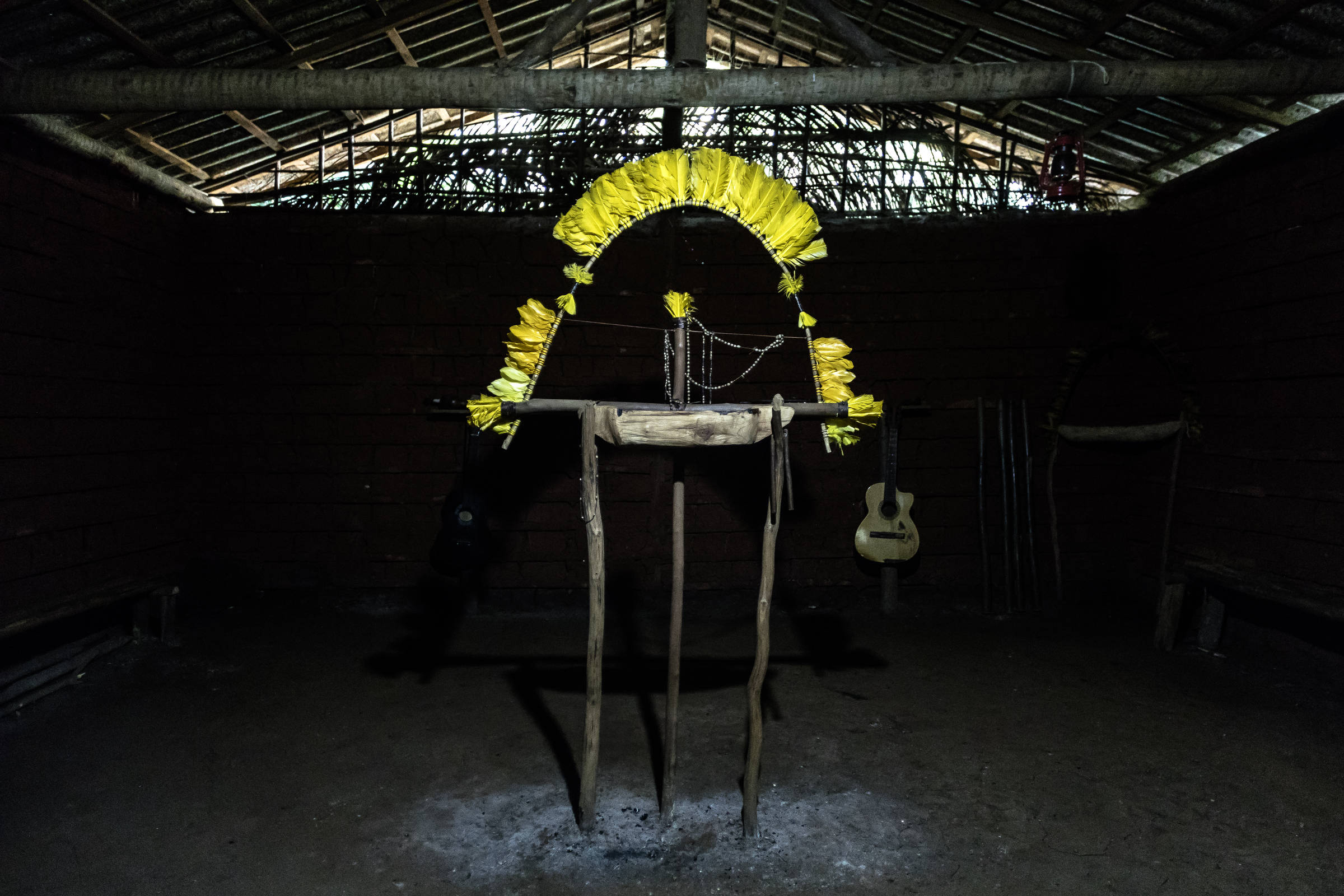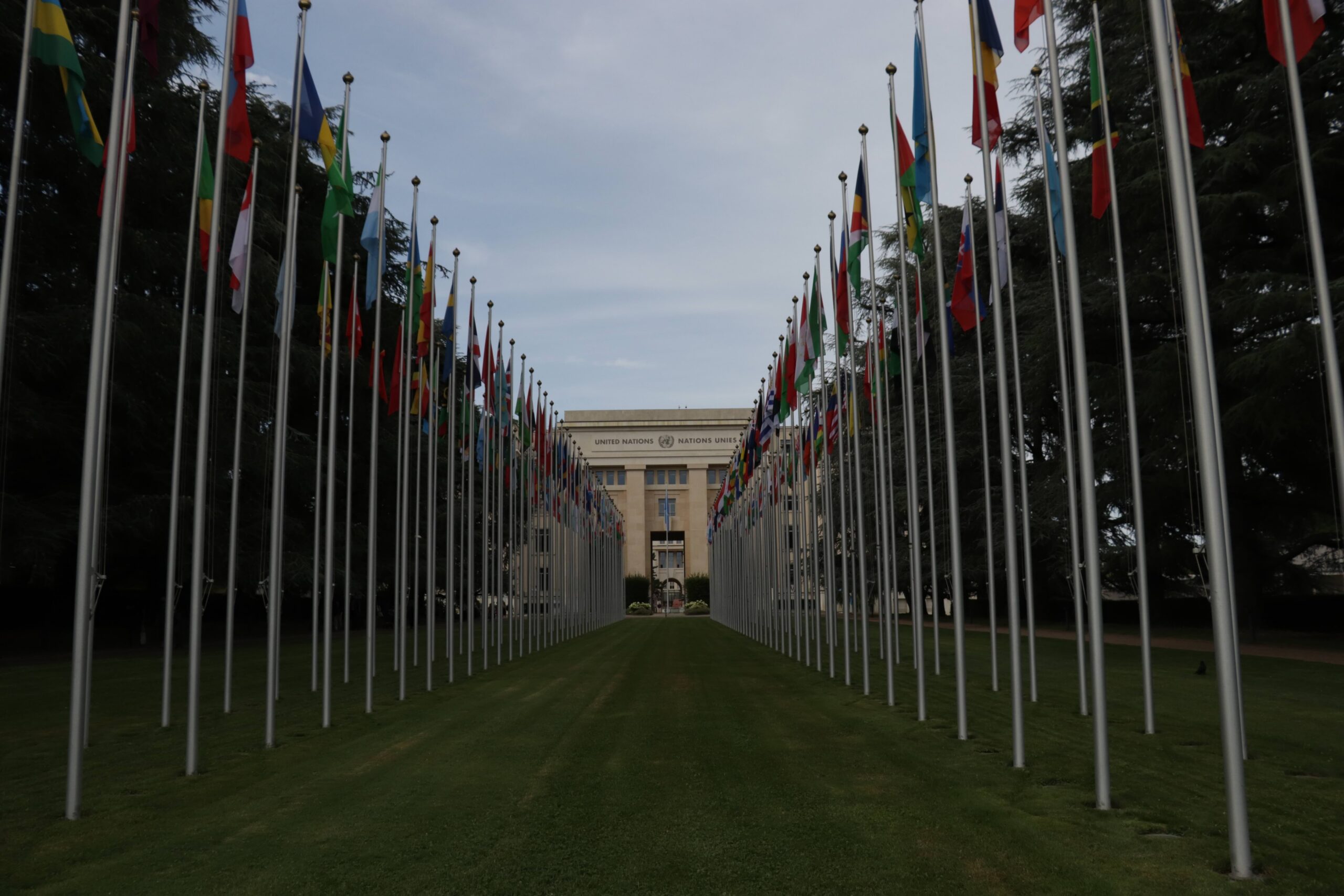
Indigenous peoples are experiencing the impacts of climate change, including threats to traditional livelihoods and cultural practices.Delegates at the UN Expert Mechanism on the Rights of Indigenous Peoples (EMRIP) argued that Indigenous Peoples need direct participation in international decision-making, independent accreditation, and greater resources to influence policies that affect their communities.Alongside climate change, delegates highlighted emerging issues such as artificial intelligence, land degradation, and resource extraction, emphasizing that Indigenous knowledge and self-determination are essential for protecting rights, cultures, and the environment.
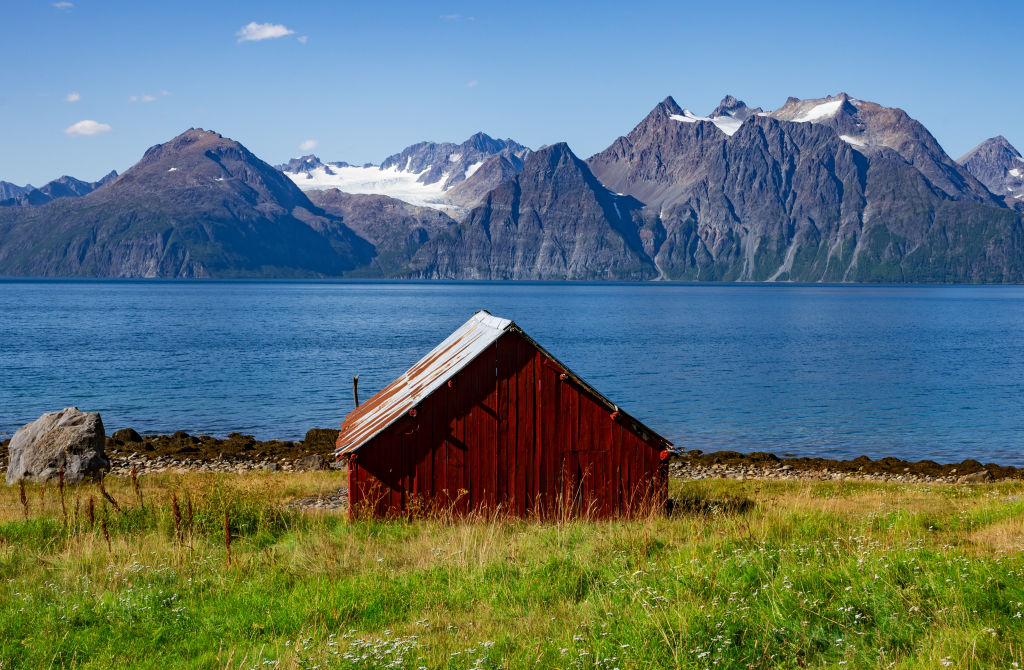
In Sápmi (northern Scandinavia), the Arctic is experiencing warming temperatures four times faster than the global average, disproportionately hurting the livelihoods and culture of the Sámi people — particularly their access to vital traditional natural resources such as reindeer and salmon.
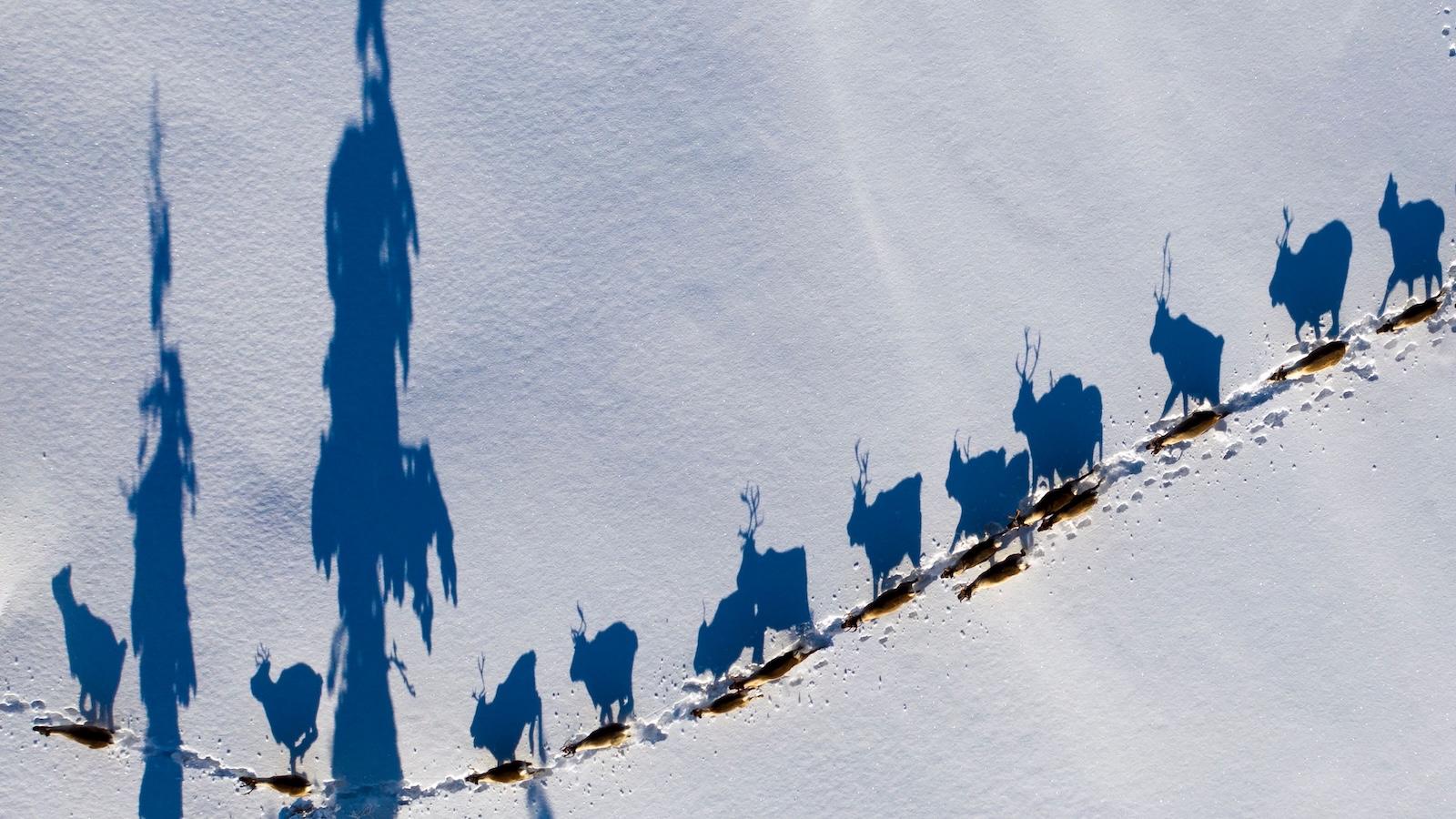
As temperatures warm, for example, snow is melting then refreezing at an accelerating rate — forming ice that prevents reindeer from reaching their food supply underneath. More and more of the species are starving as a result.
“Those impacts in nature are severe for our culture and livelihoods,” said Tuomas Aslak Juuso, vice president of the Sámediggi (Sámi Parliament) of “Finland,” in an interview.