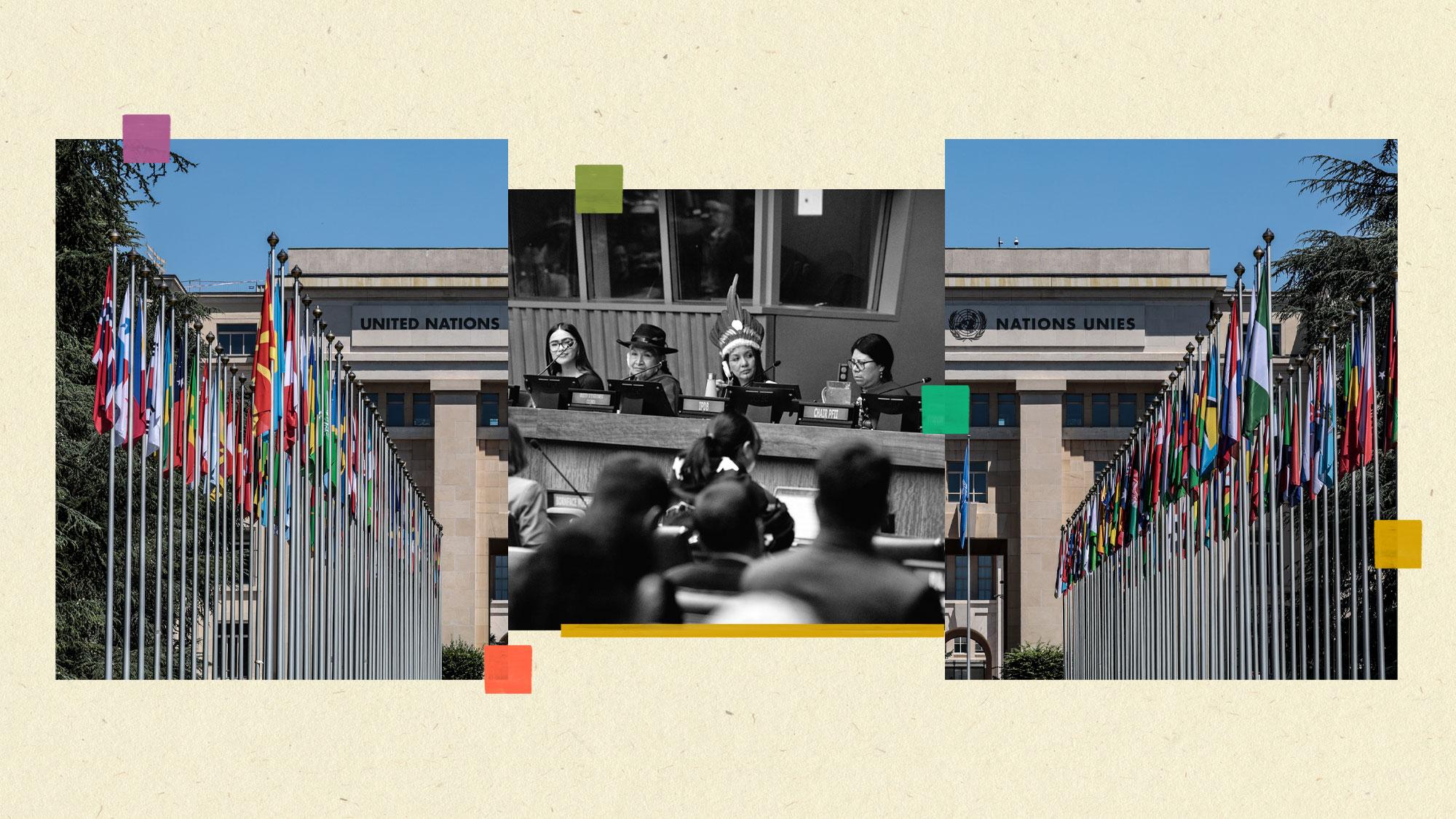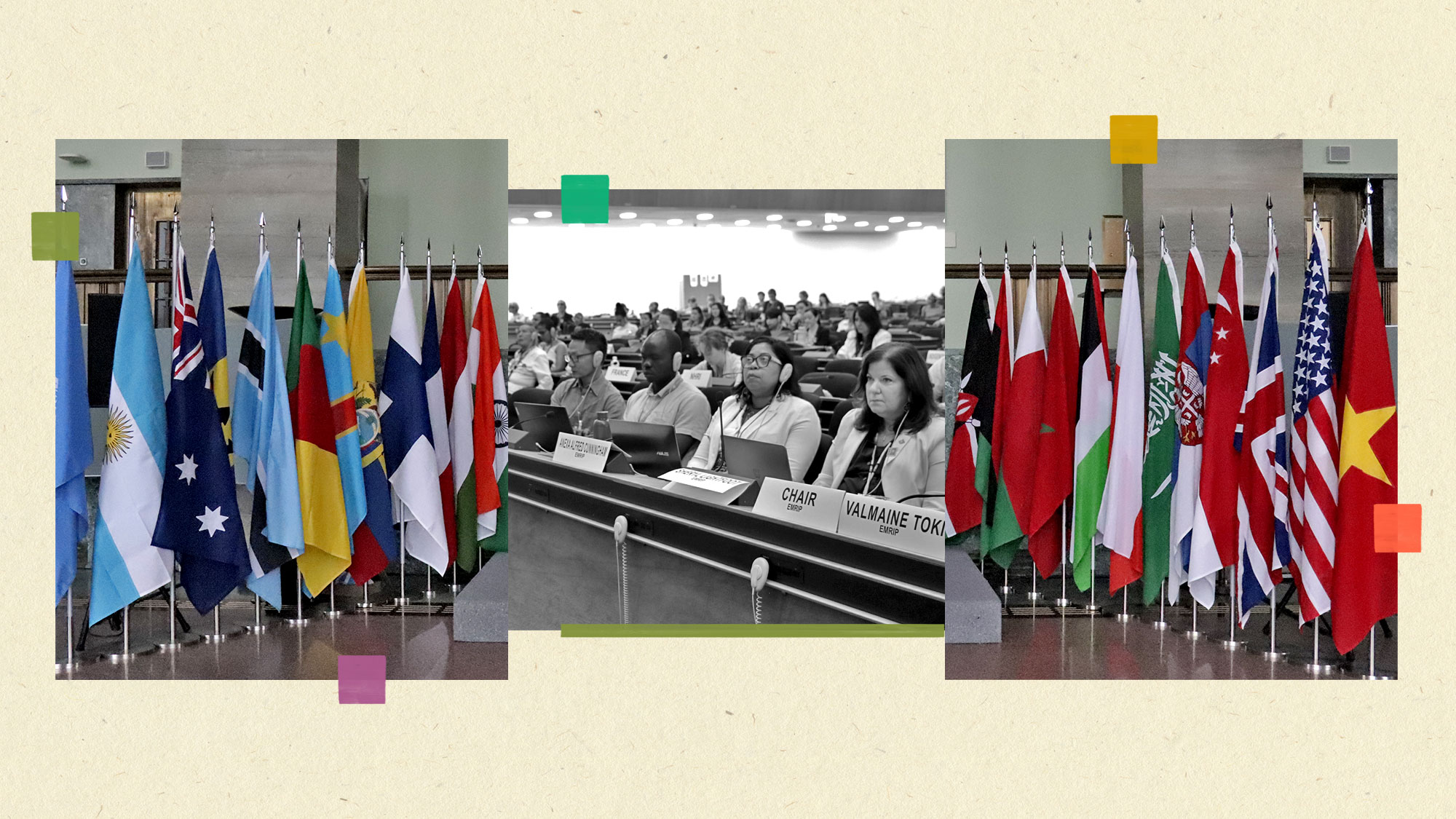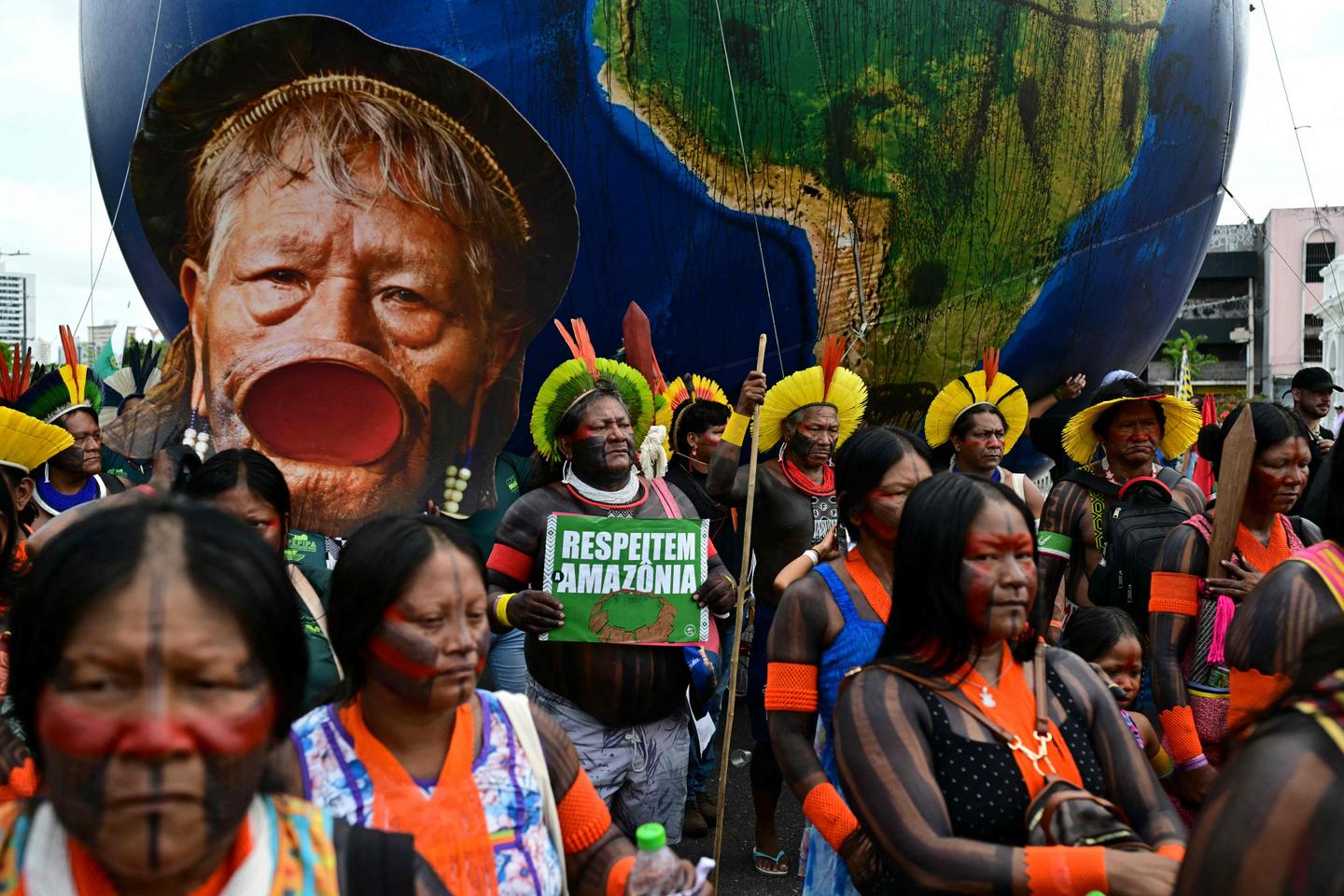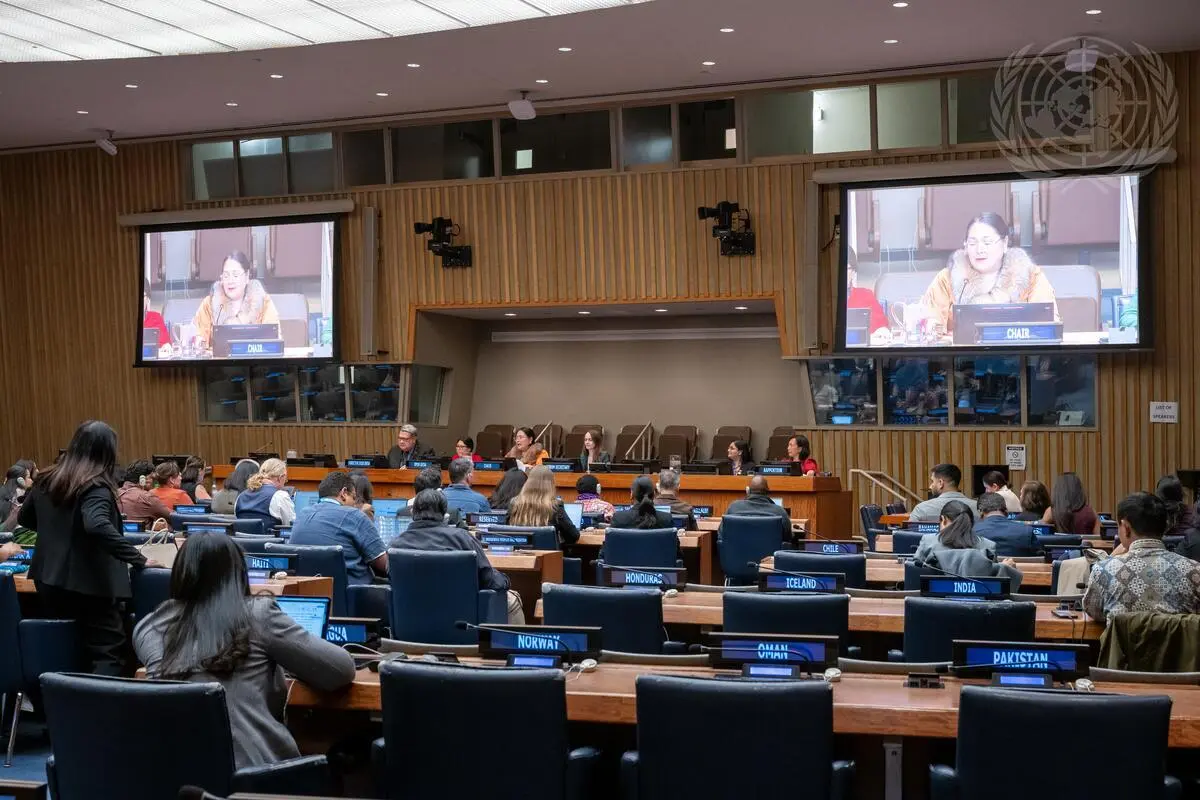
Last week, the U.N. Permanent Forum on Indigenous Issues released urgent calls to action, including a pause on fast-tracked critical mineral projects and increased funding for Indigenous climate projects. But those recommendations come as the Forum itself is facing an existential crisis.
For 25 years, the Forum has been the leading United Nations body representing Indigenous peoples, but that status has not always translated to policy change by member states or the U.N. itself. Growing questions about the Forum’s effectiveness also come amid budget cuts at the U.N., Trump’s rejection of multilateralism, and ongoing efforts to streamline U.N. processes. These intersecting challenges are all threatening to push the Forum, and the causes Indigenous representatives bring to it, even further toward the margins.
“For us, climate change is not a distant threat. It is a present and lived human rights crisis,” Aluki Kotierk, who is Inuk from Canada and current chairperson of the Permanent Forum, said Friday at the conclusion of the Forum’s two-week annual meeting in New York City.
The Forum’s recommendations reflect discussions and research conducted by hundreds of Indigenous delegates and experts over the past year. They join more than 1,000 recommendations issued by the Forum since it first began to meet, many of which Indigenous advocates deem critical to their survival. But state governments often blatantly ignore them.