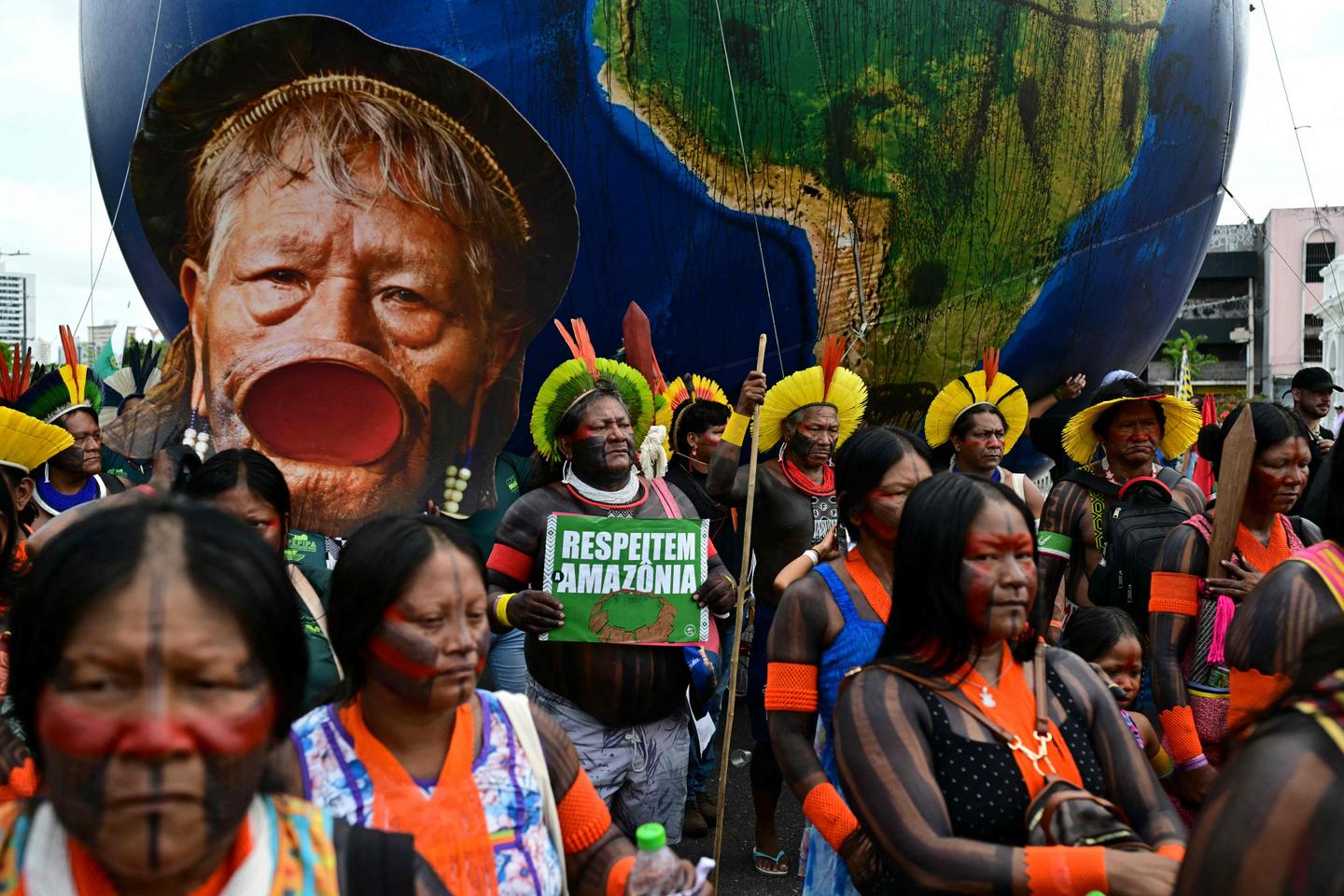
Although it’s been nearly 20 years since more than 100 countries adopted the United Nations Declaration on the Rights of Indigenous Peoples, the rights and lives of those it is meant to protect remain under constant threat from compounding crises. Indigenous lands are battered by record-breaking storms, dessicated by drought, and vanishing under rising seas. Amid these climate-driven threats, Indigenous peoples continue dying by the hundreds in wars and while defending their lands, even as they are persecuted by government officials.
“Climate change, militarization, extractivism, and legal marginalization reinforce one another,” said Binota Moy Dhamai, who is Tripura from the Chittagong Hill Tracts in Bangladesh, and a former chair of the United Nations Expert Mechanism on the Rights of Indigenous Peoples, or EMRIP.
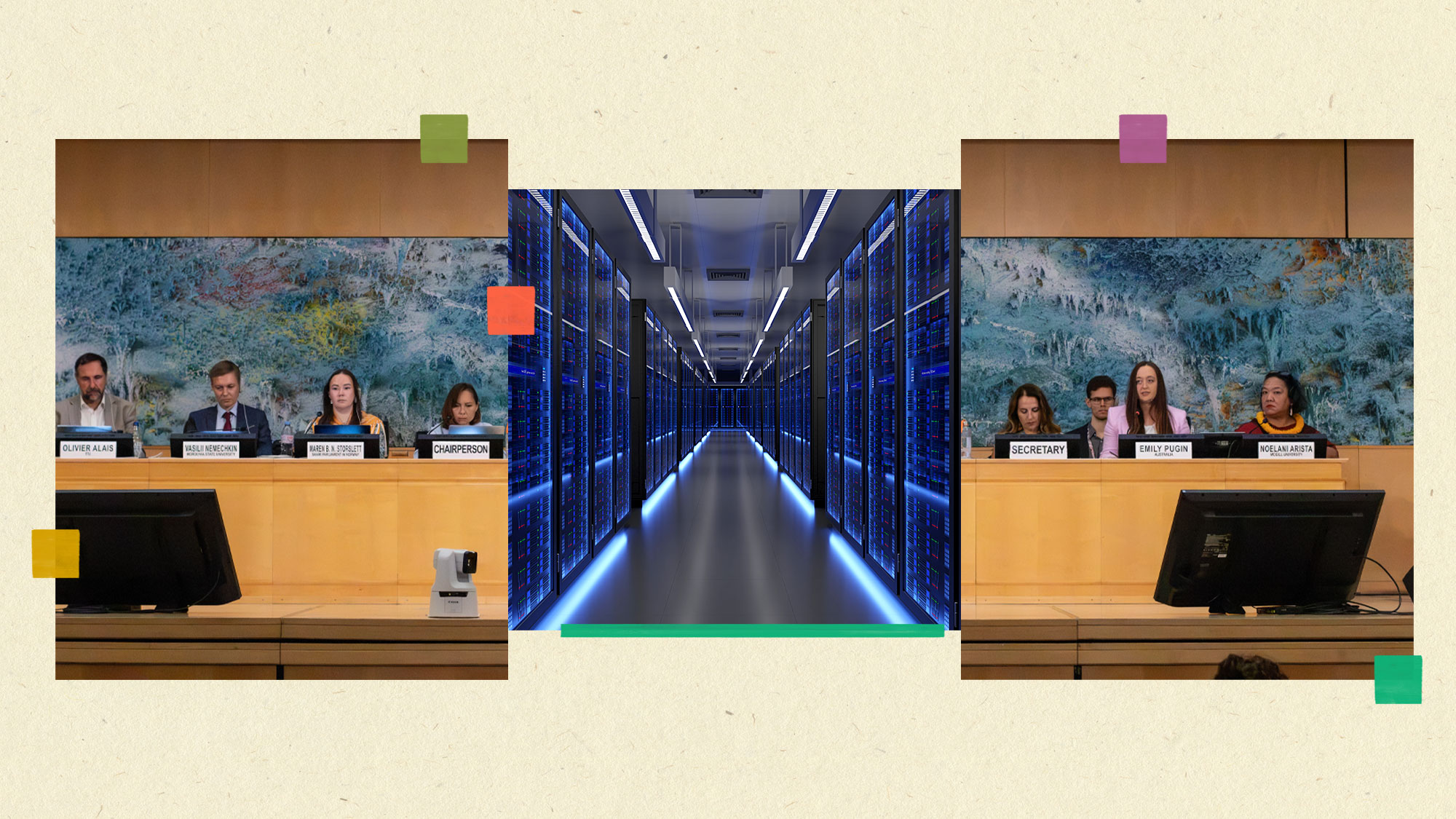
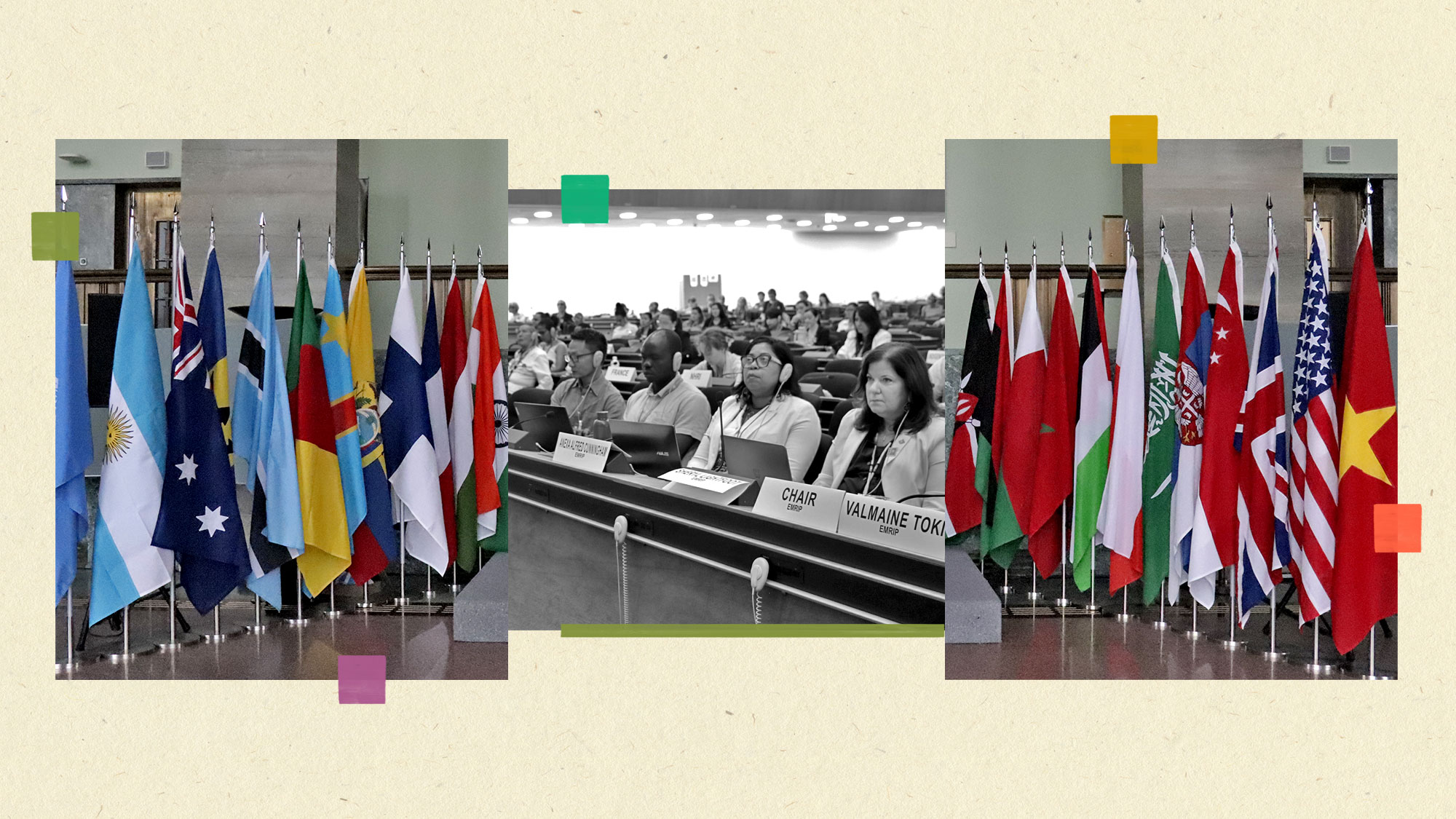
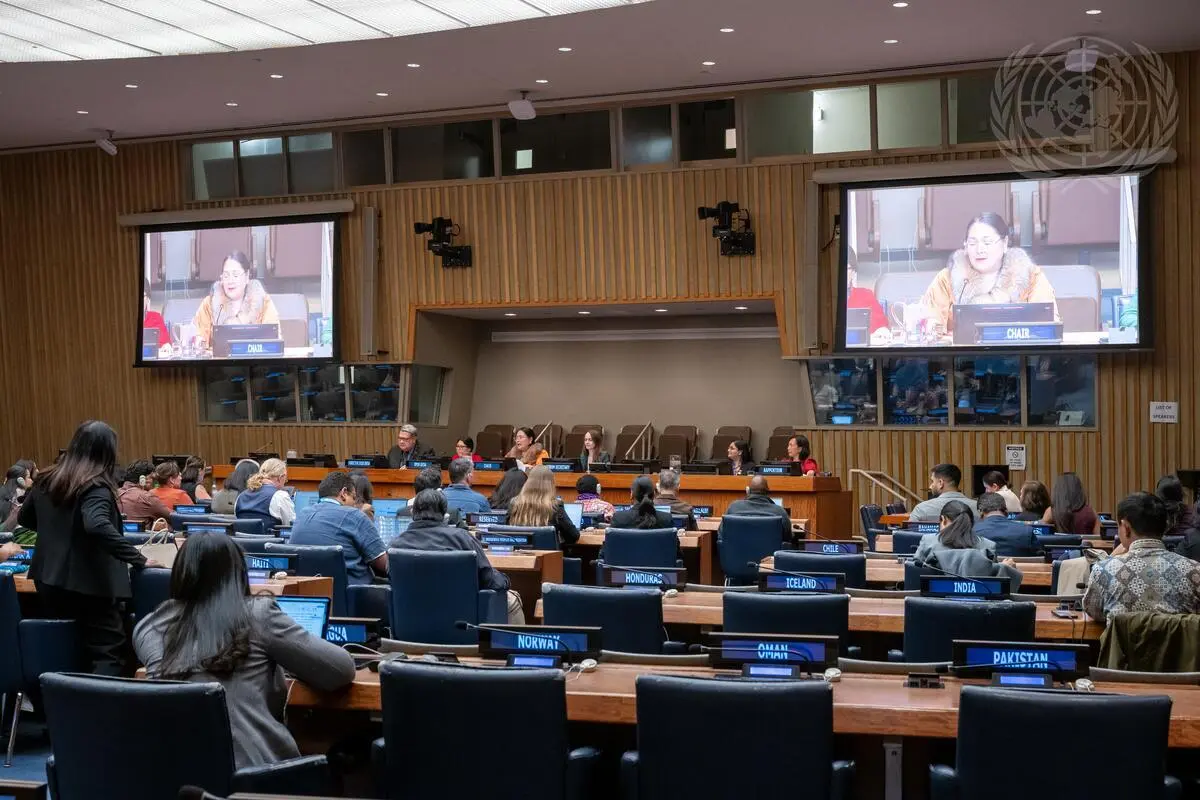
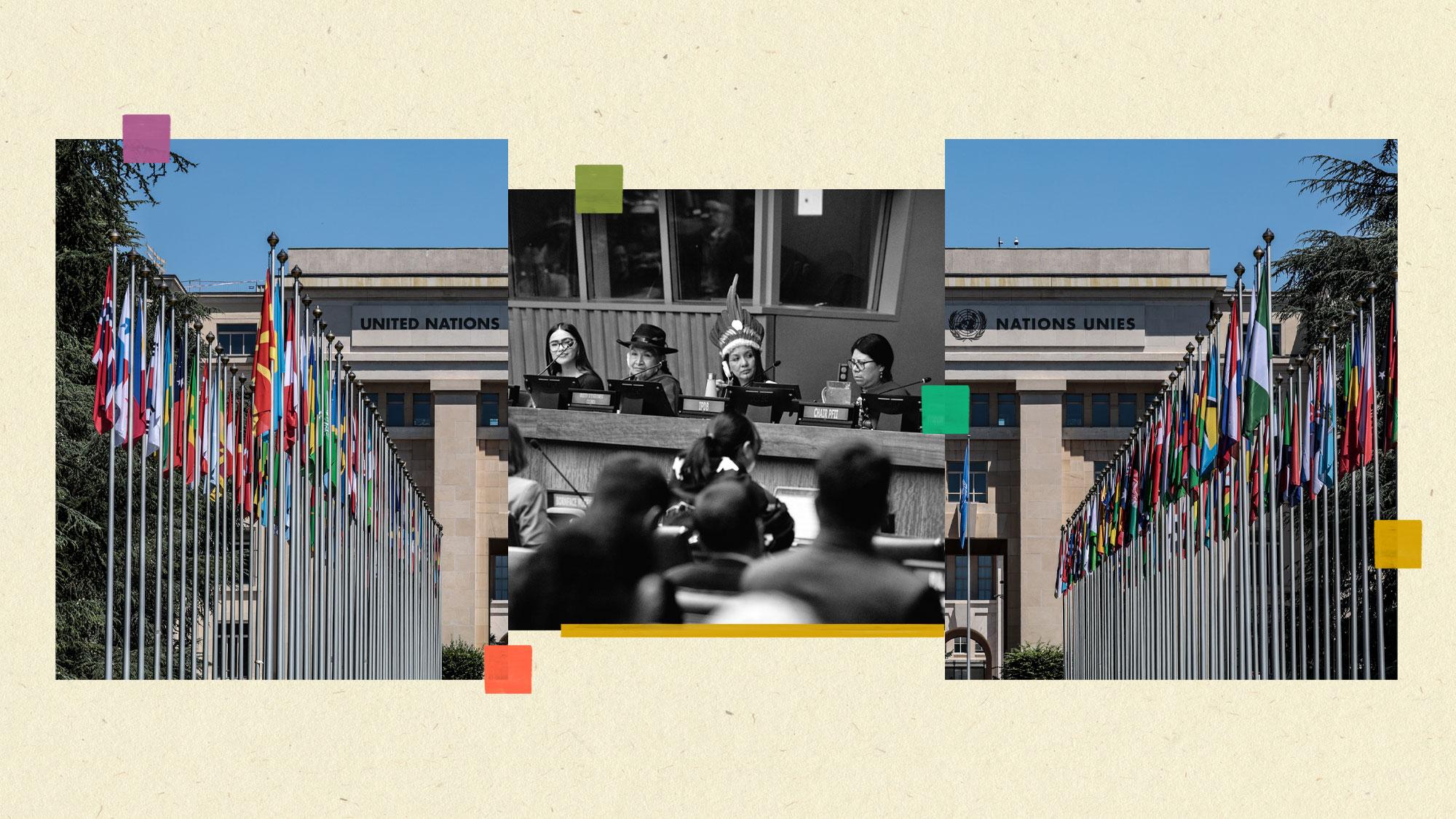
This week, hundreds of Indigenous delegates gather in Geneva at the 19th annual gathering of that United Nations body to discuss implementing solutions to these abuses and push all countries to more proactively protect Indigenous peoples everywhere.
EMRIP, one of three U.N. organizations focused exclusively on Indigenous peoples, is composed of seven Indigenous experts, each representing a different region. As part of the U.N. Human Rights Council, they focus on developing the data, recommendations, and advice to shape international standards regarding the fundamental rights of Indigenous peoples and support their enforcement.