This story is published through the Indigenous News Alliance.
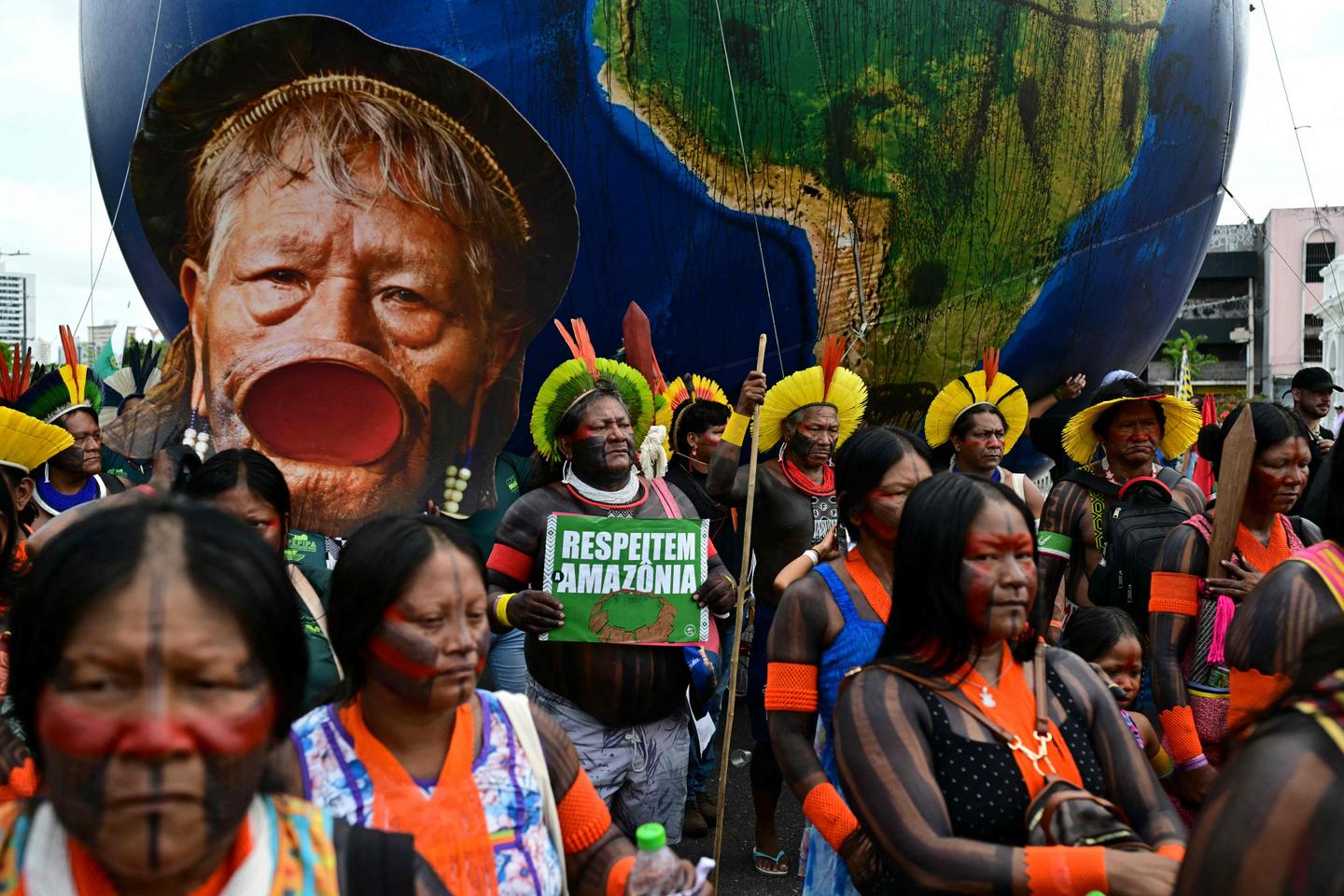
Indigenous communities around the world face mounting, and colliding, impacts from climate change, violence, rising threats from artificial intelligence, and many other crises. Their leaders are demanding that the world take action, and they’ve given the United Nations a 12-point plan for what they say it must do.
Simply put, their proposal calls on the U.N. and governments around the world to take sweeping and rapid action to protect Indigenous land, rights, and lives.
“Our communities — our women, our children, our families — they have a right to action and that’s what we’re not seeing globally,” said Cora McGuire-Cyrette, who is a member of the Bingwi Neyaashi Anishinaabek and spoke on behalf of the Ontario Native Women’s Association. “We’re looking for action.”
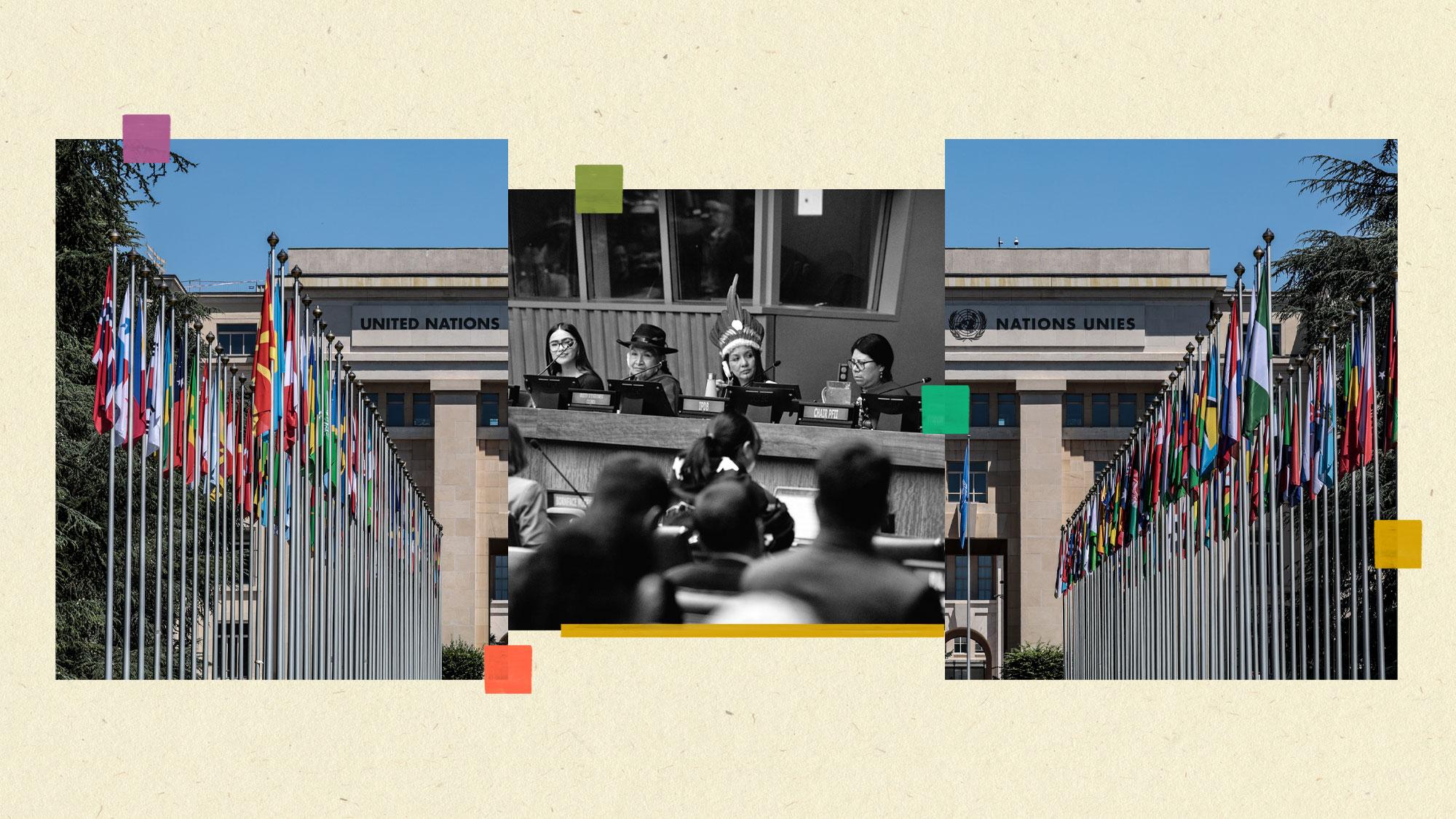
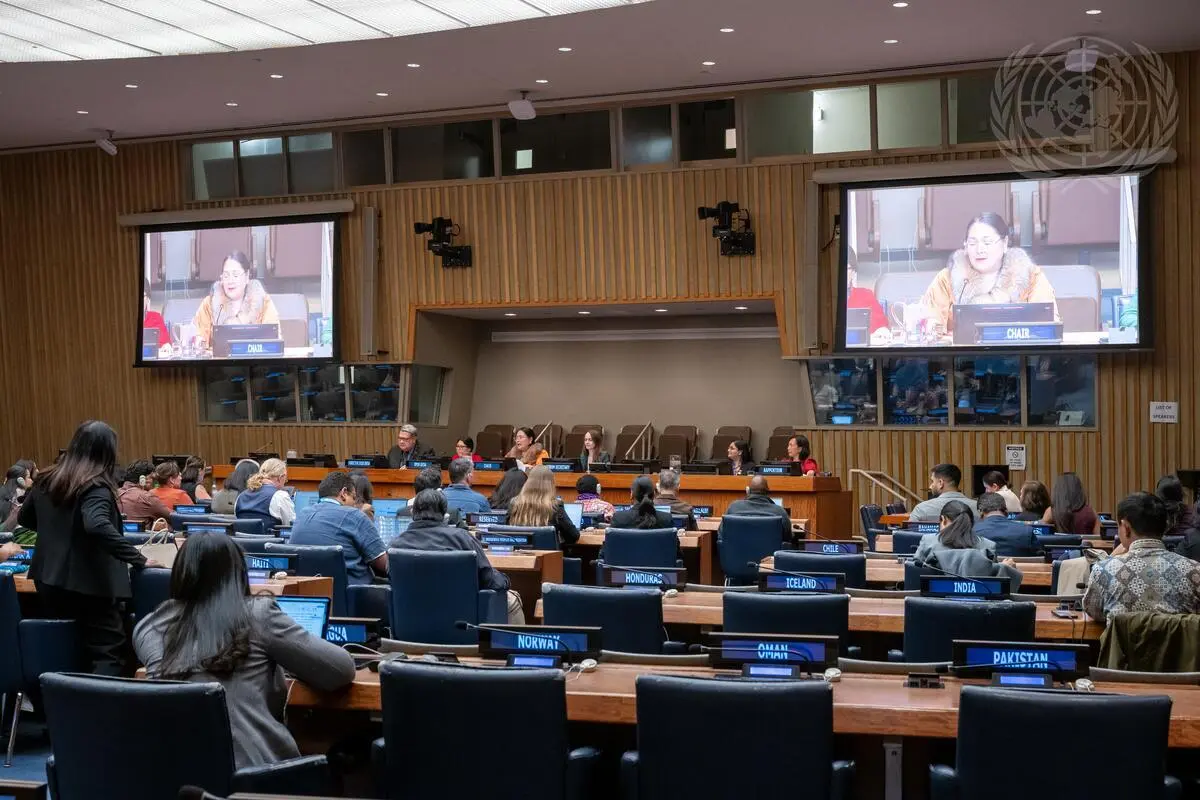
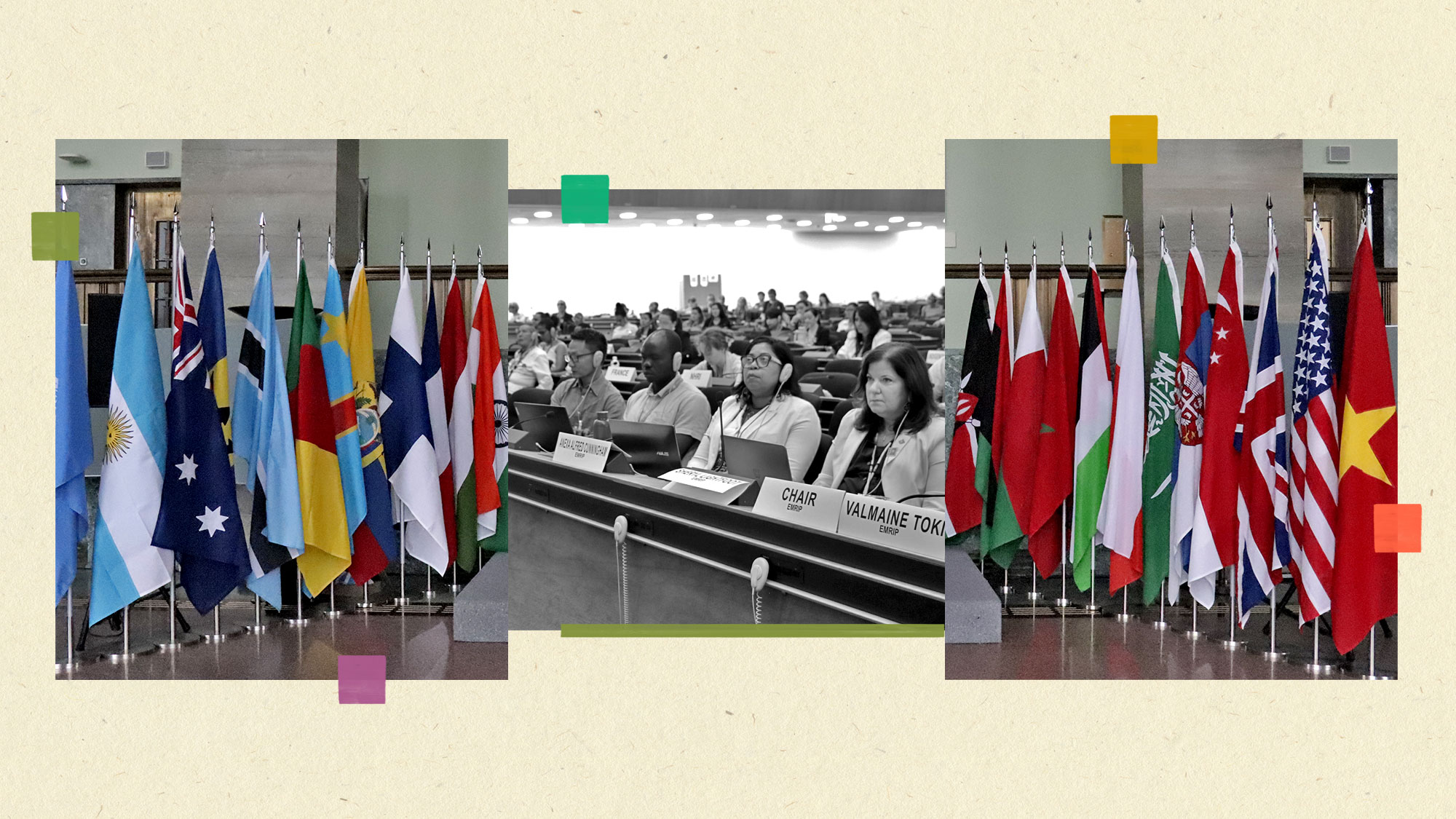
Last week, the seven Indigenous members of the United Nations Expert Mechanism on the Rights of Indigenous Peoples, or EMRIP, finalized the proposal it will present to the U.N. Human Rights Council. But even as the recommendations generated hope for change, the financial crisis facing EMRIP cast a shadow over the proceedings. Many delegates expressed concerns about the future of the forum, and other hard-won international platforms for Indigenous voices.