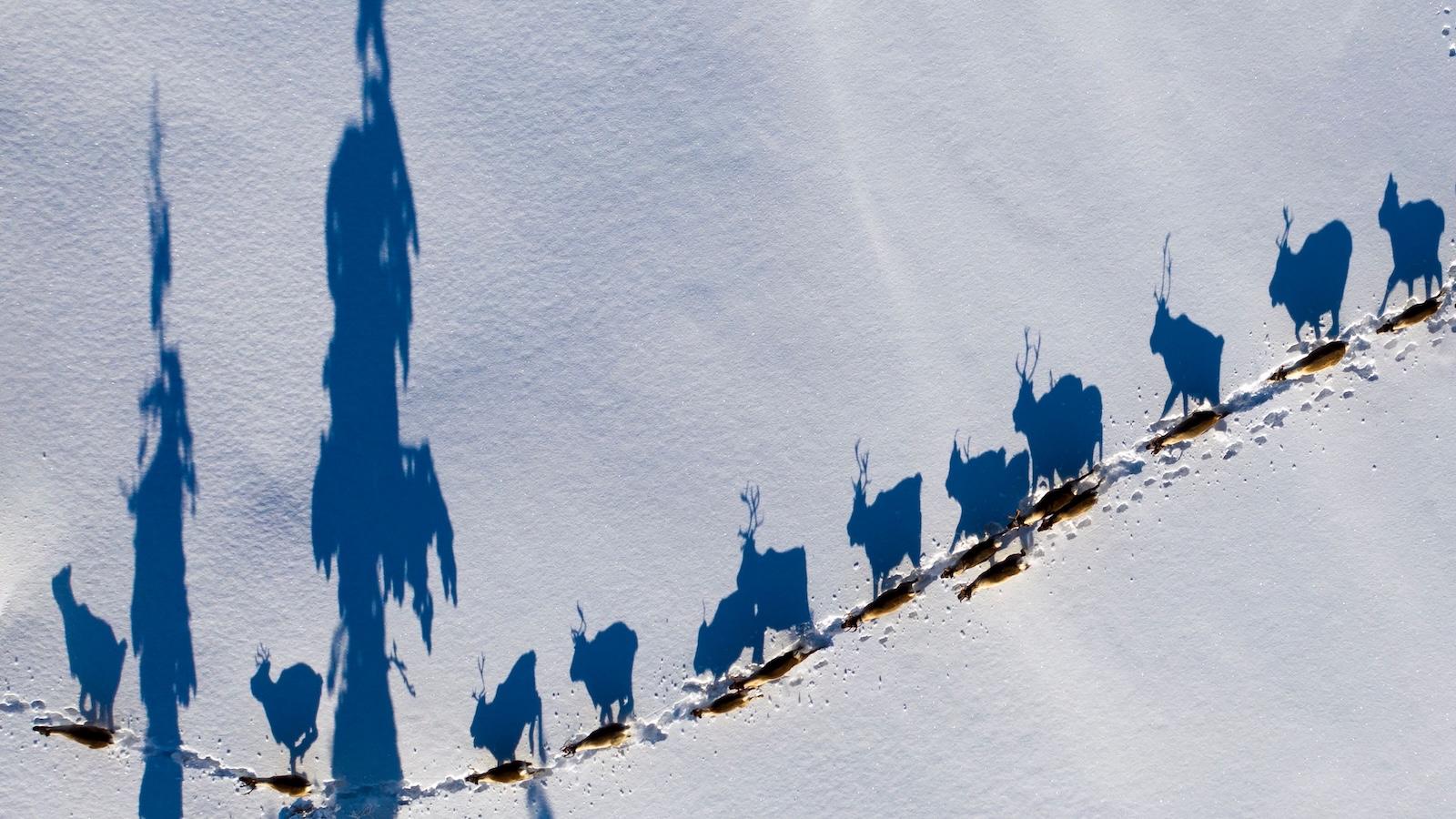
This story is published through the Indigenous News Alliance.
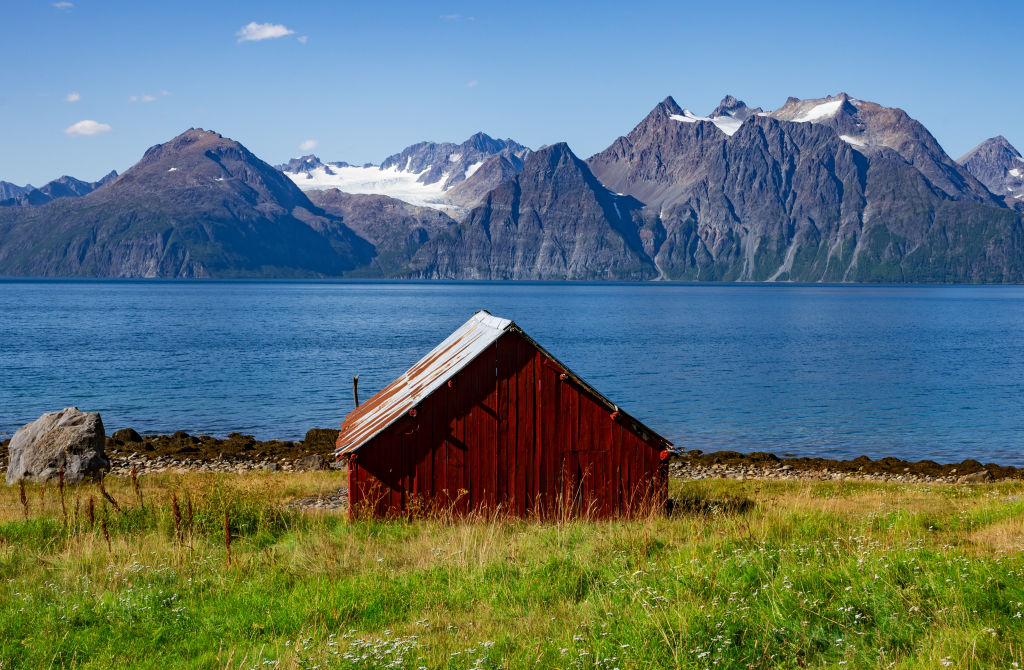
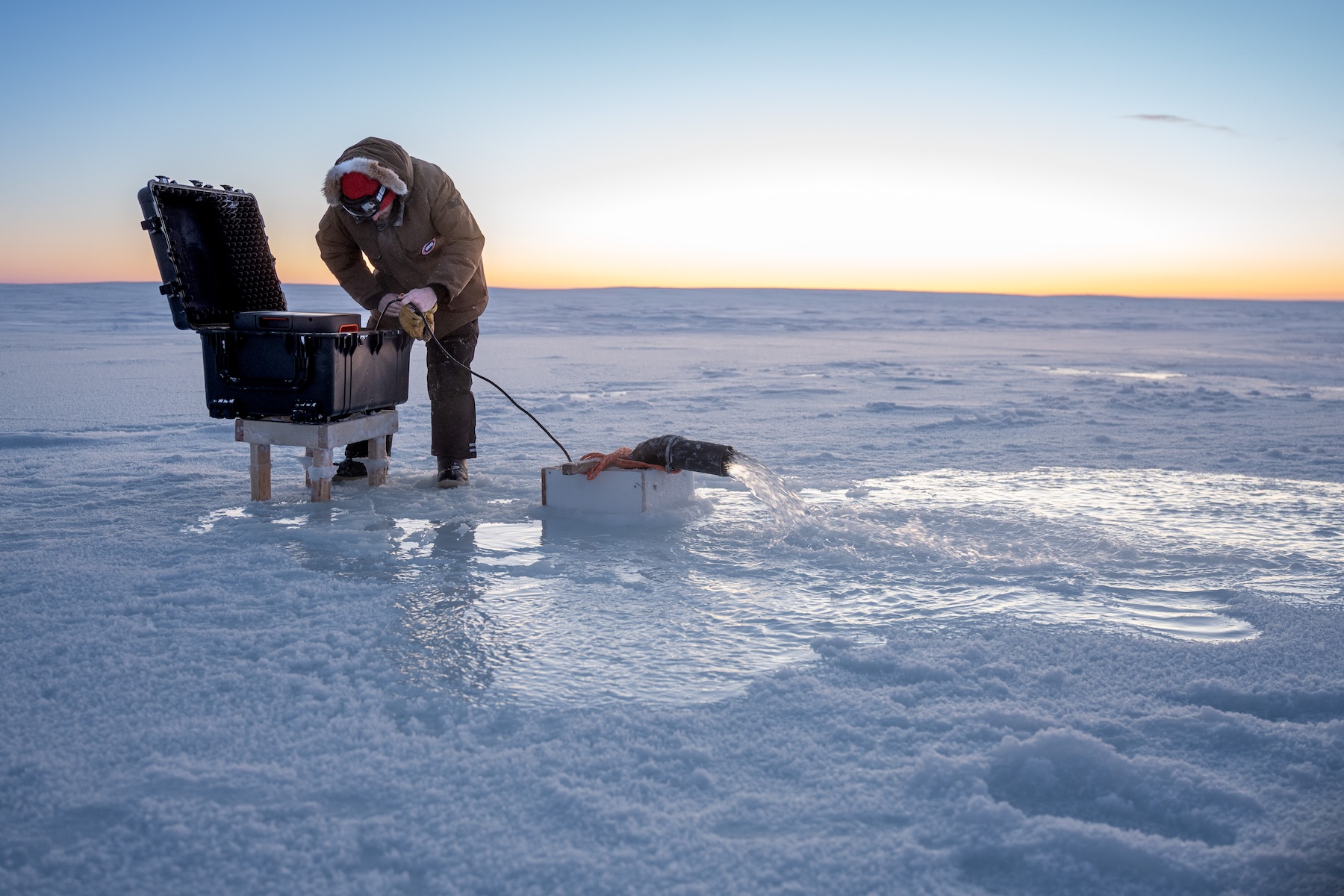
The Arctic is warming four times faster than other regions, a trend that disproportionately harms the Indigenous Sámi people — particularly their access to vital traditional resources like reindeer and salmon, which are used for food, clothing, weapons, and more.
As northern temperatures rise, snow is melting and refreezing at an accelerating rate. That forms ice, preventing reindeer from reaching the lichen below and dramatically increasing starvation rates. “Those impacts in nature are severe for our culture and livelihoods,” said Tuomas Aslak Juuso, vice president of the Sámediggi, or Sámi Parliament, of Finland. “So survival of reindeer and then survival of our livelihoods [and] cultures is then questioned.”
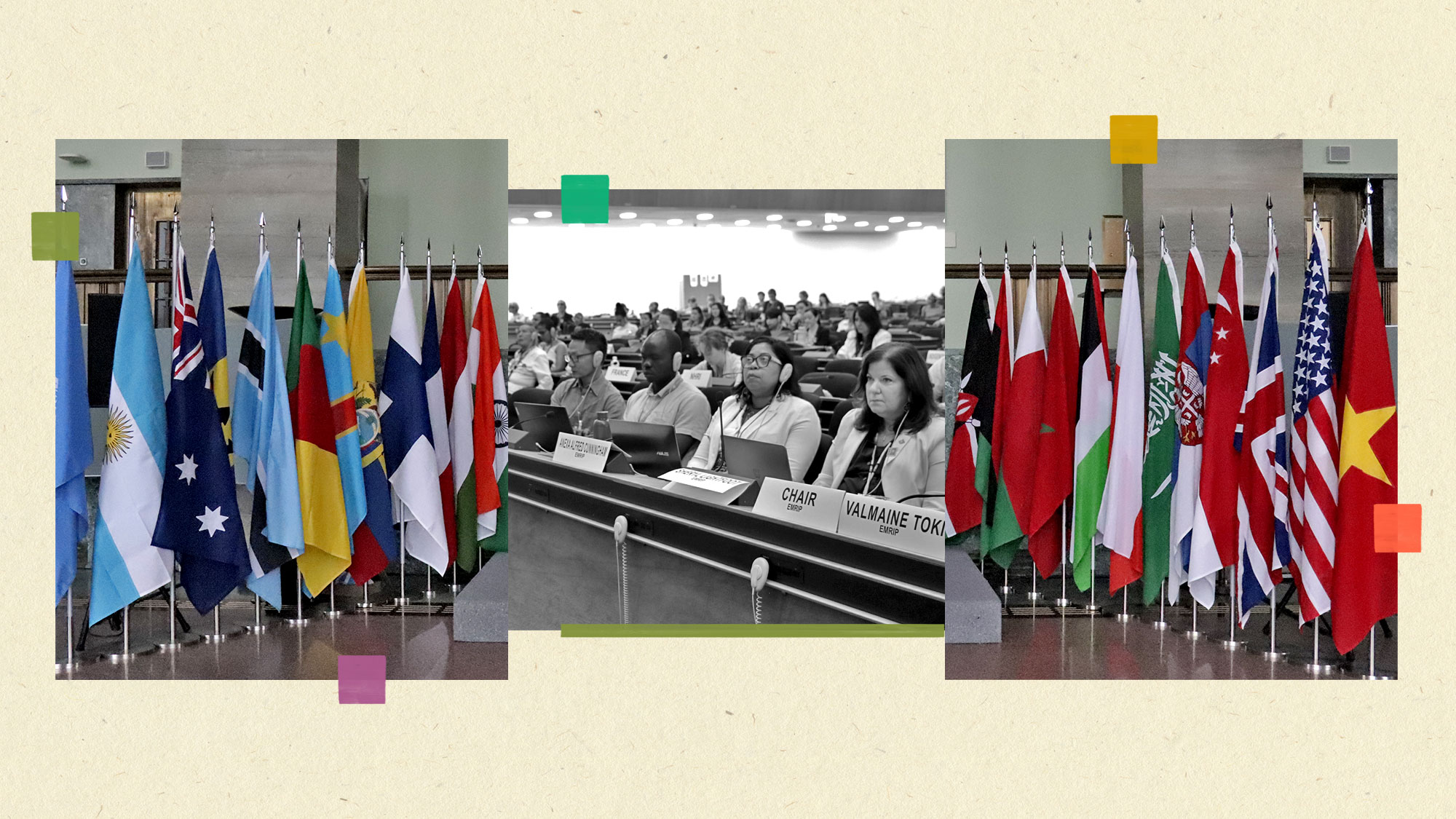
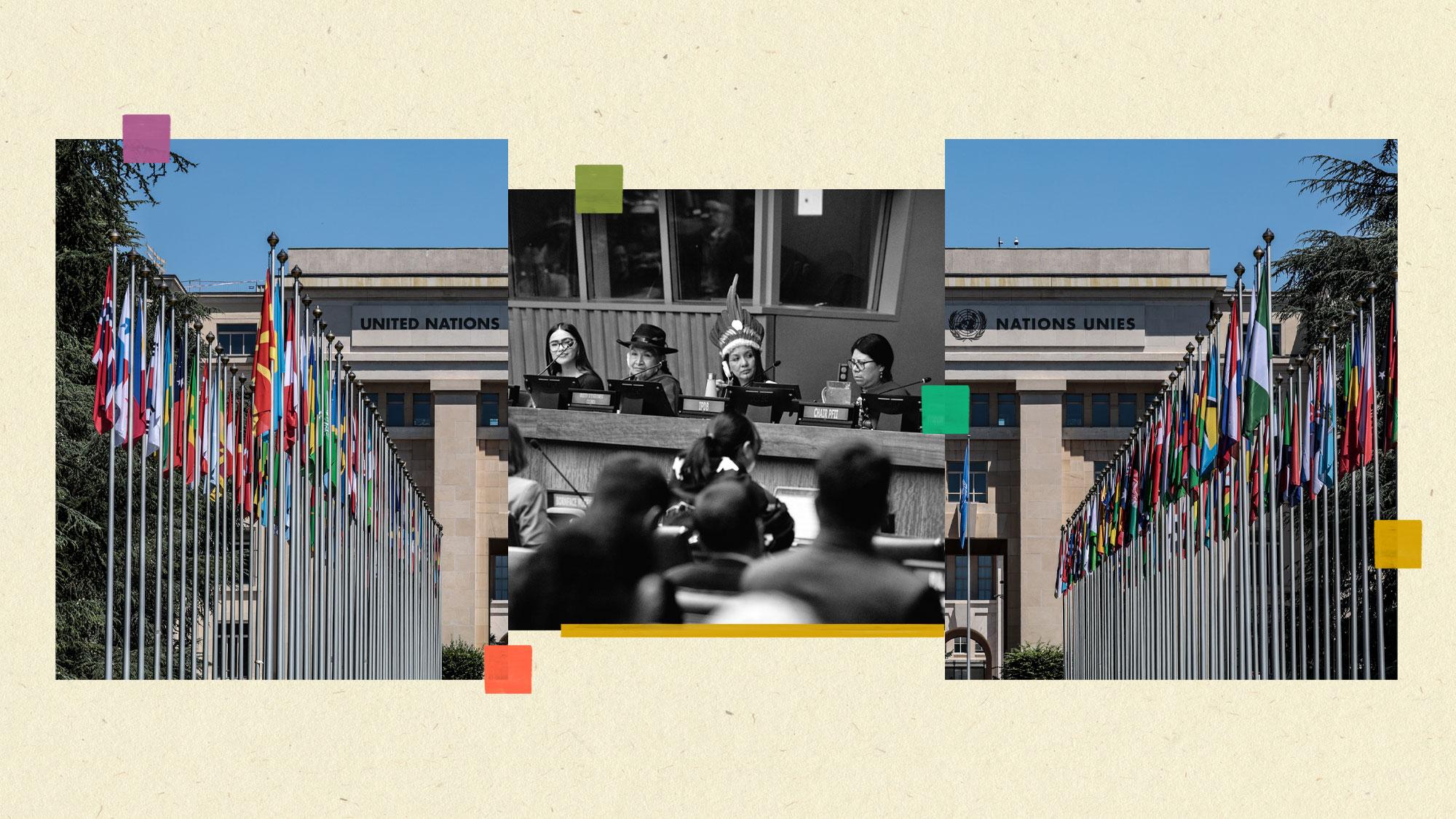
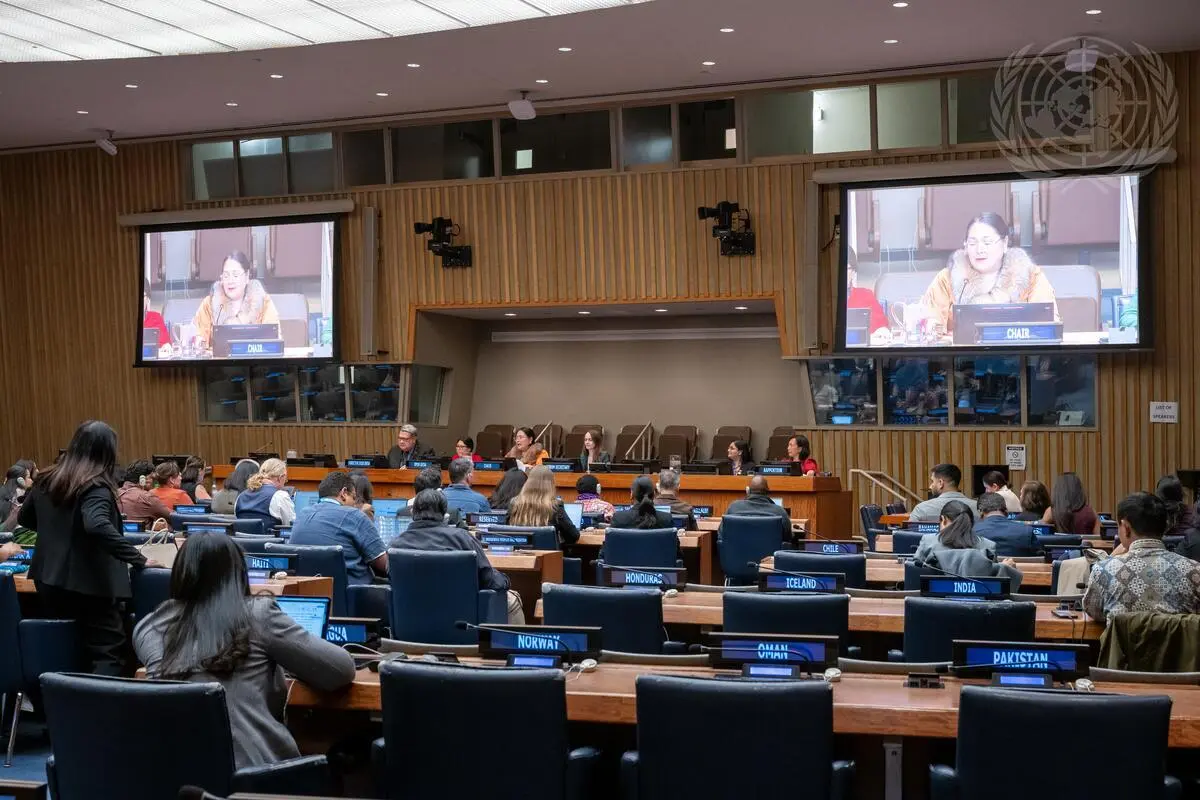
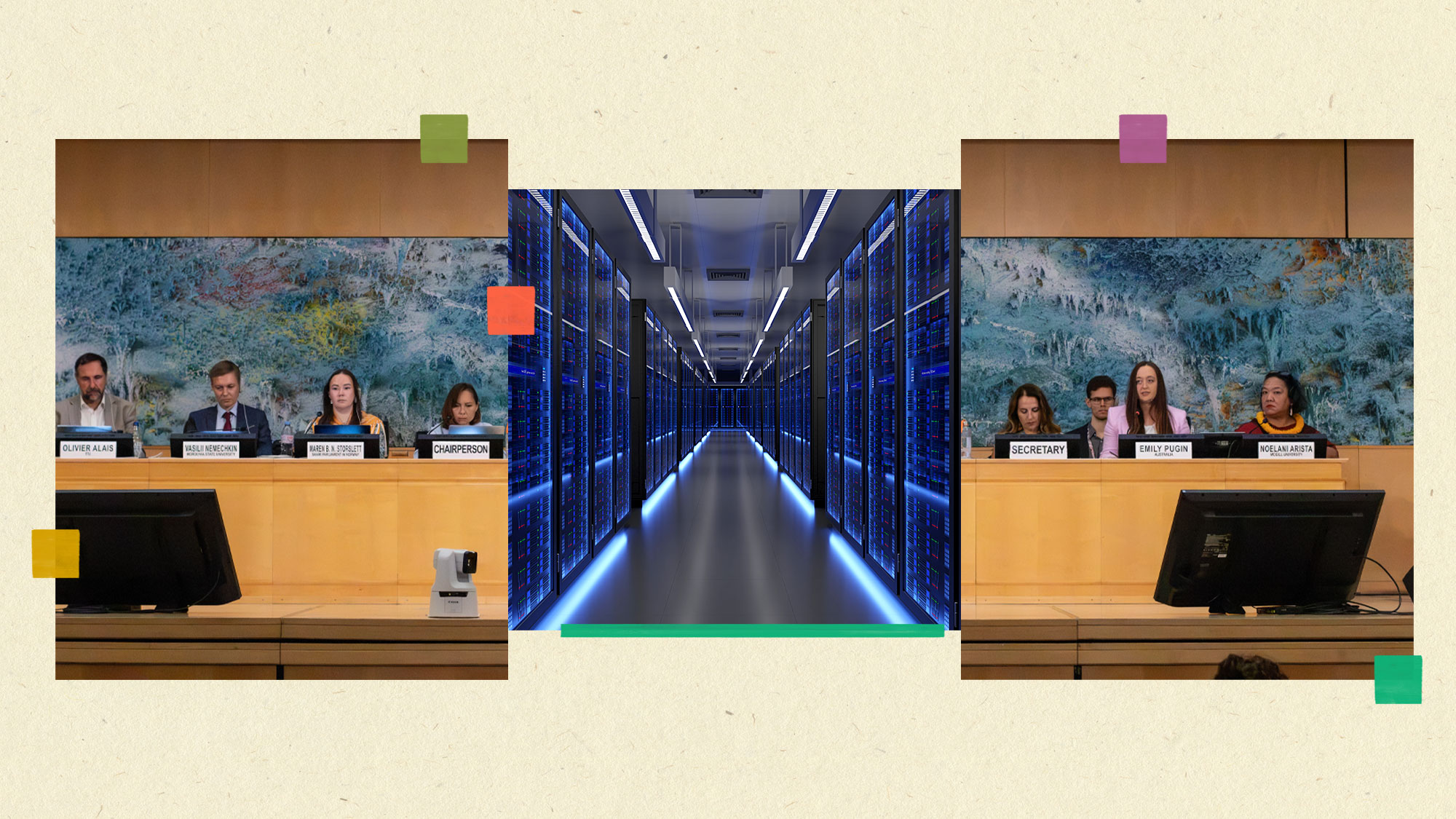
Last week, the impacts of climate change and colonialism were among the key issues raised by the hundreds of Indigenous people gathered in Geneva. They’d come from around the world to discuss these mounting threats at the United Nations Expert Mechanism on the Rights of Indigenous Peoples, or EMRIP. They agreed that a multitude of crises will only grow worse unless they are given greater say in international negotiations and decision-making. That’s why in addition to pushing specific policy recommendations on conflict, AI, and other key issues, Indigenous delegates continued their decades-long demand for better representation at the U.N.