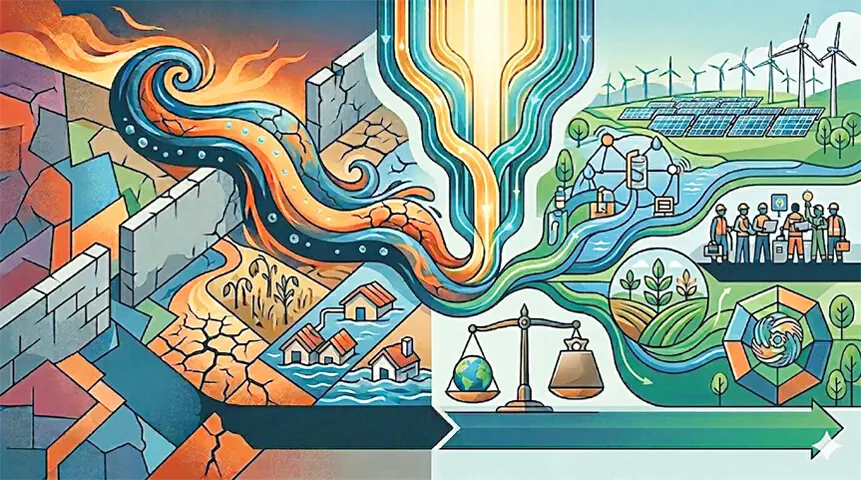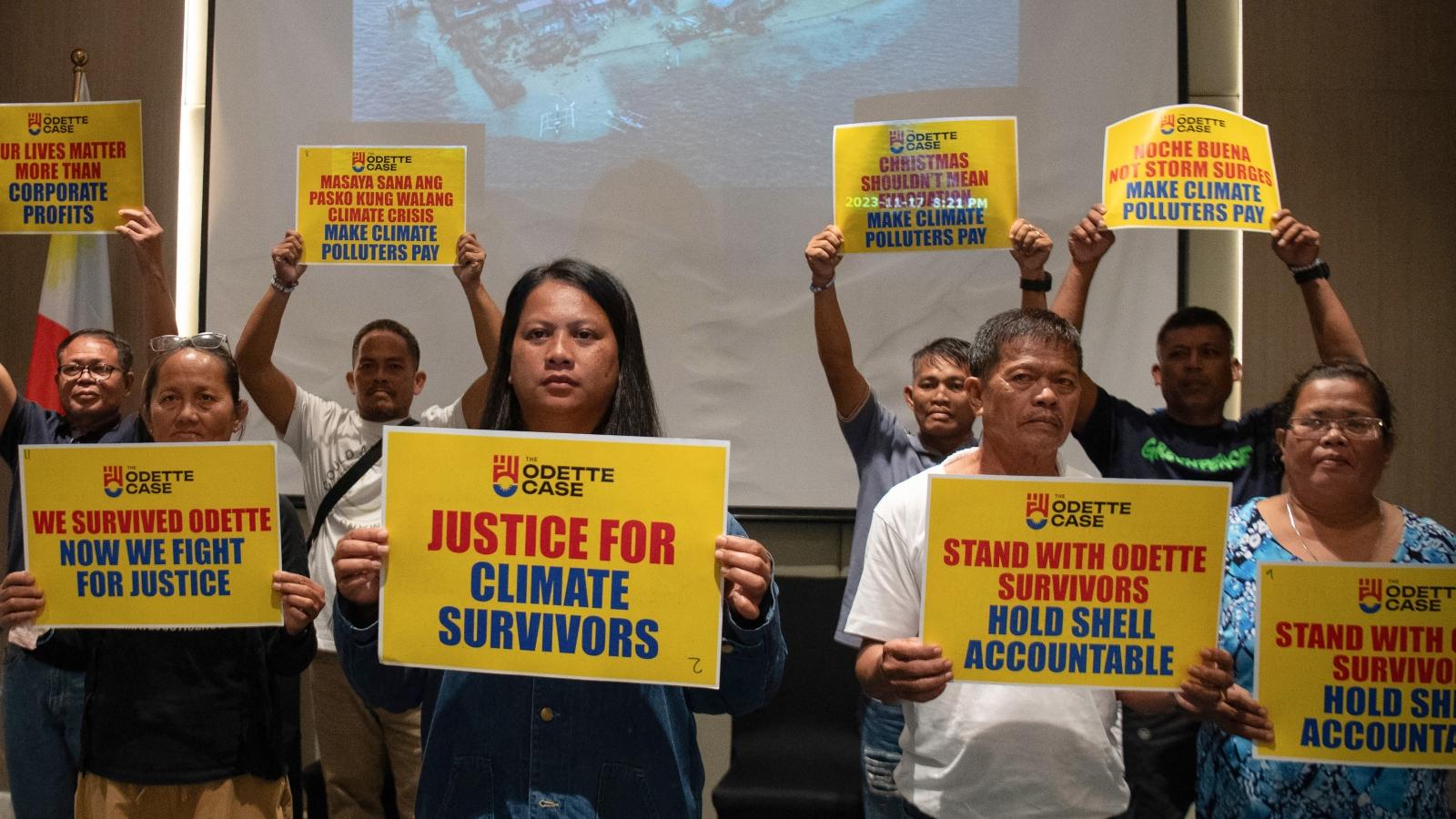
Across South and Southeast Asia, climate action is being subverted by a deliberate, calculated strategy: the weaponization of climate disinformation. Governments and corporations are increasingly deploying misleading narratives – ranging from greenwashing to outright denial – to marginalize Indigenous peoples, facilitate land dispossession, and obscure ecological harm.
This is a systematic campaign that threatens both human rights and the environmental integrity of the region. As these falsehoods harden into public consensus, the standard model of environmental reporting is no longer sufficient.
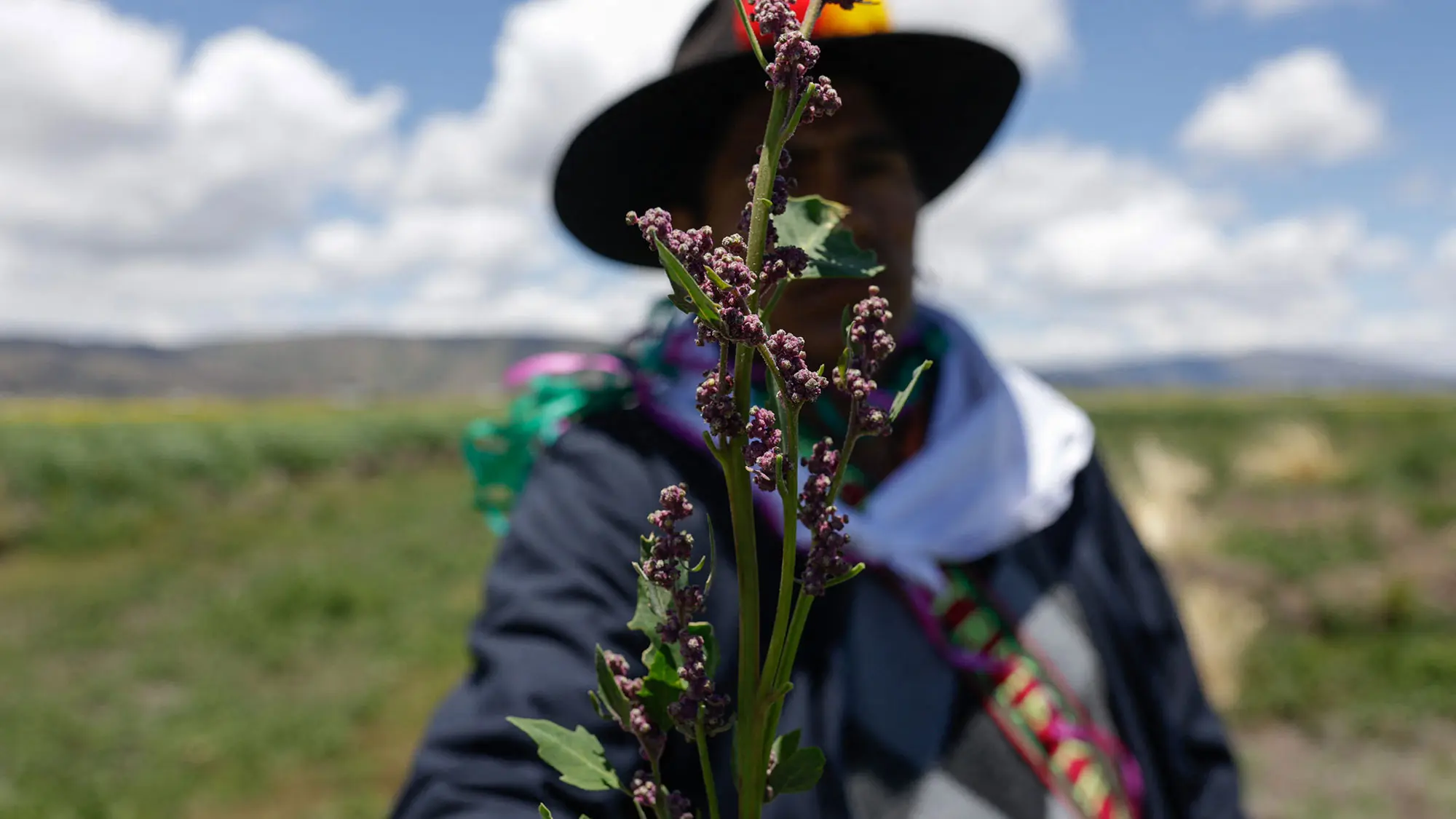
In this clouded information environment, constructive journalism has a critical role to play. By scrutinizing official claims, exposing false climate solutions, and elevating the lived experiences of Indigenous communities, it can help ensure that climate governance is guided by transparency, accountability, and justice.
This is the key argument presented in Asia Centre’s newly published regional report, “Climate Disinformation in Asia: A Deliberate Strategy Against Indigenous Peoples.” The report synthesizes the findings from the broader series of country baseline studies to serve as a toolkit to advance the practice of constructive journalism in response to the growing challenge of climate disinformation in Asia.