Academia
To effectively counter authoritarian models, regional powers like India and Japan must stop sidelining human rights and integrate democratic values into their foreign policies.
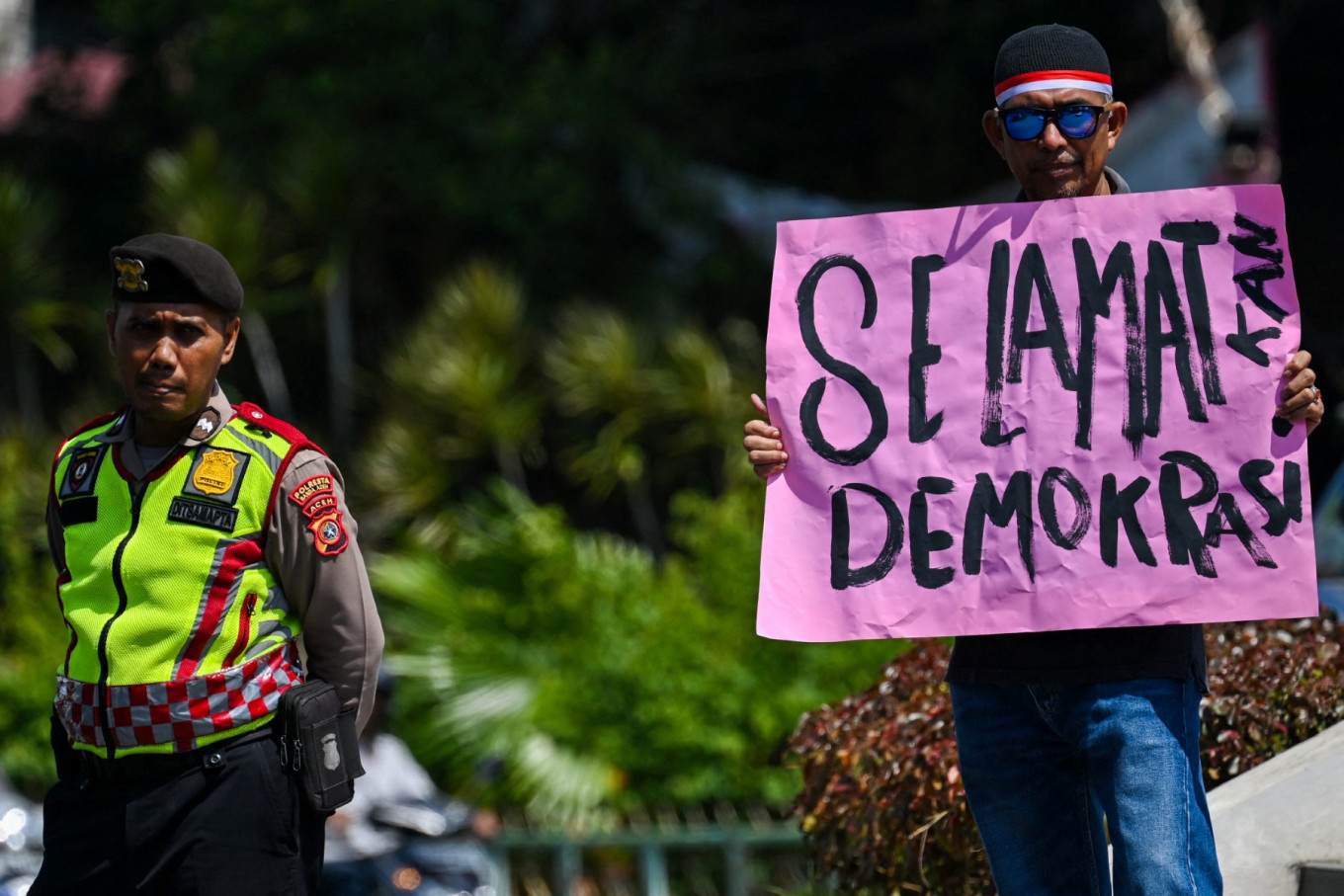
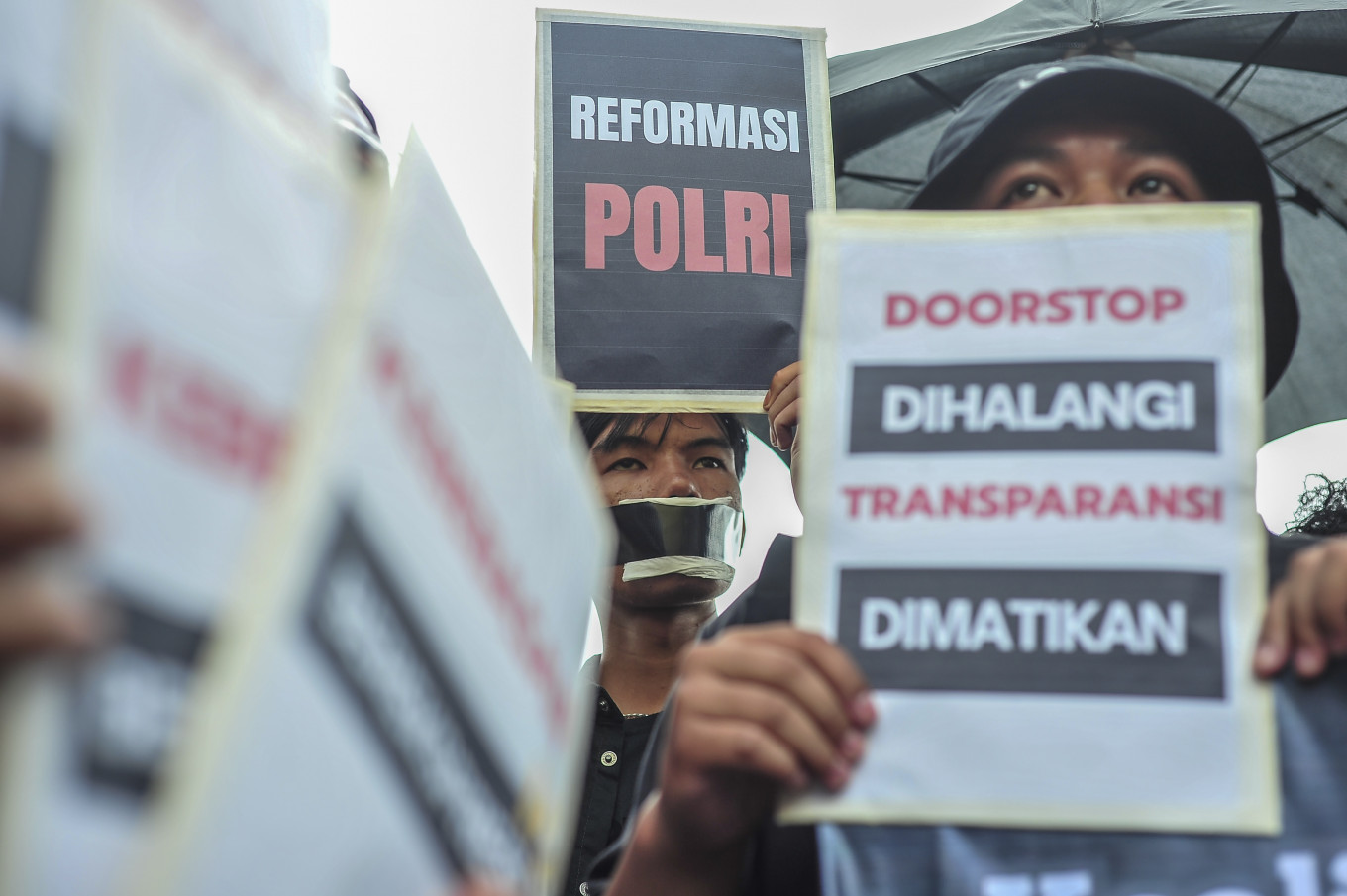
Hear our voice: Journalists, student press members and members of the Koalisi Anti Pembungkaman Demokrasi civil movement hold a silent protest on Wednesday while carrying posters emblazoned with pro-democracy messages at the Jambi Police headquarters in Jambi. Members of press organizations, including the Indonesian Photojournalists (PFI) Jambi, the Alliance of Independent Journalists (AJI) Jambi and the Indone- sian Television Journalists Association (IJTI) Jambi participated in the demonstration. They called for the prosecution of police officers who reportedly attempted to prevent press workers from carrying out their journalistic duties in recent mass protests. (Antara/Wahdi Septiawan)
On Sunday evening, just a day after the United States celebrated its 250th anniversary, I spent considerable time watching a series of podcasts on the state of American democracy. Gloomy as the current status of civil liberties in the US may be under a president exhibiting authoritarian tendencies, listening to journalists, authors, and academics openly criticizing the administration of US President Donald Trump was reassuring.The civic fabric of American society, on both sides of the political aisle, remains vibrant. Democracy, despite its imperfections and struggles to meet public expectations, remains the most vital intangible enabler capable of turning passive voters into engaged citizens who own the political process. However, democracy must consistently reform itself by injecting elements of deliberation, particularly by involving citizens in assemblies where actual decision-making occurs.