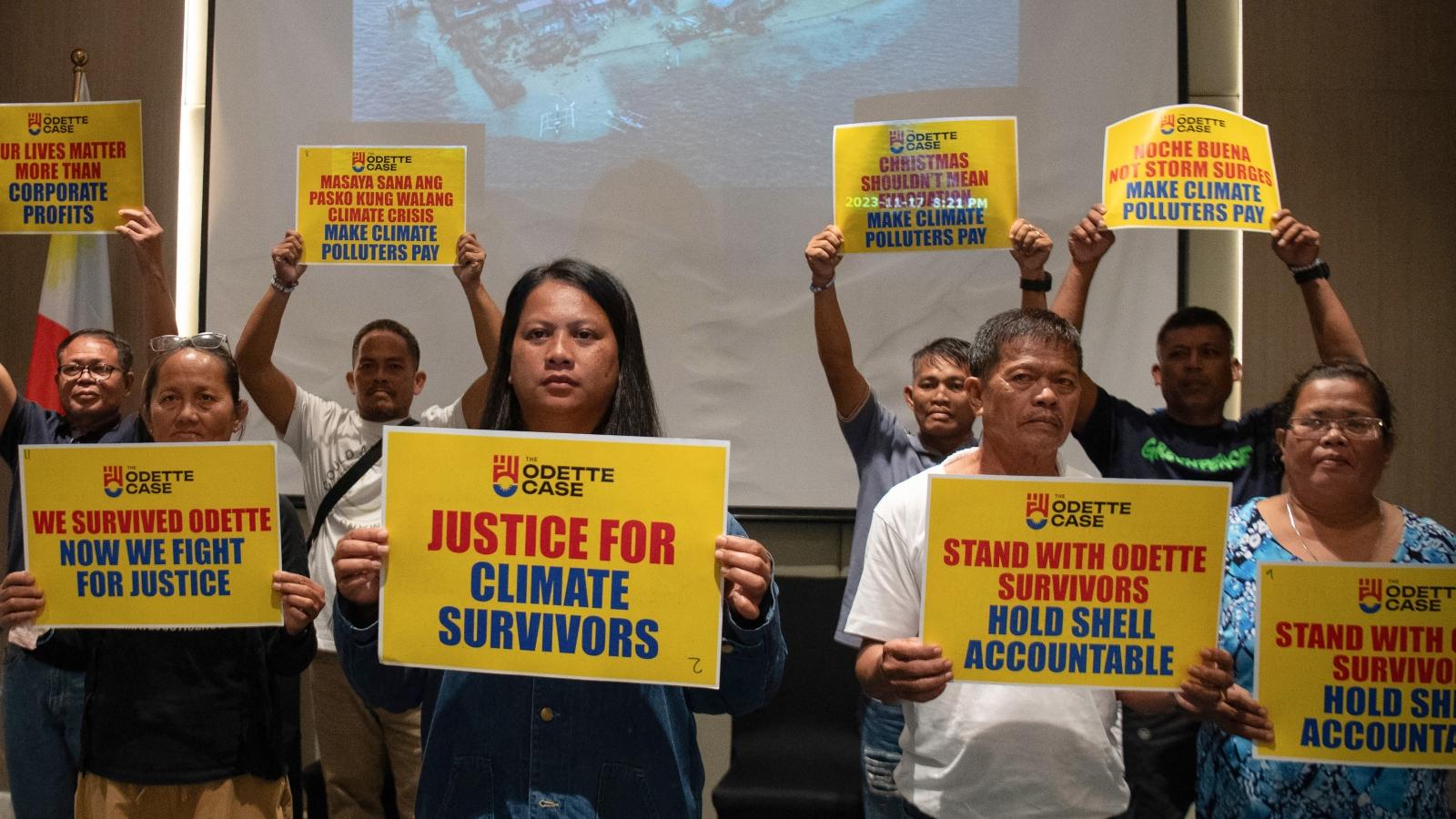
This story was produced by The Xylom, a nonprofit news outlet covering the world’s most pressing health and environmental disparities, and co-published by Grist. Subscribe to The Xylom’s newsletter here.
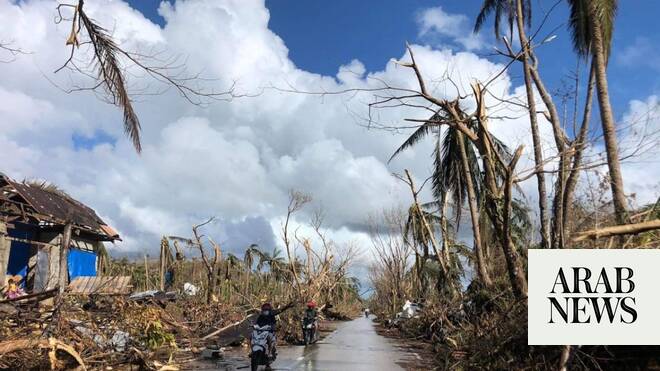
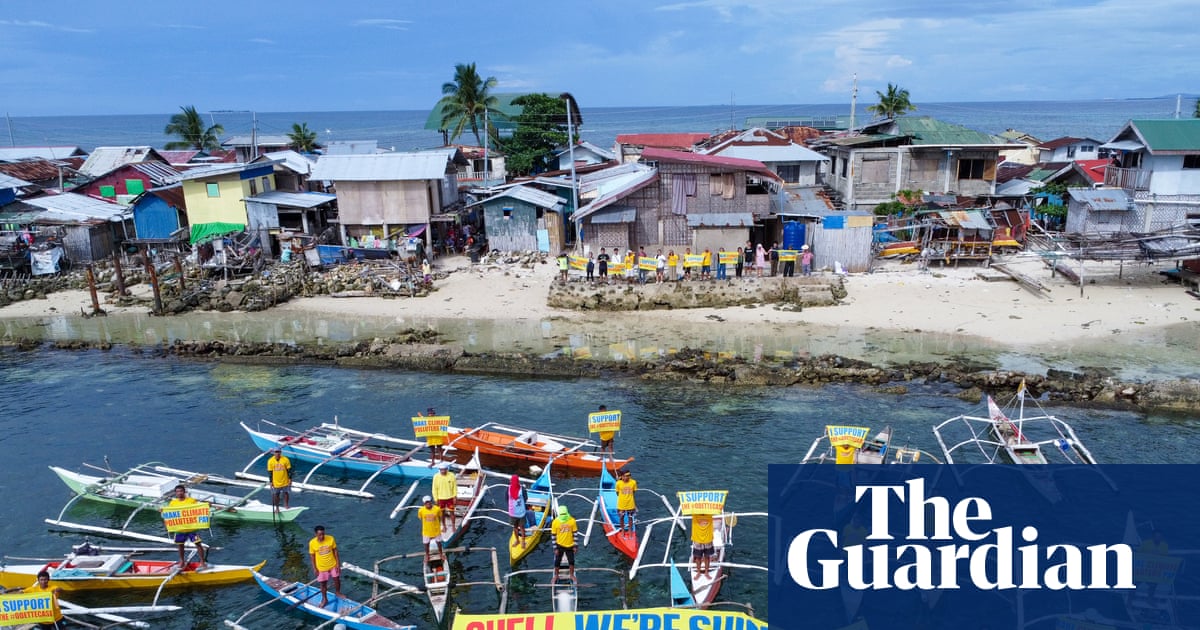
When Super Typhoon Rai — equivalent to a Category 5 hurricane — began battering Batasan Island in Bohol, Philippines in December 2021, Trixy Elle and her husband, two children, and father waded into the storm, fearing they would be trapped in their home. Holding on to one another, they were determined not to let go.
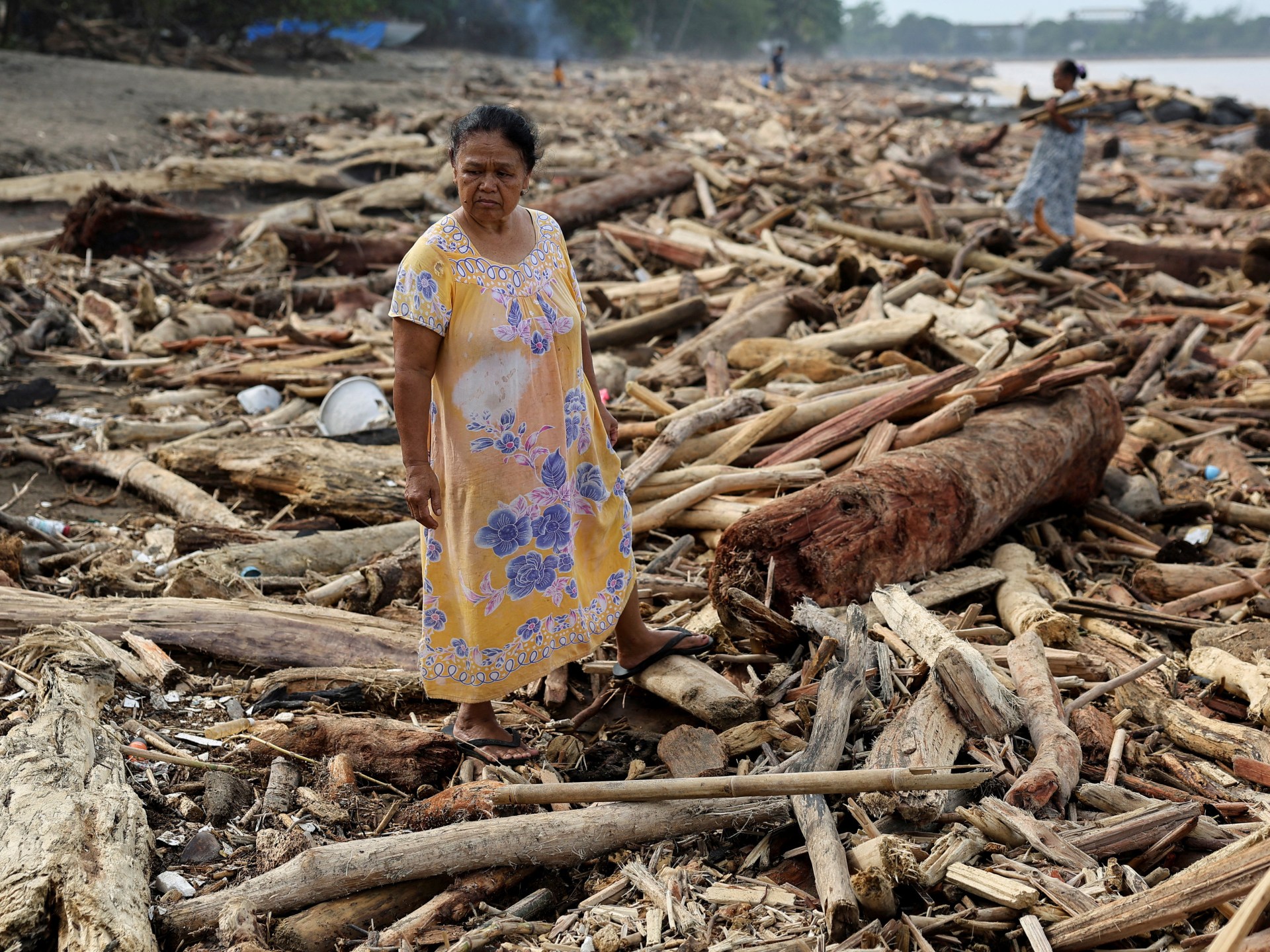
By morning, the house Elle and her husband had spent years building was gone. So was much of the island. They were left with just the clothes on their backs. In the days that followed, the family survived in conditions that stripped life to its barest terms, at one point, eating livestock they had found dead in the storm’s aftermath.
“As a mother, it was up to me to find ways to feed my family,” Elle, a fish vendor, told The Xylom. “It got to the point where we were eating dead chickens, dead pigs. We got to that point because the government’s response took so long.”
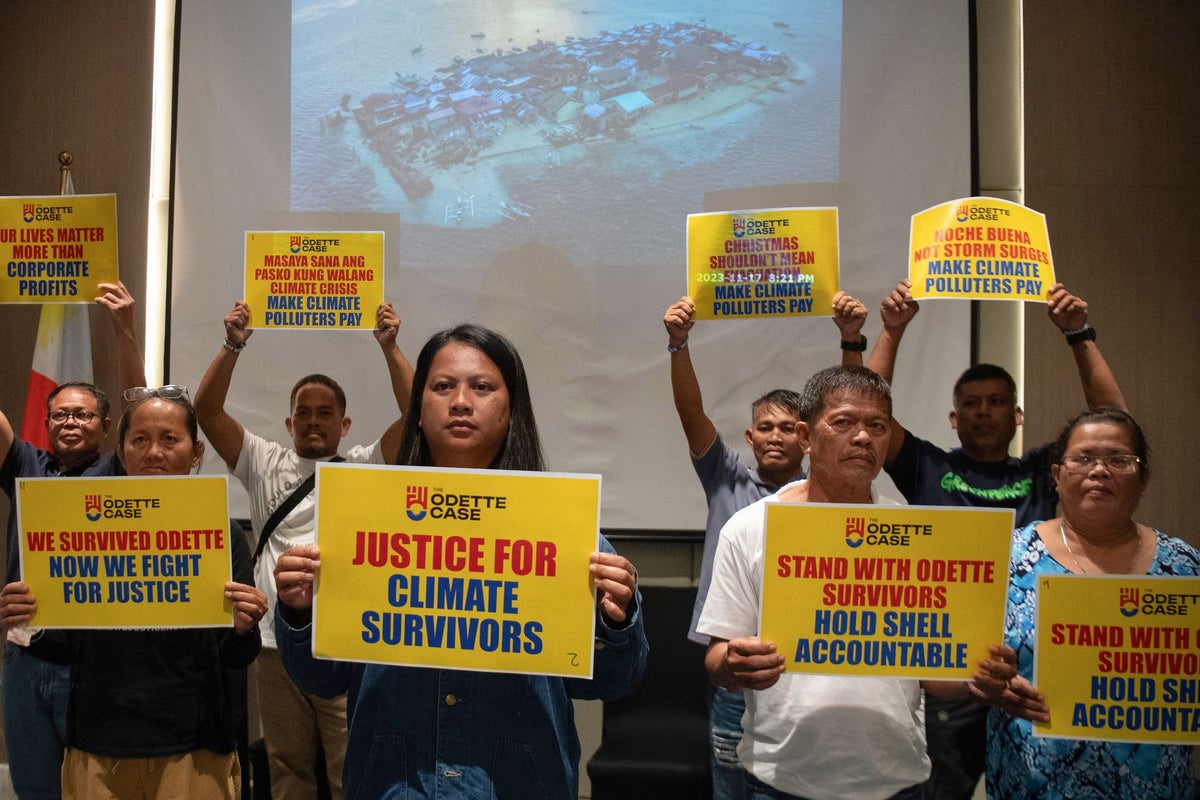
The 35-year-old mother felt a deep sense of injustice. The typhoon — locally known as Odette — affected 10.6 million people in the Philippines, killing more than 400 and displacing 1.4 million from their homes. Elle began to question why communities like hers had to endure such devastation despite contributing so little to the climate crisis. “Why are we the ones struggling the most?”