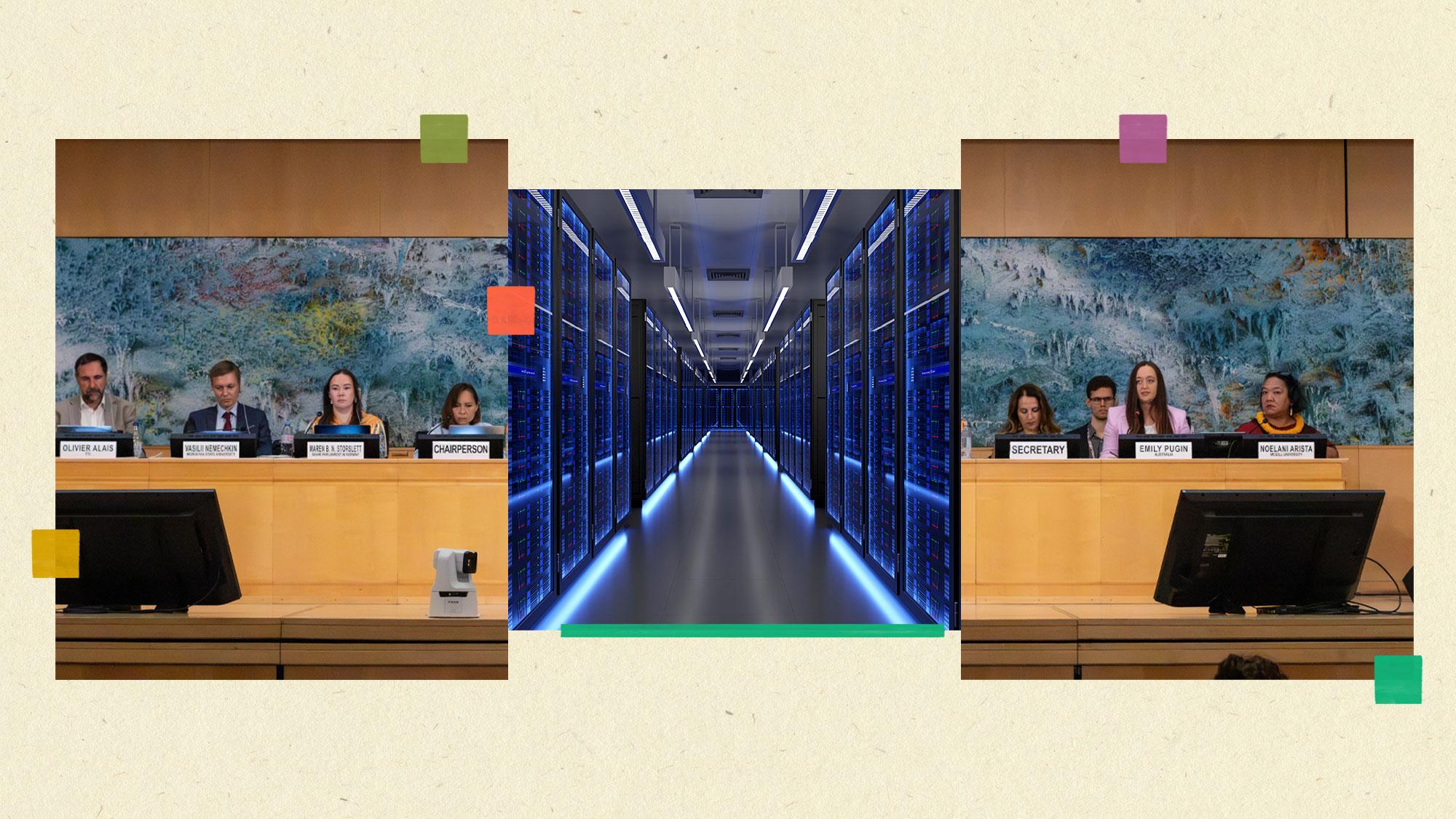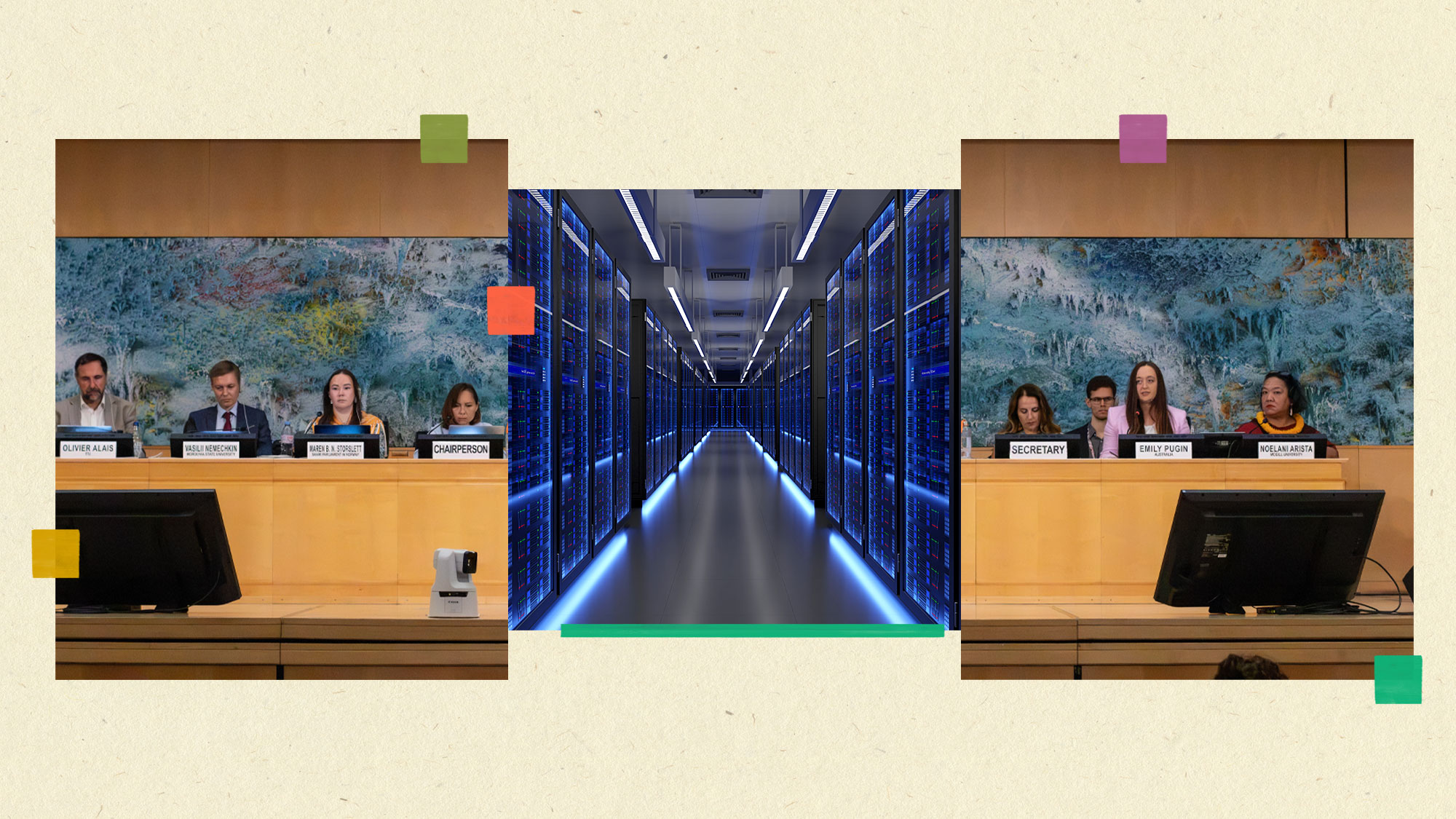
At a meeting of the U.N. Expert Mechanism on the Rights of Indigenous Peoples (EMRIP), Indigenous advocates called for attention to the need for AI to be developed in ways that align with Indigenous rights and priorities.Data centers, the infrastructure that powers AI technology, require large amounts of energy and water to operate, yet many are constructed in water-stressed regions, leading to widespread opposition among local residents.Many sources who spoke to Mongabay raised concerns about their land, water and food sovereignty.Some said they believe the infrastructure could create opportunities for Indigenous people, so long as it complies with the principles of free, prior and informed consent (FPIC) and meaningful participation, among other steps.
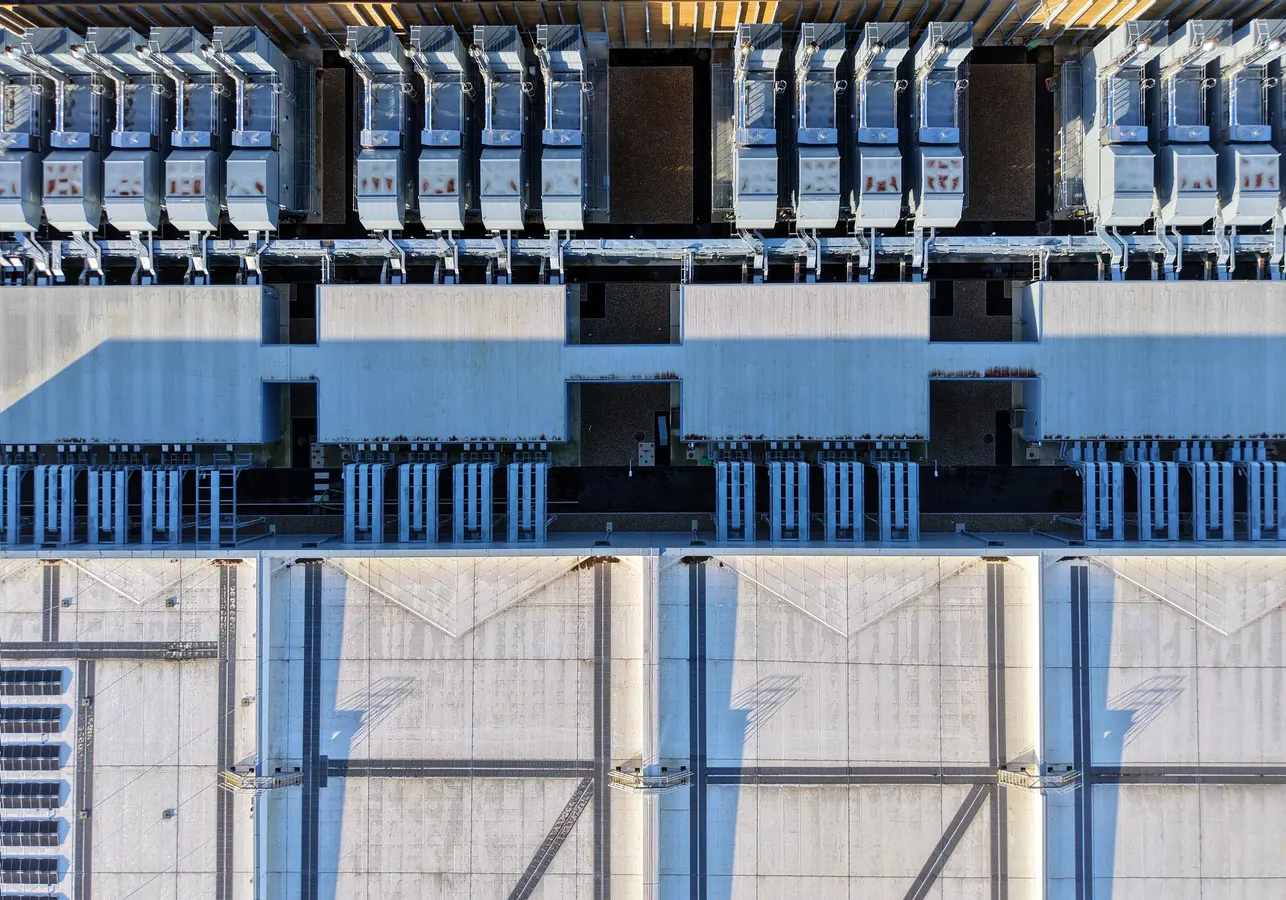
Artificial intelligence is said to be the transformative technology of our time, with the potential to reshape our world on a global scale, according to research. Yet AI’s potential is underpinned by the need for hyperscale data centers, the large, energy-intensive sites that house servers and IT equipment. As tech companies and governments continue to develop this infrastructure at scale, Indigenous peoples from Brazil to Canada affected by the projects have responded in different ways. Some have raised concerns about pressure on water resources and inadequate consultation, while others have embraced the projects for their economic benefits.