This story is published through the Indigenous News Alliance.
AI is the transformative technology of our time, with the potential to reshape our world on a global scale. And yet, underpinning its potential is the need for so-called hyperscale data centers that require vast amounts of land, energy, and water. As tech companies and governments continue to develop this infrastructure at a huge scale, Indigenous peoples around the world are responding to this threat in different ways. They are raising concerns about mounting pressure on water resources and inadequate consultation, but in some cases embracing projects for their economic benefits.
The rapid expansion of this massive digital infrastructure has Indigenous leaders, governments and experts calling on those developing them to comply with the principle of free, prior, and informed consent while exploring whether this infrastructure can be established in ways that advance Indigenous rights and priorities.
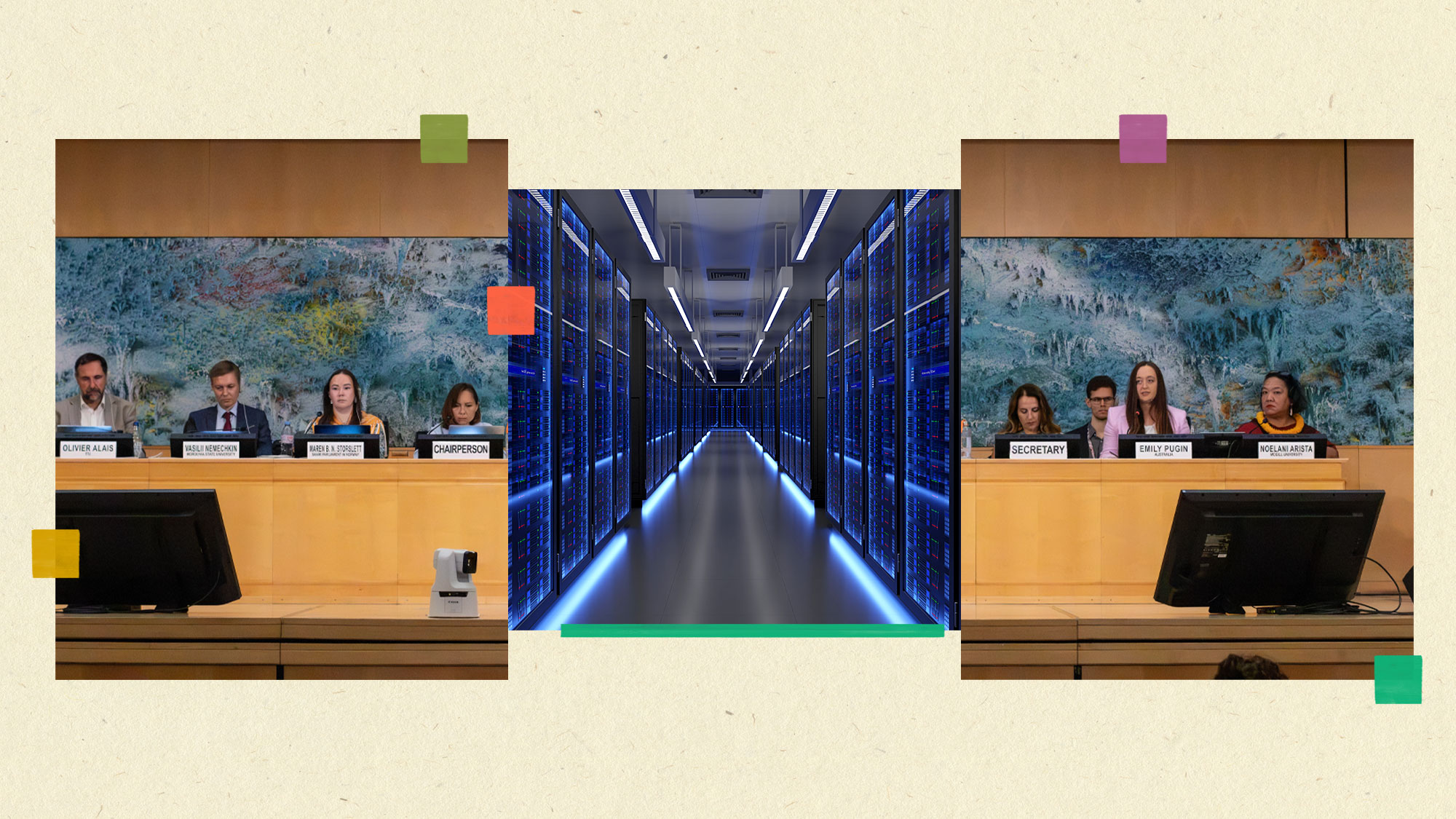
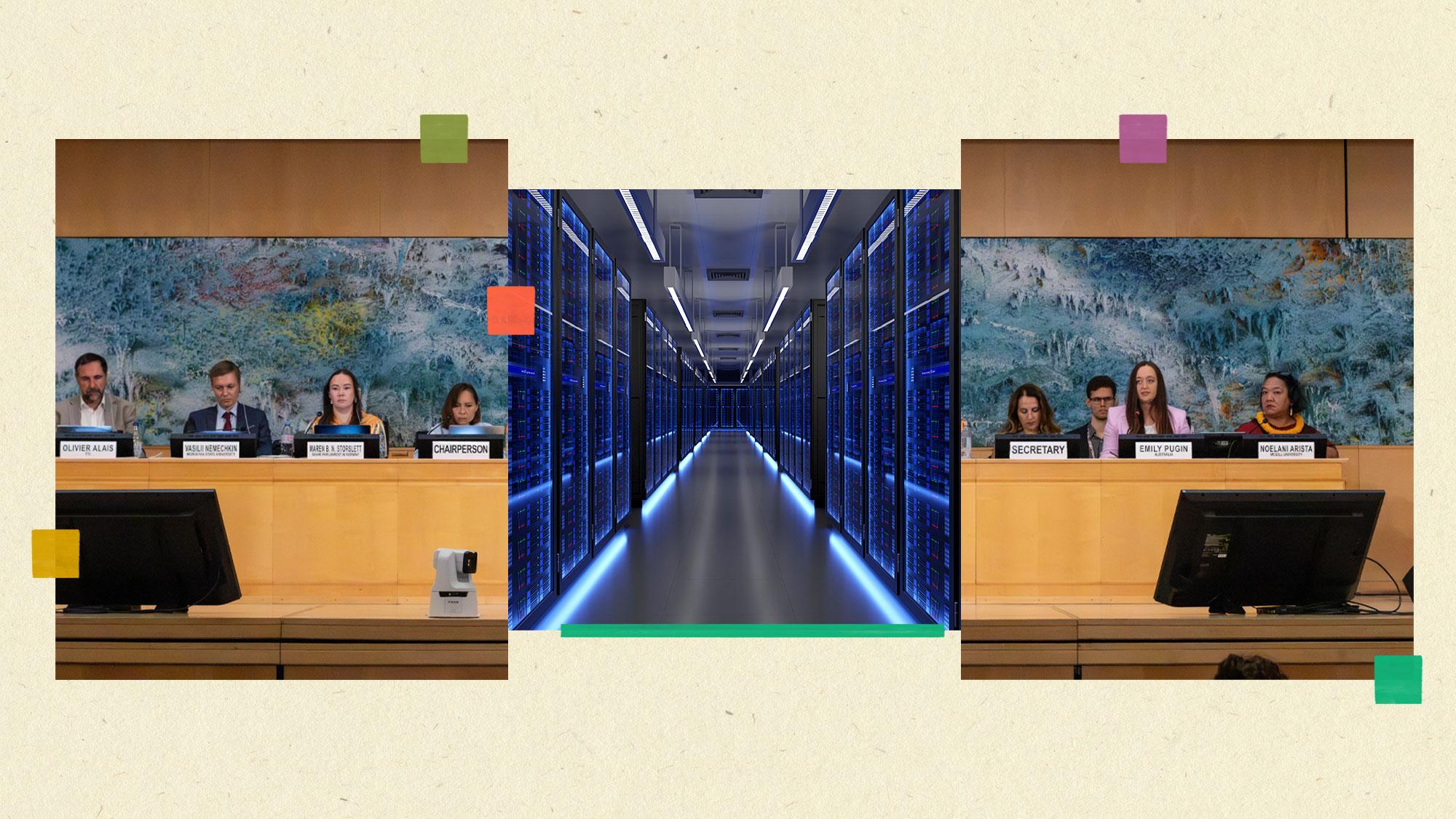
During a panel discussion on the second day of the United Nations Expert Mechanism on the Rights of Indigenous Peoples, or EMRIP, Indigenous delegates said that while there must be policies to ensure that AI does not harvest Indigenous knowledge without consent, protections for Indigenous lands and waters are equally important.