Free daily briefing on global business news.
Deep watering schedules, mulch depth, knowing when to stop fighting the heat — the specific habits that keep a garden alive through the hottest stretch of the year
Huy Phan / Pexels
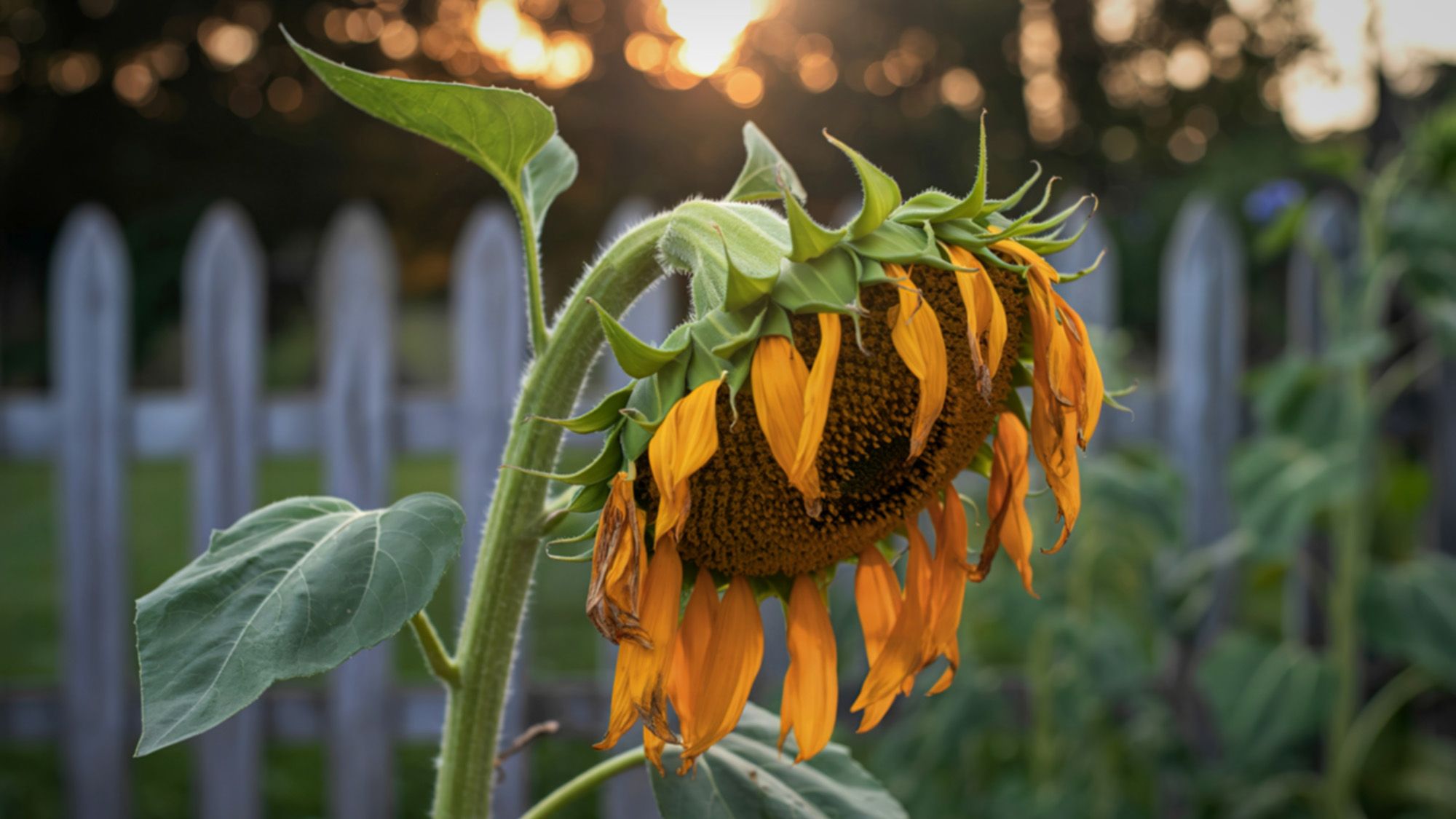
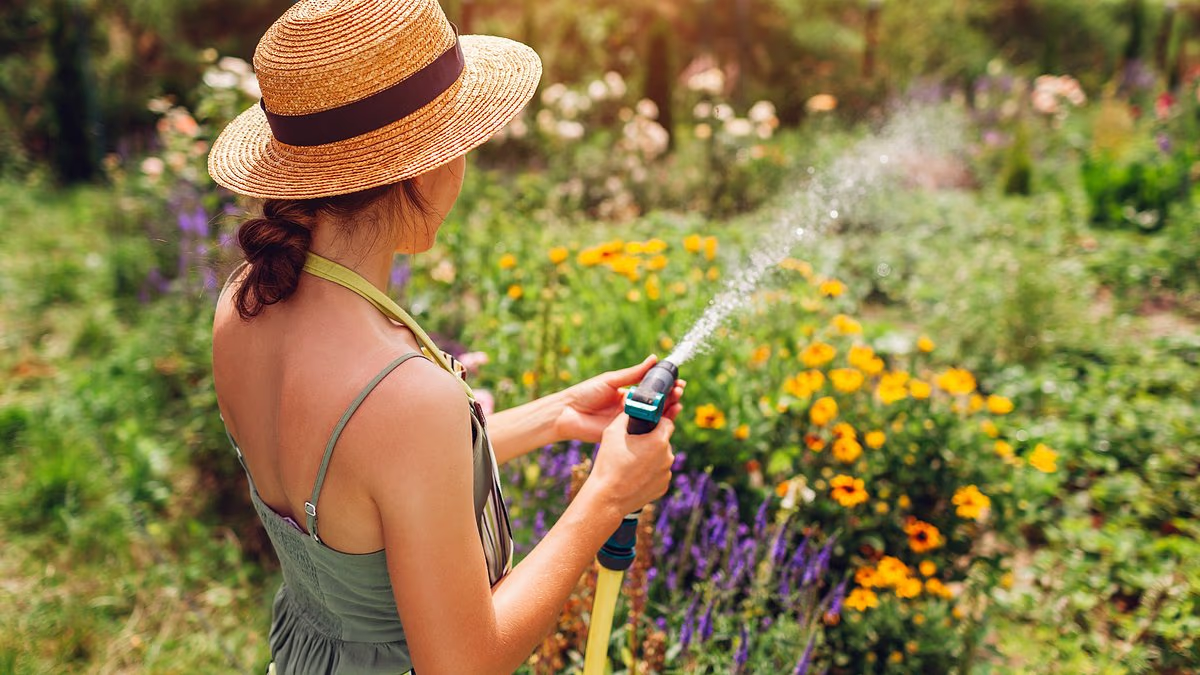
Most gardens that fail during a brutal summer don't fail because of a single dramatic mistake; they fail through a specific accumulation of small, well-intentioned habits that turn out to be counterproductive under extreme heat. Watering every day, for instance, feels like the responsible response to visible wilting, but shallow, frequent watering trains plant roots to stay near the surface, where they're more exposed to heat and drought stress, rather than encouraging the deeper root growth that actually improves heat tolerance — meaning the intuitive response to summer stress is sometimes the specific habit that makes a plant less resilient to it.
The skills in this list address the specific mechanisms through which extreme heat damages plants — water loss through leaves, soil temperature spikes, root stress, sun scald — rather than offering generic "water more" advice, and several of them require recognizing when a plant's stress is a normal, temporary heat response rather than a sign of a problem requiring intervention, since overcorrecting for normal heat stress is itself one of the more common ways well-meaning gardeners damage otherwise healthy plants during a heat wave.