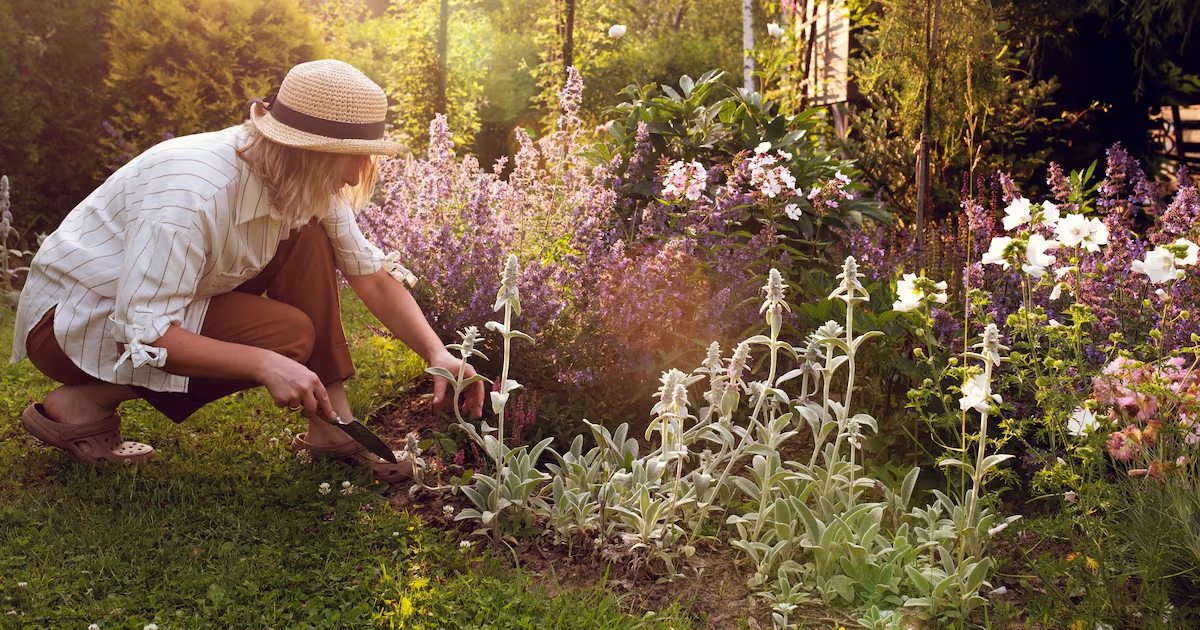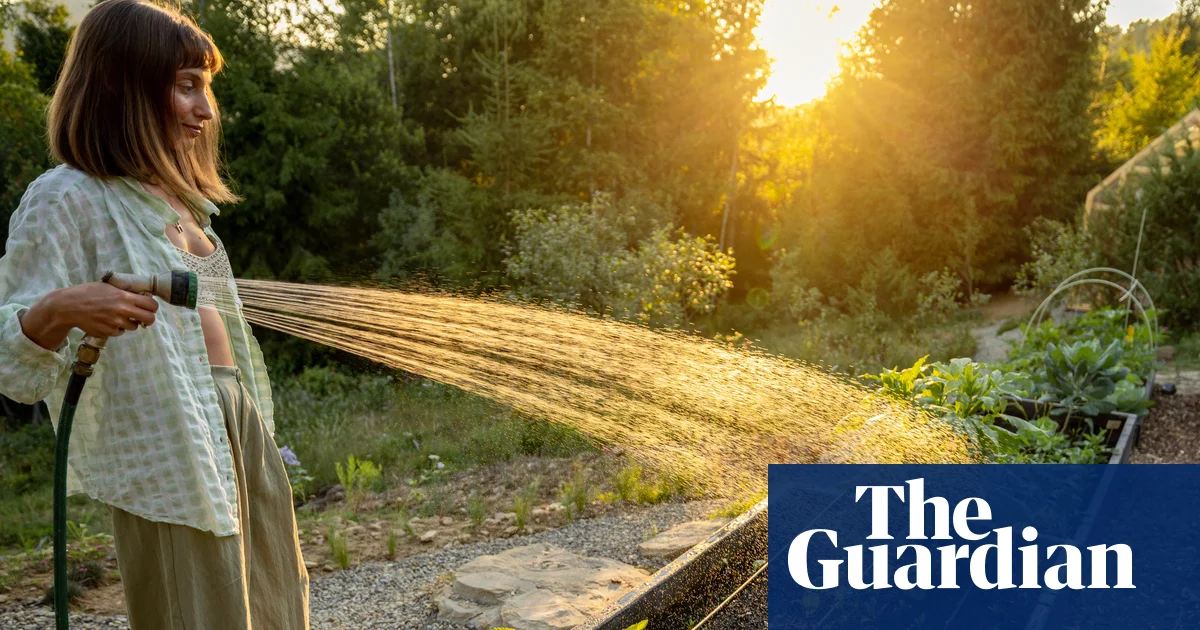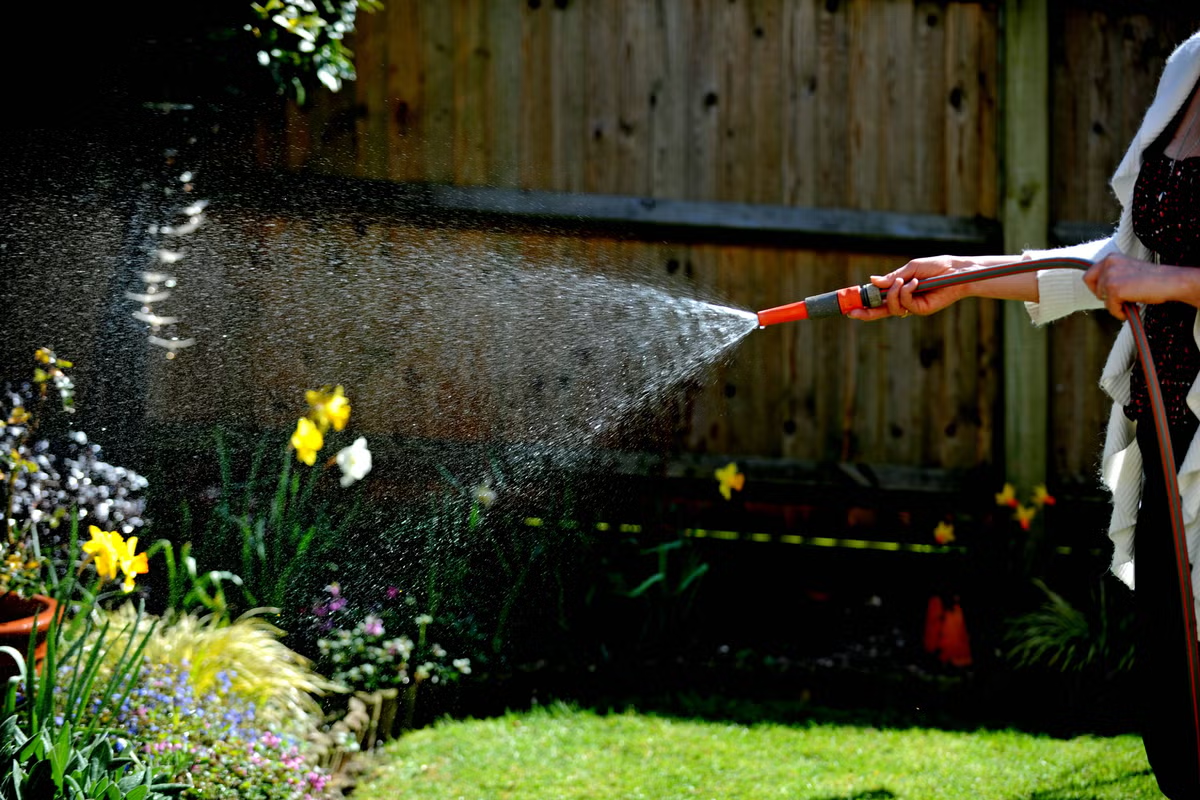
High summer is usually a time of sitting back and enjoying the garden: long, warm, pleasant days and plants growing strongly. But this year we seem to have gone straight to the dog days of summer with hot and dry weather that stresses plants by excess heat and not enough water, reduced growth, and burnt-up lawns. Gardeners are probably entitled to feel a little cheated out of the best of their summer. But it is also a time to see what has stood up well to the conditions in order to guide future planting.
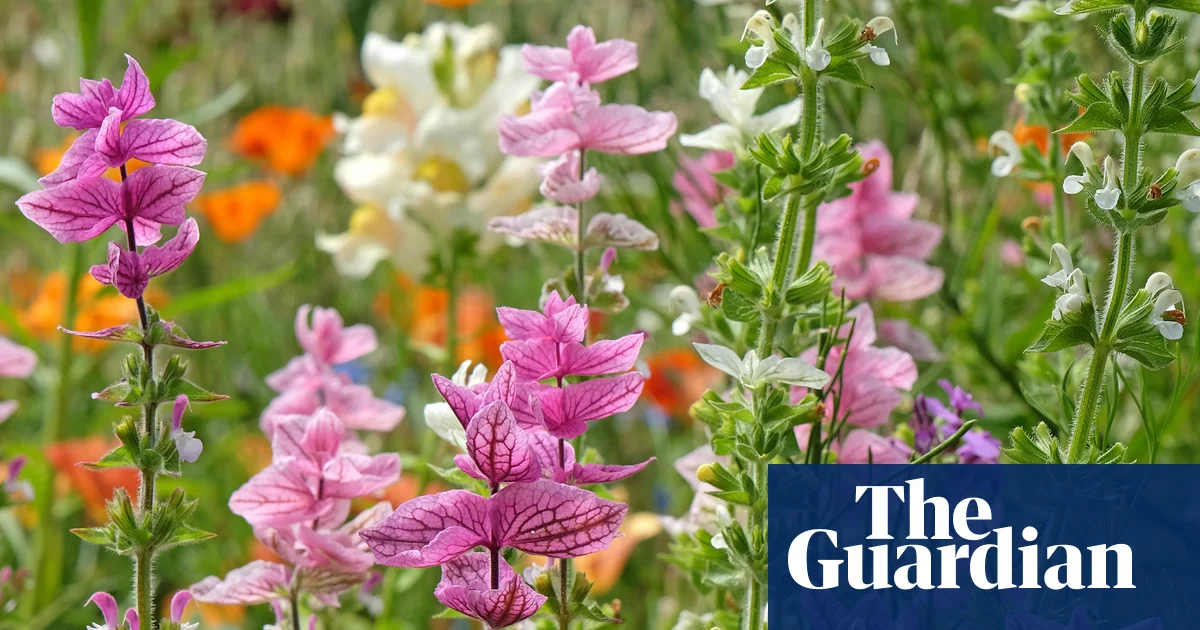
As expected, Mediterranean plants – lavenders and phlomis, for example – have prospered while cottage garden plants have suffered. Other winners include gaura, roses, perovskia, sedum, santolina, Verbena bonariensis and the smaller salvias.
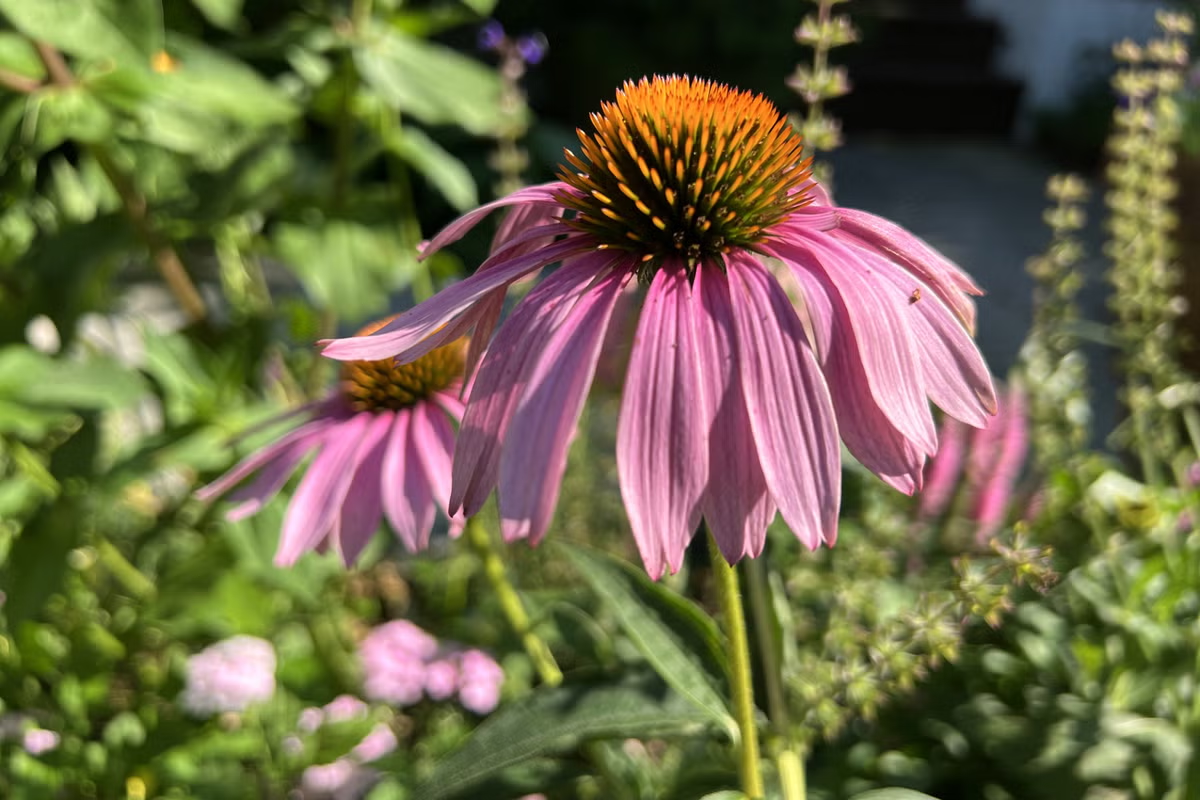
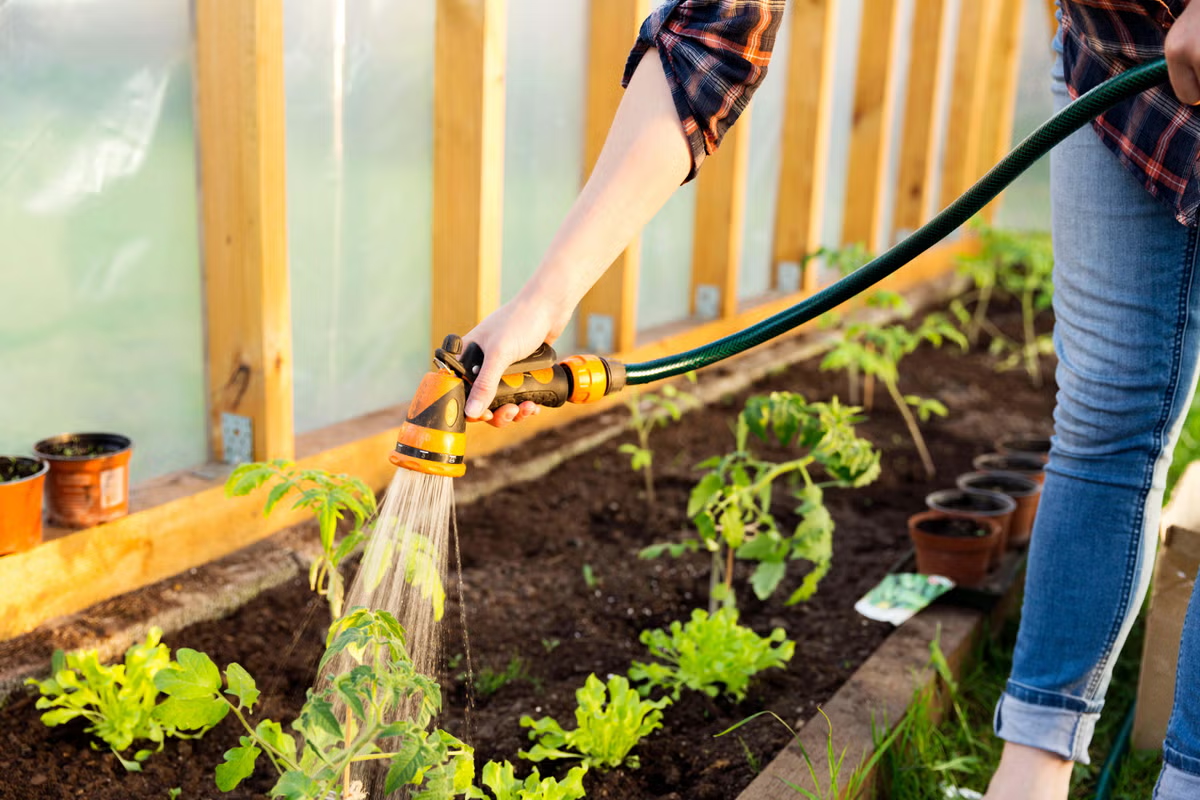
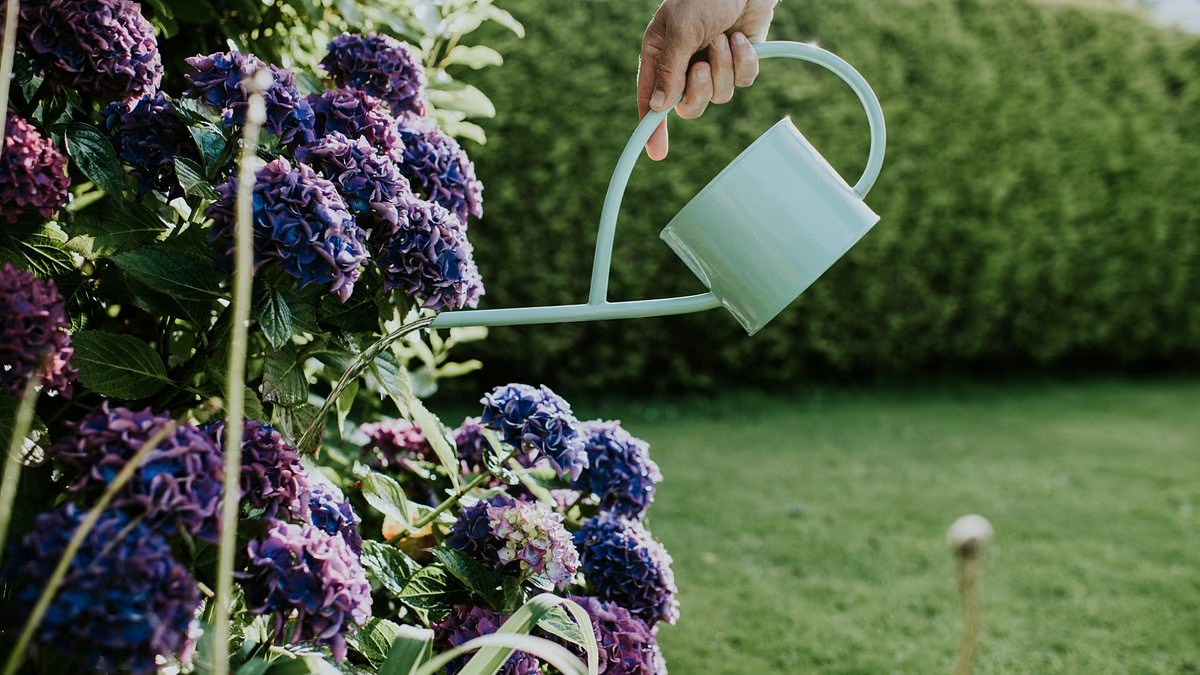
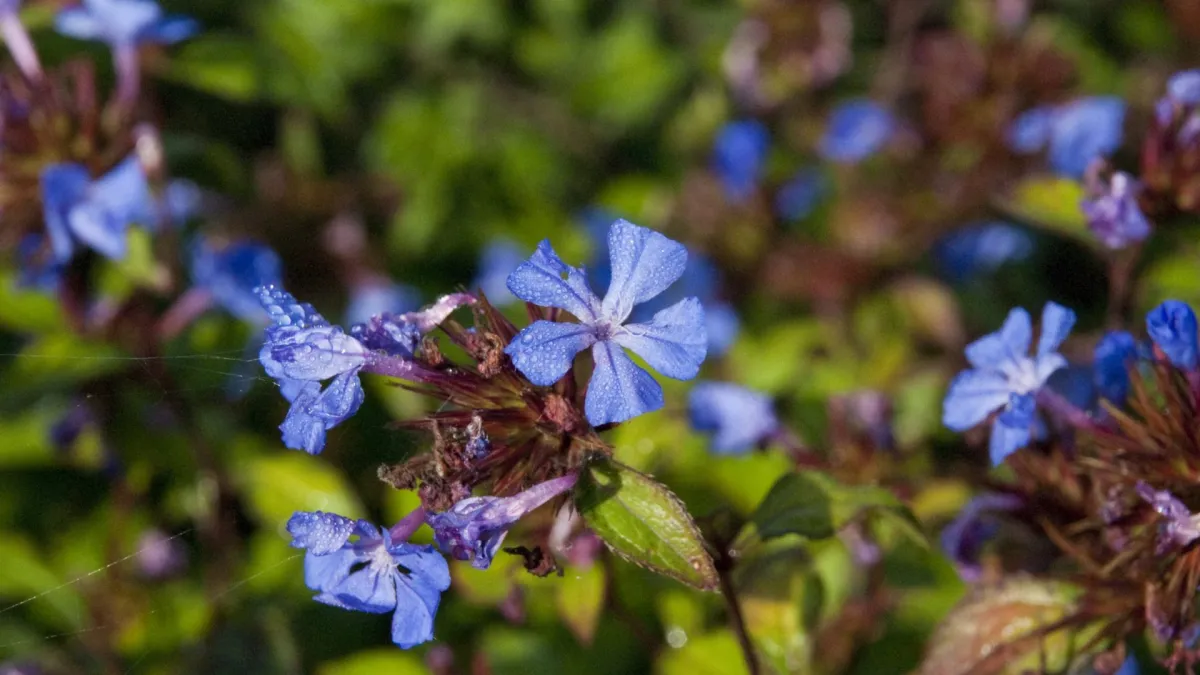
Watering the base of chrysanthemums, dahlias and other sensitive plants with thorough dead-heading will keep flowers coming. Dead-heading will make a small but useful difference to how much water is needed. Later flowering plants such as blue-flowered ceratostigma and Japanese anemones are flowering early, which is very welcome as other summer flowers such as sweet peas are giving over earlier in the heat.
Shorts
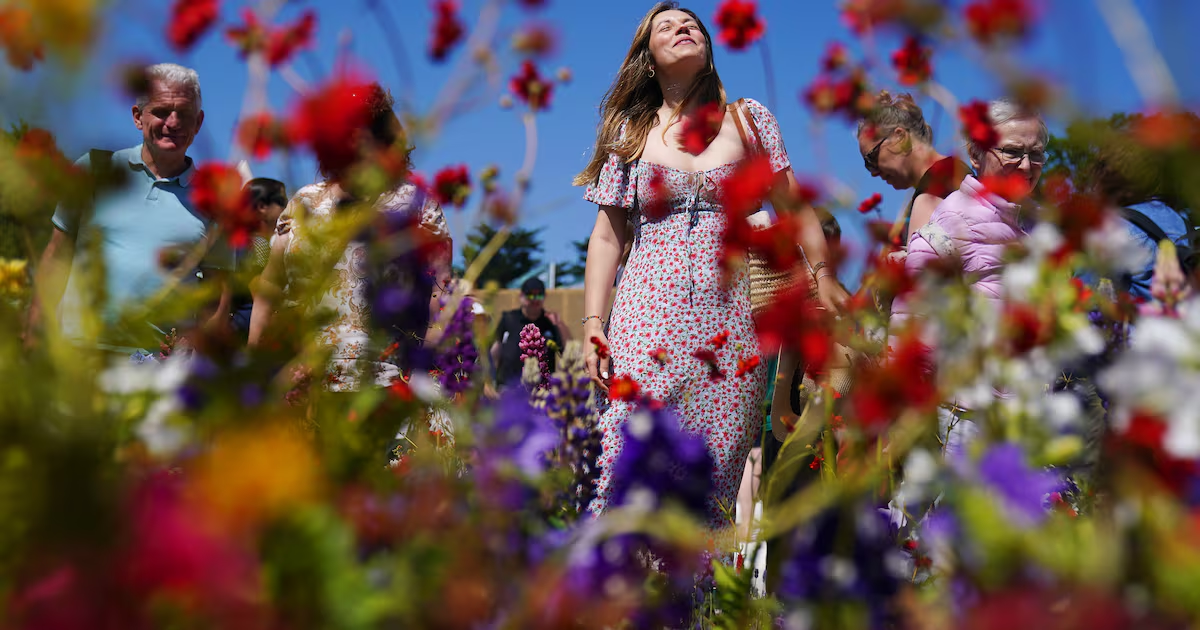
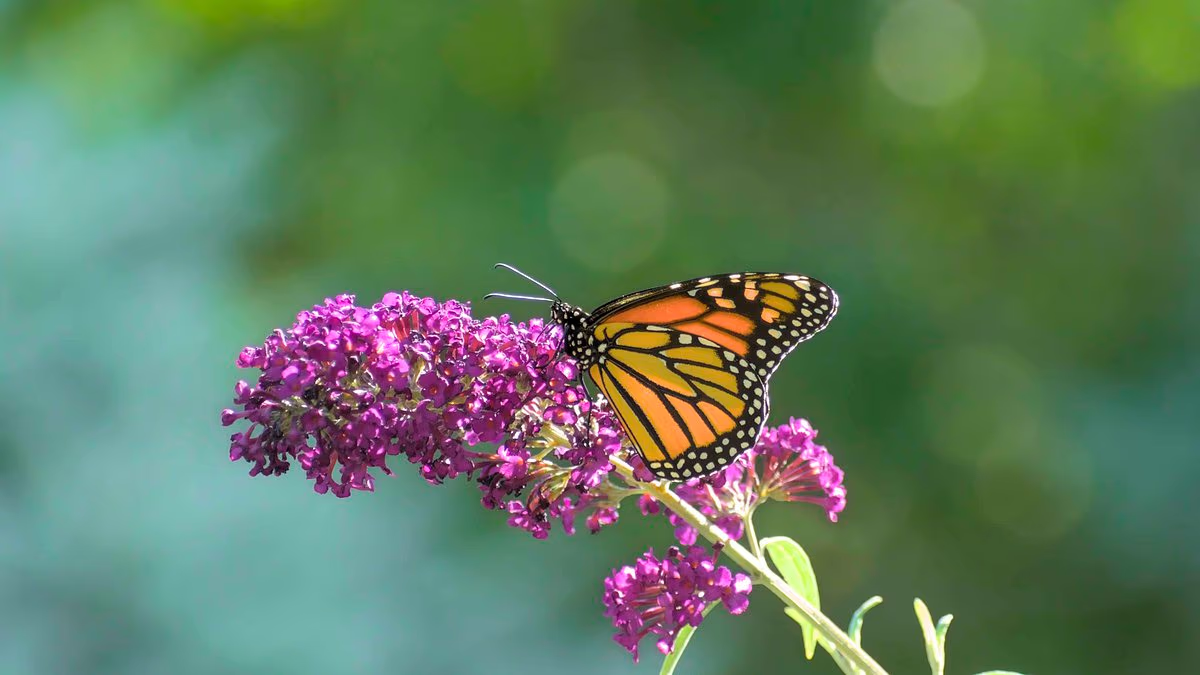
Lawns will green up with the return of rains, so patience is the only option: watering them in a time of water-use restrictions seems a little anti-social. Areas treated as no-mow are more rewarding this year, with spiky grass seed heads and deep-rooted wild flowers – such as knapweed, yarrow and wild carrot – giving a surprisingly bright and pollinator-friendly display. Their sheltered shade keeps the soil relatively cool and provides protection for slow worms and many other insects that are hunted by birds. It is worth taking notes to see what areas can be no-mow next year. Also consider sowing wildflower seeds in the autumn to add to the display next year.