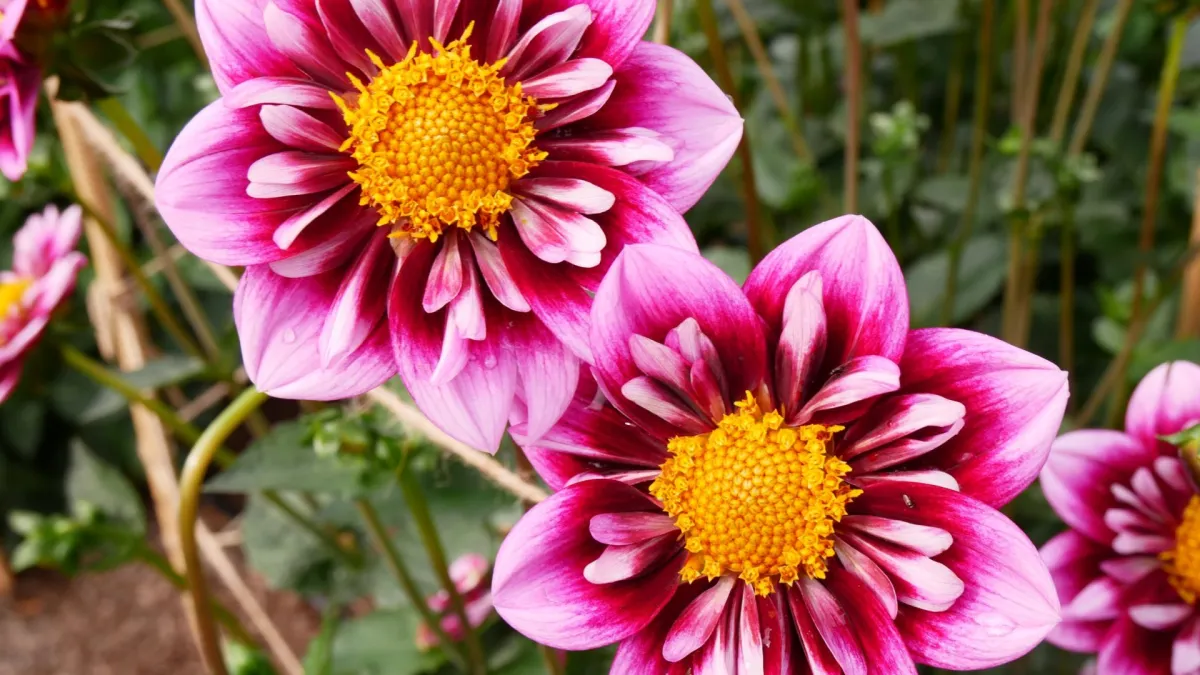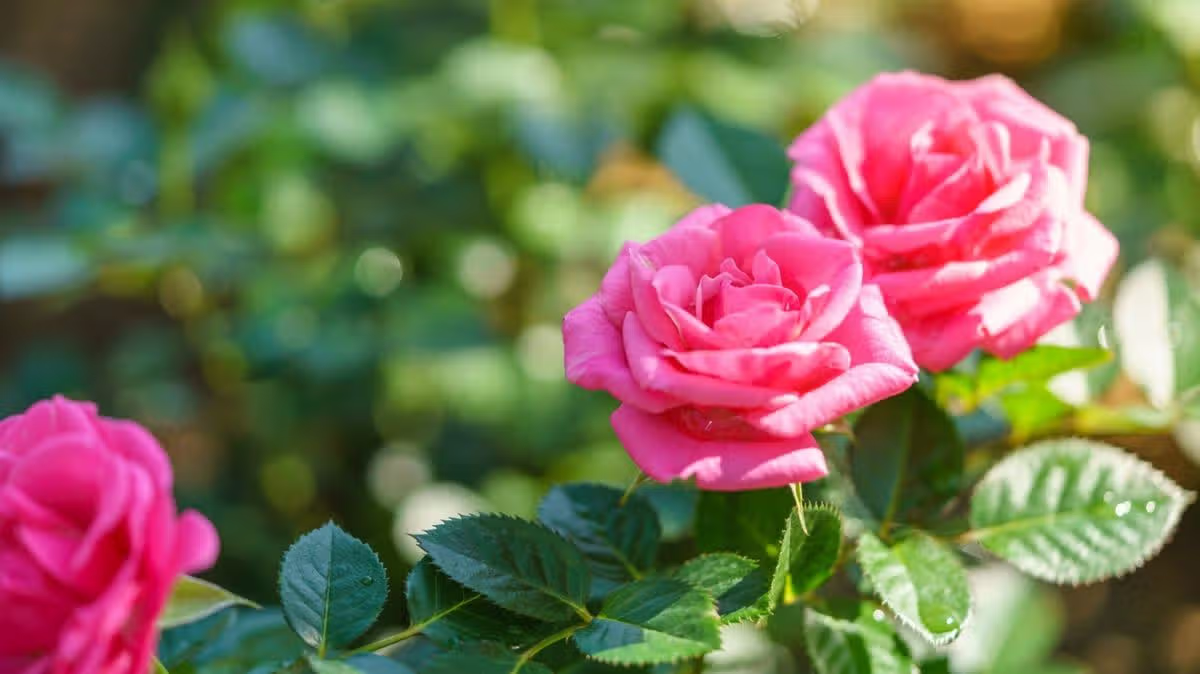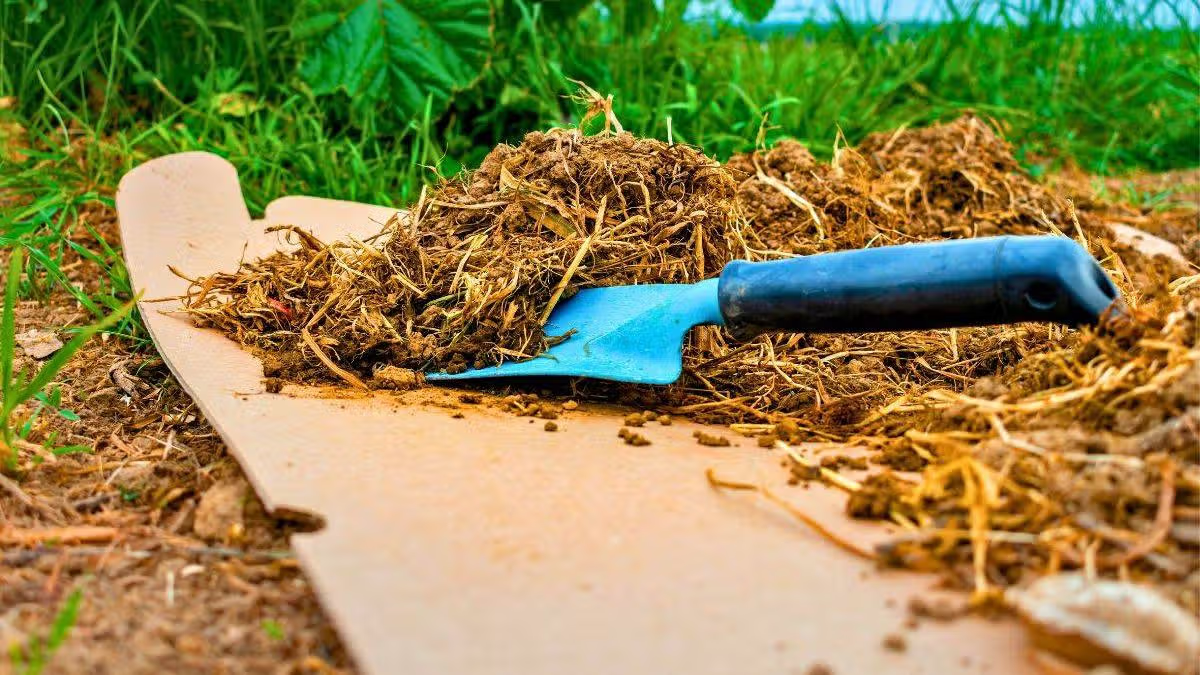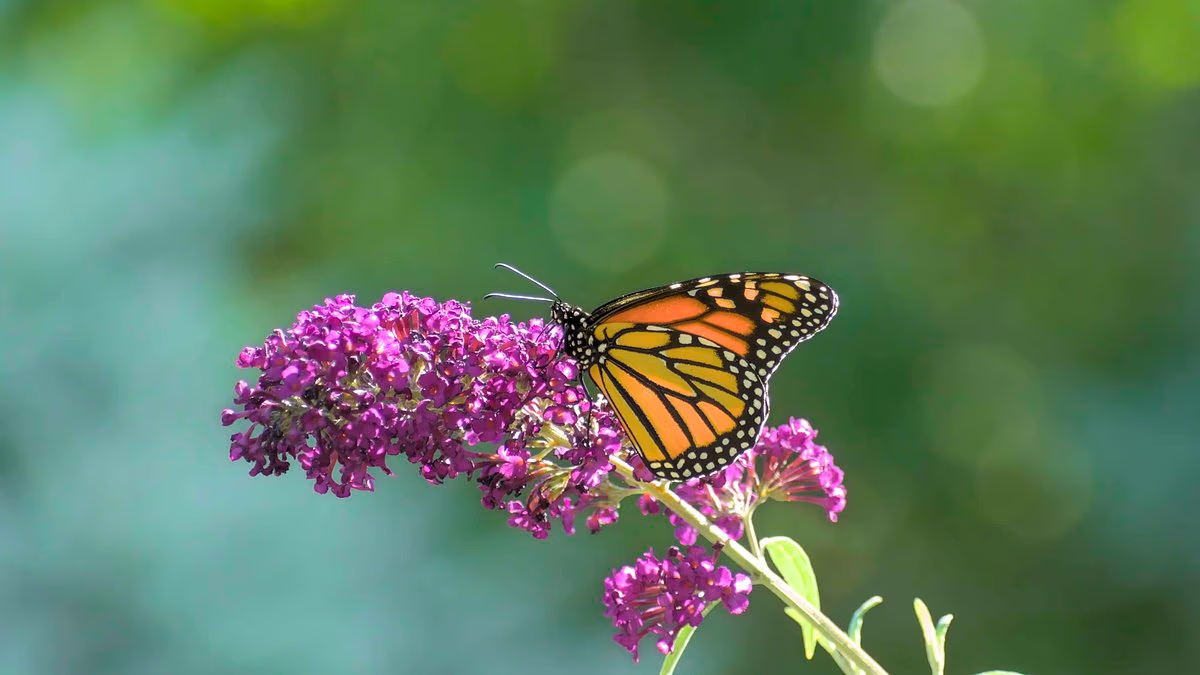
Daily Mail journalists select and curate the products that feature on our site. If you make a purchase via links on this page we will earn commission - learn moreBy July, gardens are in their prime, as flowers have blossomed, fruits and vegetables are ready for harvest and lawns and trees are thriving in the sun. However, gardeners be warned: there is still plenty to do to ensure your garden stays at its best and doesn't succumb to the harsh summer temperatures. Trex landscape gardener, Simon Parry, told the Daily Mail grass should be trimmed often and fed a summer fertiliser to keep it looking lush. He also said to make sure you know the watering needs of your lawn, recommending a good soak approximately once a week. Managing Director of Hopes Grove Nurseries, Morris Hankinson, suggested trimming away any dead flower heads.This will encourage new growths, give existing blooms the nutrients they need and provide a valuable nectar source for butterflies. Summertime is not only the time of year when gardens flourish but also pests like caterpillars and ants. Not all caterpillars need to be banished from the garden, but Tessa Cobley, plant pest expert and owner of Ladybird Plantcare, shared her tips for managing the critters without using any chemicals. Experts have revealed what to add to your gardening to-do list for July including how to keep your lawn thriving as well as how to attract more butterfliesTASKS TO ADD TO YOUR JULY GARDENING CHECKLIST 1. Keep the lawn cut and fedSimon said lawns should be cut little and often in July as slightly longer, regularly trimmed grass will retain moisture and encourage growth. 'This reduces the stress on your lawn and keeps it healthy. Try not to mow in hot conditions; morning or night is best - this allows for reduced heat stress on you and your lawn,' he explained. 'Opt for a summer fertiliser, as it may be the last chance it gets to eat. 'Feeding your lawn later in the season can risk rapid growth in winter, making your garden vulnerable to frost and pests'2. Know how hydrated your grass should beSimon said how often to water your grass varies depending on your own individual circumstances. 'For a well-established, healthy lawn, watering is required less often as it should be able to withstand drought,' he said. 'Even if your grass has gone brown, it should recover as this is often a natural seasonal occurrence. A deep soak once a week, however, encourages root growth - if you don't like the brown grass look.'For new lawns, Simon said, regular watering is required to further establish their root systems and make sure they don't dry out in the heat. 'For the first two weeks after turf is laid, it needs watering one to two times daily and then can be reduced to two or three times per week, as it takes root,' he said. 'Collected rainwater can be used to save water.'3. Weed out the worries'It is important to keep weeds under control, so your family doesn't spend time counting them at the barbecue,' Simon said.'Certain weeds such as dandelions and clovers often grow in July, but the regular mowing of your lawn will help.'Not all weeds need to be pulled, as Simon said some growths, like wildflowers, can attract wildlife. 'But any unwanted weeds can be removed by hand. Weed pullers, trowels and weed killers are all helpful tools to keep weeds under control,' he added. 4. Flower maintenanceWhile it may seem counterproductive, trimming back flowers can make your garden blossom to the max.'Cutting back delphiniums after the first flush of flowers encourages second blooms because the plant does not have to waste energy on seed production,' Simon said. 'Similarly, cutting back geraniums keeps the plant neat and encourages the flowers to flourish.'He added that flower baskets should be pruned and fed to refresh tired displays. You can also start collecting seeds and cuttings from your plants to save and grow next year. 'If you have any gaps in your garden, start planning and research what plants will fit,' Simon added.5. Get rid of dead flowers to attract butterflies Morris warned some butterfly-favourite flowers can start to fade by July.'It's important to make sure there are plenty of plants for pollinators for as long as possible throughout the year,' he said. 'A valuable July gardening task for continuing to support butterflies is to remove spent blooms from nectar-rich flowers such as Echinacea, Monarda, Zinnia and Cosmos.' Managing Director of Hopes Grove Nurseries, Morris Hankinson shared the simple trick for attracting butterflies to your gardenSimon said 'deadheading' flowers like roses, dahlias, lupines, peonies, cosmos, salvias and delphiniums should also be done in July. 'To deadhead flowers, pinch, snap or cut off faded blooms, using your finger and thumb or scissors,' he explained. Morris added: 'This encourages the plants to keep producing new flowers, providing a continuous nectar source when many butterfly species are actively feeding and breeding.'6. Watch out for caterpillarsBefore deadheading your florals, Morris said to first check carefully for caterpillars or chrysalises before pruning.'Avoid using insecticides which can harm both butterfly larvae and adults, along with many other beneficial insects,' he said. Tessa said it's important to know which caterpillars are good for your garden and which are 'eating machines' that will snack on and damage your plants. 'Not every caterpillar needs to be removed,' she said. 'Many species eventually become important pollinators, and caterpillars themselves are a vital food source for birds and other wildlife. The aim should be management rather than complete eradication.'One sign of caterpillar activity is foliage with irregular holes, chewed edges and skeletonised leaves, according to Tessa. 'You may also notice small black droppings (known as frass), webbing, or leaves that have been folded or tied together to create protective feeding sites,' she explained. 'Adult moths and butterflies often lay their eggs on the undersides of leaves, and clusters of eggs may be hidden inside leaves that have been webbed shut.'Tessa said the good news is that caterpillar problems can often be managed effectively without resorting to chemical pesticides. Using physical barriers can deter egg laying. Fine-mesh netting will stop moths and butterflies laying eggs without impeding your plants from getting light, air and water. Tessa said to inspect plants regularly for eggs, webbing, folded foliage and caterpillars.Those with small infestations can hand-pick away eggs, egg clusters and caterpillars, but gloves are recommended. Tessa said encouraging natural predators like birds, predatory insects and parasitic wasps can ward off pests.'Providing habitat through diverse planting, insect-friendly flowers, nesting sites and water sources can encourage these natural allies to take up residence in the garden,' she said. Applying beneficial nematodes to your plants can also naturally curb caterpillar infestations. 'These microscopic organisms seek out and control specific caterpillar pests without harming plants, pets or beneficial insects,' Tessa explained. 7. Ward away ants'Keeping your garden lush can be affected by the presence of an ant nest, which is more likely to occur in summer,' Simon said. 'Although ants can support your garden's biodiversity, the nests can create mounds which cause uneven surfaces and allow weeds to grow.'He offered a simple fix to rid your garden of ant nests: pick a dry day to sweep away the soil mounds above the nests with a broom.You can also use ant deterrents if they keep returning.
The tasks to do in the garden in July for a flourishing summer lawn
We've now entered the hottest month of the year and the time our gardens are flourishing. There is still plenty to be done to maintain your garden and protect it from scorching summer temperatures.
1,229 words~6 min read