(Image credit: Shutterstock)
July is when gardening protocol gets complicated, if not downright contradictory. On one hand, garden centers are still packed with tempting, vibrant summer annuals. On the other hand, prolonged heatwaves and drought conditions across the U.S. are leaving even established plants struggling to survive.This gap between promise and practicality is becoming an increasingly common problem for gardeners. As climate patterns shift, many people are finding that traditional planting calendars don’t always match the conditions they’re experiencing in their own backyards.This shift means that a task that might have been perfectly reasonable in July a decade ago can now be much riskier — especially during a stretch of 95°F weather. So, what can you plant in July, and what should you leave out?The challenge of climate change
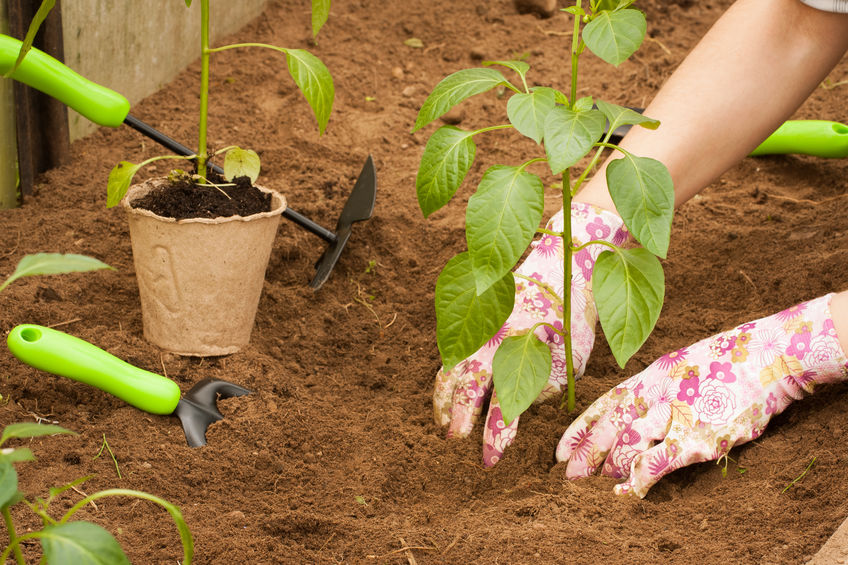
(Image credit: Getty Images)"The most disruptive change that is impacting many gardeners today is the increasing occasions of brutal summer heat and humidity driven by events like El Niño,” said John Cho, founder of gardening weather app My Cozy Plant.Fortunately, rising summer temperatures don’t necessarily mean you need to stop planting altogether. The key is understanding which plants are likely to cope with summer conditions, which ones are best saved for cooler weather, and how to give new plants the best possible chance of success.Why does hot weather make planting more difficultThe biggest challenge isn’t usually the heat itself; it’s what the heat does to a plant’s roots.Whenever you move a plant from a pot into the ground, it experiences some transplant shock. During this period, the plant is trying to establish new roots while also supporting its existing leaves and stems — a tricky job. Hot weather makes that process much harder because it makes moisture evaporate more quickly from both the soil and the foliage.Get instant access to breaking news, the hottest reviews, great deals and helpful tips.“Even native plants need time to establish healthy root systems during the milder seasons before they can withstand prolonged heat and drought,” warns Kate Schneider, founder and CEO of Ibis Coastal Landscapes, a concierge landscaping boutique. “Planting in the middle of summer asks them to survive some of the year’s harshest conditions before they’ve had a chance to get established.”This has always been an issue during the height of summer, but now the window of extreme heat is widening. According to Cho, gardeners are already adjusting their planting habits in response to changing weather patterns.We are starting to see some gardeners planting earlier than normal to ensure plants have established root systems by the time the brutal heat kicks inJohn Cho, Mr Cozy Plant"We are starting to see some gardeners planting earlier than normal to ensure plants have established root systems by the time the brutal heat kicks in,” said Cho. “Fall planting is quickly becoming a popular window for putting new things in the ground.”As a general rule, Cho recommends avoiding planting when temperatures are consistently above 85°F. Schneider agrees, adding that many plants begin diverting energy toward survival rather than root development once temperatures reach the 90s, as photosynthesis becomes less efficient.That said, not every plant reacts the same way. Heat-loving flowers and vegetables can still perform well, while cool-season crops are likely to struggle.Plants that are best avoided in July