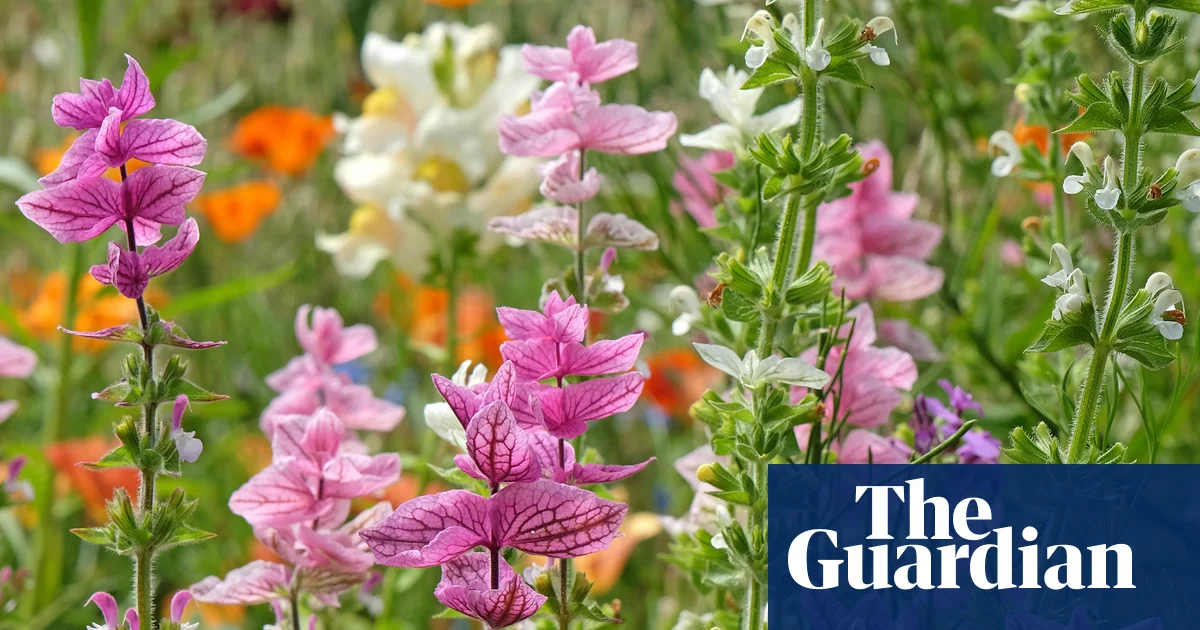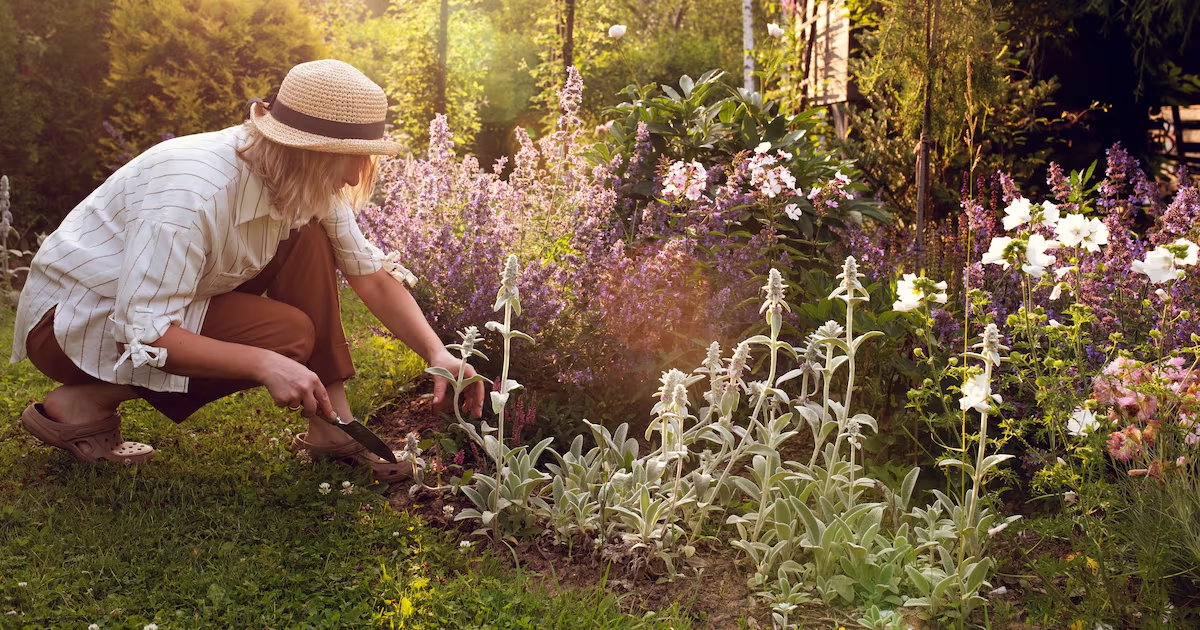
Can you believe it’s already August? It feels as though we’ve suddenly leapfrogged from spring into late summer without pausing for breath, a change of gears that’s showing itself in the garden in myriad different ways, from ripening seedheads and yellowing lawns to fruit swelling on trees. Given this year’s repeated fierce heatwaves, many gardens are also looking a little tired. If this rings true, there are some useful ways to refresh the planting and keep the show on the road for many months to come.Seedheads of ornamental fountain grass. Photograph: Getty Start by taking a long, hard look at any pots, containers, hanging baskets or window boxes, because nothing says “I’ve completely thrown in the towel” more dolefully than one filled with dead or dying plants.Be ruthless. Use a secateurs or scissors to cut away any faded flower stems or dead or badly discoloured leaves from these. Then bin any plants that look unlikely to recover and replace them with new plants to fill in the gaps.Before you do the latter, bear in mind that the compost you’ve used to fill your pots and containers has at this stage almost certainly run low on plant nutrients. Given the extreme heat of recent months, it’s also likely to be very dry at the base of these same containers. To counter this, soak these very thoroughly, ideally by placing them in a wheelbarrow filled with water. Lots of bubbles appearing is a sign of lots of air pockets in the compost, a result of it shrinking as it dried out, so allow it to bottom-soak for at least a couple of hours. Next, top-dress with a little slow-release organic pelleted fertiliser mixed in with some fresh potting compost to help reboot tired plants and encourage fresh growth. Then in a few days’ time, follow this with a good quality liquid feed, which will further help to top up plants’ energy levels and help them find a new lease of life.When it comes to choosing suitable plants to fill the gaps, don’t bother with conventional summer bedding plants such as lobelia, begonia and pelargoniums unless they’re already large, healthy and flowering, which you’re unlikely to find in garden centres at this late stage of the summer. Instead bear in mind that you can use a mixture of late-summer-flowering perennials and young shrubs, as well as high-octane, half-hardy, floriferous species such as dahlias and salvias.Salvia nemorosa 'Caradonna'. Photograph: Getty Dahlias. Photograph: iStock Flowering plants aside, don’t for a moment discount the power of ornamental foliage to equally transform a less-than-impressive-looking summer container. Ornamental grasses look great and will add a relaxed, contemporary feel, as will dwarf conifers, fatsia, heuchera and heucherella. Given the timescale involved, also don’t worry about any of these replacement plants getting too big for their boots. They’re not likely to start doing so before late autumn, at which point they can be usefully repurposed by giving them a more permanent spot elsewhere in the garden.I wrote a few weeks ago in this column about various useful ways to fill gaping holes in summer flower beds and borders, from temporarily plunging potted plants into them, or using fast-growing annuals such as cosmos and nasturtiums, to cutting back and then very generously watering and liquid-feeding any badly fading summer-flowering perennials, or plugging gaps with late-flowering perennials and shrubs. All are equally useful ways to visually revive tired, drought-hit borders. But just bear in mind that you should only liquid feed after making certain to very thoroughly soak the plants’ root balls first and giving them at least a few hours to rehydrate.Suitable long-lived candidates that I’ve used as temporary impactful fillers in the past include some largish pot-grown specimens of Hydrangea paniculata ‘Limelight’, late-flowering grasses such as Panicum ‘Hameln’, fast-growing, long-flowering shrubby salvias such as Salvia ‘Cerro Potosi’ and Salvia ‘Phyllis Fancy’, and penstemons and dahlias, all of which are guaranteed to give a valuable sense of lushness. Then in very late autumn I either gave these plants a more permanent planting spot elsewhere or, in the case of any of the more tender species, moved them undercover over the winter months (not necessary in milder parts of the country).Something as straightforward as crisply edging a tired border will also make it look instantly better. Ideally use a sharp half-moon edging iron to do this, first marking out the lines with a plank or hose to avoid the visual irritation of a wobbling line. Then use a hoe to create a slight hollow along this line between the edge of the lawn and the border, which will further define it and help prevent any messy crossover of weeds or grass. If budget allows, you could also consider permanent edging as a way of easing the chore of maintenance and keeping it looking smart. Corten steel, brick and stone setts are all very suitable for this purpose.Deadhead carefully. Photograph: iStock Finally, careful deadheading will also do a lot to improve the appearance of tired plants and keep them producing flowers for as long as possible. But just bear in mind that this will also prevent them from self-seeding as well as rule out the possibility of you being able to harvest ripe seed from them later in the year. In this sense, nature plays the long game, a valuable reminder to us gardeners to try to do the same.This week in the gardenThere’s still time to divide the fleshy root systems of bearded irises, using a garden fork to gently prise the plants out of the ground and then pulling them into smaller parts by hand, making sure to discard the tired, woody centre of the plant. Replant these new sections quickly back into the ground, working a little slow-release fertiliser into the soil first and making sure to leave their upper fanks exposed to light while cutting any leaves back by half.Cut strawberry runners from the parent plant and pot them up in to individual containers, using a good-quality potting compost. Water well and place in a bright spot but out of direct sunshine, keeping them well watered to encourage good root growth.Dates for your diaryCarlow Garden Festival Continuing today and tomorrow, with talks today by the English garden designer and writer Bunny Guinness at Huntington Castle (3pm) and the British gardener and nursery owner Helen Picton of Old Court Nurseries and Picton Garden at Delta Sensory Garden (11am), and then the Laois-based writer and gardener Mary Keenan of Gash Gardens tomorrow at Beam Barrow Experience Gardens in Bagenalstown (11am). Booking essential, see carlowgardentrail.com and carlowtourism.com
How to revive your tired late summer garden
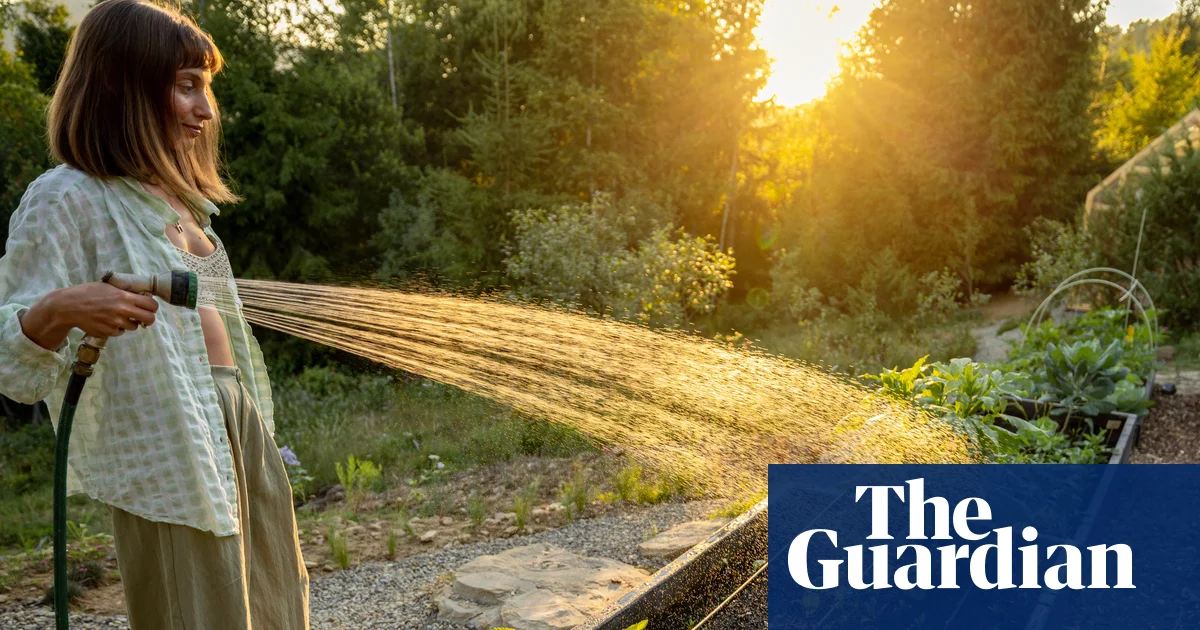
Ruthlessly cut out any vegetation that heatwaves have left withered and yellowing before judiciously filing in the gaps left behind
1,095 words~5 min read