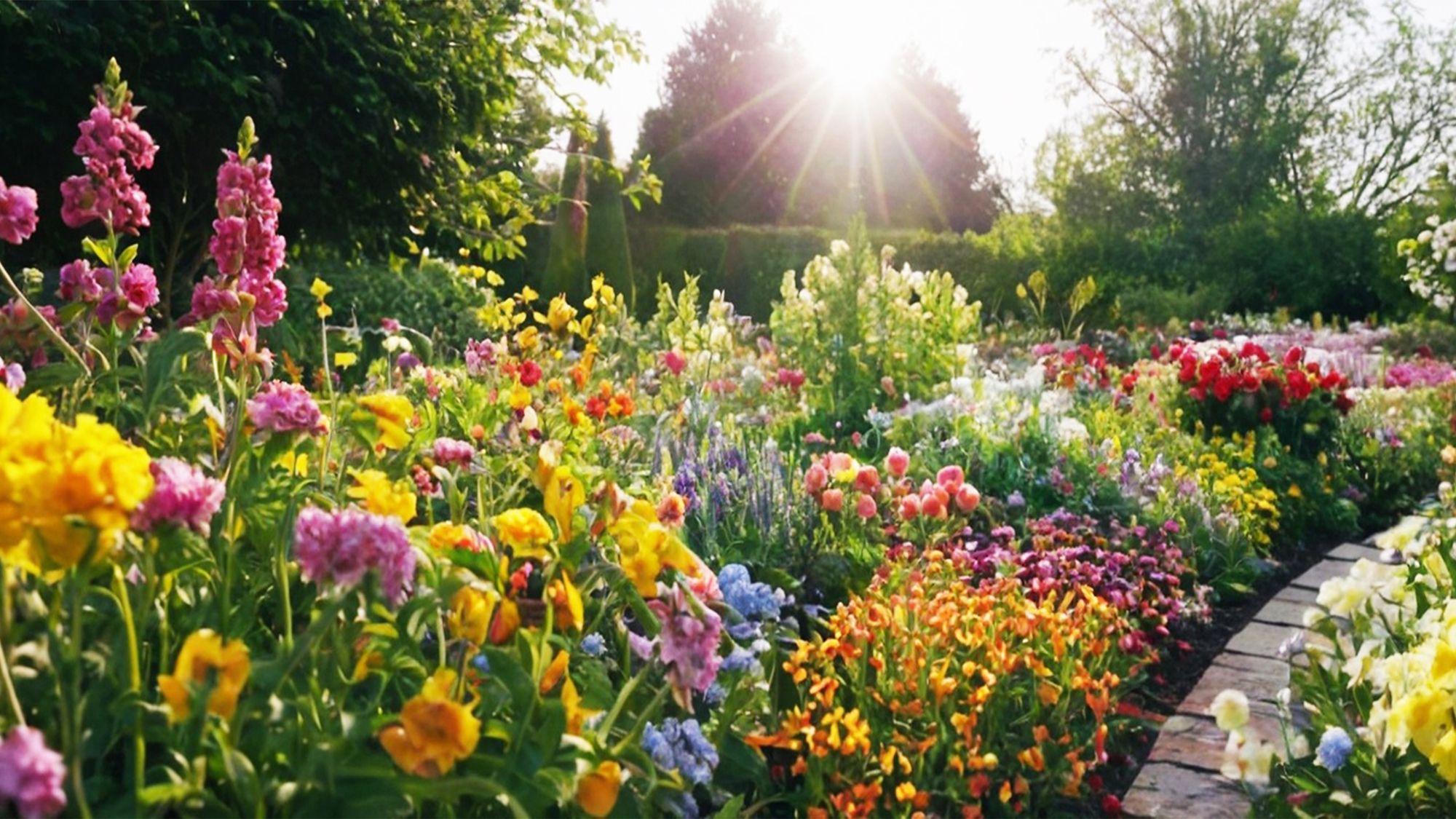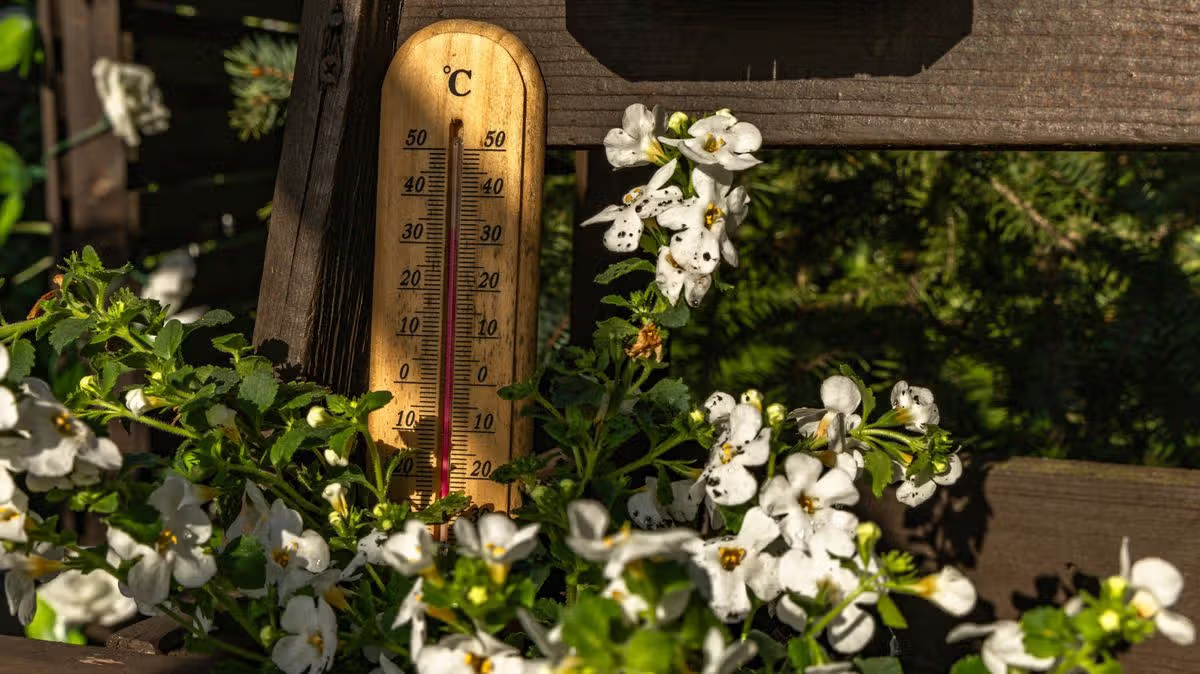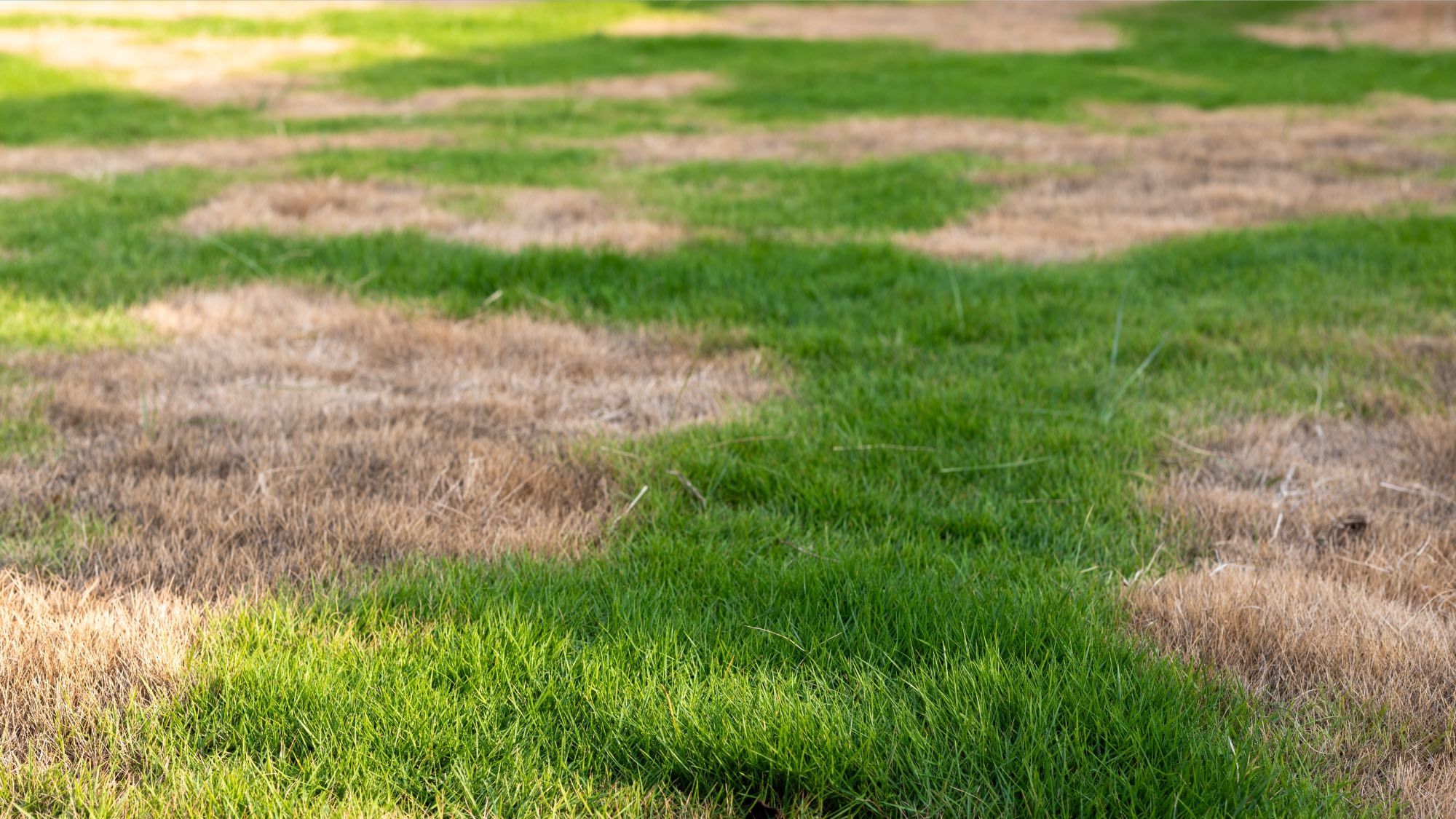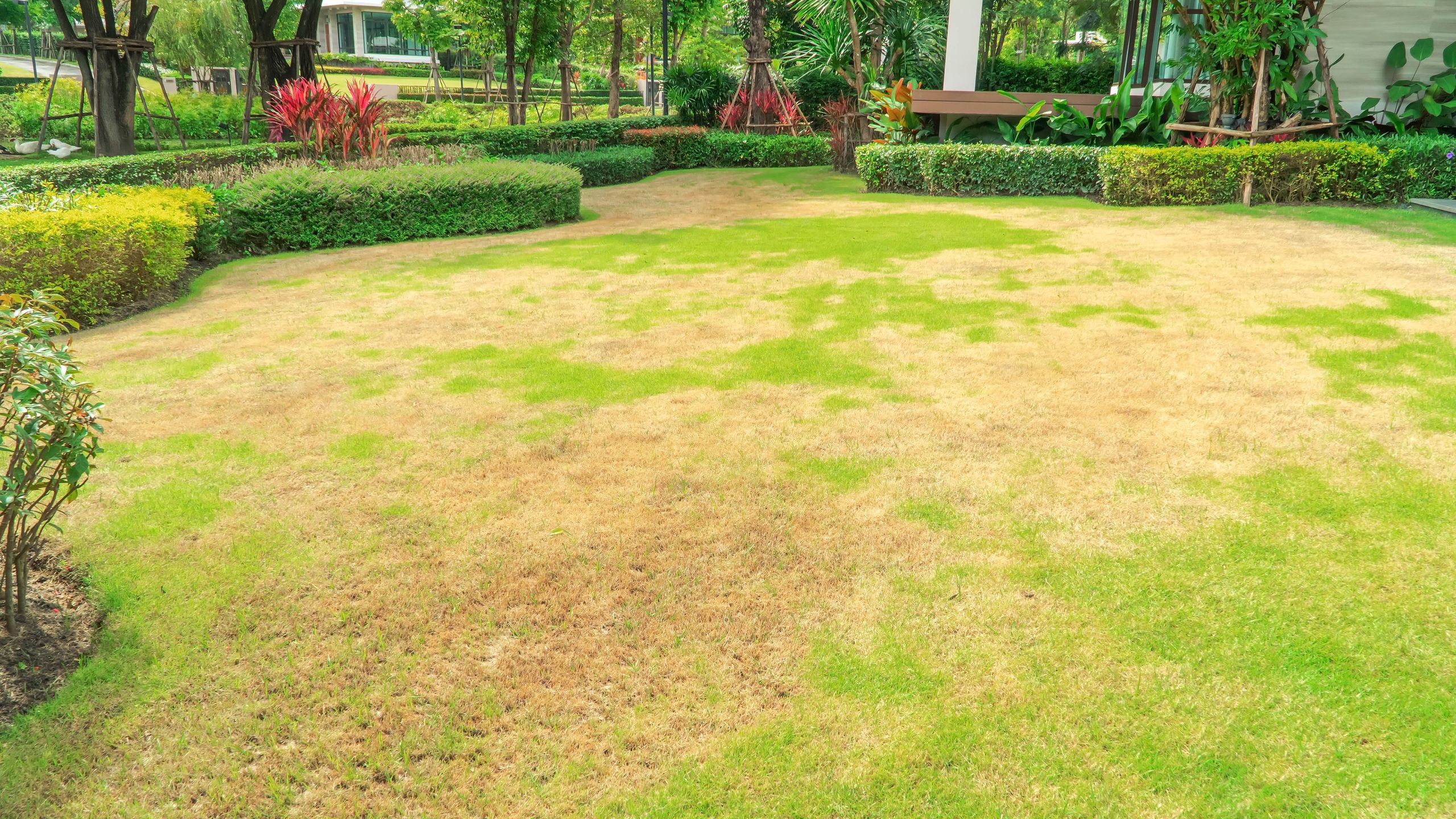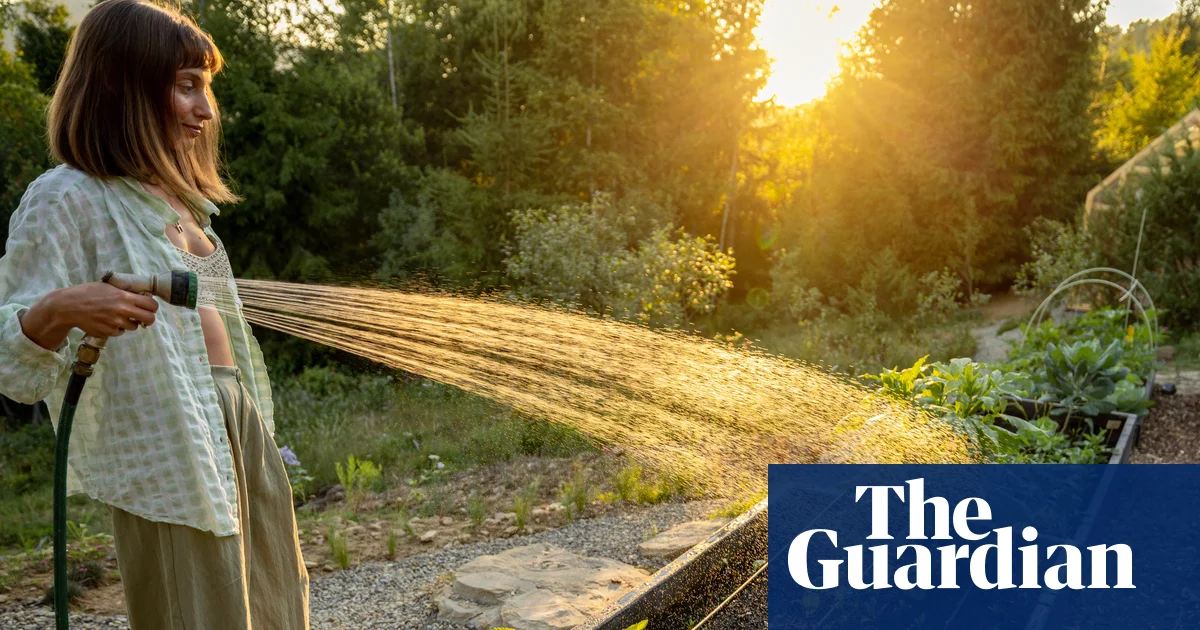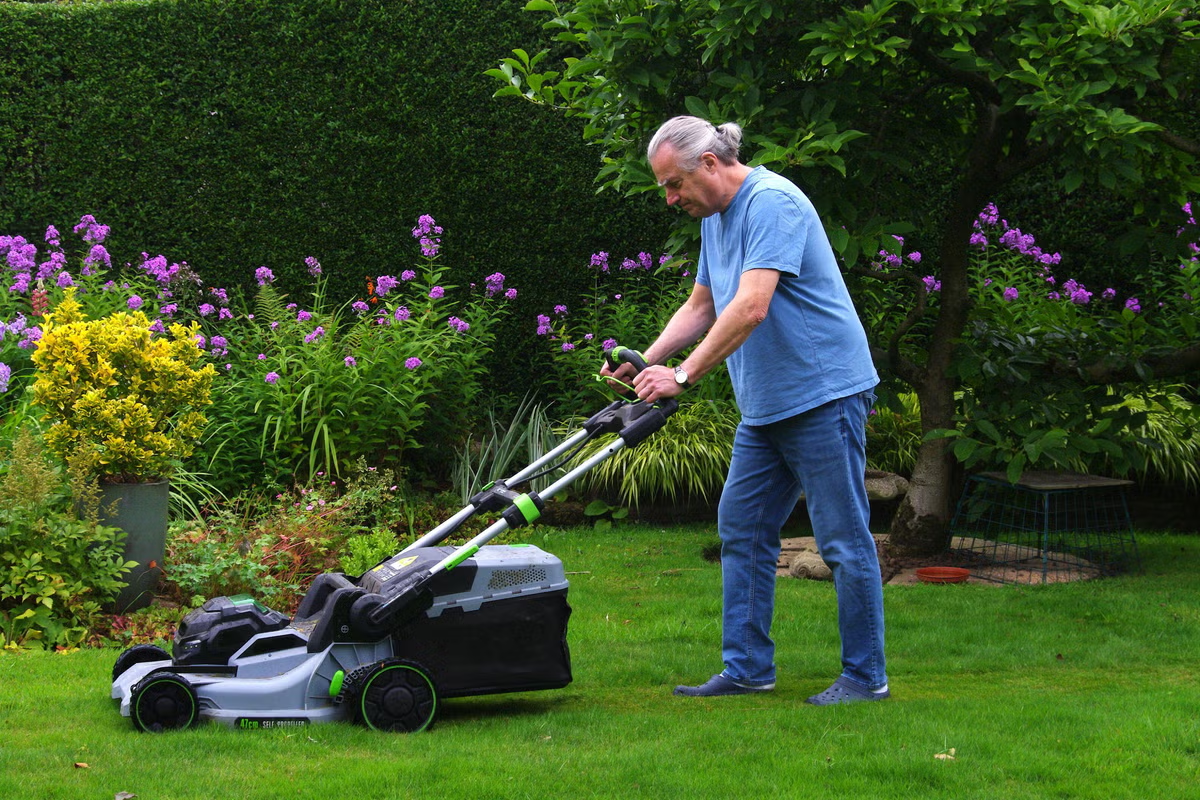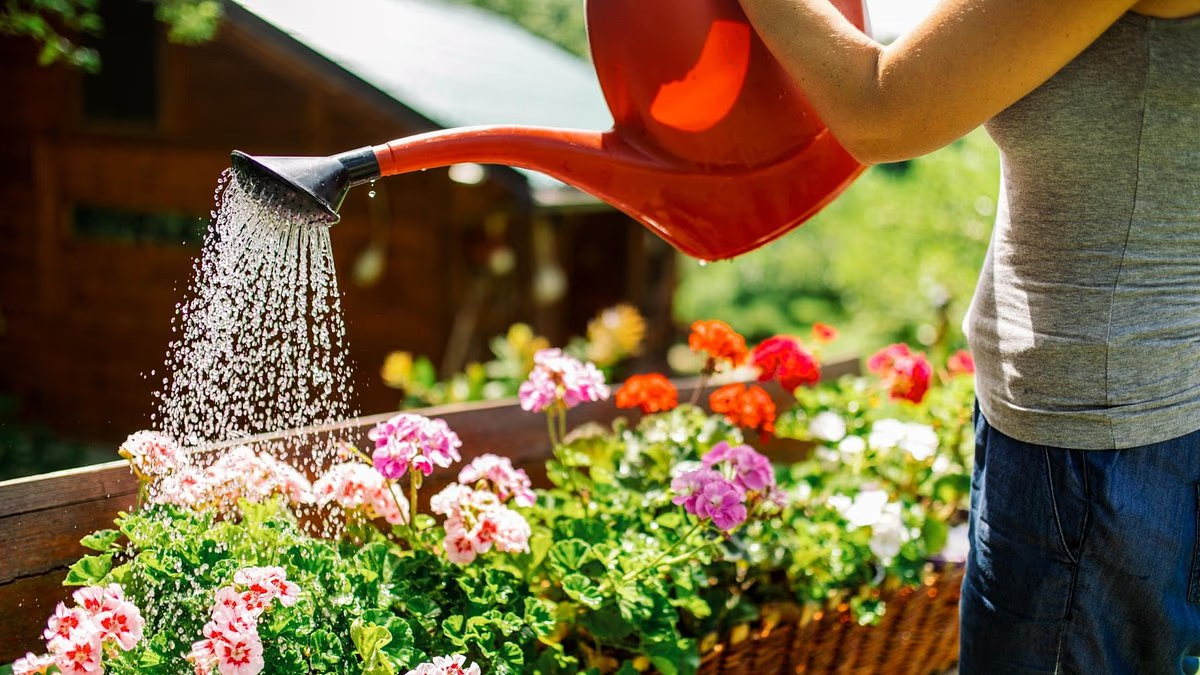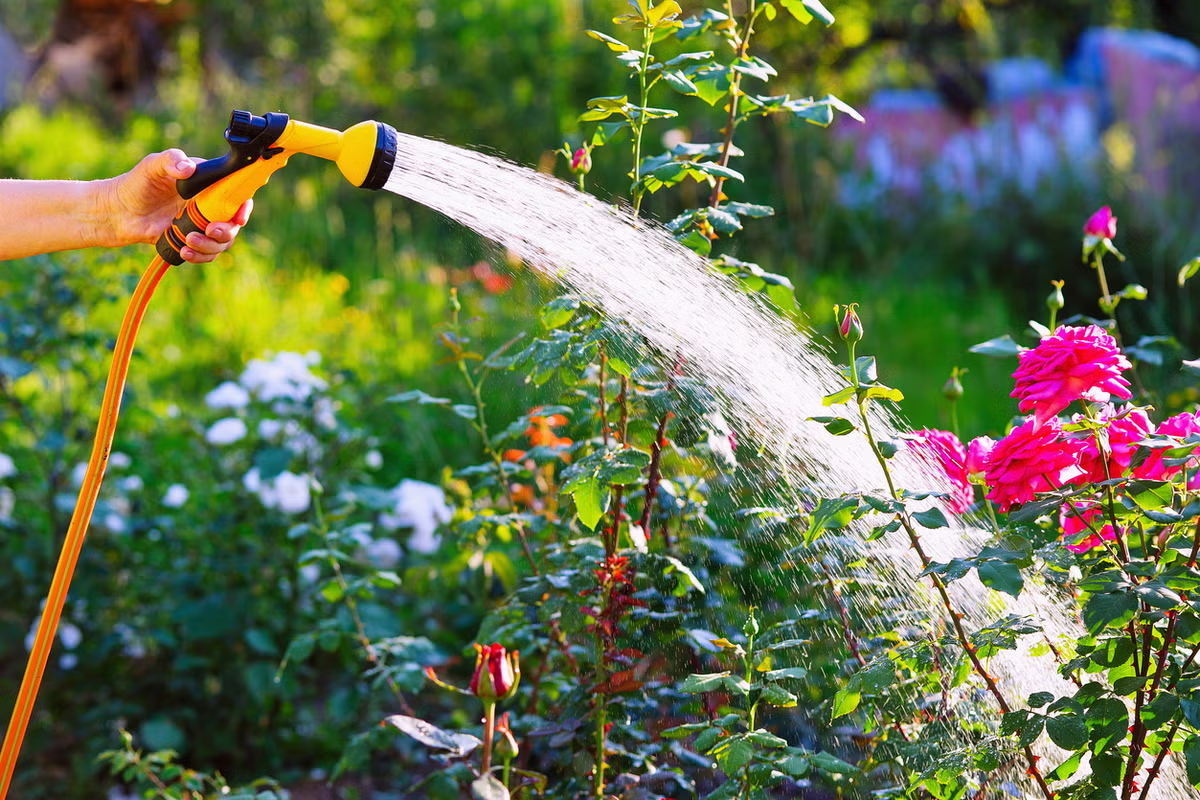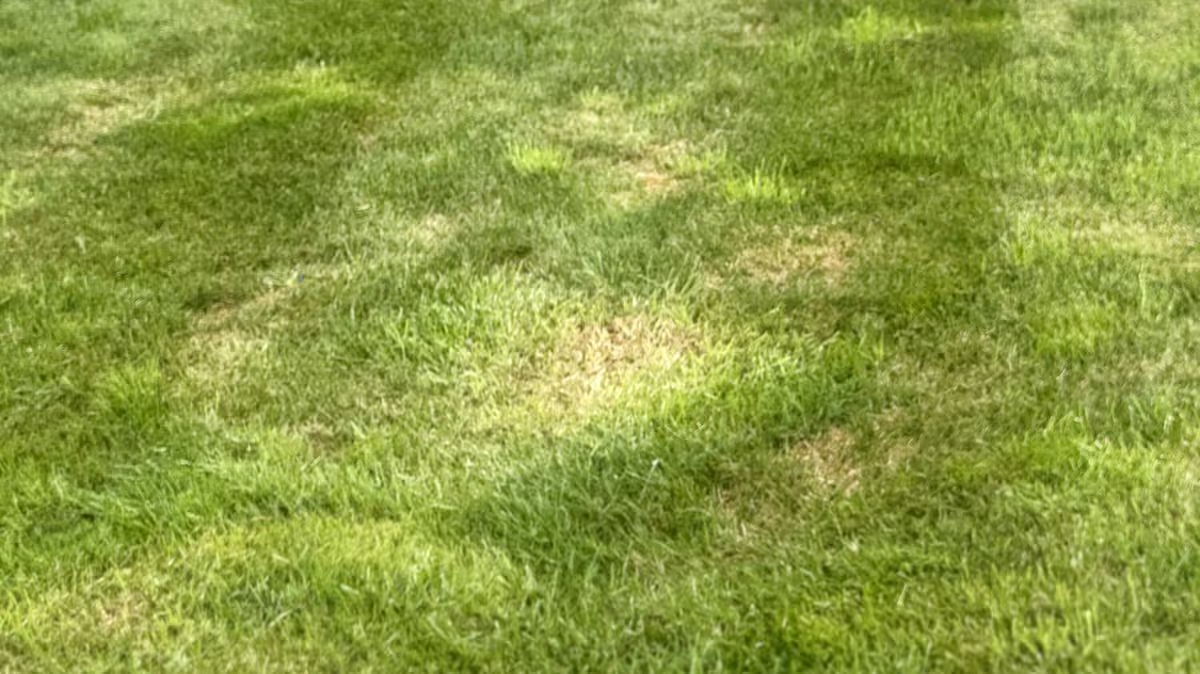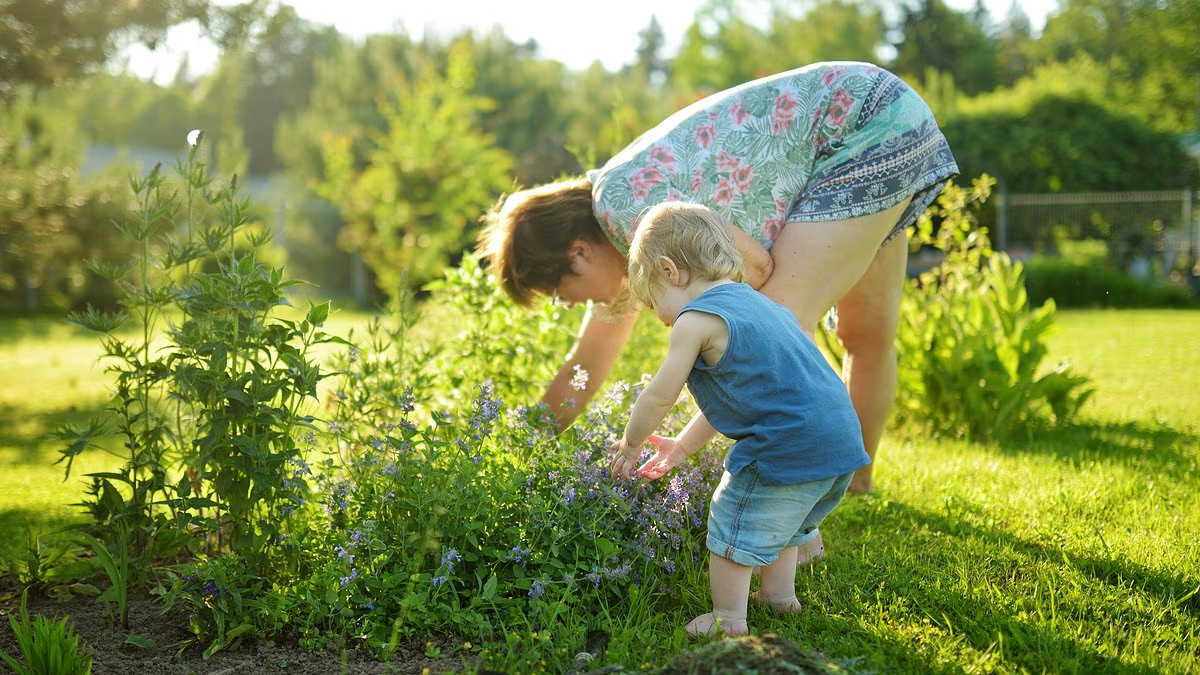
As summer temperatures across the UK continue to hover around 30C, many gardeners may be tempted to put off outdoor tasks until cooler weather returns. However, gardening experts like Michael Griffiths, author of The Easy Garden, say prolonged periods of hot, dry conditions do not have to spell disaster for plants, flowers or lawns. In fact, taking small, easy steps is often all it takes to keep your lawn and plants thriving throughout the temperamental season. With the Met Office warning that the current heatwave is expected to continue for at least another week, with temperatures in parts of England and Wales set to exceed 30C, now is the time to focus on a handful of essential gardening jobs. From watering at the right time of the day and creating shade, to mulching and keeping the lawn trimmed and fed, small, effortless changes can make a notable difference in helping your outdoor space stay healthy throughout the summer. Follow these eight expert-backed tips to help your garden flourish during the British heatwave. According to experts, taking small, nearly-effortless steps is often all it takes to keep your lawn and plants thriving throughout the hot summer months WATER AT THE RIGHT TIMEWhen it comes to watering plants during hot weather, timing is everything. Griffiths recommends watering early in the morning or later in the evening, when temperatures are cooler and less moisture is lost through evaporation.Giving plants a deep soak rather than frequent light watering also encourages stronger root growth, helping them become more resilient during dry spells.CREATE SHADE FOR PLANTSNot all plants - especially those in pots - can tolerate prolonged exposure to intense sun. Delicate flowers and porous pots like unglazed terracotta, young plants and newly planted shrubs may benefit from temporary shade during the hottest part of the day.Using garden fleece, shade cloth, umbrellas or strategically placed containers can help reduce heat stress while allowing plants to continue growing.Or, as shown in a recent video posted to the Griffiths' Instagram page, @themichaelgriffiths, placing pots in a body of water, such as a bucket or paddling pool, for around an hour before leaving them in the shade also does just the trick. He added: 'Watch the bubbles - when they stop, the compost is fully saturated. Lift it out, let [the water] drain, and it's properly rehydrated - not just wet on top.' Author of The Easy Garden, Michael Griffiths (pictured), suggests soaking potted plants in bodies of water for around an hour before leaving them in the shade during intense sunlight KEEP LAWN CUT, FED AND HYDRATED In the height of summer, lawns should be cut little and often - but with the mower blades set slightly higher than usual, as leaving grass a little longer helps retain moisture and protect roots from drying out. According, to outdoor living expert Simon Parry, of composite decking company TrexPro, it's worth avoiding mowing during the hottest part of the day, with early mornings or evenings serving as the best conditions for both gardeners and grass.Before autumn arrives, a summer lawn fertiliser provides one final feed - although feeding too late in the season may spark excessive winter growth that leaves grass vulnerable to pests and frost. Healthy, thriving lawns generally require less watering, even if they appear brown during dry weather.Gardeners needn't worry, as this is usually a natural response to drought, and healthy grass usually recovers once rainfall returns. Those who prefer to keep their lawns green, however, should opt for one deep watering each week to encourage deeper roots.For newly laid turf, considerably more attention is required. For the first fortnight, it should be watered once or twice a day before gradually reducing to two or three times a week as the roots establish.GET MULCHINGApplying a layer of mulch around plants is one of the easiest ways to retain soil moisture during hot weather, according to Griffiths. Organic materials such as bark, compost, or well-rotted manure, as well as gravel, helps reduce evaporation, keep weeds at bay and balance the temperature of soil, reducing the need for frequent watering. BE CAUTIOUS WHEN FEEDING While feeding plants can encourage healthy growth, gardeners should take care during periods of extreme heat.Griffiths says applying fertiliser to plants affected by drought or to dry soil can sometimes do more harm than good, and can even result in 'burning' them, so it's advised to water thoroughly before feeding and avoiding over-fertilising until conditions improve.DEADHEADING AND FLOWER MAINTENANCERemoving dead or faded flowers throughout summer allows plants to continue producing blooms instead of putting energy into seed production.Cutting back delphiniums after their first flush typically encourages a second display of flowers later in the season, while trimming geraniums keeps plants tidy and promotes fresh growth.Other repeat-flowering varieties that ought to be deadheaded include roses, dahlias, lupins, peonies, cosmos and salvias. Hanging baskets also benefit from regular pruning and feeding to revive tired displays. Jimmy Englezo, DIY expert at wood stain and paint manufacturer Ronseal, said: 'Whilst your gardening gloves are on, deadheading spent flowers encourages new blooms and keeps your plants looking neat and healthy. 'Use a clean pair of secateurs or garden scissors to snip just above a new bud or leaf. It’s a small job that can be done in the cooler parts of the day and makes a noticeable impact, especially during prolonged dry spells when plants are under more stress.' To keep plants tidy and promote fresh growth, it's worth trimming dead or faded flowers on varieties like roses, dahlias, lupins, peonies, cosmos and salviasBARBECUE MAINTENANCE Summer is barbecue season, but outdoor cooking equipment also needs regular maintenance.Cleaning grills after use and checking gas connections or charcoal trays can extend the life of barbecues and ensure they're ready whenever the sunshine returns or the next garden party comes up. It also helps to sweep away fallen leaves and surrounding debris that has collected from the last get-together, as told by Simon Parry, gardening expert at composite decking company TrexPro. KEEP PESTS AT BAY Hot weather can create perfect conditions for common garden pests, including ants, aphids, slugs, snails and red spider mites.But regularly inspecting plants for signs of damage gives gardeners the chance to deal with infestations early.Encouraging natural predators such as ladybirds and watering plants actually helps keep pest populations under control without relying heavily on toxic chemicals.For ant nests that create uneven surfaces in soil and on the lawn, Parry suggests sweeping away soil mounds above nests with a broom on a dry day. Should the ants return, it's worth using an ant deterrent.
Experts reveal tips to protect your backyard in the heatwave
From mulching to keeping the lawn trimmed these eight, easy, expert-backed tasks can really make a difference in helping your outdoor space stay healthy throughout prolonged periods of summer heat.
1,095 words~5 min read