(Image credit: Shutterstock)
With prolonged heatwaves and fears of drought, keeping your lawn lush and green becomes increasingly difficult as warm weather and dry conditions persist.To help you deal with extreme summer weather without destroying your turf, I asked lawn care experts how to keep your lawn alive as temperatures rise.How to tell if your lawn is heat stressed
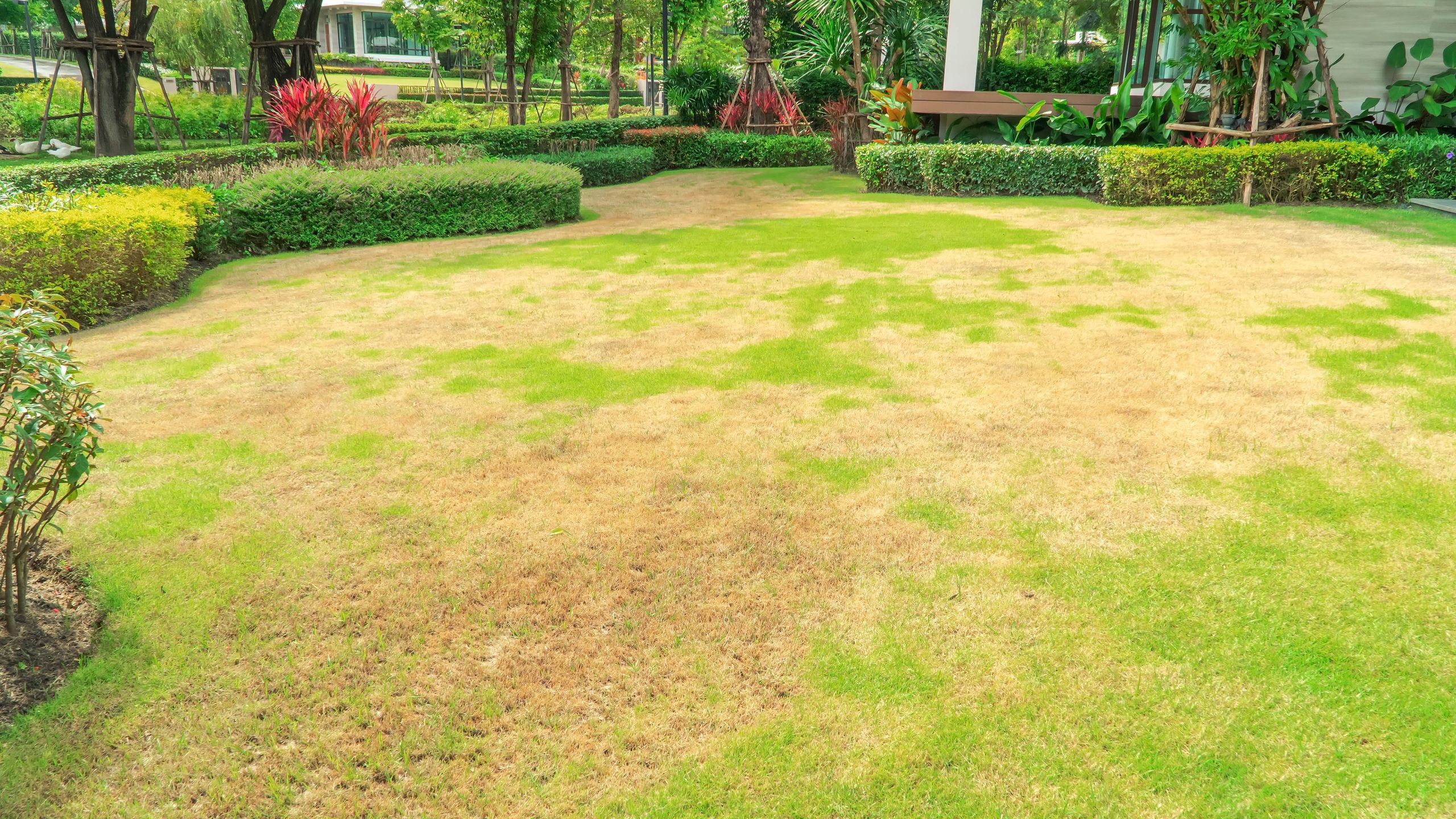
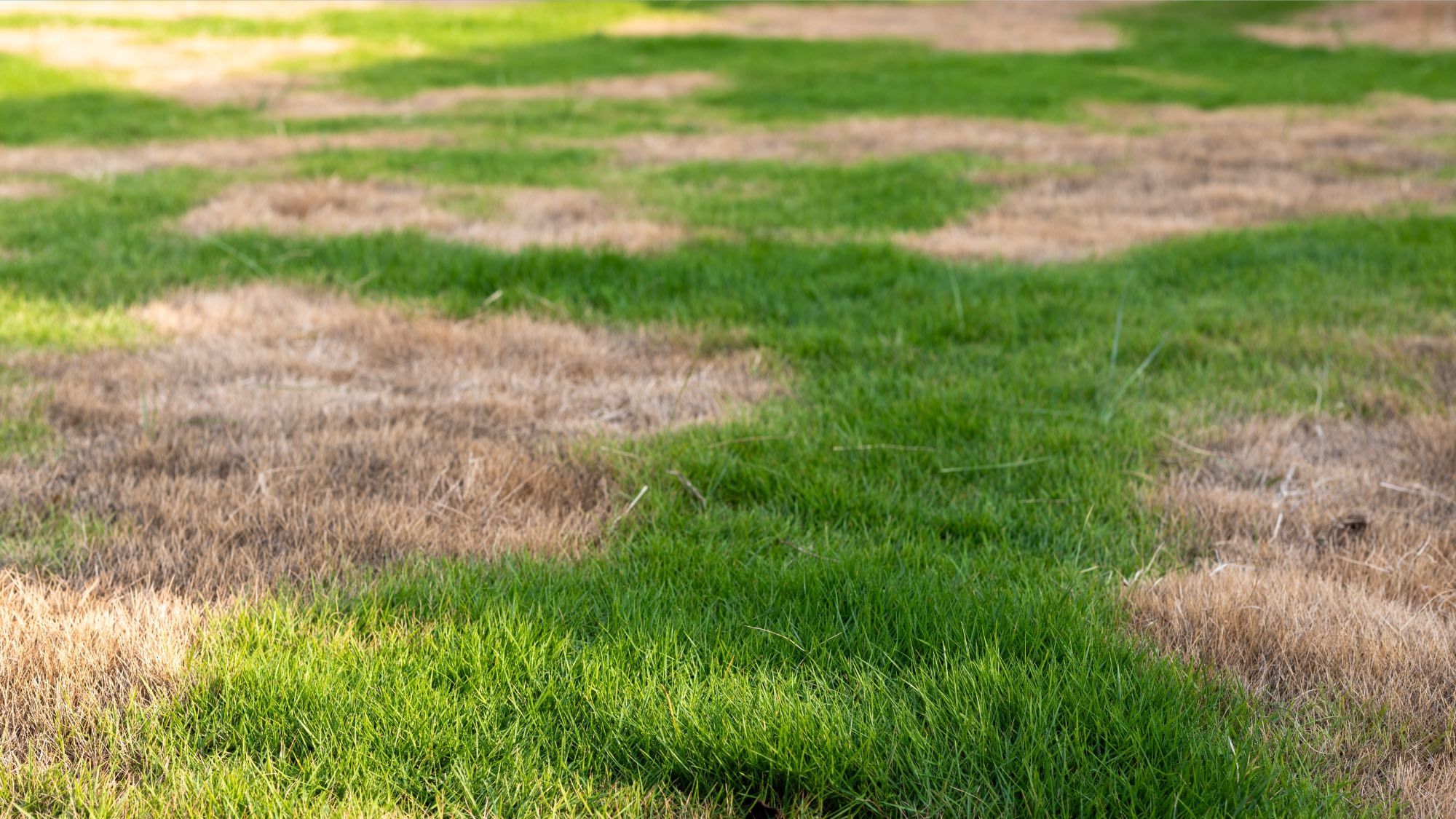
(Image credit: Shutterstock)Before you start treating your lawn for heat stress, you need to ensure it’s the temperature and lack of water that’s causing the problem.It changes color“When grass undergoes drought stress, it starts to wilt and turn blue, a bluish gray, as opposed to keeping its lush green color,” says Allison Koenig, lawn and garden expert at Tractor Supply.Craig Elworthy, founder at Lawnbright, agrees and says that detecting the grey or bluish tint is “your sign to get water on it now or it will likely begin to go dormant.”Try the footprint test or screwdriver test Another indication of water deficiency is the loss of resilience. “If you step on the grass and it leaves a footprint, it likely needs water,” says Koenig. “Under normal moisture conditions, the grass should spring back up instead of leaving traffic marks.”If you’re still unsure, Koenig suggests trying the screwdriver test to check the soil’s moisture level. She says, “First, stick a screwdriver into the soil. This creates a small hole that will allow you to feel the soil about 3-4 inches down. If it’s hard to push the screwdriver in, it’s likely the soil is dry and in need of watering.”Get instant access to breaking news, the hottest reviews, great deals and helpful tips.If you haven’t got a screwdriver to hand, a soil probe or pocketknife will also do the trick.What happens to your lawn when it’s heat-stressed?