(Image credit: Shutterstock)
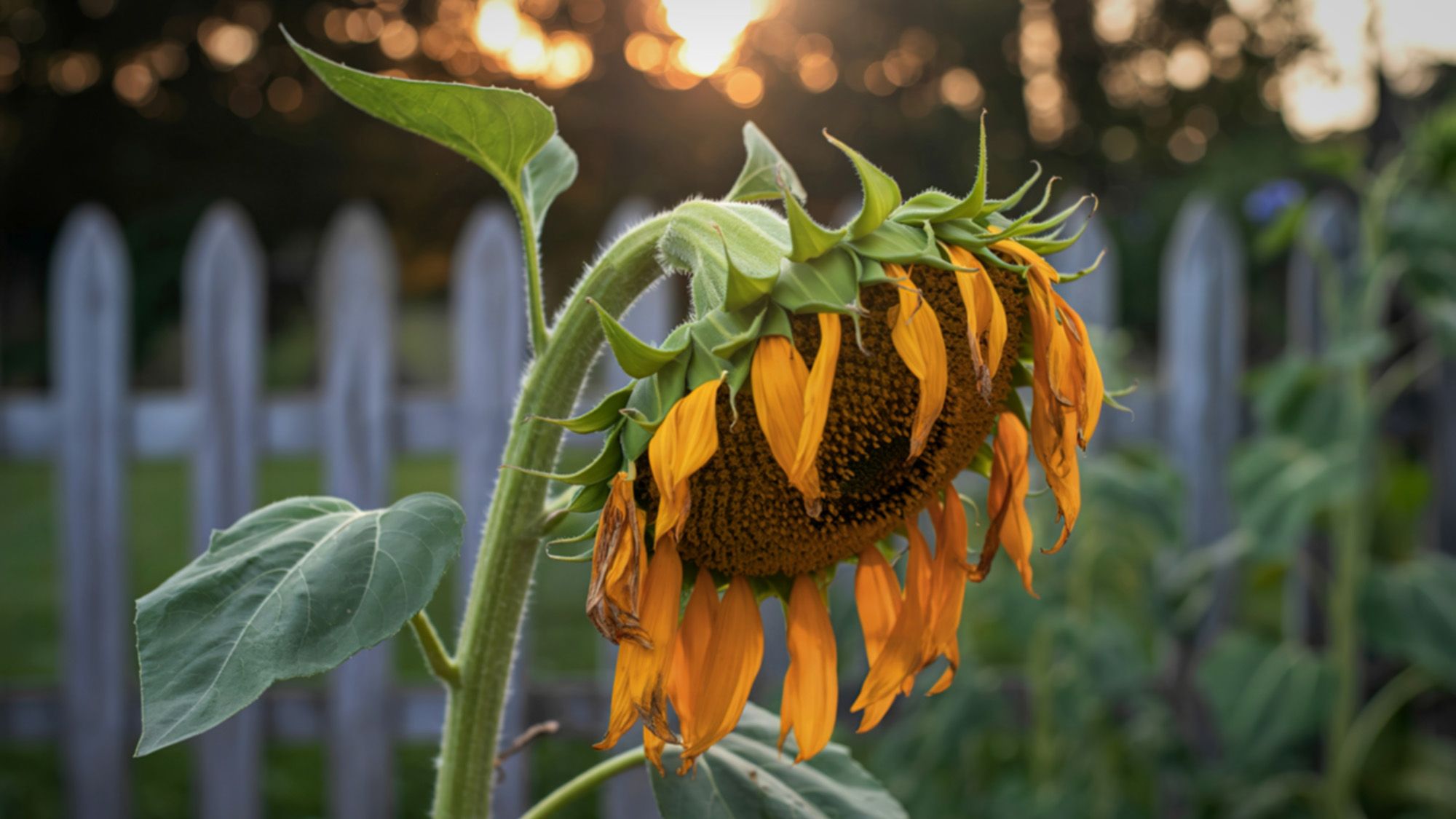
It’s been a heartbreaking season for gardeners. Prolonged heatwaves and persistent dry spells have decimated many of our beds, leaving traditional garden favorites struggling to survive.Seeing a prized specimen wilt morning after morning is a sobering sight — and a shared despair among fellow growers this year.This summer has served as a wake-up call to the reality of climate change in our own backyards. As we take stock of what survived and plan for next season, the question isn’t just what to plant, but how to adapt.How is climate change affecting our gardens?
(Image credit: Getty Images)Climate change will affect locations differently over the coming years, according to Elizabeth Waddington, garden designer and writer at First Tunnels. “In many areas, summers will be hotter and drier than they were before and winters will be milder and wetter," she said. "Weather extremes, from extreme drought to extreme rainfall and flooding, will become ever more common.”The evidence is already apparent, but what do these changes mean? Sharon Yiesla, Plant Knowledge Specialist at The Morton Arboretum, says that just about everything in our gardens will be affected, from when plants flower, how long they stay active in fall, to watering needs and the timing of gardening activities.Moving forward, the goal isn’t just maintaining a traditional garden, but building a resilient ecosystem that can weather the changes ahead.The realization that gardeners need to make changes