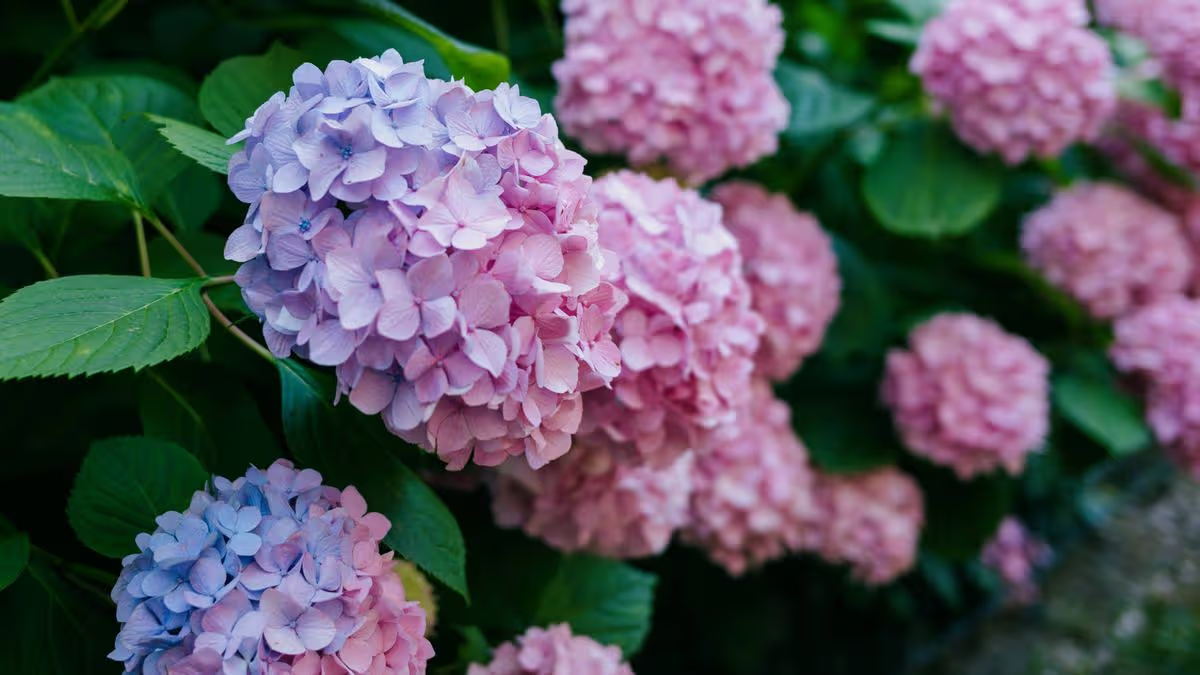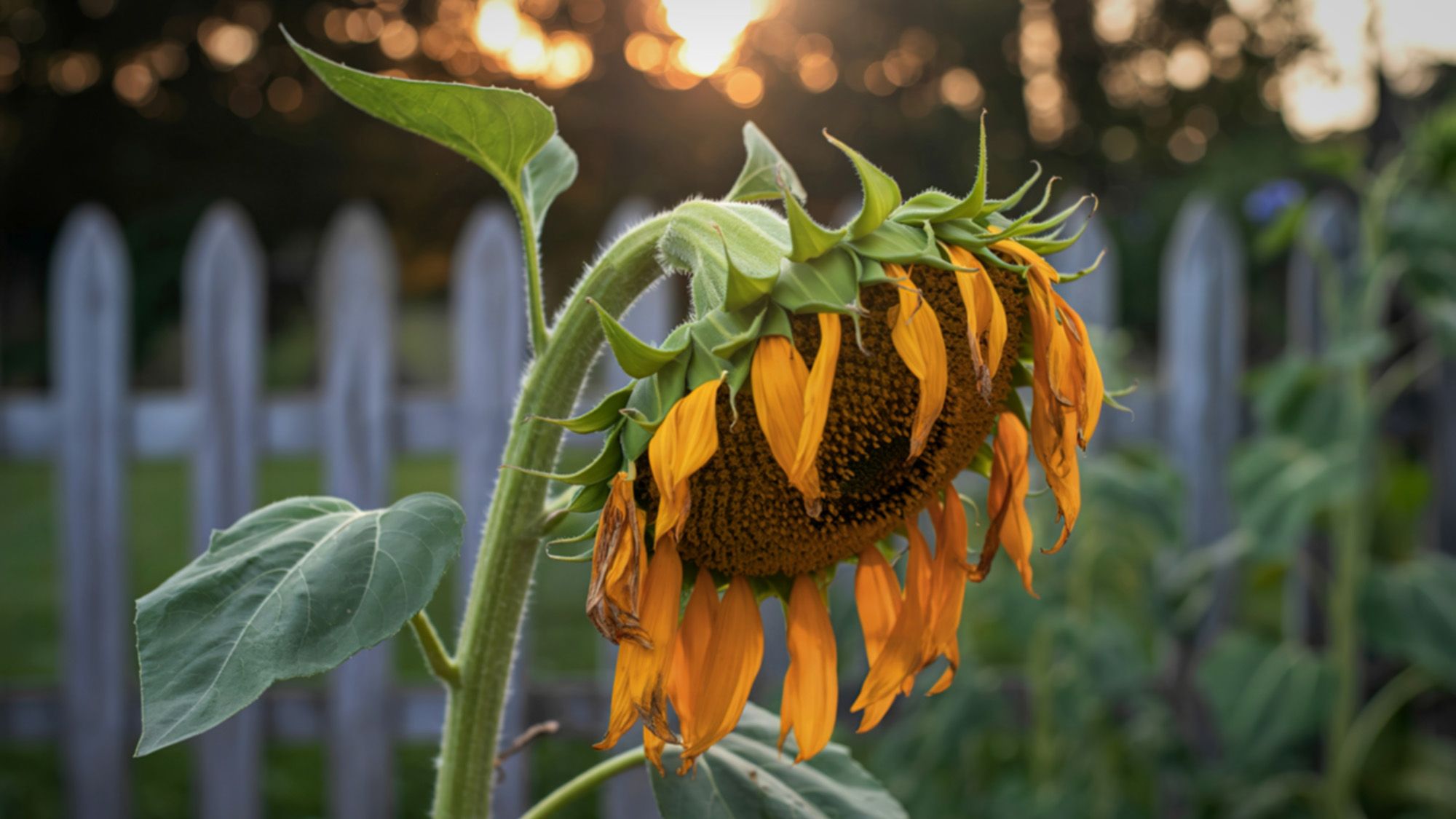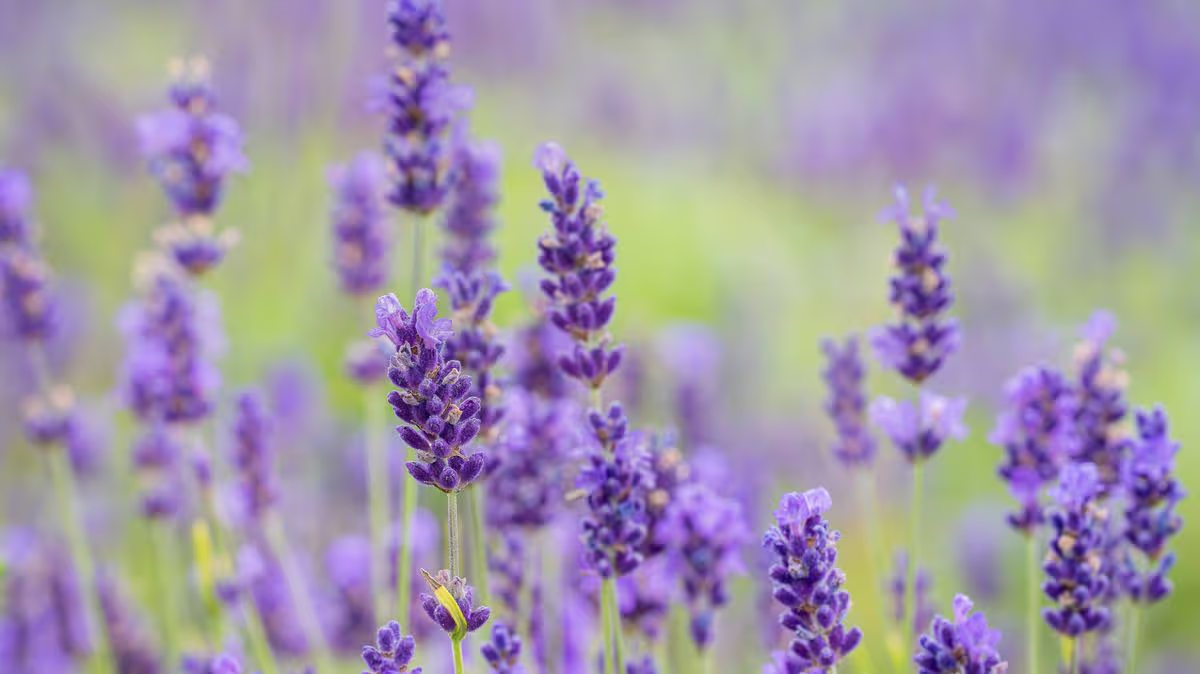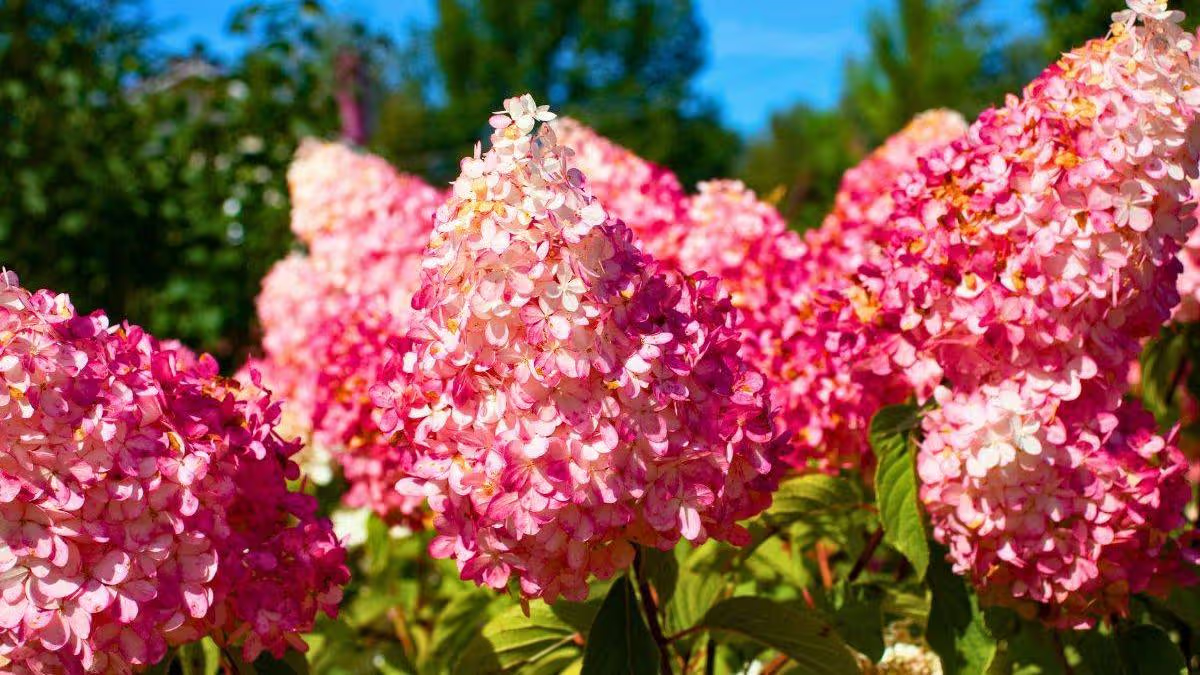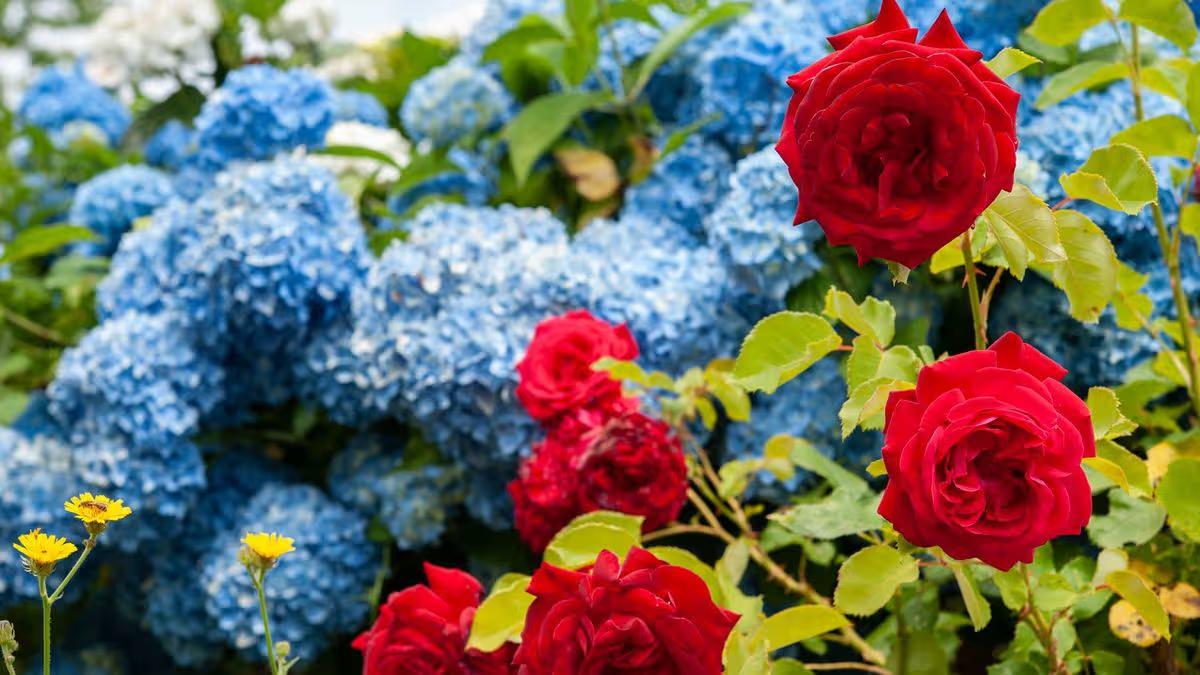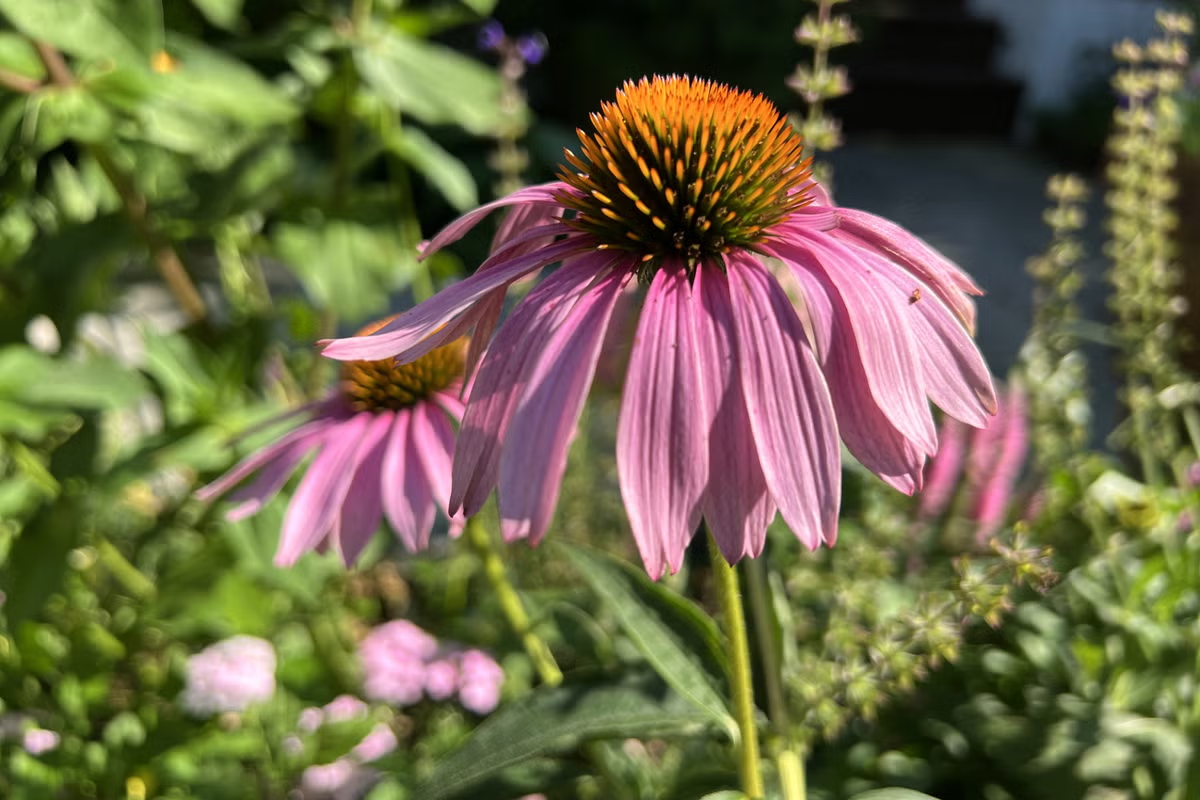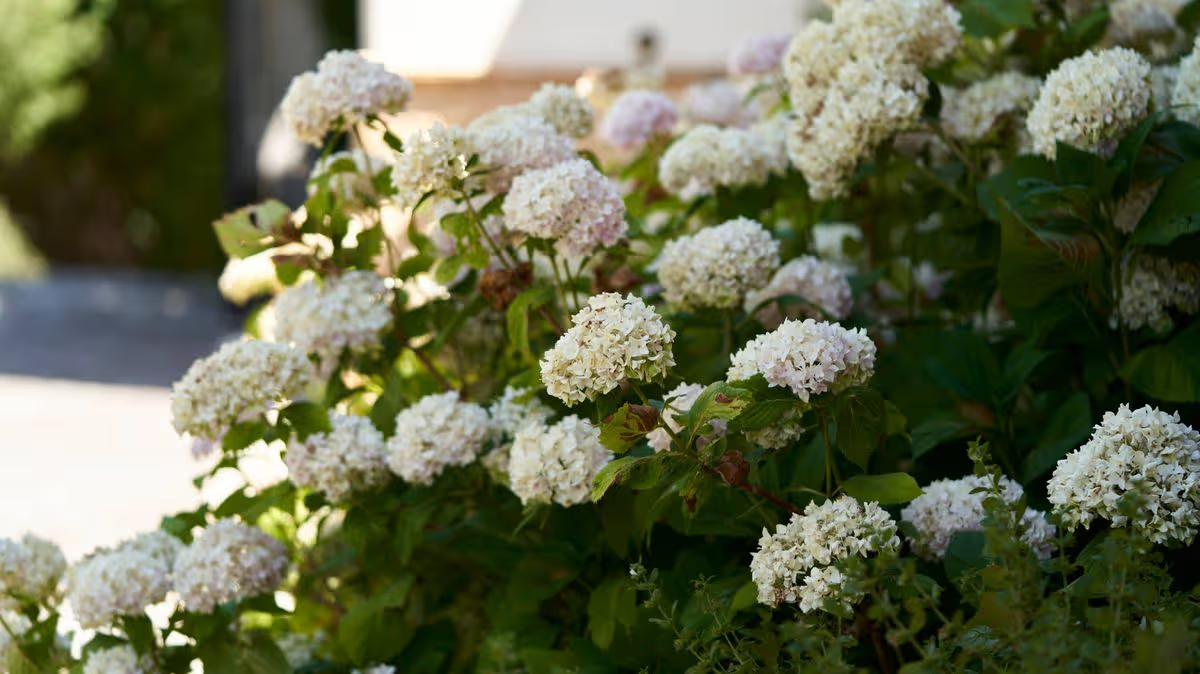
As temperatures rise and droughts become more frequent, gardening experts are recommending drought-resistant plants as climate-resilient alternatives to hydrangeas12:50, 26 May 2026If you're reluctant to bid farewell to your garden's vibrant colours, then you may wish to swap your hydrangeas for these popular plants before time runs out.Gardeners need to be alerted to the silent threat lurking in your garden that could spell disaster for your hydrangeas. It might sound melodramatic - and it very well could be - if you don't swiftly discover the three plants best suited to replace them.Regrettably, as the climate grows warmer, our home gardens are engaged in a brutal game of survival of the fittest.With rising temperatures, our plants are under strain, and horticultural experts are recommending that we factor this in when selecting your beloved blooms. As worldwide temperatures climb, moisture-dependent plants like hydrangeas that rely heavily on water to flourish are now inhabiting harsh conditions.Even in areas where they usually thrive, they are succumbing to droughts and relentless heatwaves.According to the Farmiddable Observer, a nursery owner shared: "I lost nearly 70% of my hydrangea collection during the 2022 heat waves despite daily watering. The climate simply doesn't support them anymore."The telltale indicators that your hydrangea is suffering distress are typically when they look crispy with leaves that curl inwards and their previously brilliant colours fading to a lacklustre beige, reports the Express.Beyond that, you might observe that stems wilt, rather than maintaining their upright structure, and that's the moment you recognise your plant is in serious difficulty. Professional landscapers are increasingly guiding their clients towards more drought-tolerant alternatives that still deliver a vibrant splash of colour while demanding far less water.Popular choices include lavender, ceanothus, and Russian sage, all of which boast stunning blooms and require significantly less maintenance.For added convenience, gardeners are also encouraged to plant drought-resistant bulbs in traditionally cooler and wetter areas, helping to create a more resilient outdoor space.These can include autumn-blooming perennials and carefully timed spring plantings, ideally established before the summer heatwaves arrive.As gardeners embrace a more climate-conscious approach to their outdoor spaces, moving away from hydrangeas appears to be just the start of a wider shift.Article continues belowBy reconsidering what we plant, we are not only acknowledging the realities of our changing climate, but also taking meaningful steps to cut down on the water we consume to keep our gardens flourishing.The effort previously devoted to keeping hydrangeas alive can instead be channelled into nurturing plants that will naturally thrive in these increasingly challenging conditions.
UK gardeners urged to ditch hydrangeas for 3 colourful alternatives
As temperatures rise and droughts become more frequent, gardening experts are recommending drought-resistant plants as climate-resilient alternatives to hydrangeas
419 words~2 min read