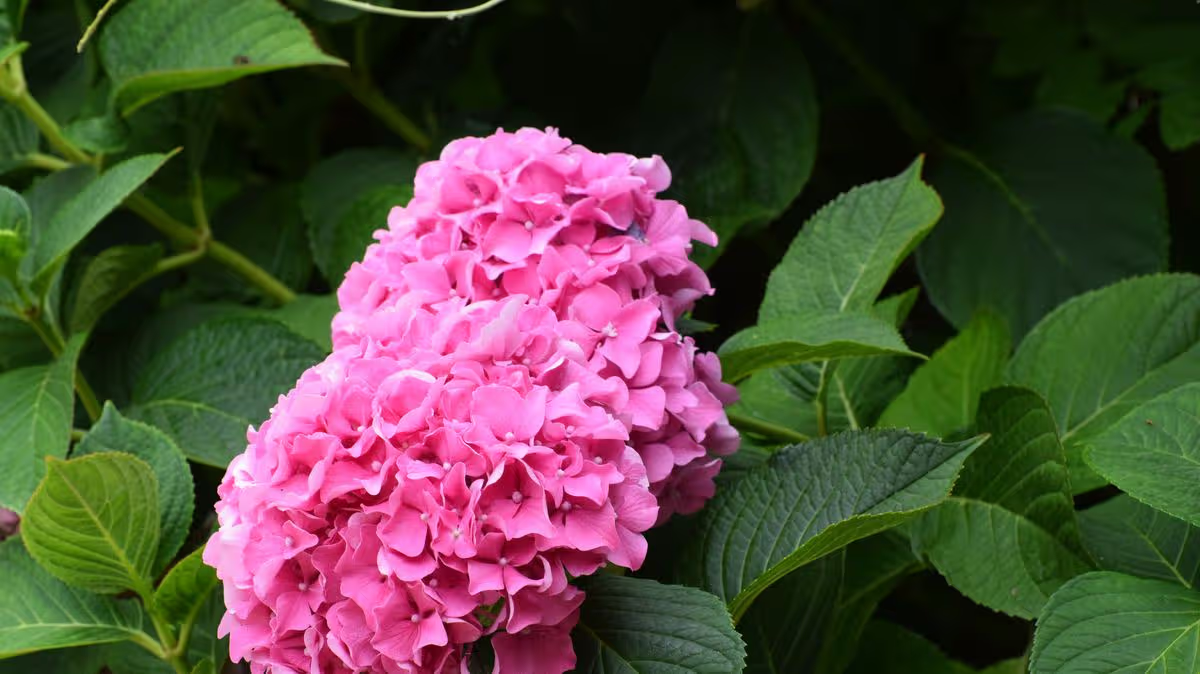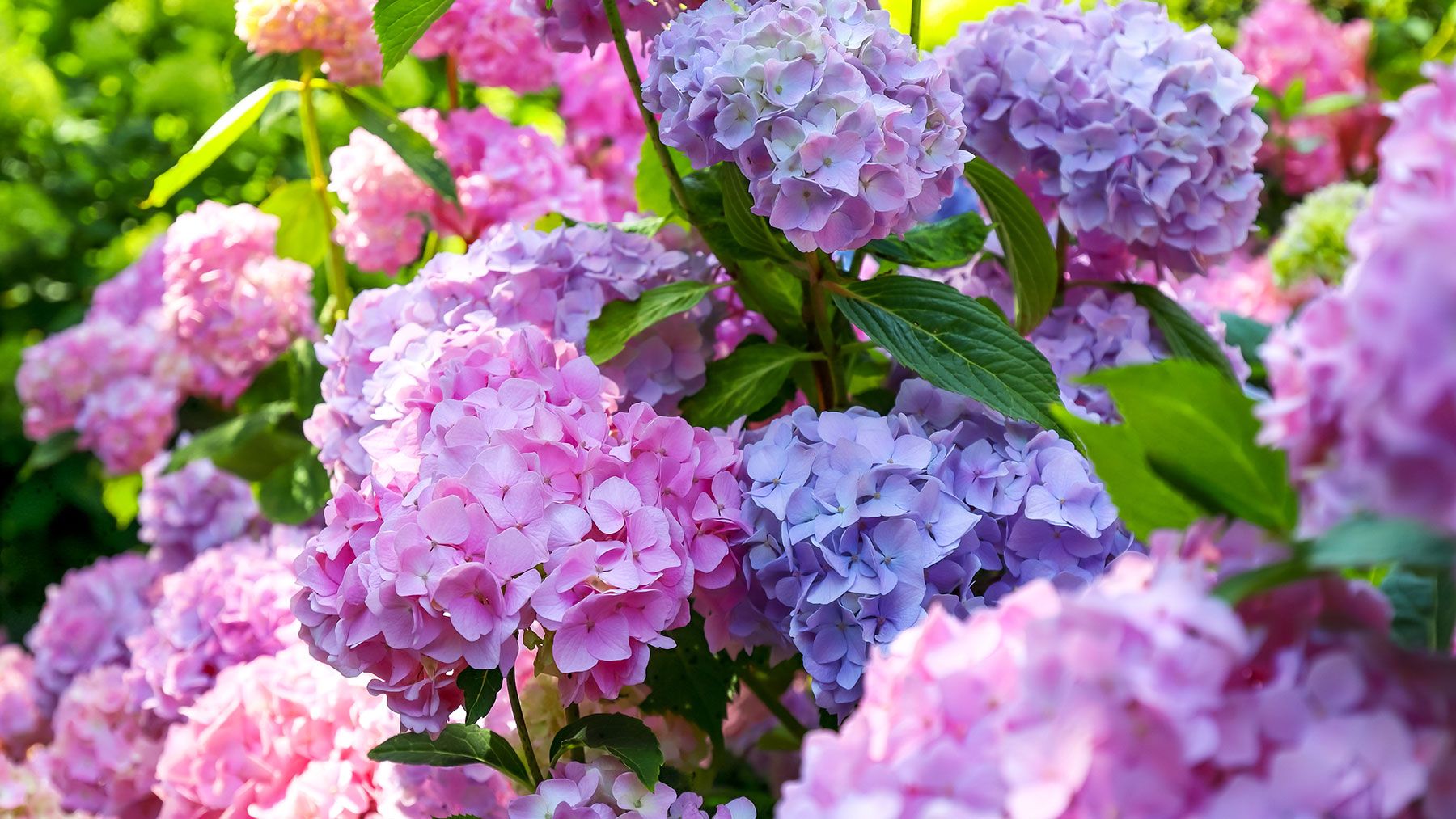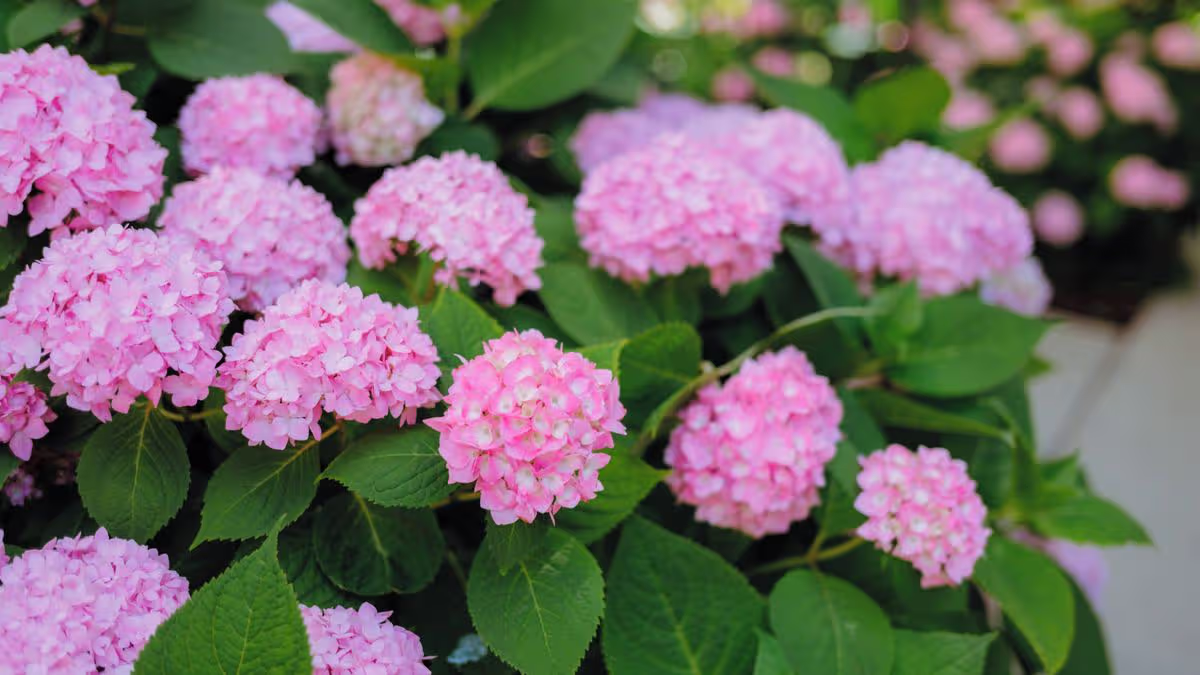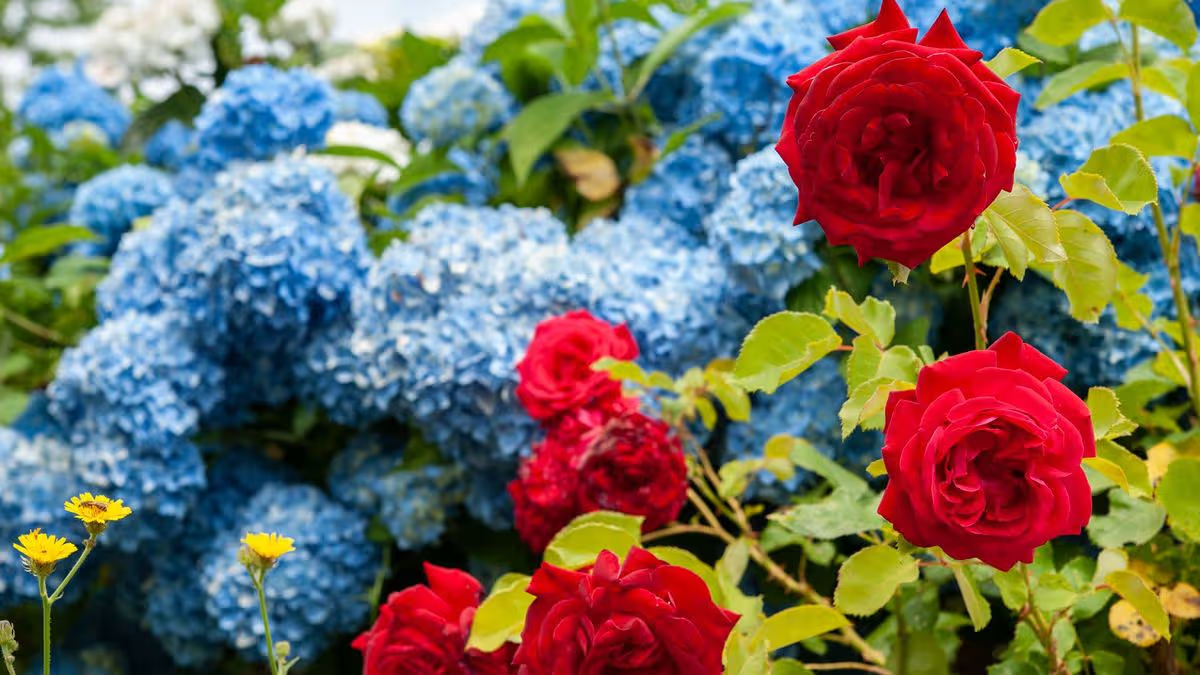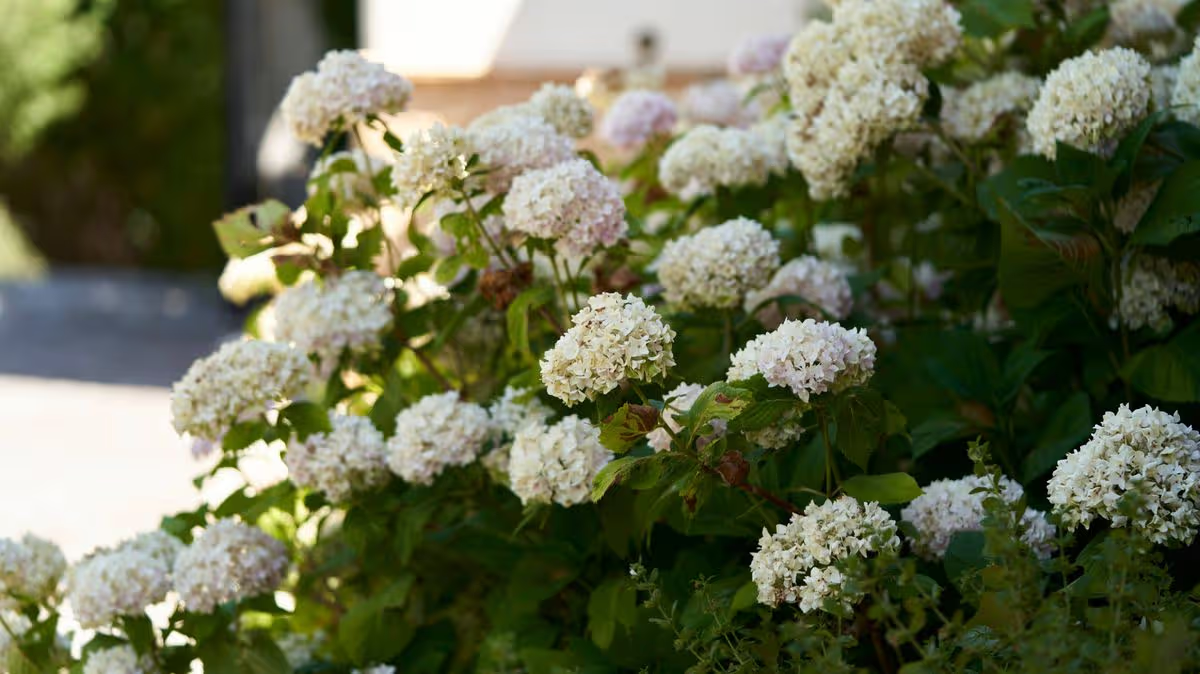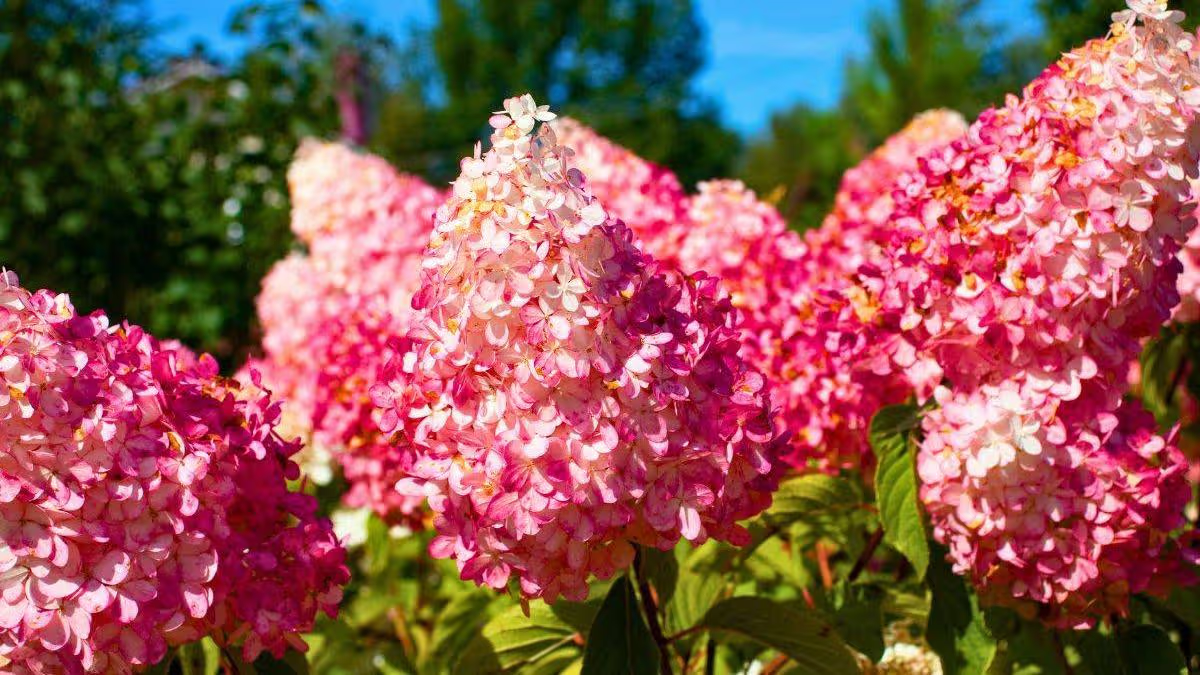
Hydrangeas are thirsty plants that can quickly wilt in the summer heat, but there is a very easy way to keep them flowering without having to keep watering them all the time.10:01, 02 Jun 2026Hydrangeas are celebrated for their impressive flower heads, which put on a breathtaking display throughout summer, yet many gardeners are unaware that their petals are remarkably delicate and prone to drying out. They are arguably the most water-hungry blooms in any garden, owing to their broad leaves, which rapidly lose moisture whenever the sun beats down during late spring.Most gardeners tend to leave hydrangeas to their own devices as they are generally straightforward to maintain, but as summer approaches, it becomes absolutely essential to keep a close watch on them. Without sufficient water, hydrangeas can swiftly wilt and turn brown.Crucially, heat stress can also stunt their growth, stopping them from blooming as they should.Fortunately, you needn't constantly hover over your hydrangeas with a watering can, as gardener Julia Marcum from Chris Loves Julia has shared a wonderfully simple method to keep these demanding plants well-hydrated using mulch.Julia explained: "Not only does a fresh layer of mulch give the yard that crisp, high-contrast look we love against the green leaves, but it's also the secret to keeping hydrangeas happy."Mulching helps retain moisture in the soil and regulates the temperature around the roots during those hot summers."Mulching is the straightforward gardening technique of laying organic material across the soil surrounding plants, helping to nourish the ground and shield them from the elements.During the summer months, mulching hydrangeas is essential to help the soil retain moisture, keeping the plant cool while also reducing the likelihood of them drying out in the heat.It will save you considerable time as you won't need to continuously water your hydrangeas, and it remains one of the simplest methods to keep them in top condition regardless of how scorching this summer turns out to be.Mulch will eventually break down and release nutrients into the soil, giving hydrangeas a welcome boost so they flourish even more throughout their flowering season.Once temperatures have soared, it is advisable to avoid feeding hydrangeas with fertiliser, as the salts contained within it can further deplete moisture from the soil and put stress on the roots.How to mulch hydrangeas properlyThere is a wide range of garden mulches to choose from, though hydrangeas tend to thrive when pine needles, straw or shredded leaves are used.These natural materials are lightweight, allowing plenty of air to circulate through them while preventing the soil from becoming waterlogged, which is equally harmful to hydrangeas.Some gardeners also opt for grass clippings left over from mowing the lawn, which works just as well and means you won't need to visit the garden centre or spend a single penny.Once you have your mulch, spread it in a layer roughly two to three inches deep around the base of the plant, taking care not to heap it up against the hydrangea foliage.Article continues belowMulch has a tendency to hold considerable amounts of water, and if it makes contact with the plant then it risks causing rot or drawing in pests rather than benefiting the soil. Monitor the hydrangea every few days, give it a thorough watering, and it should remain vibrant throughout the remainder of summer.
Hydrangeas stay healthy in hot weather if gardeners do task in June
Hydrangeas are thirsty plants that can quickly wilt in the summer heat, but there is a very easy way to keep them flowering without having to keep watering them all the time.
547 words~2 min read