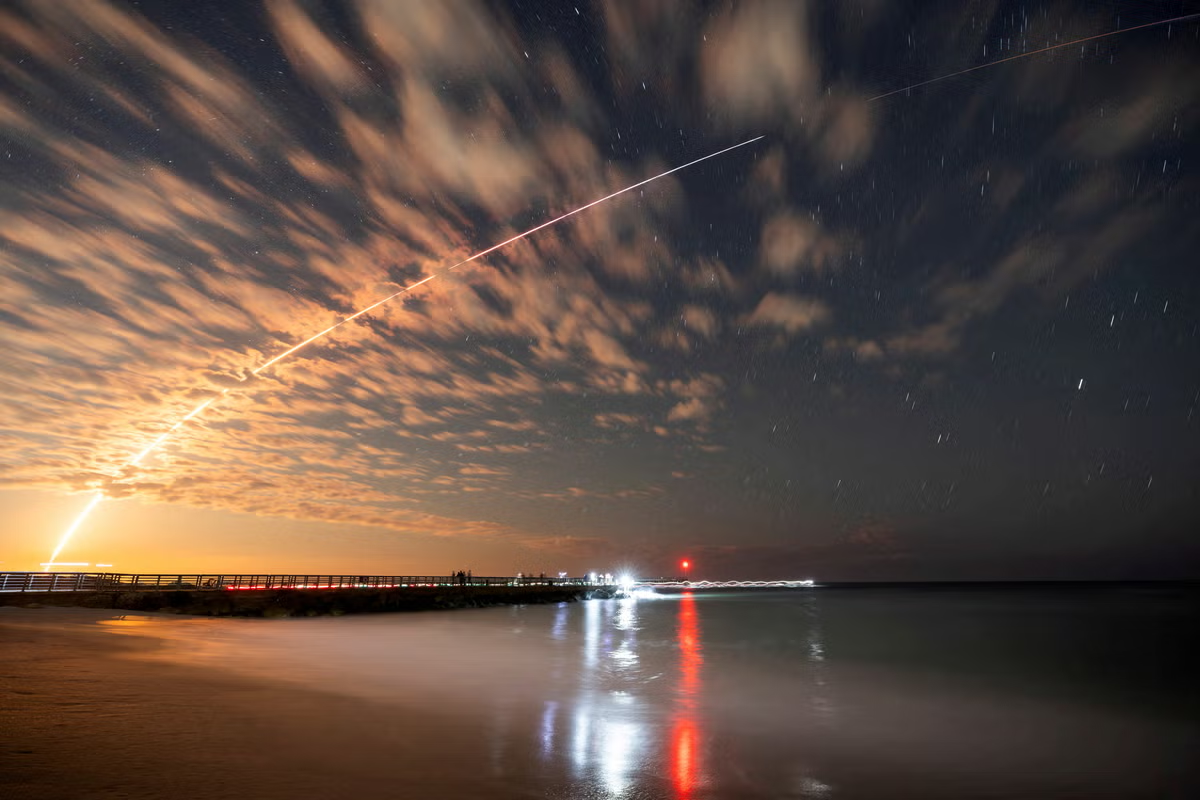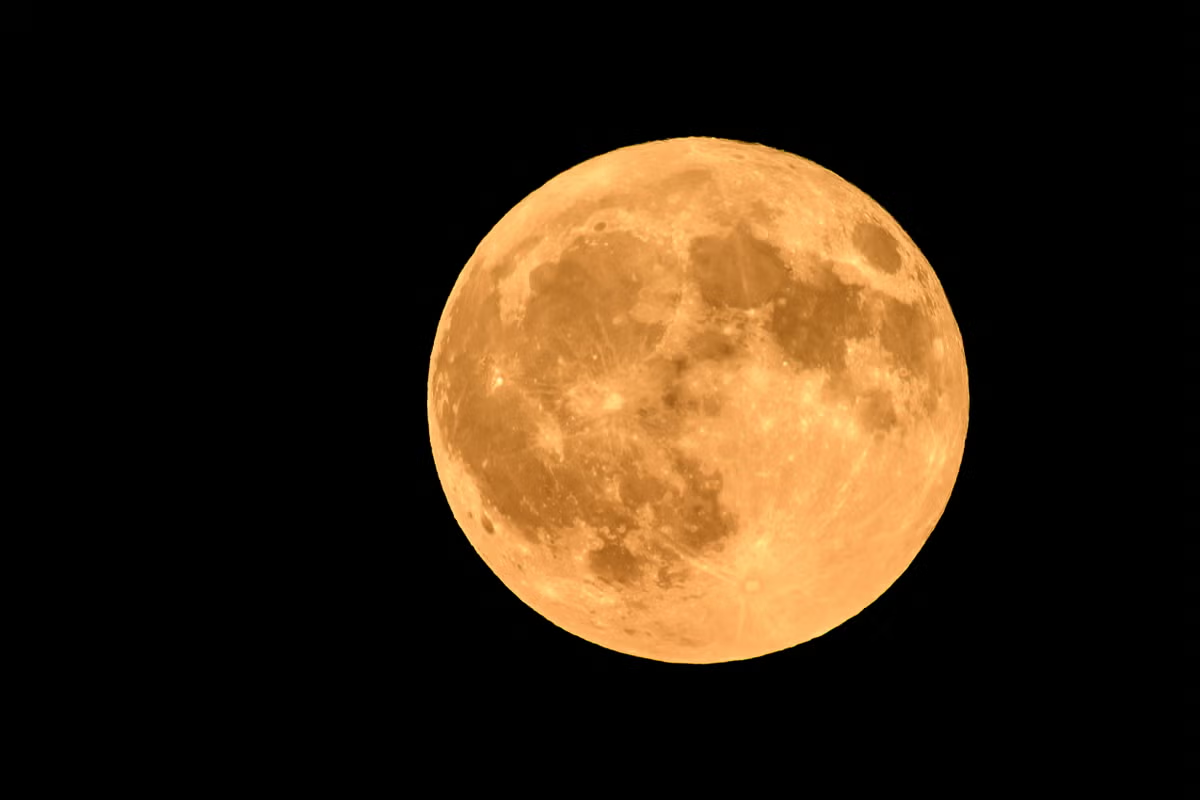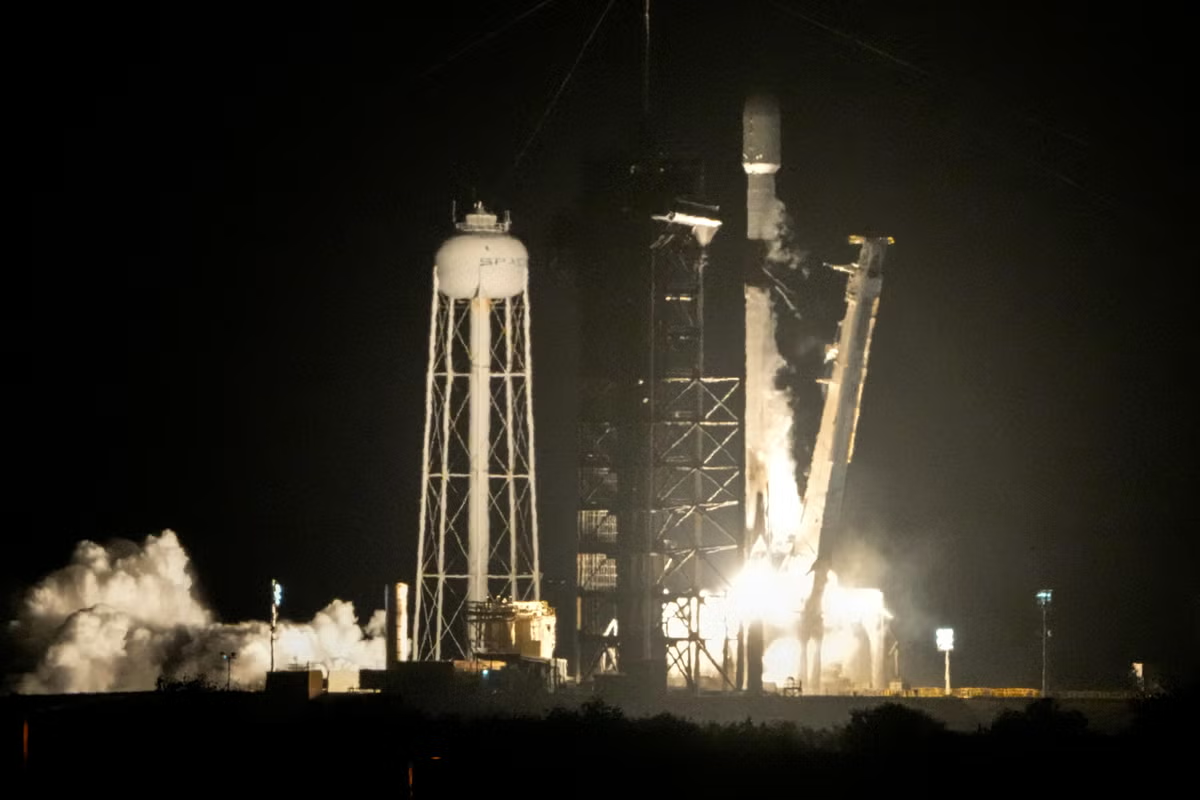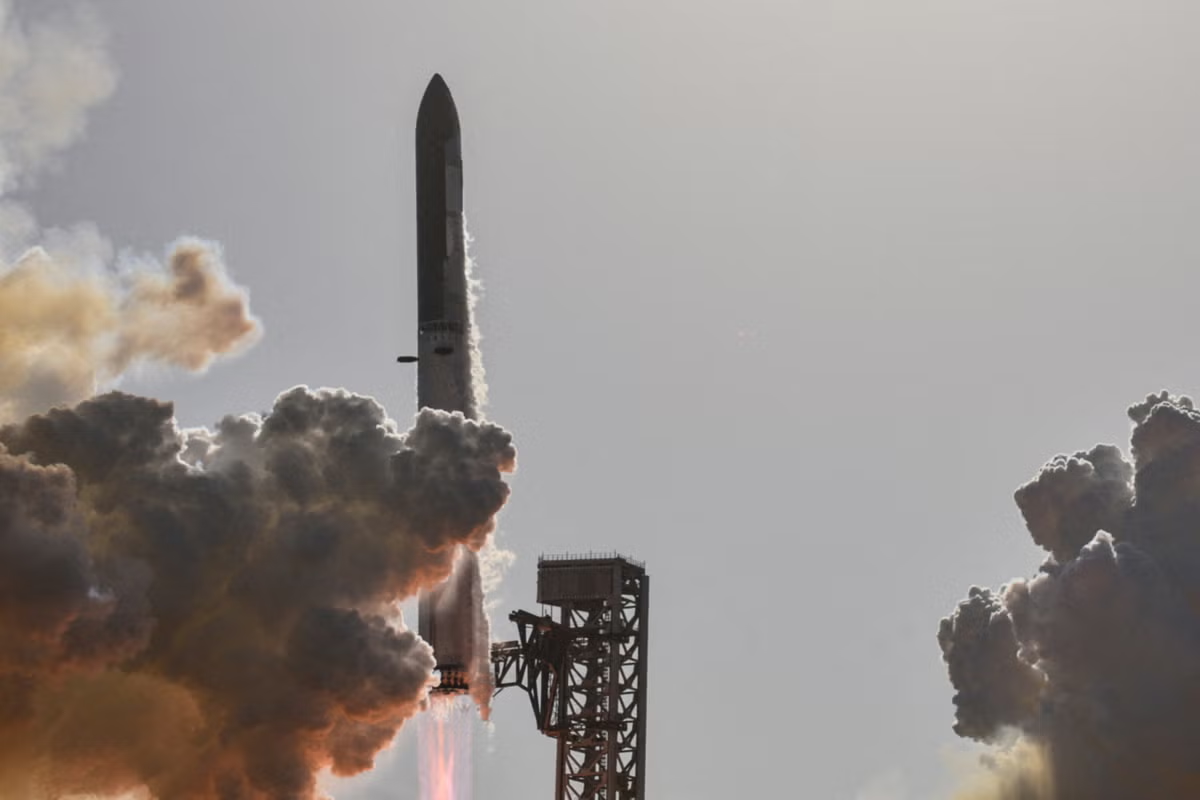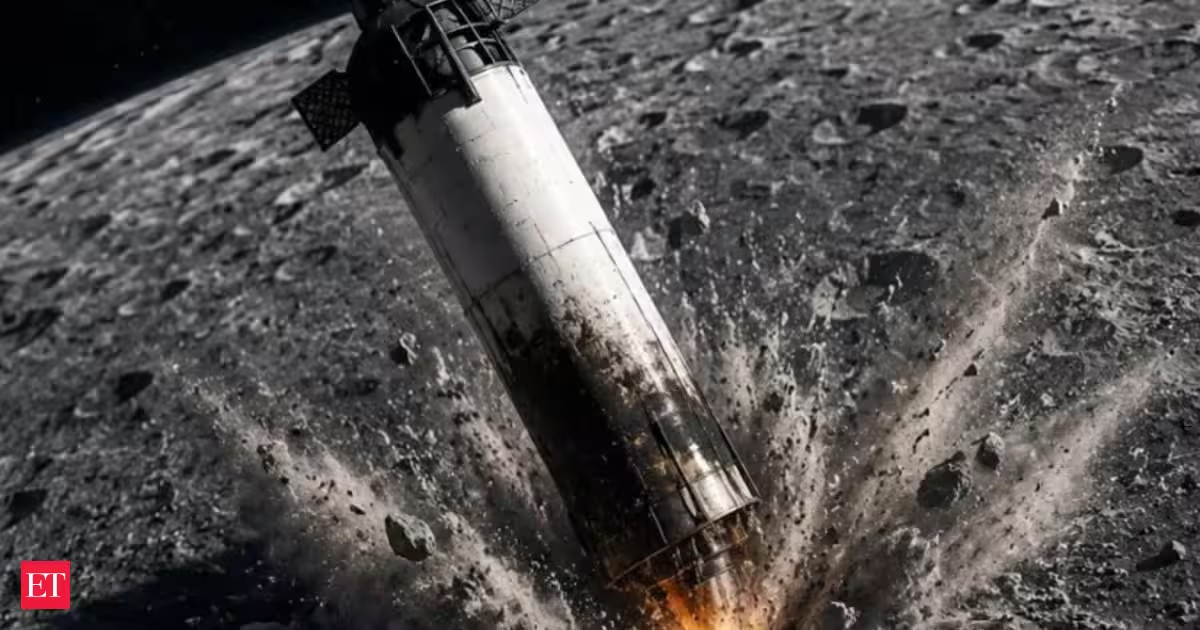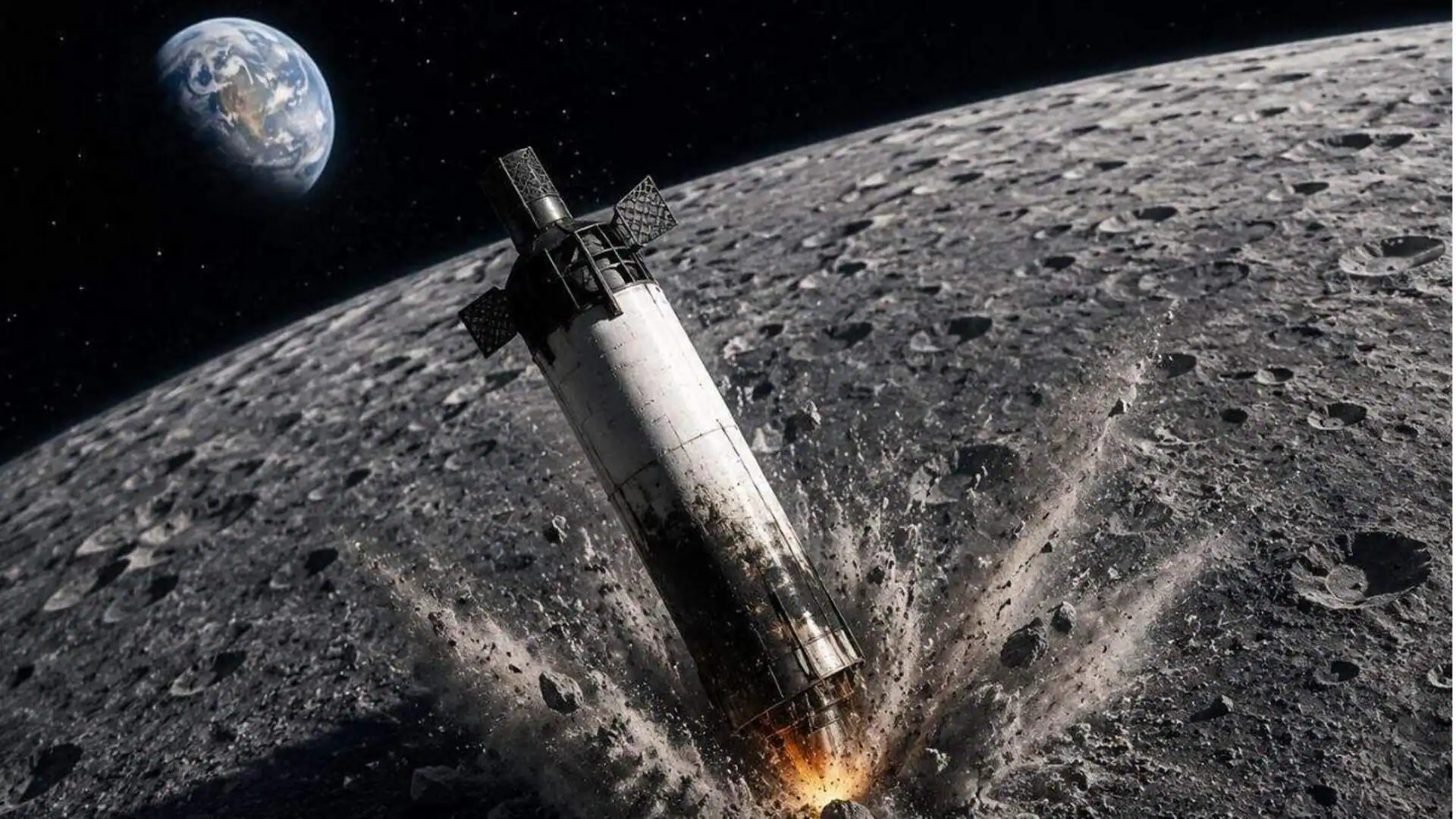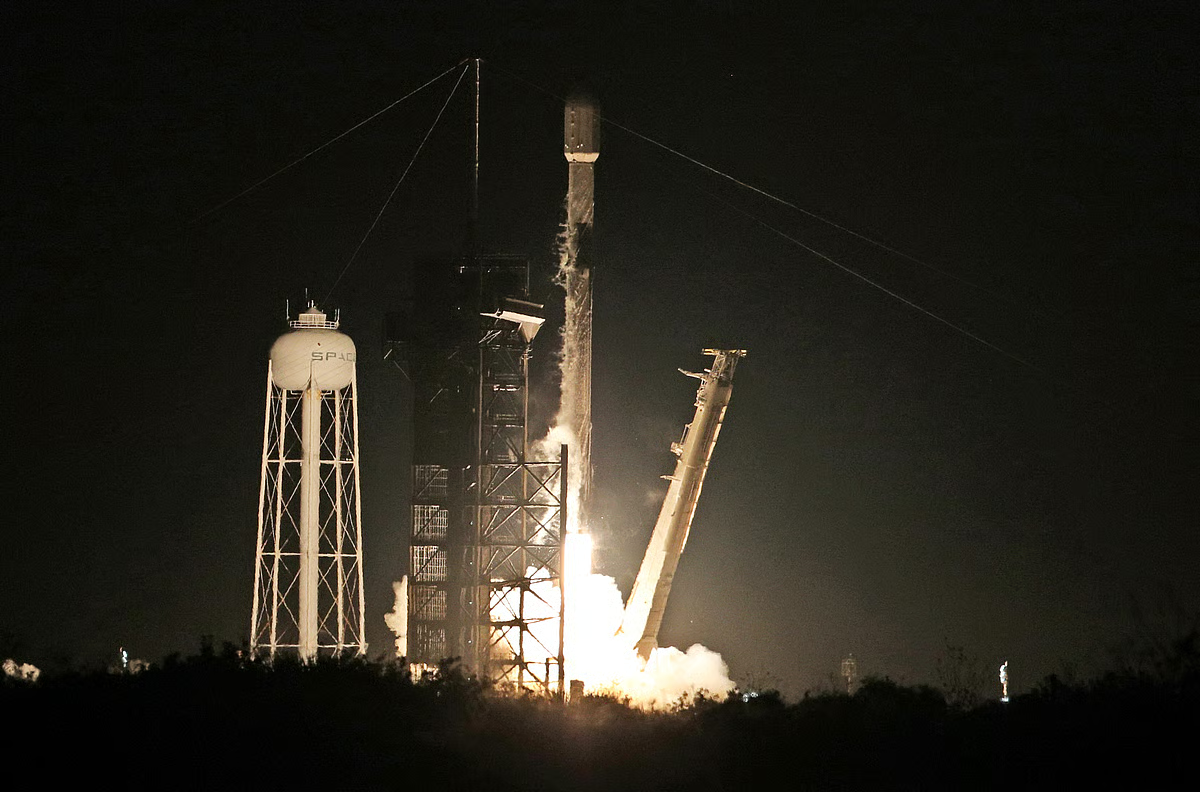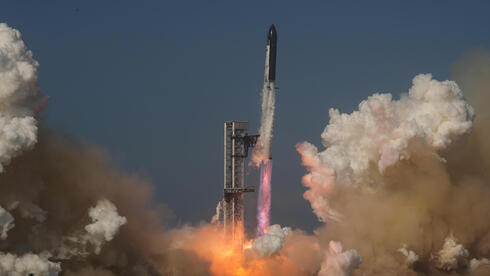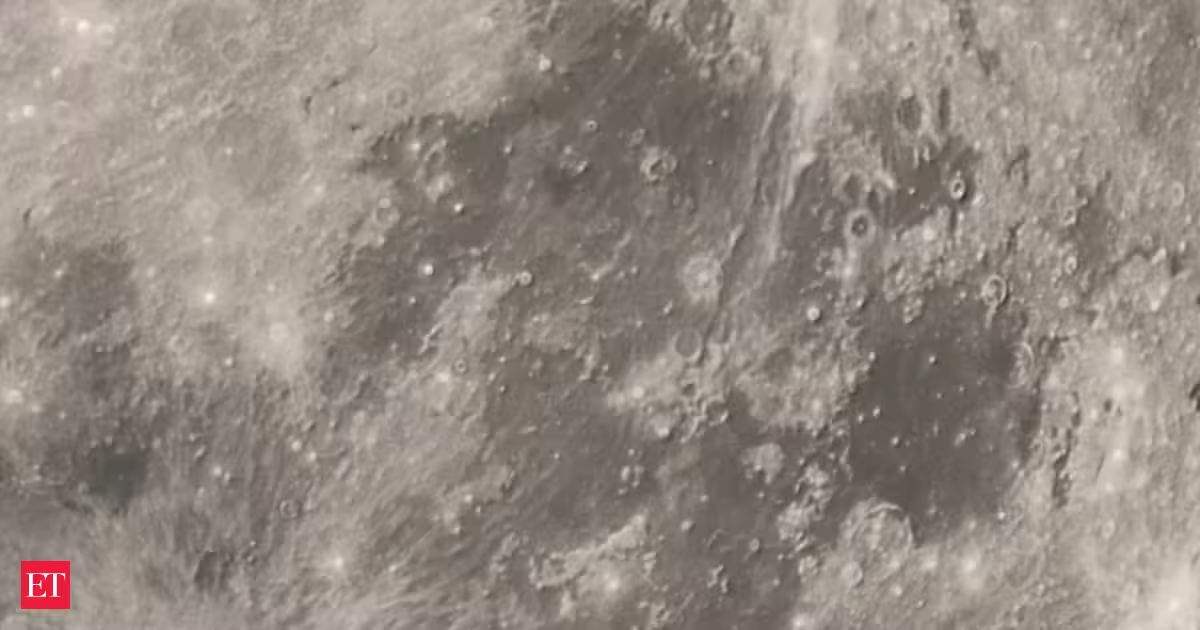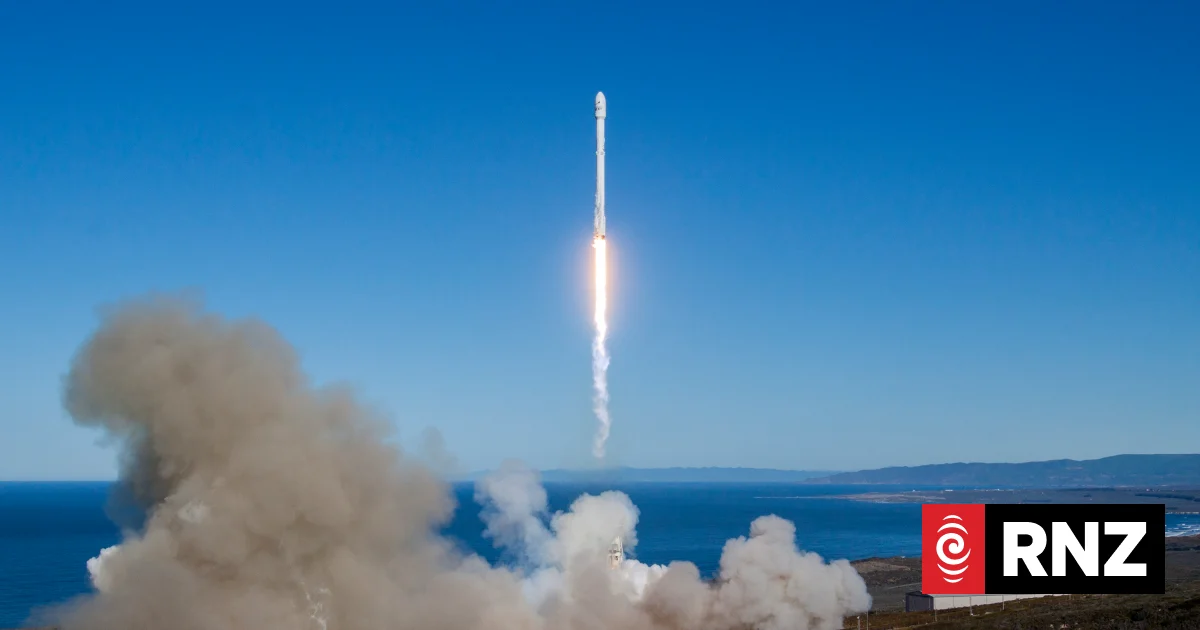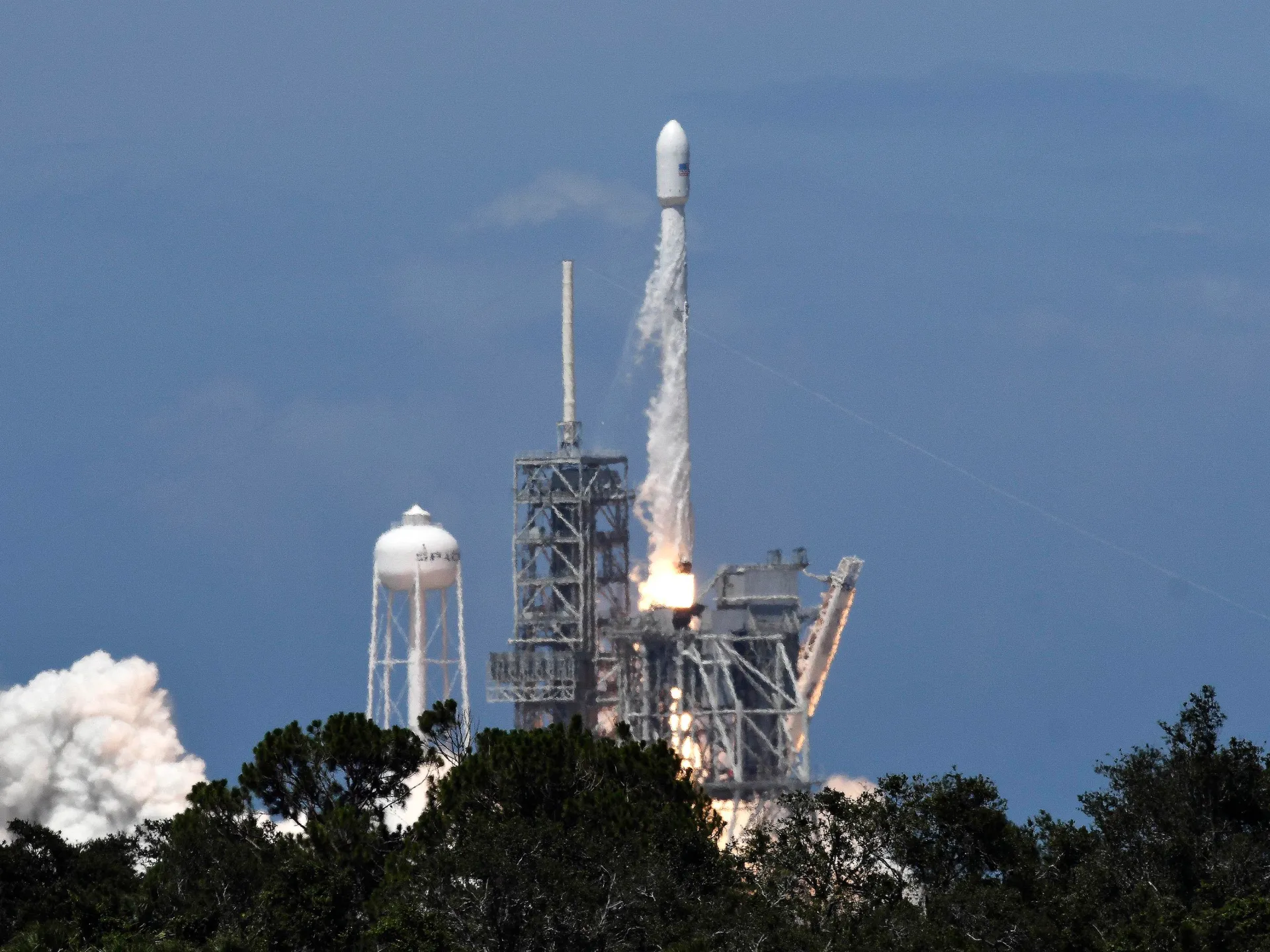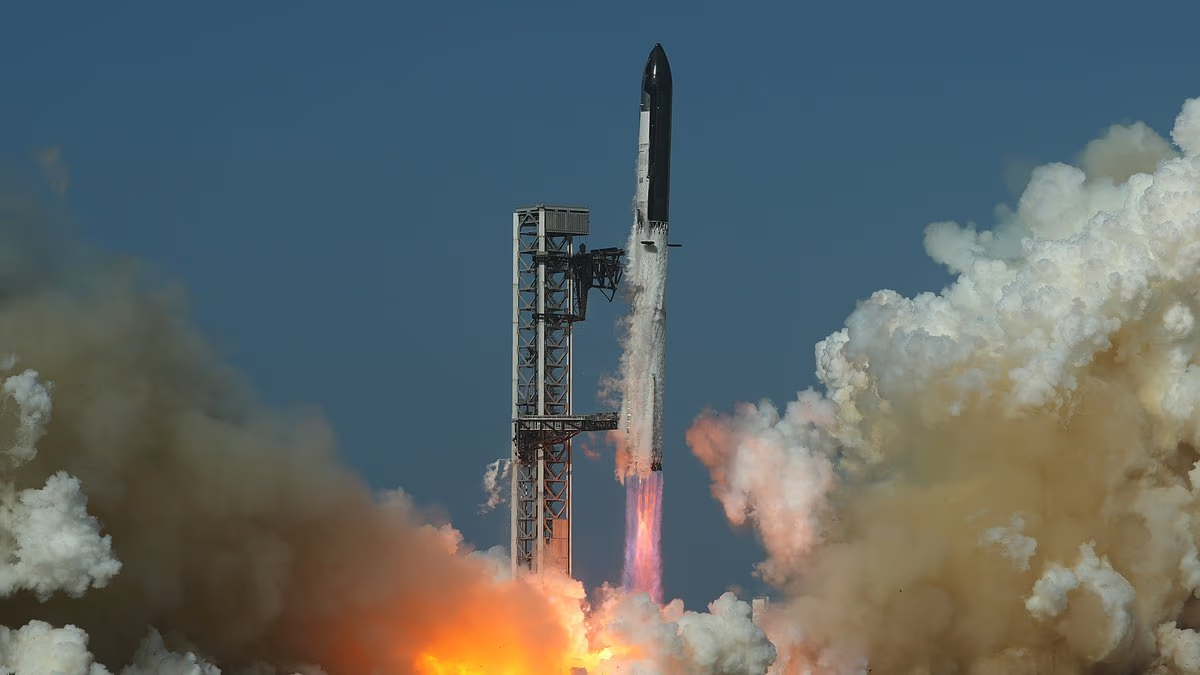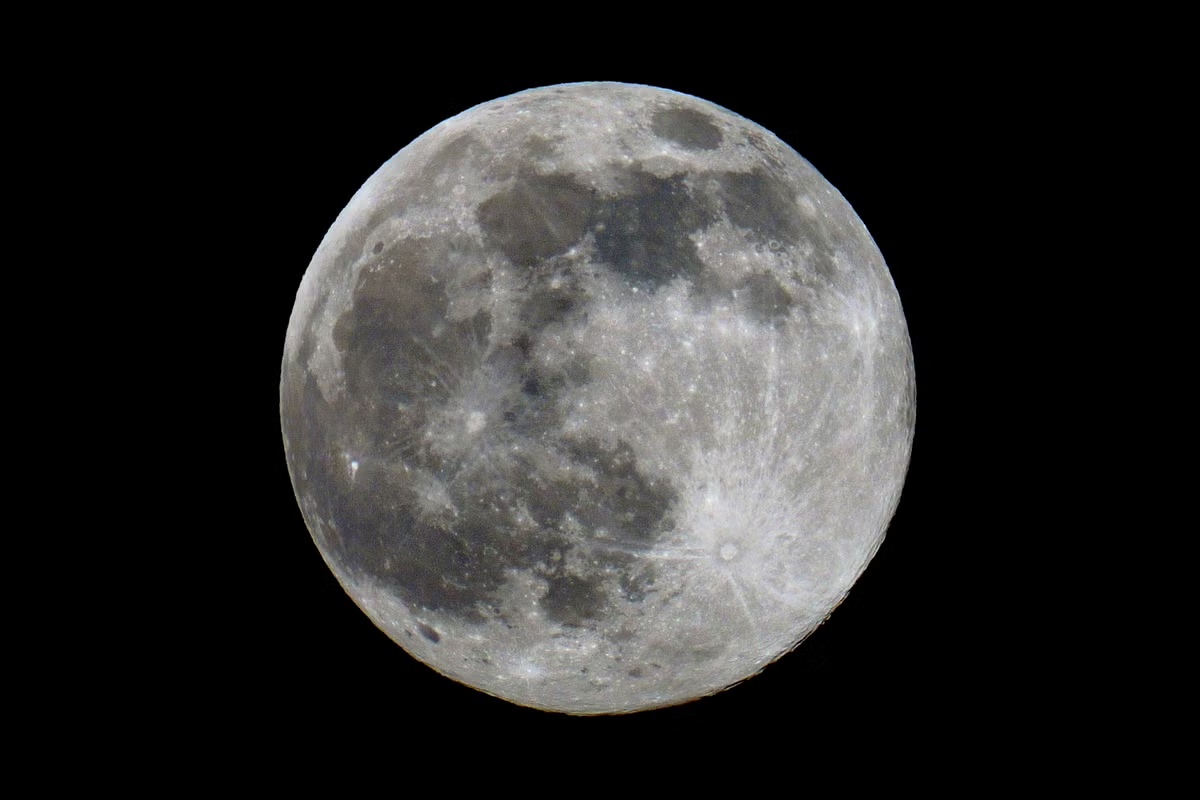
Jump to contentThank you for registeringPlease refresh the page or navigate to another page on the site to be automatically logged inPlease refresh your browser to be logged inAllNewsSportCultureLifestyleSpaceX rocket believed to have hit moon and formed new craterA 4,000kg upper stage of a SpaceX Falcon 9 rocket, which had previously delivered a lunar lander, has crashed into the Moon with the force of three tons of TNT, though Nasa confirmed no immediate danger to Earth. Experts warn this incident underscores the increasing threat of space debris, highlighting concerns such as 'Kessler syndrome,' where a single collision could trigger a cascade of impacts, potentially trapping humanity on Earth. The collision also serves as a stark reminder of the harsh conditions on the Moon and the risks posed to future human missions and potential lunar bases, as more spent rocket parts could collide with the surface. Despite the dangers, scientists believe the crash offers a unique opportunity to gather valuable data about the lunar surface, including its composition and dust, which could inform the construction of future habitats. This event is not unprecedented, as Nasa intentionally crashed Saturn V rocket parts into the Moon in the 1970s for study, and the current collision will aid in understanding lunar impacts to protect astronauts in upcoming programmes like Artemis. In fullA SpaceX rocket just crashed into the Moon. What do we do now?More bulletinsThank you for registeringPlease refresh the page or navigate to another page on the site to be automatically logged inPlease refresh your browser to be logged in
What happens next after SpaceX rocket crashes into the Moon?
Jump to contentThank you for registeringPlease refresh the page or navigate to another page on the site to be automatically logged inPlease refresh your browser to be logged inAllNewsSportCultureLifestyleSpaceX rocket believed to have hit moon and formed new craterA 4,000kg upper stage of a SpaceX Falcon 9 rocket, which had previously delivered a lunar lander, has crashed into the Moon with the force of three tons of TNT, though Nasa confirmed no immediate danger to Earth. Experts warn this incident underscores the increasing threat of space debris, highlighting concerns such as 'Kessler syndrome,' where a single collision could trigger a cascade of impacts, potentially trapping humanity on Earth. The collision also serves as a stark reminder of the harsh conditions on the Moon and the risks posed to future human missions and potential lunar bases, as more spent rocket parts could collide with the surface. Despite the dangers, scientists believe the crash offers a unique opportunity to gather valuable data about the lunar surface, including its composition and dust, which could inform the construction of future habitats. This event is not unprecedented, as Nasa intentionally crashed Saturn V rocket parts into the Moon in the 1970s for study, and the current collision will aid in understanding lunar impacts to protect astronauts in upcoming programmes like Artemis. In fullA SpaceX rocket just crashed into the Moon. What do we do now?More bulletinsThank you for registeringPlease refresh the page or navigate to another page on the site to be automatically logged inPlease refresh your browser to be logged in