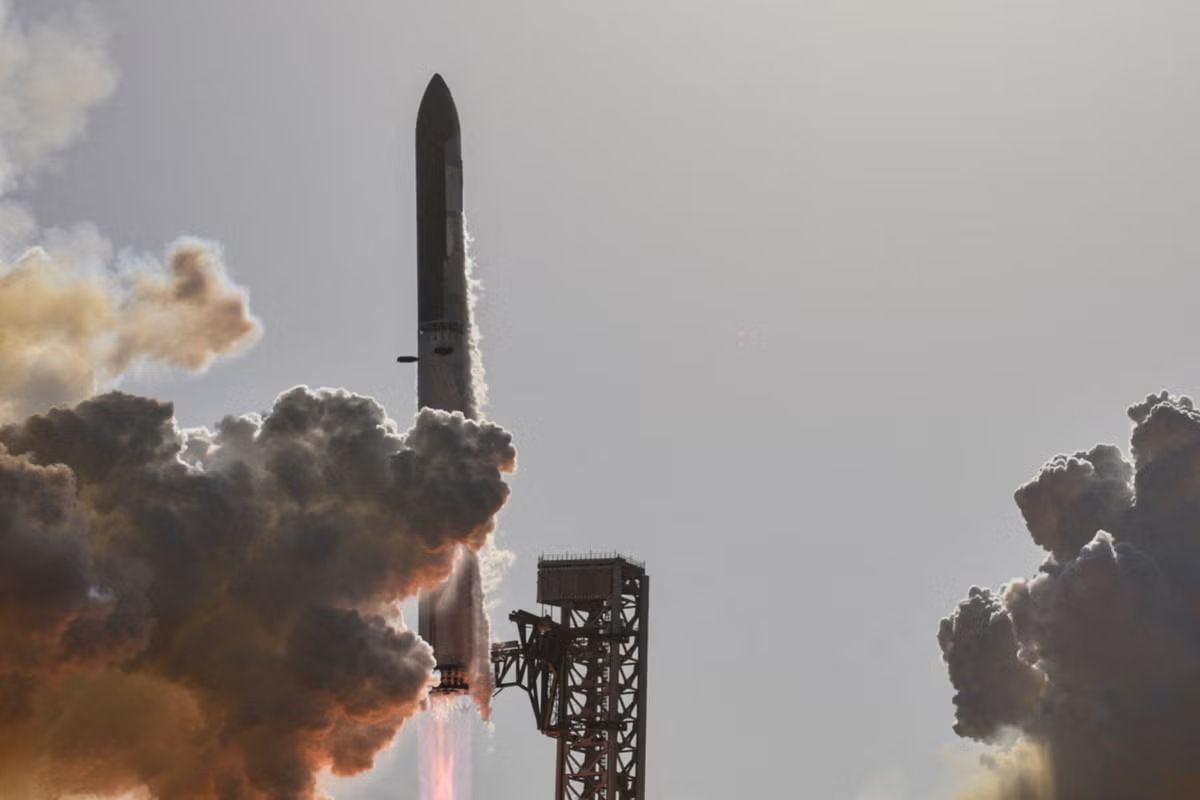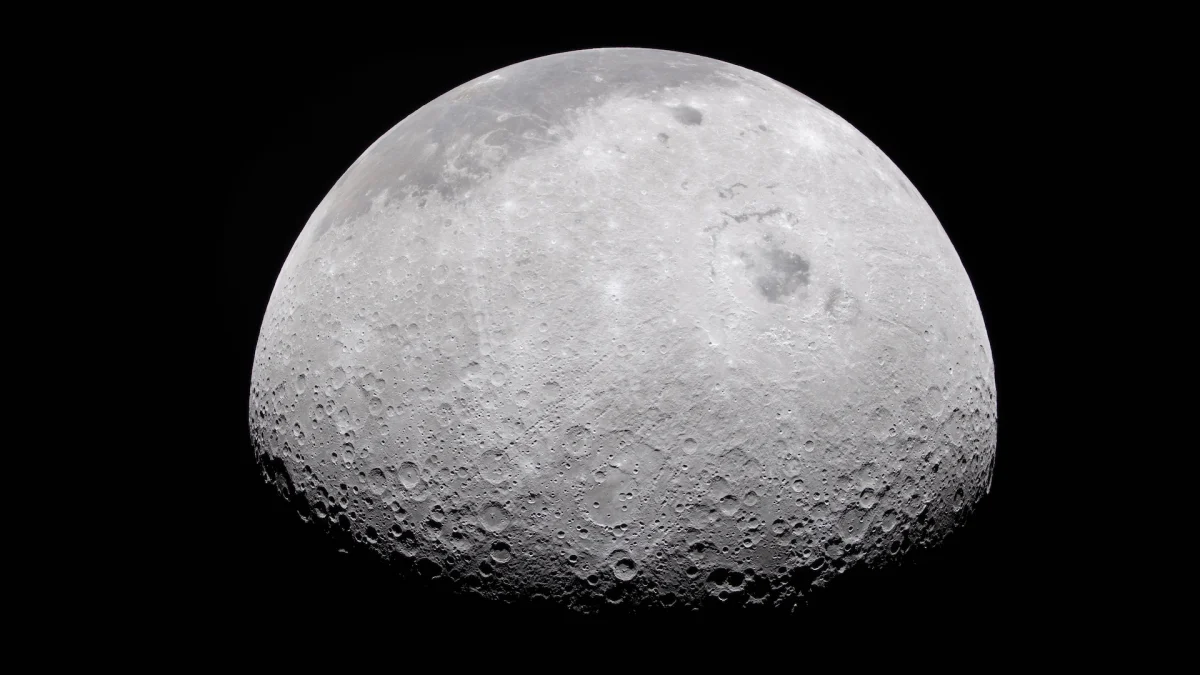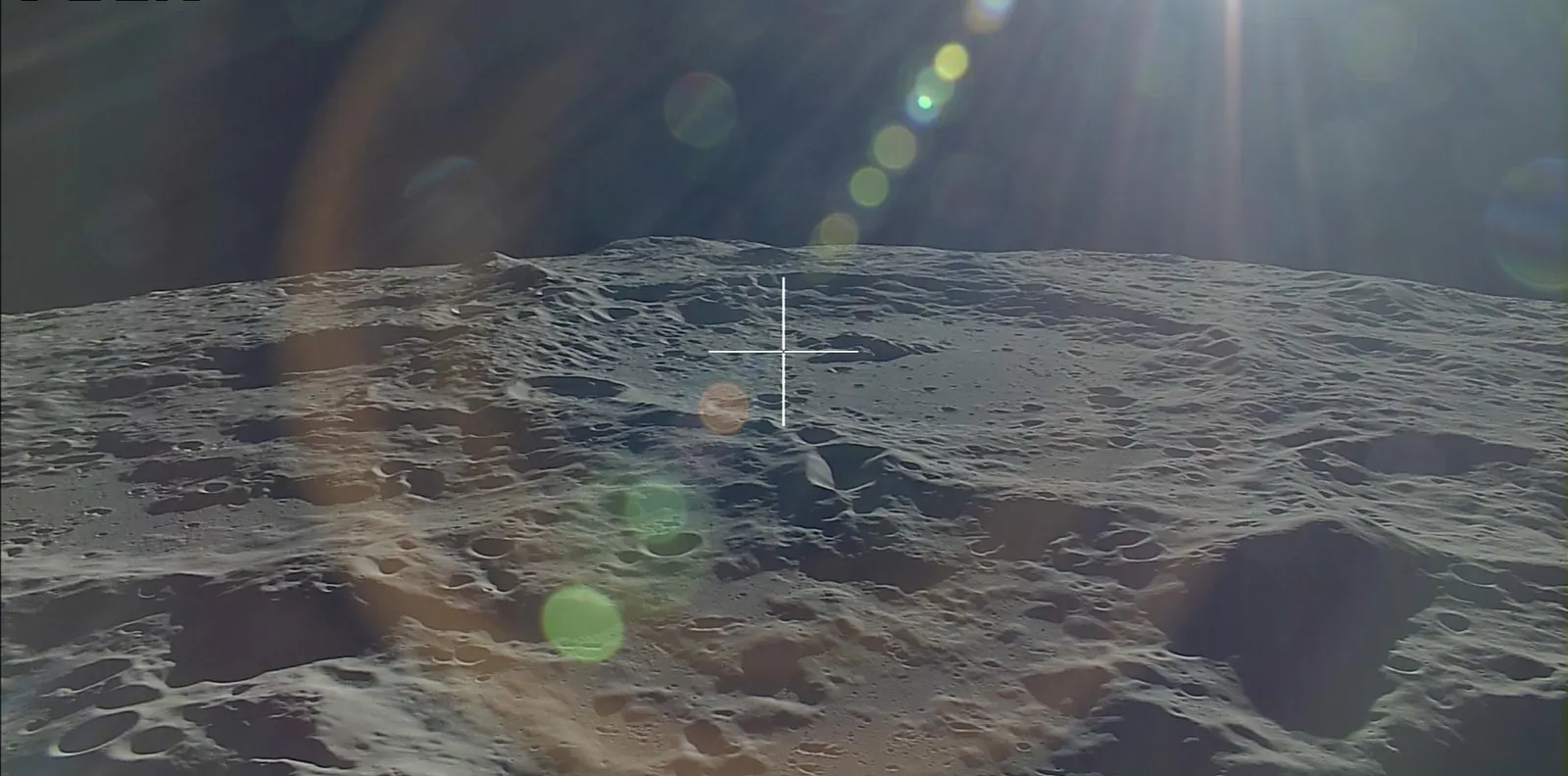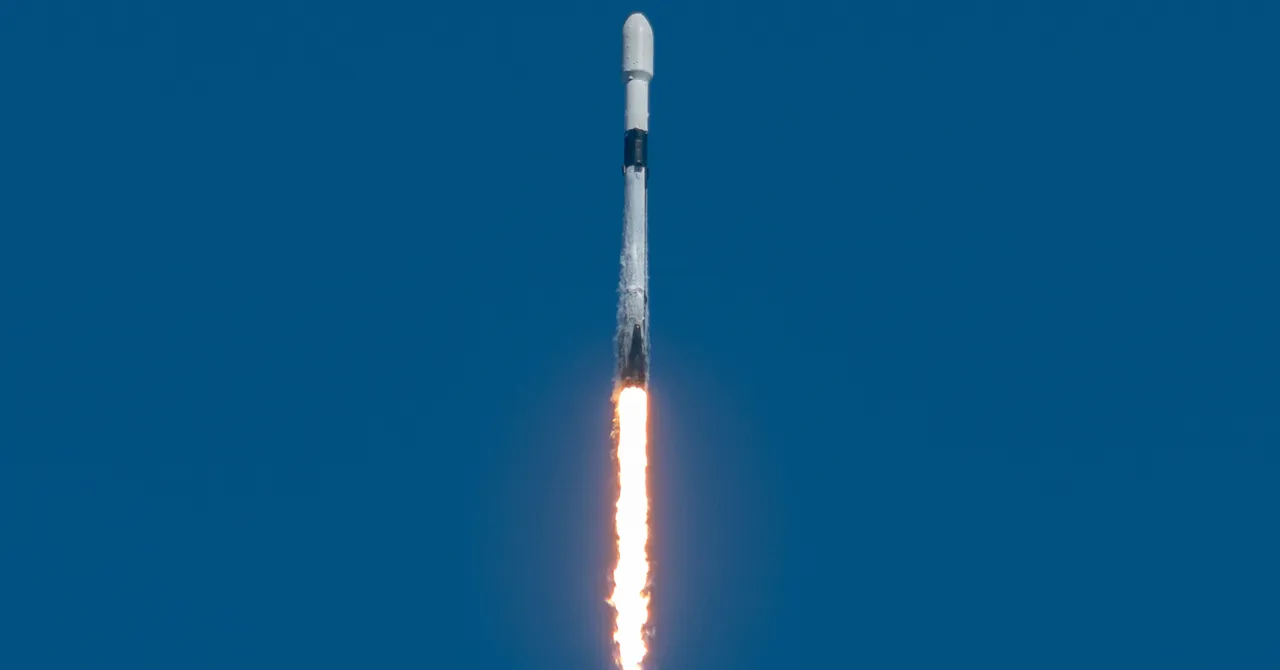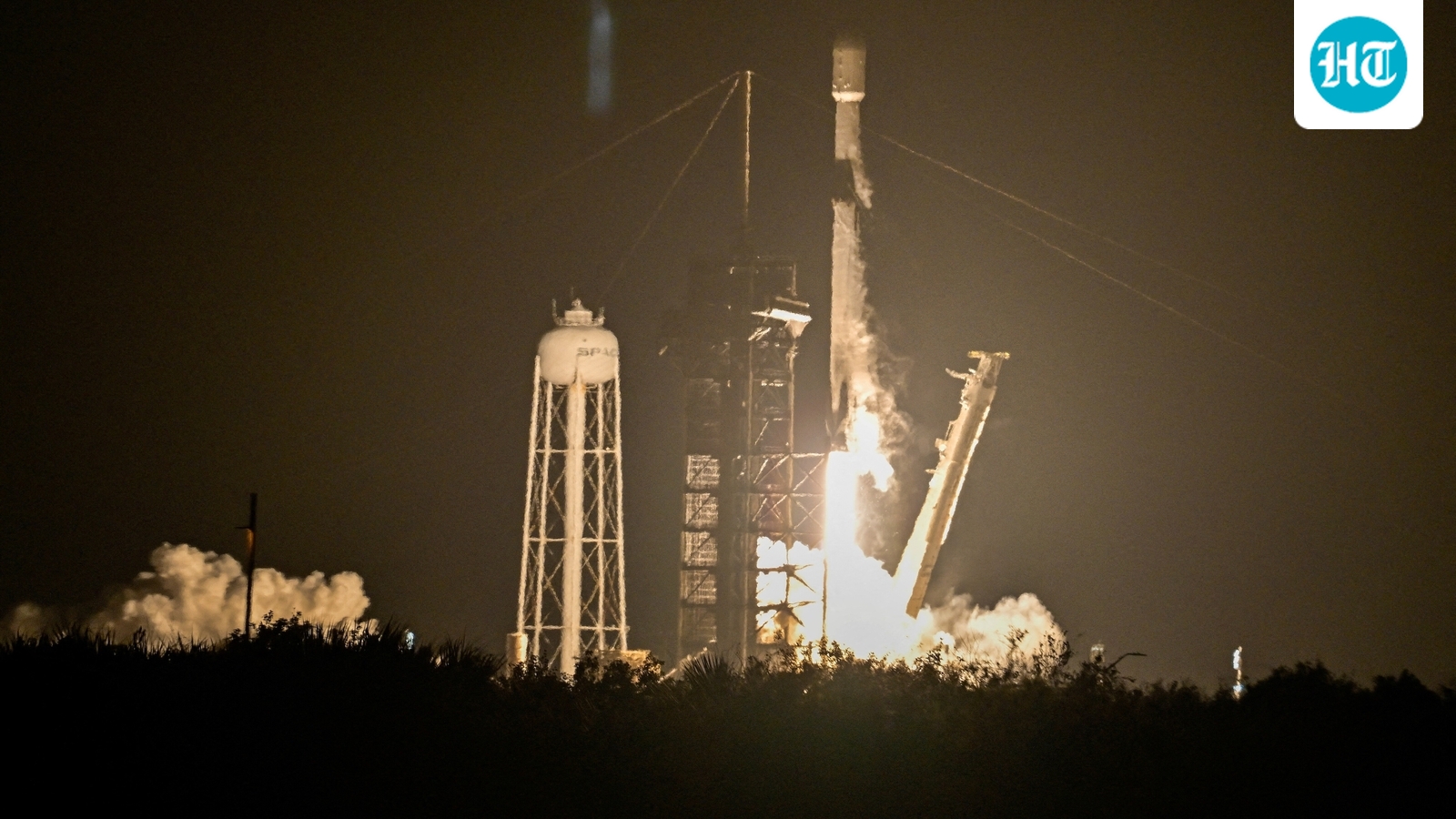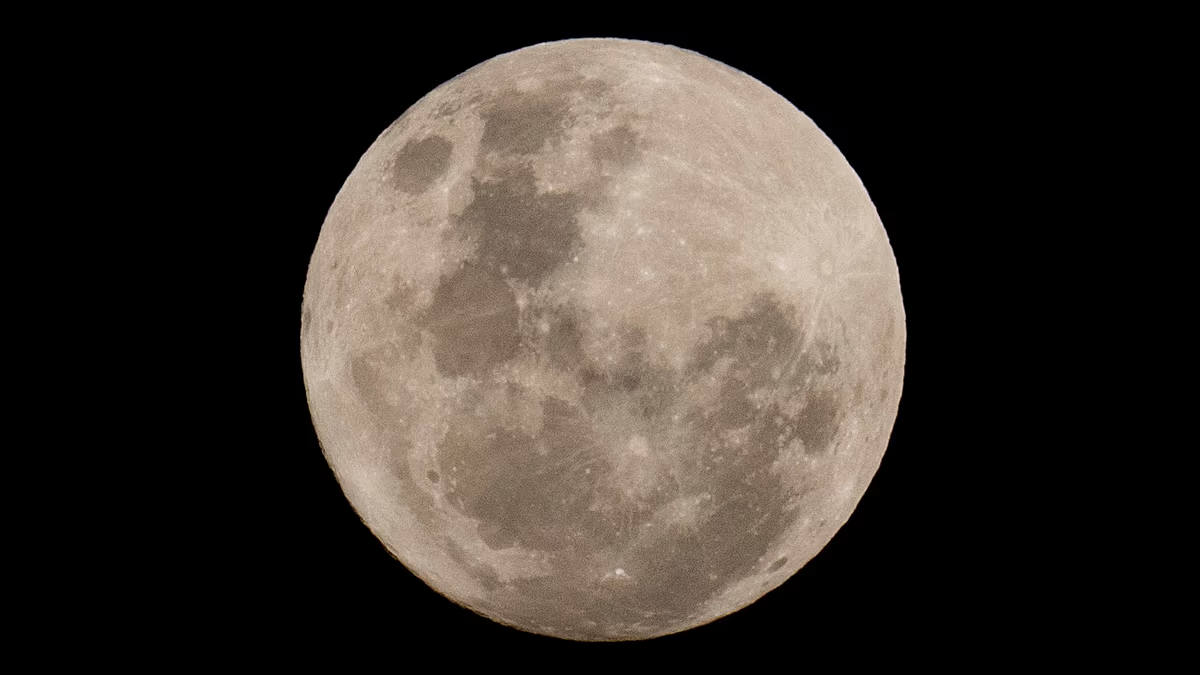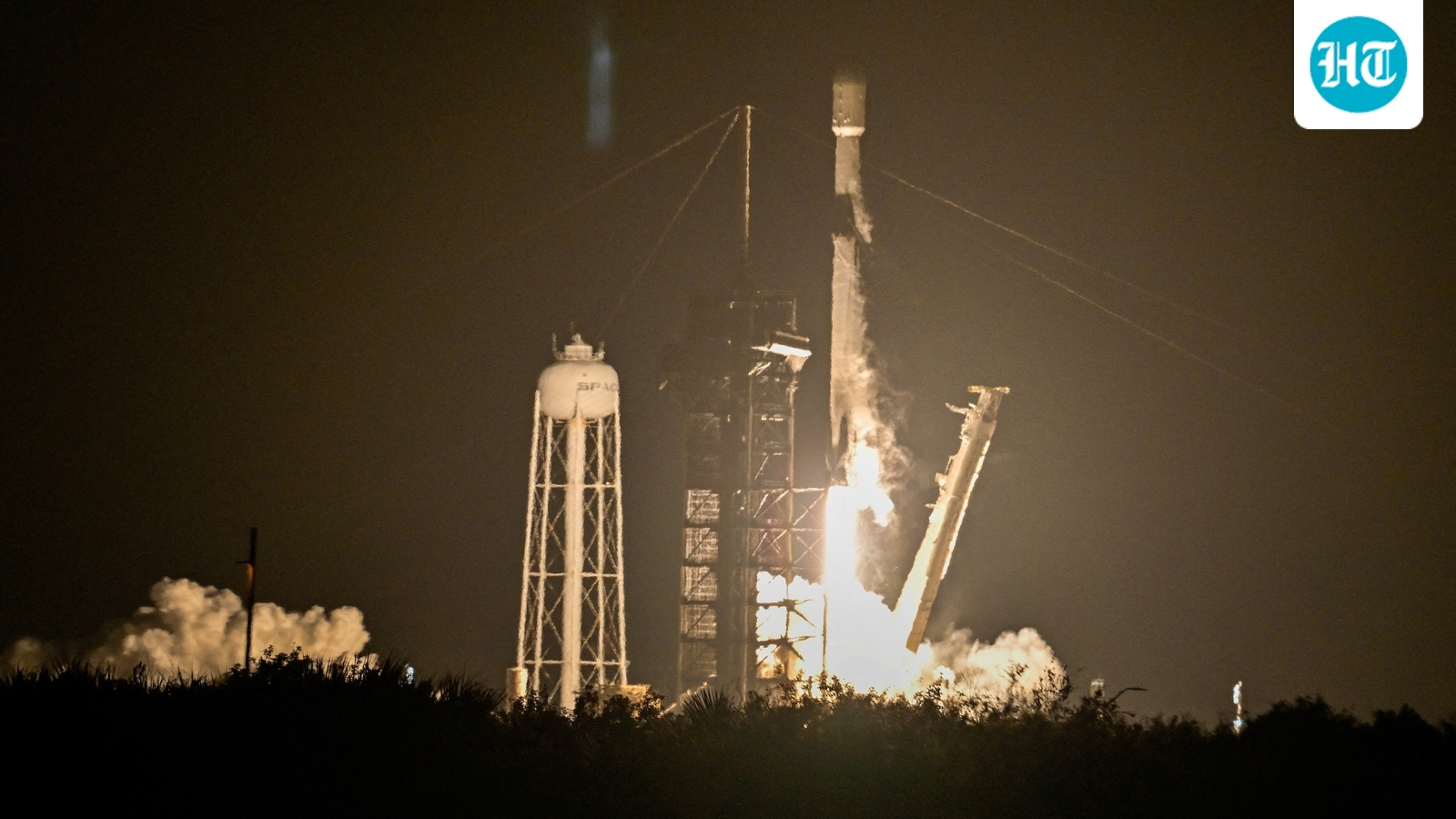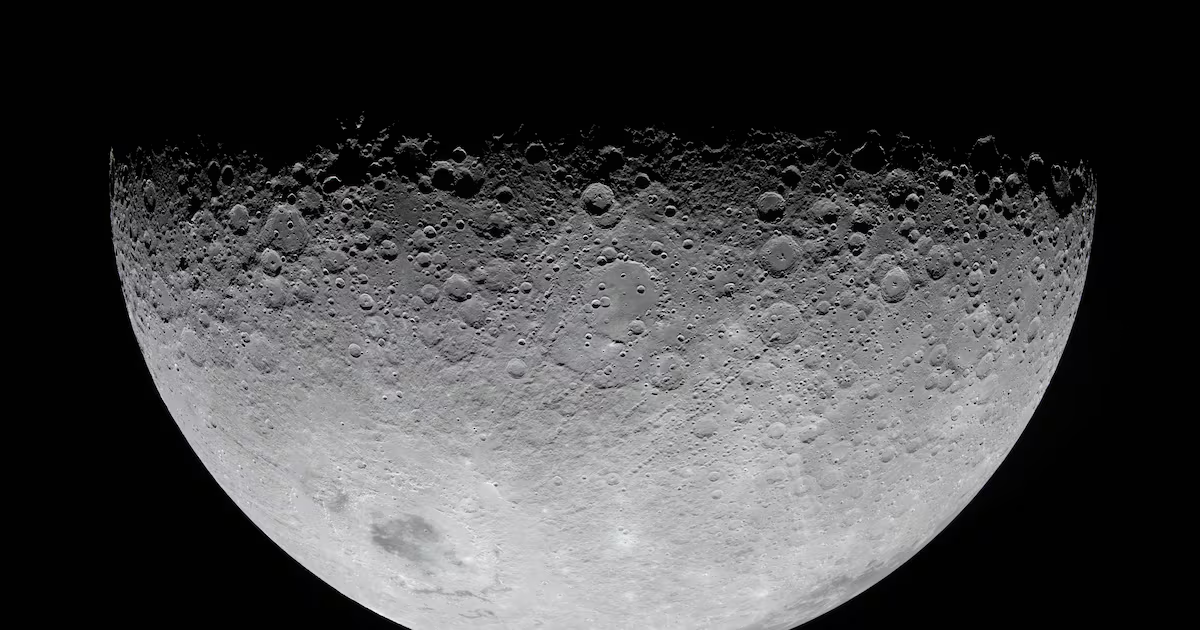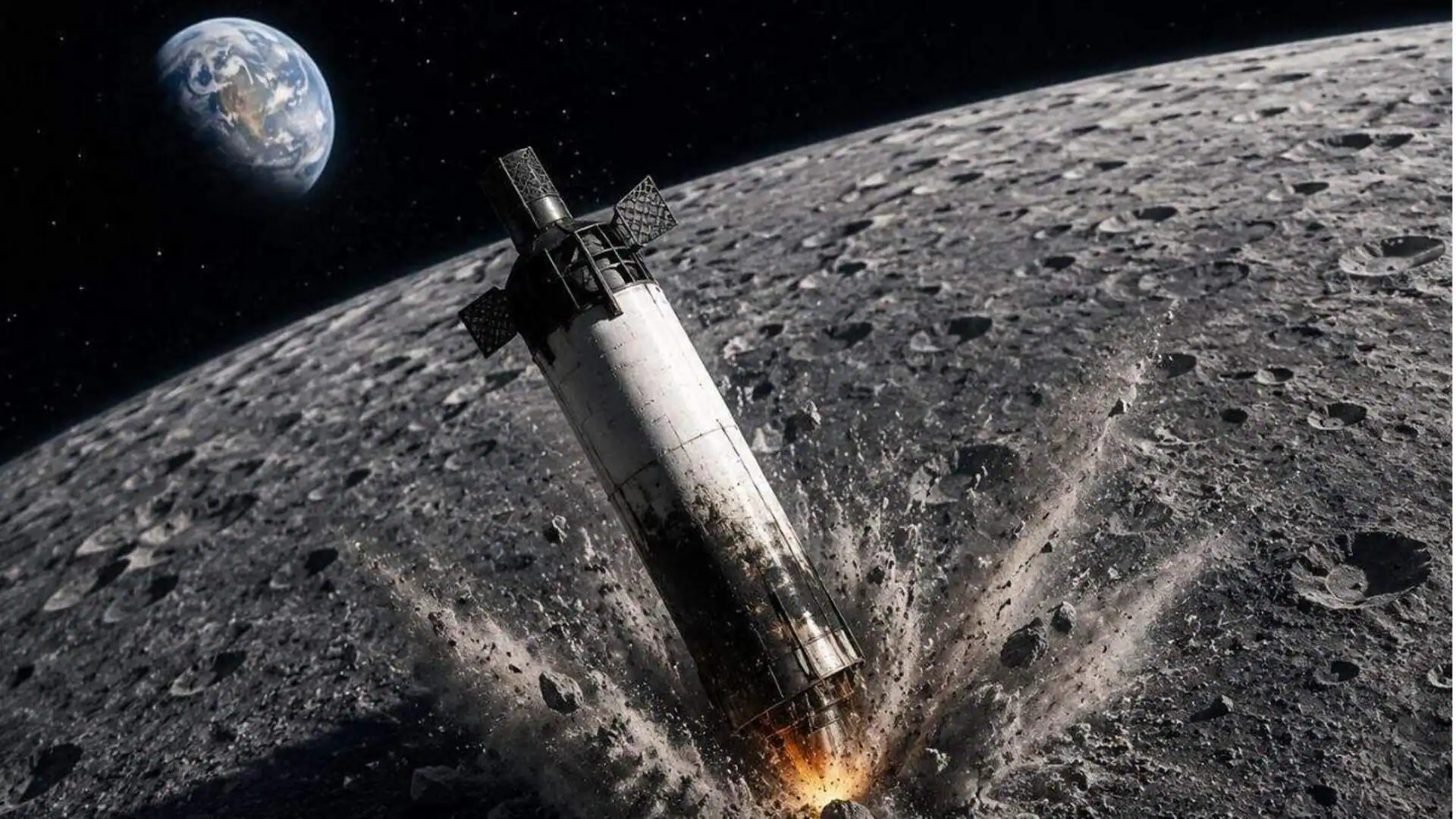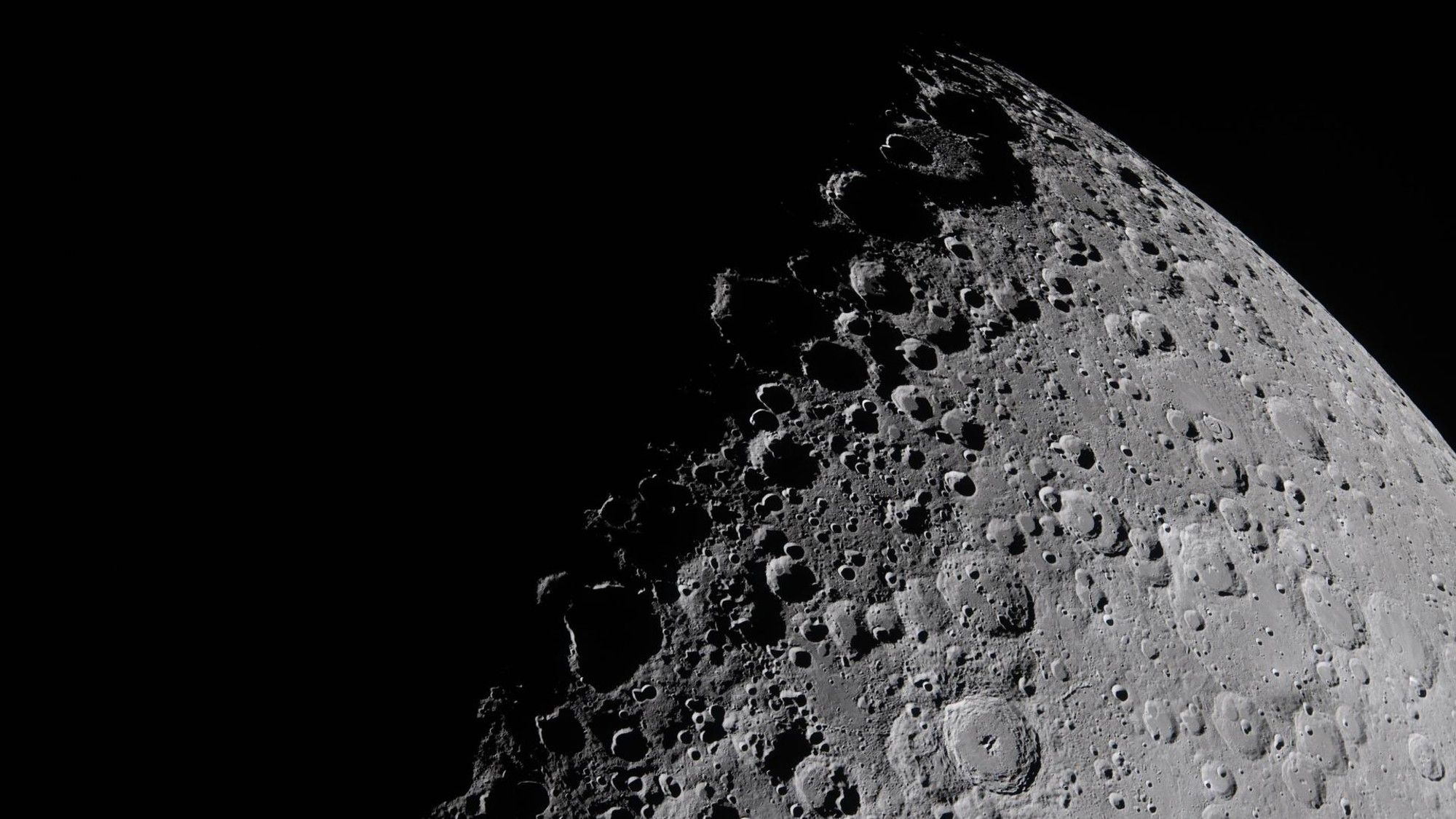
The Moon has gained another piece of human-made debris.A SpaceX Falcon 9 rocket stage, left drifting in deep space after launching Firefly Aerospace's lunar lander in January 2025, is believed to have struck the Moon at high speed early Wednesday. While the impact itself was not expected to be witnessed live, astronomers are analysing telescope observations to confirm the collision and assess the aftermath.Unlike a controlled scientific experiment, the impact was accidental.Yet it has drawn attention to an overlooked reality of modern space exploration: the lunar surface is steadily accumulating remnants of decades of missions, from historic Apollo hardware to crashed spacecraft and discarded rocket stages.A SpaceX rocket becomes the Moon's newest visitorThe object believed to have hit the Moon was the second stage of a Falcon 9 rocket, weighing around four metric tonnes. After completing its role of sending Firefly Aerospace's lunar lander toward the Moon, the stage remained in space because the mission required significantly more energy than launches into Earth orbit.Without enough fuel to manoeuvre or return to Earth, the rocket body continued orbiting through cislunar space for more than a year. Astronomers later calculated that changing gravitational forces, along with solar activity, had gradually nudged it onto a collision course with the Moon.The impact was expected near Einstein Crater on the Moon's western limb at a speed of nearly 8,700 kmph. Scientists believe the collision would have created a fresh crater and thrown up a cloud of lunar dust, although confirming the impact could take several hours or longer because no lunar spacecraft was in position to observe it in real time.The Moon already holds decades of human leftoversThe SpaceX rocket stage joins a growing collection of human-made objects scattered across the Moon.The most famous remains date back to NASA's Apollo programme.Astronauts deliberately left behind equipment such as lunar rovers, scientific instruments, descent stages of the Lunar Modules, tools and other hardware to reduce the weight of spacecraft returning to Earth.During the 1970s, NASA also intentionally crashed Saturn V rocket stages into the Moon to study how seismic waves travelled beneath the lunar surface.Those controlled impacts helped scientists better understand the Moon's interior.More recent missions have added to the debrisThe pace of lunar exploration has increased dramatically in recent years, bringing with it a rise in unintended crashes.India's Chandrayaan-2 lander crashed during its final descent in 2019 after losing communication moments before touchdown.That same year, Israel's Beresheet spacecraft also failed during landing and impacted the lunar surface. Among its unusual payload were microscopic tardigrades, organisms known for surviving extreme environments.Russia's Luna-25 mission met a similar fate in 2023 after an engine malfunction caused the spacecraft to crash instead of making a controlled landing. Scientists have said its small plutonium-238 power source is unlikely to pose any danger on the lunar surface.In 2022, a spent Chinese rocket stage also slammed into the Moon after completing a lunar mission, leaving behind an unexpected impact site.Why the SpaceX impact is differentUnlike previous intentional impact experiments or failed landings, the Falcon 9 rocket stage was never meant to return to the Moon.By the time astronomers realised it was on a collision trajectory, the stage had long exhausted its fuel and was no longer under anyone's control.According to SpaceX, the impact was entirely unintentional and resulted from the complex interplay of gravity and solar influences acting on the abandoned rocket over time.Experts say the collision poses no immediate risk.However, it serves as another reminder that space debris is no longer just an issue around Earth. As more governments and private companies launch missions beyond Earth orbit, managing discarded hardware in deep space is becoming an increasingly important challenge.The future of lunar exploration may depend on cleaner missionsThe renewed global race to the Moon is expected to intensify over the next decade. NASA's Artemis programme aims to establish a sustained human presence on the lunar surface, while several countries and commercial companies are planning robotic and crewed missions.Against that backdrop, preventing uncontrolled impacts is emerging as a new priority. NASA and SpaceX are already discussing ways to reduce the chances of future rocket stages ending up on accidental collision paths with the Moon.While the latest impact is unlikely to cause lasting damage, it underscores how every mission leaves a mark. From Apollo relics and scientific instruments to failed landers and stray rocket stages, the Moon is gradually becoming a record of humanity's expanding footprint in space.
SpaceX rocket crashes on the Moon — joins a surprising list of objects humans have left on the lunar surface
A SpaceX rocket has crashed on the Moon's surface. This event adds to the growing collection of human-made debris on the lunar landscape. Decades of missions have left behind equipment and discarded rocket stages from various space programs. Recent years have seen an increase in unintended crashes from lunar exploration missions. Managing space debris is becoming a significant challenge for future lunar endeavors.
734 words~3 min read