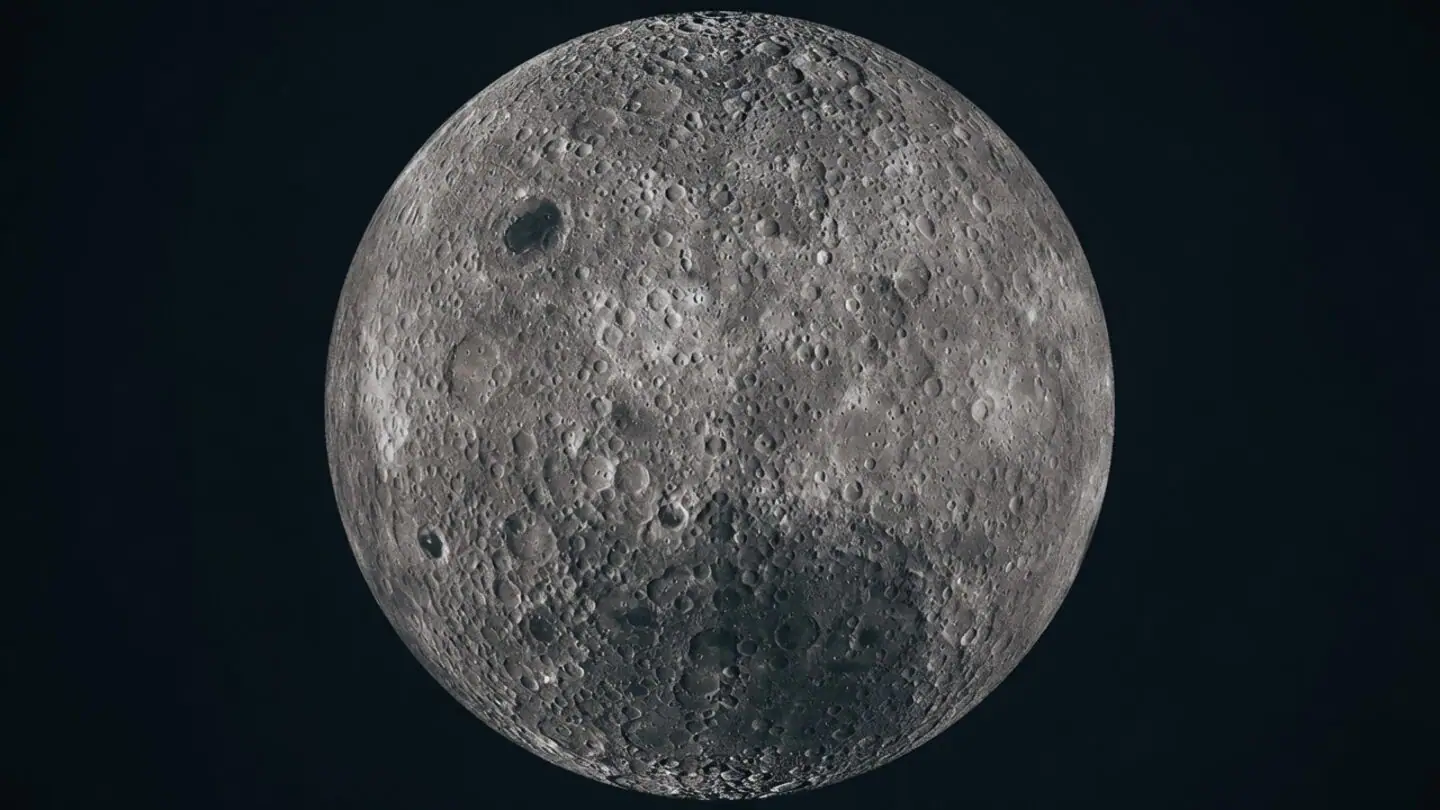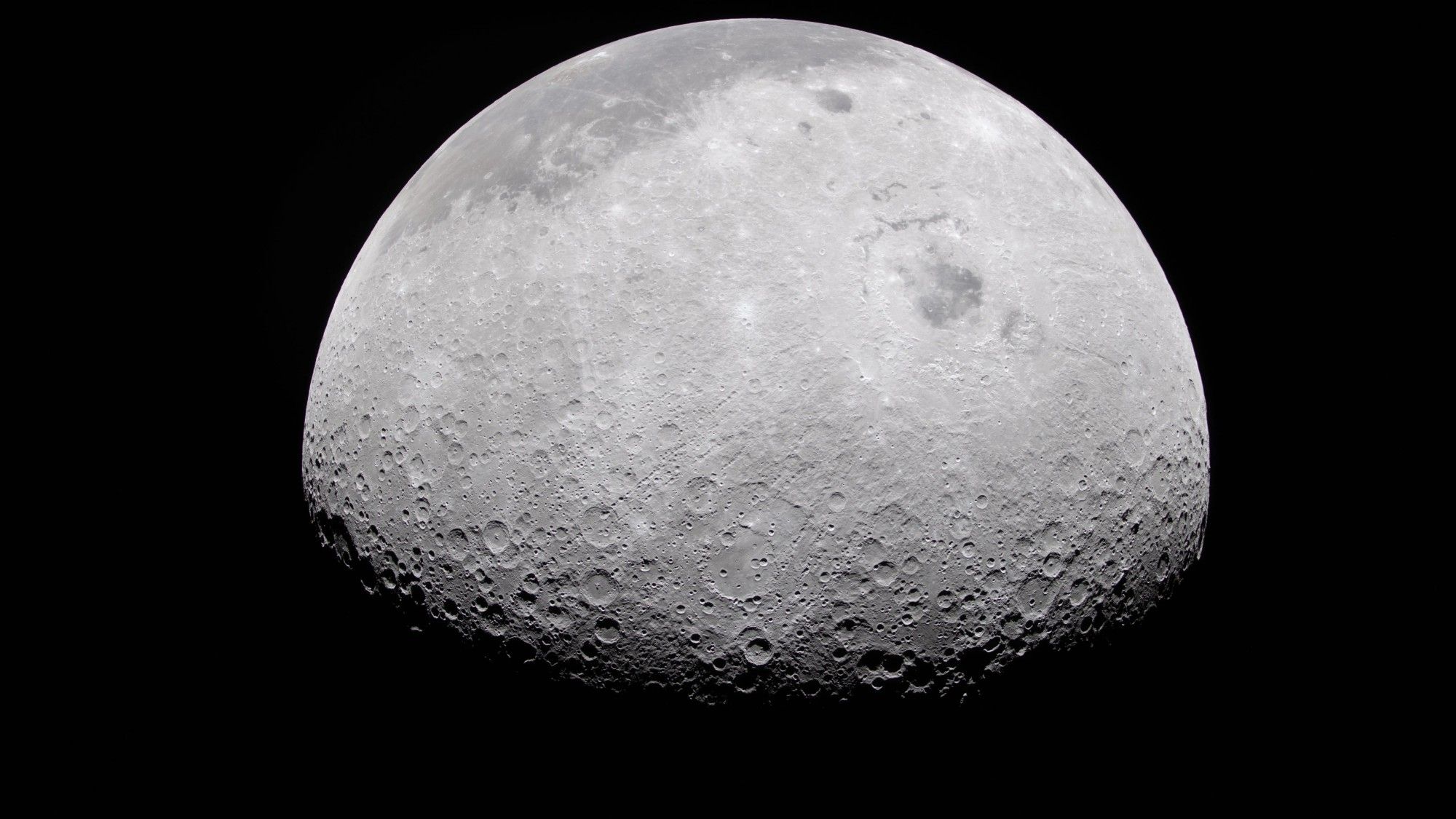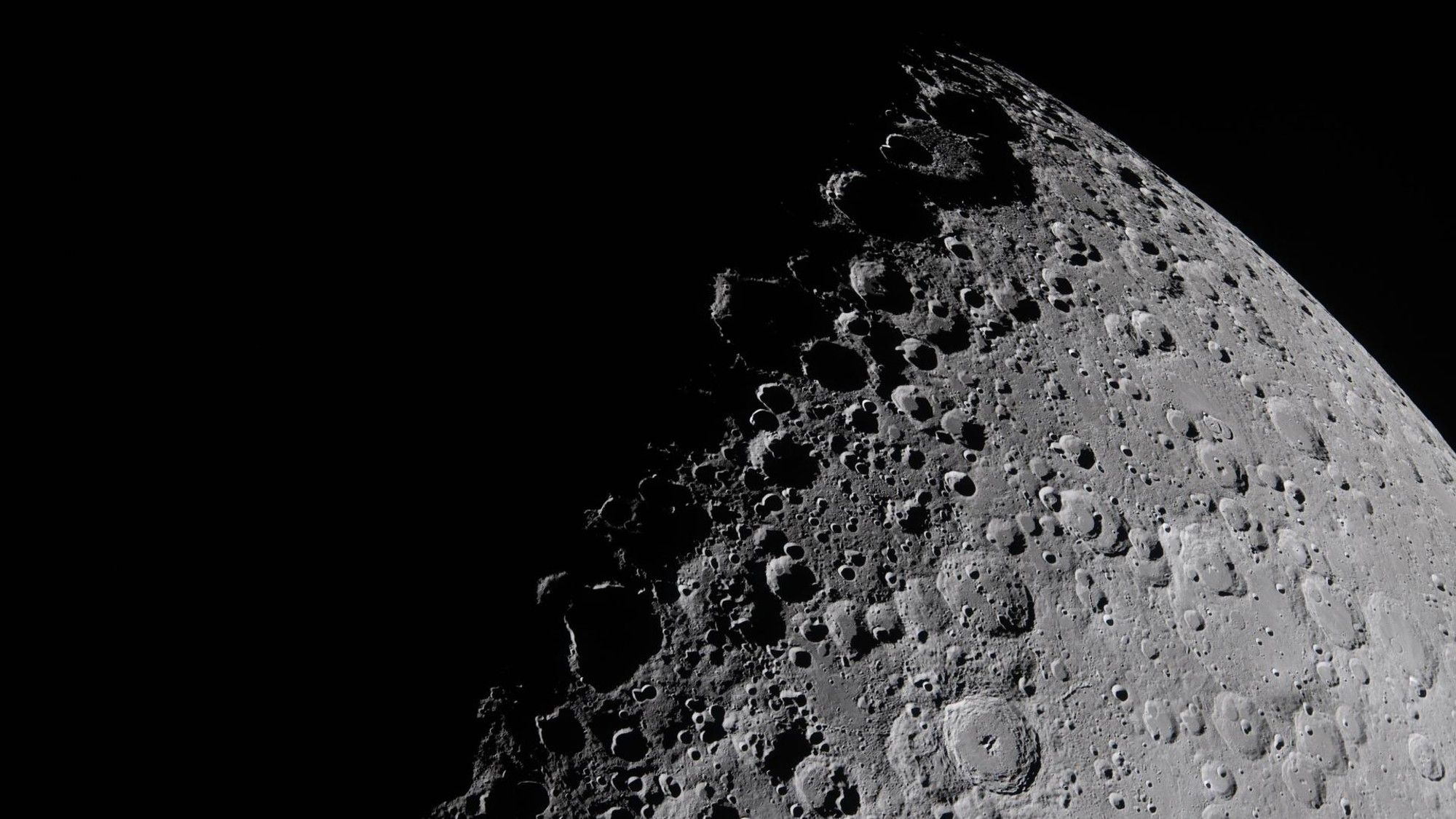
A portion of the moon captured by the Artemis II crew during their ten-day mission in April 2026.
(Image credit: NASA/JSC)
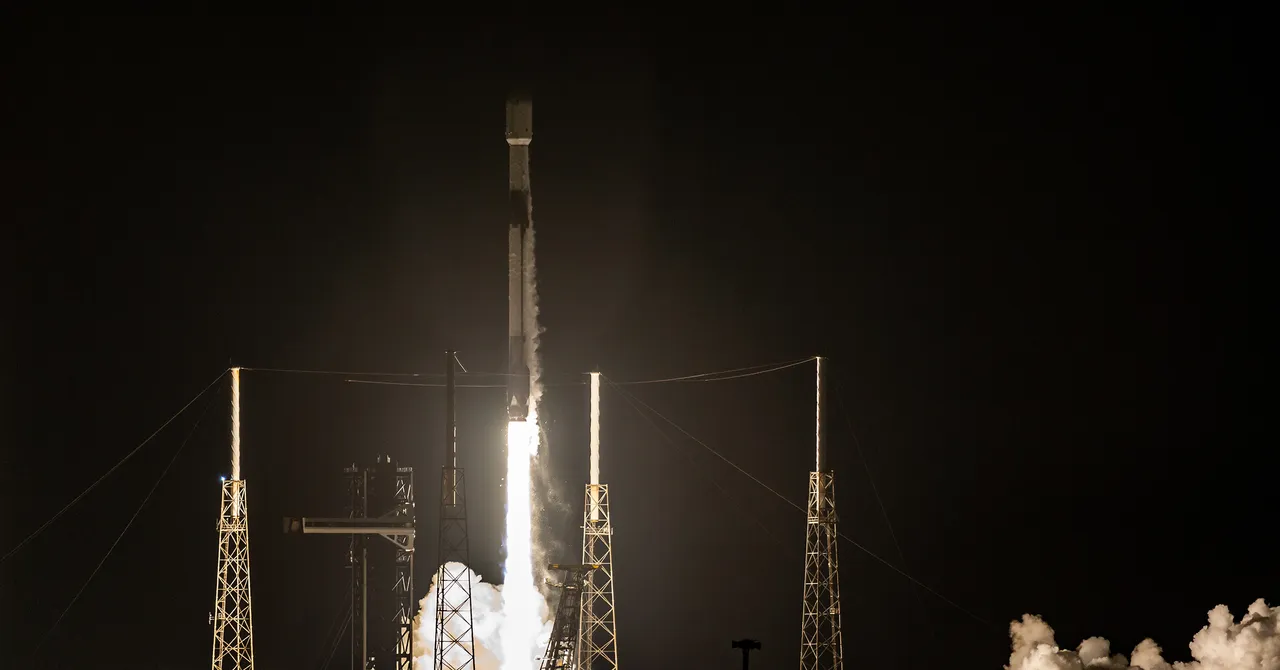
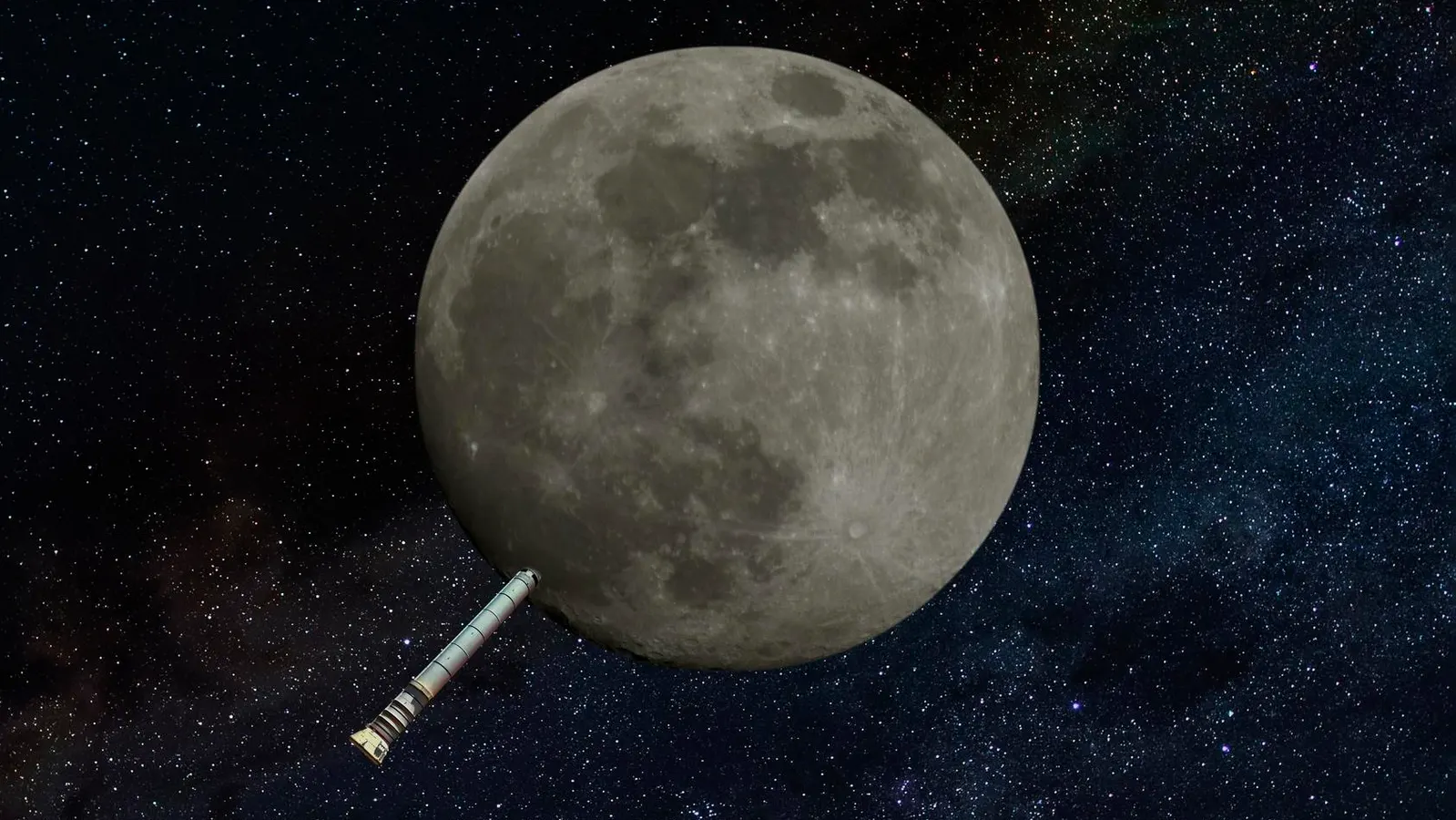
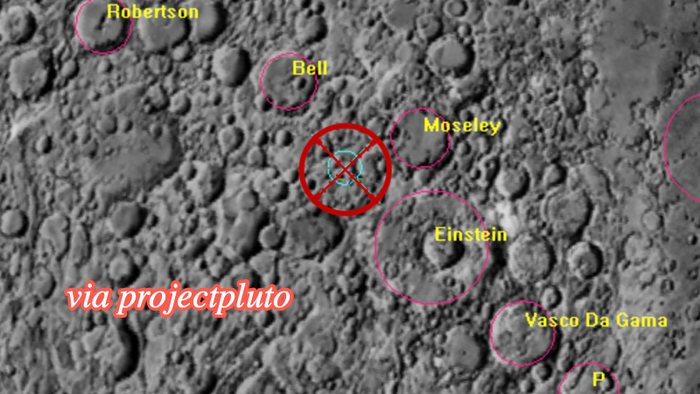
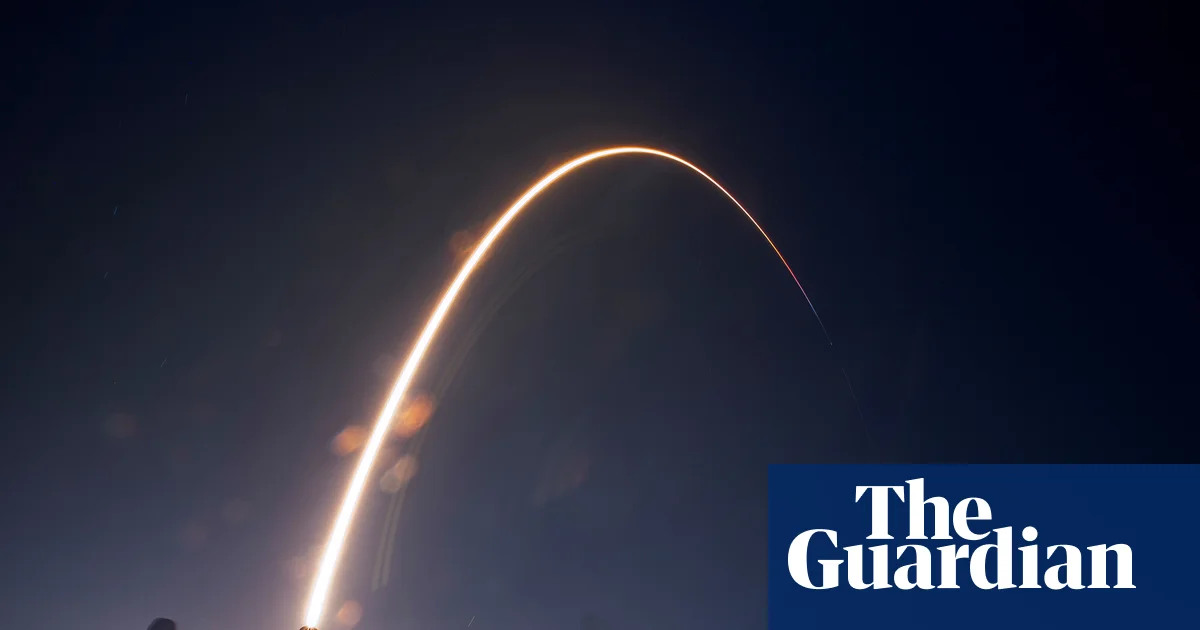
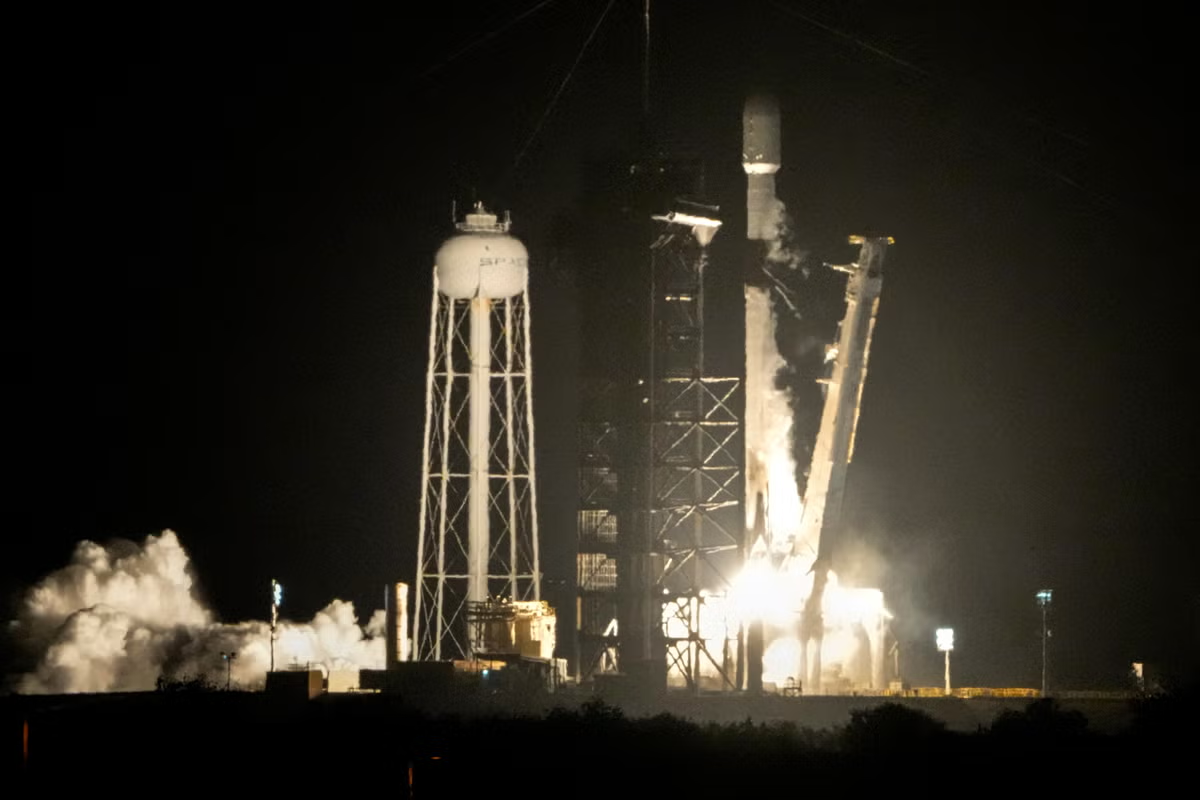
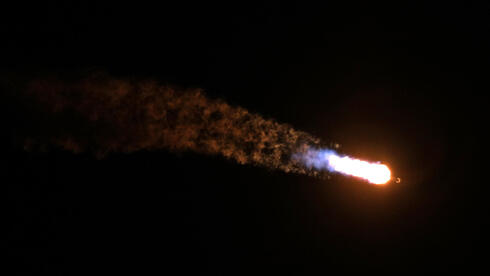
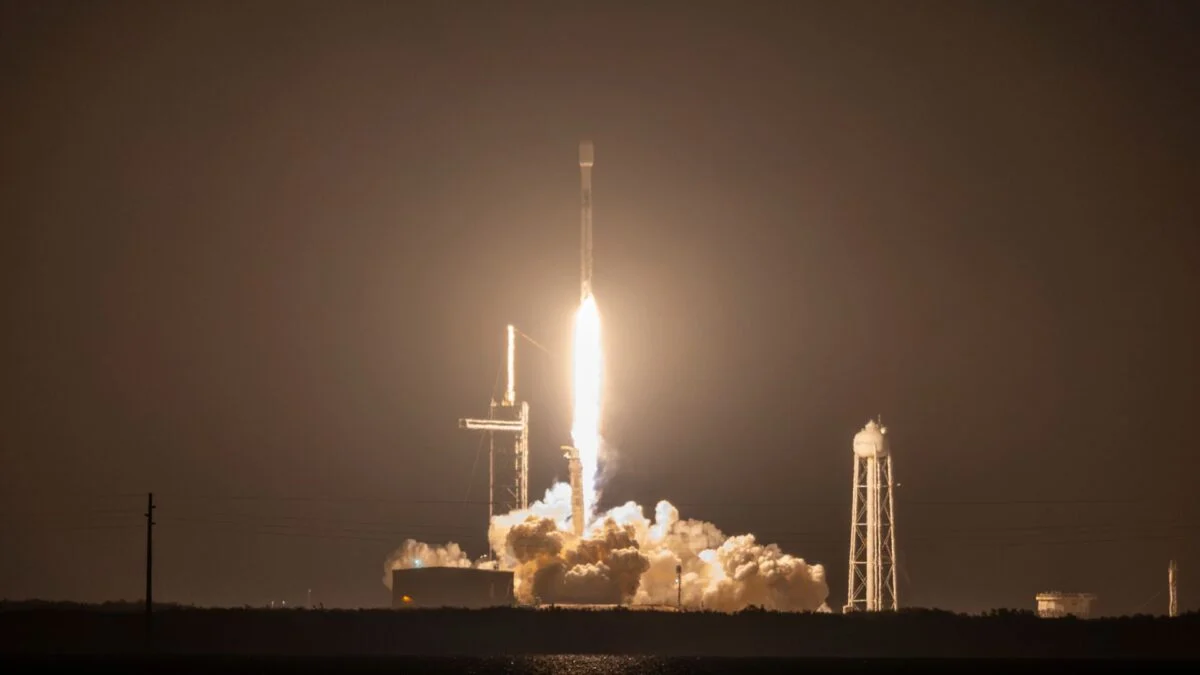
On Aug. 5, Earth's moon is due for a human-made, high-speed impact from an identified flying object: a spent SpaceX Falcon 9 upper stage. The event will lead to a literal "dust up" on the lunar landscape.That Falcon 9 upper stage is a leftover from the launch that sent Firefly's Blue Ghost-1 lander to the moon on Jan. 15, 2025. Onboard the same flight was the Hakuto-R Mission 2, called Resilience, a robotic lunar lander developed by the Japanese company ispace.And according to a new study by an international team published on the open-source arXiv server, the resulting impact plume may briefly be bright enough to see against the dark sky near the moon's edge. That means it might be visible to moongazers with sufficiently sensitive telescopes.This head-on collision of the errant stage is expected to occur near the Einstein and Bell craters near the western lunar limb. It may well be visible to ground and space-based assets. Indeed, putting aside all the unknowns and modeling uncertainties, some specialists suggest if you've got the time and observational prowess, it might be worth a look.Visible ejecta spikeUsing special physics simulations to model the impact, William Jo, a graduate research assistant at the University of Texas, Austin and colleagues predict the debris plume from the impact will have the central ejecta spike reaching roughly 47 miles to over 60 miles (75 kilometers to 100 kilometers) altitude."Our calculations suggest the plume should be several orders of magnitude brighter than the dark-sky background for the first few minutes after impact," Jo told Space.com. "So the plume should be visible, though I'd stress this is a single nominal case. The real one will look different, and the numbers are on the optimistic side. But the point worth making is that the flash isn't really the story here."Jo emphasized that there's great slam-dunk science to be had. "Watching this one gives us a rare chance to open up ejecta-plume science and calibrate those models against a real event, which matters for every future thing we deliver to the moon," Jo said.