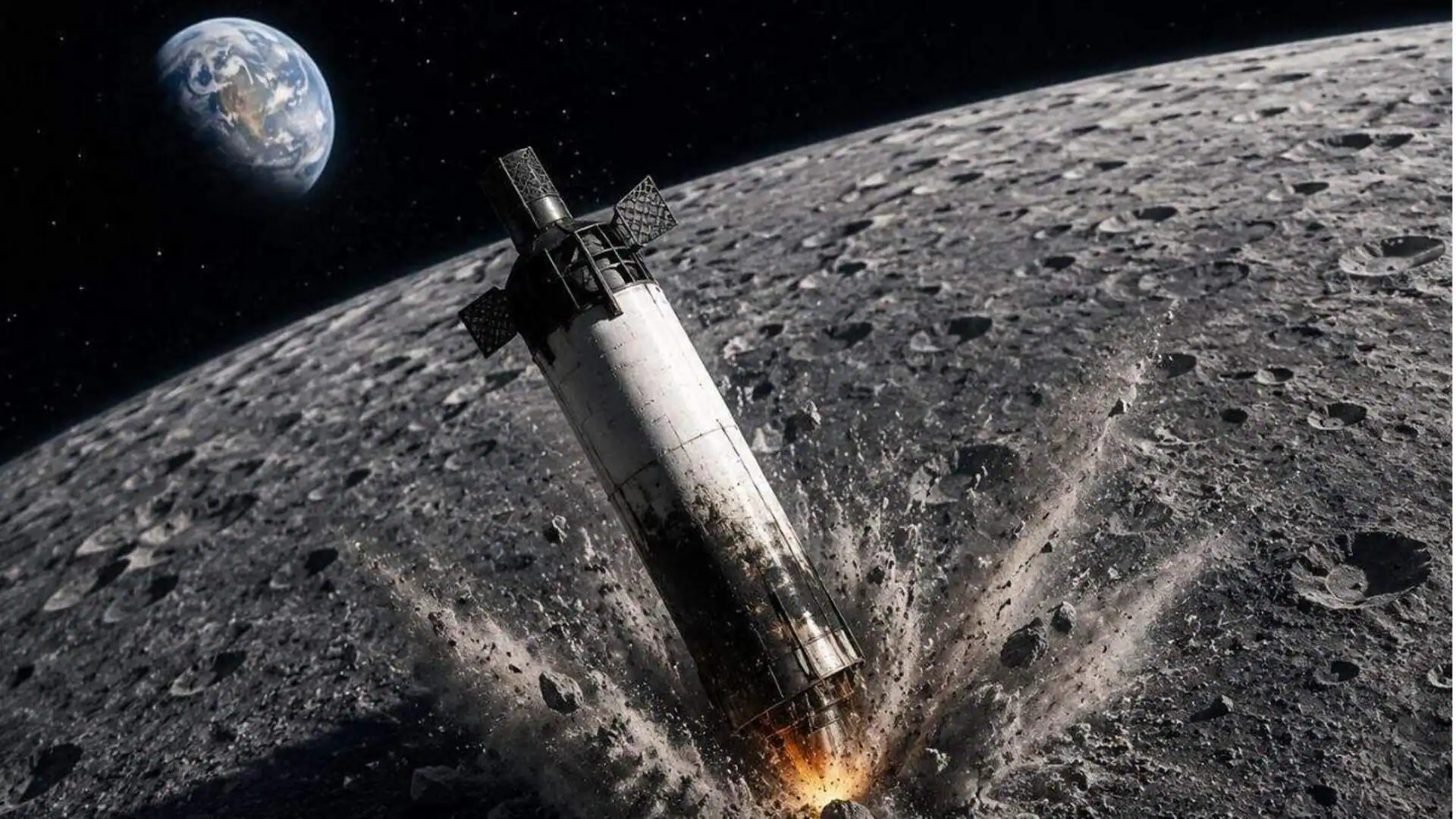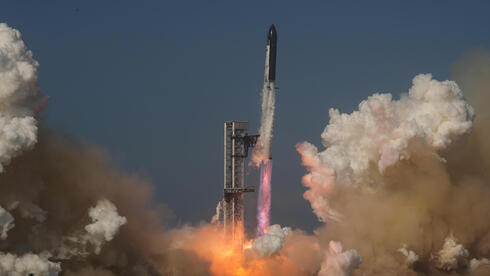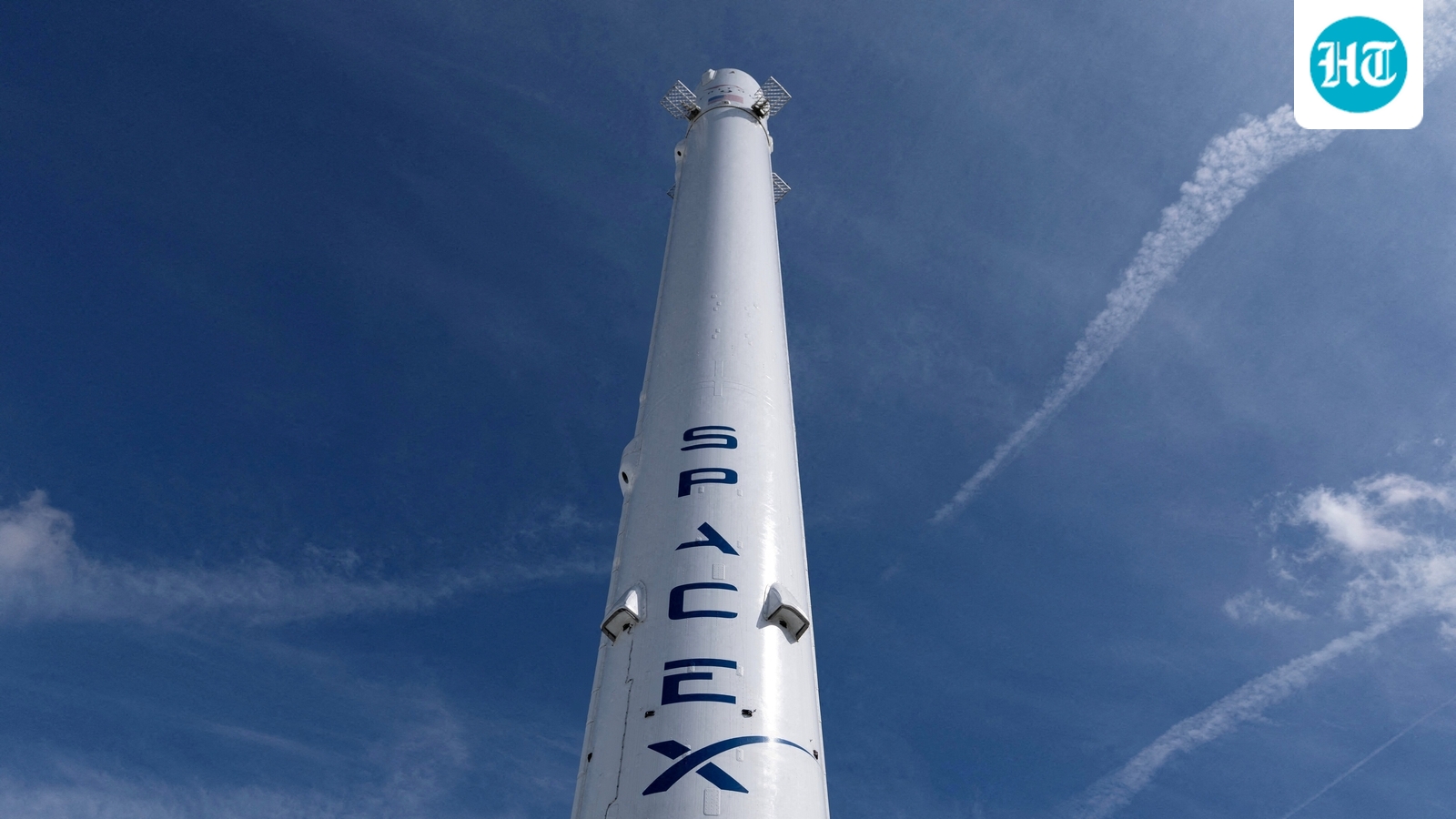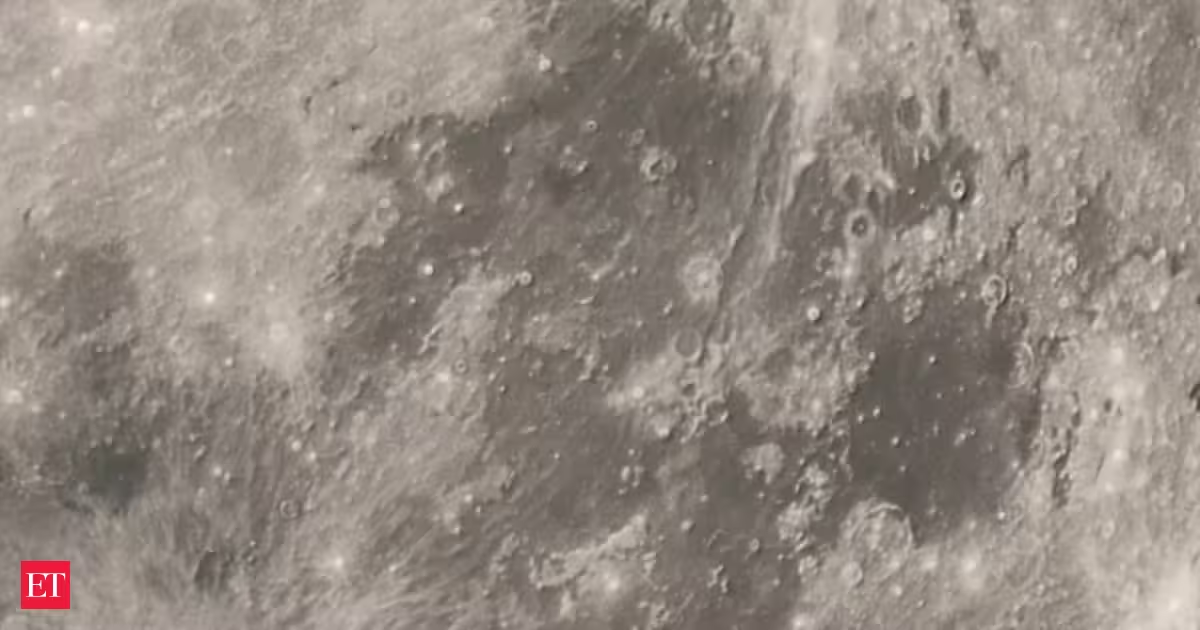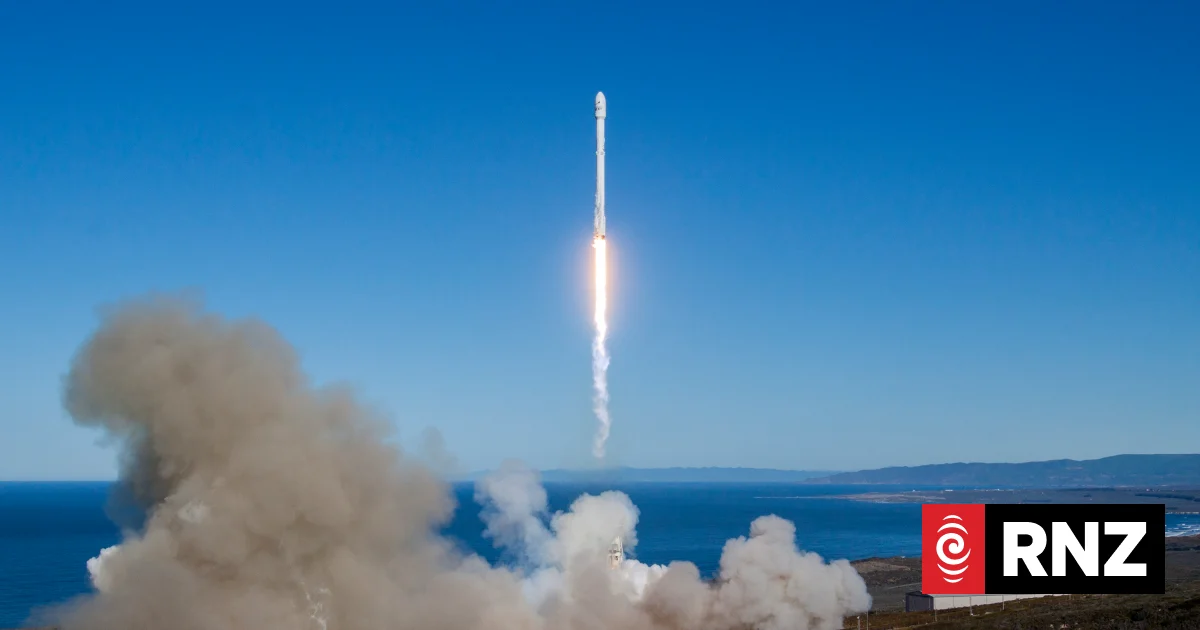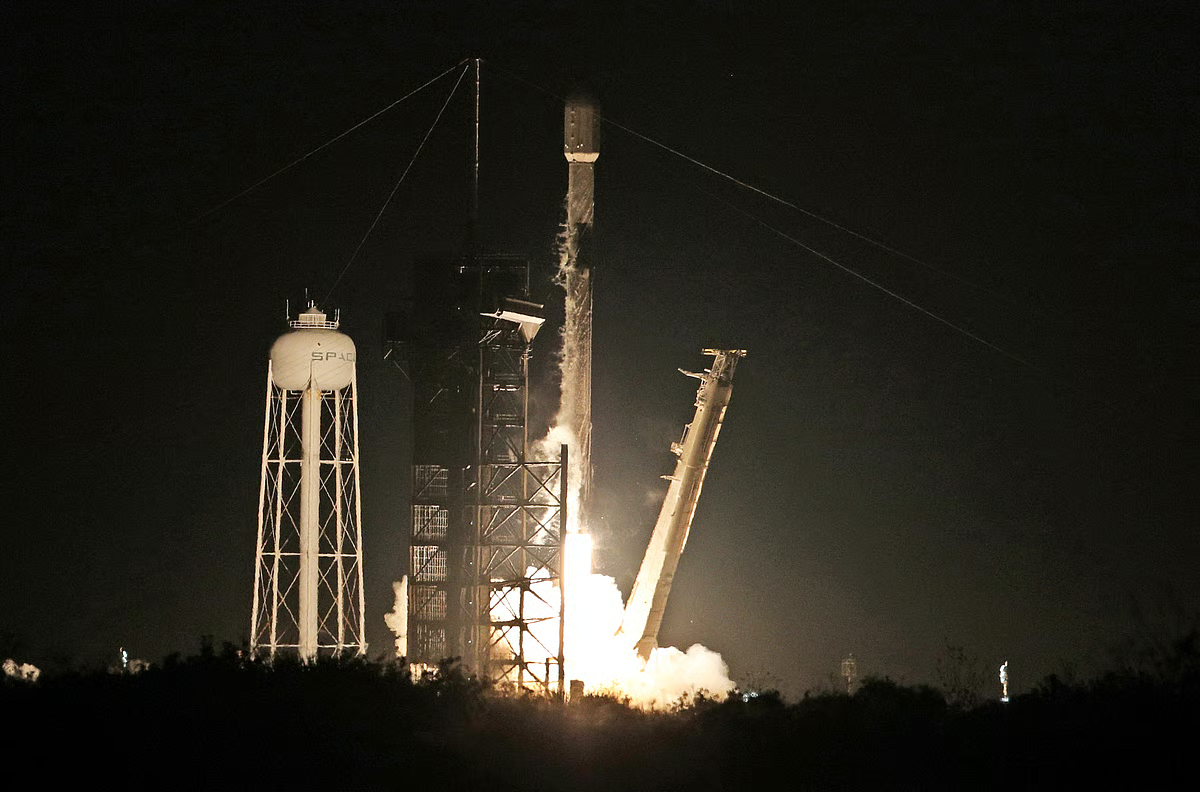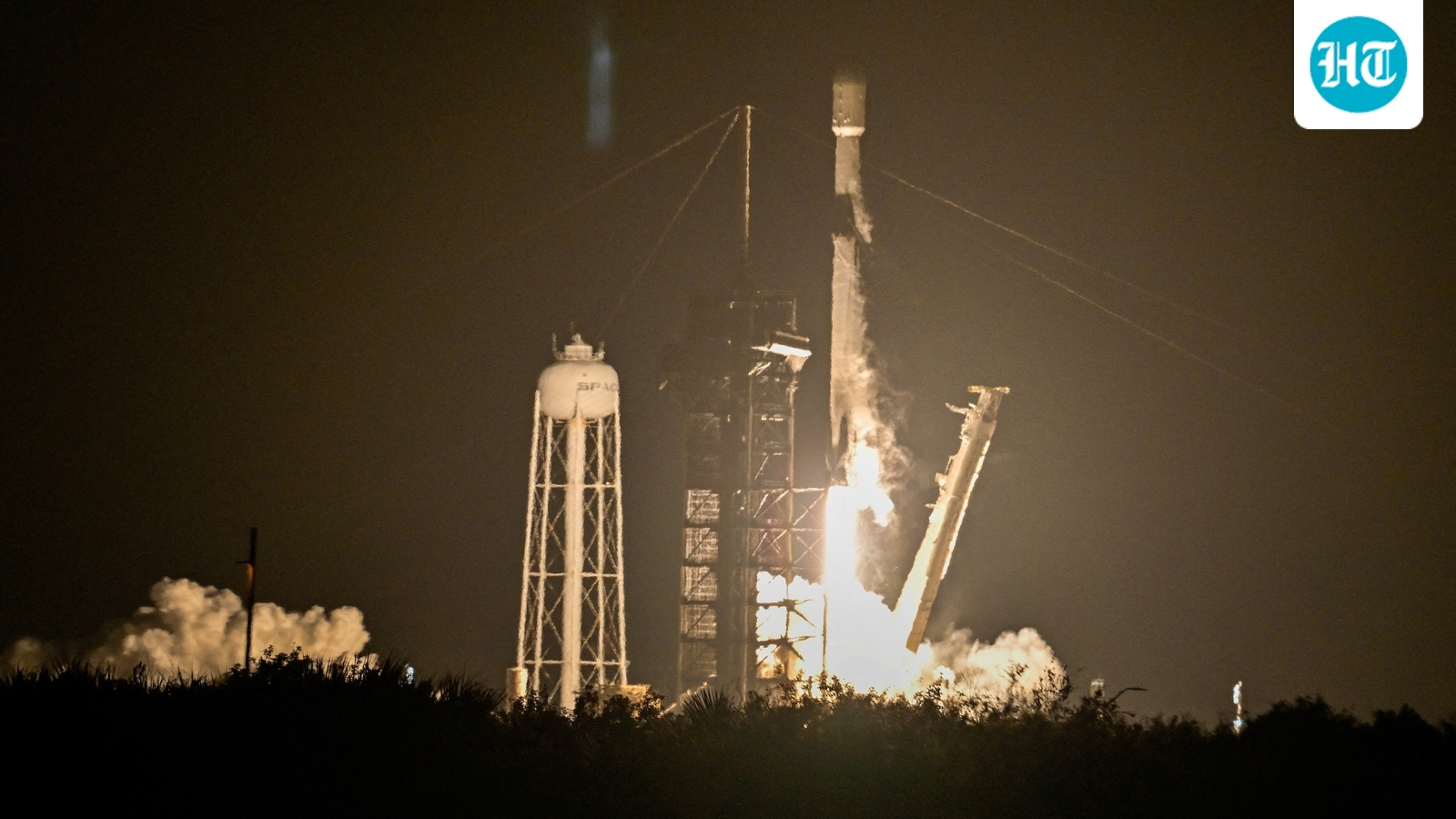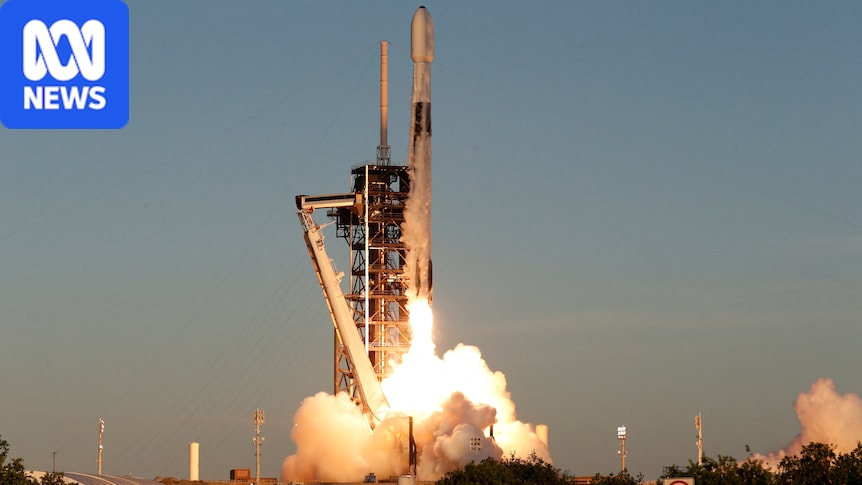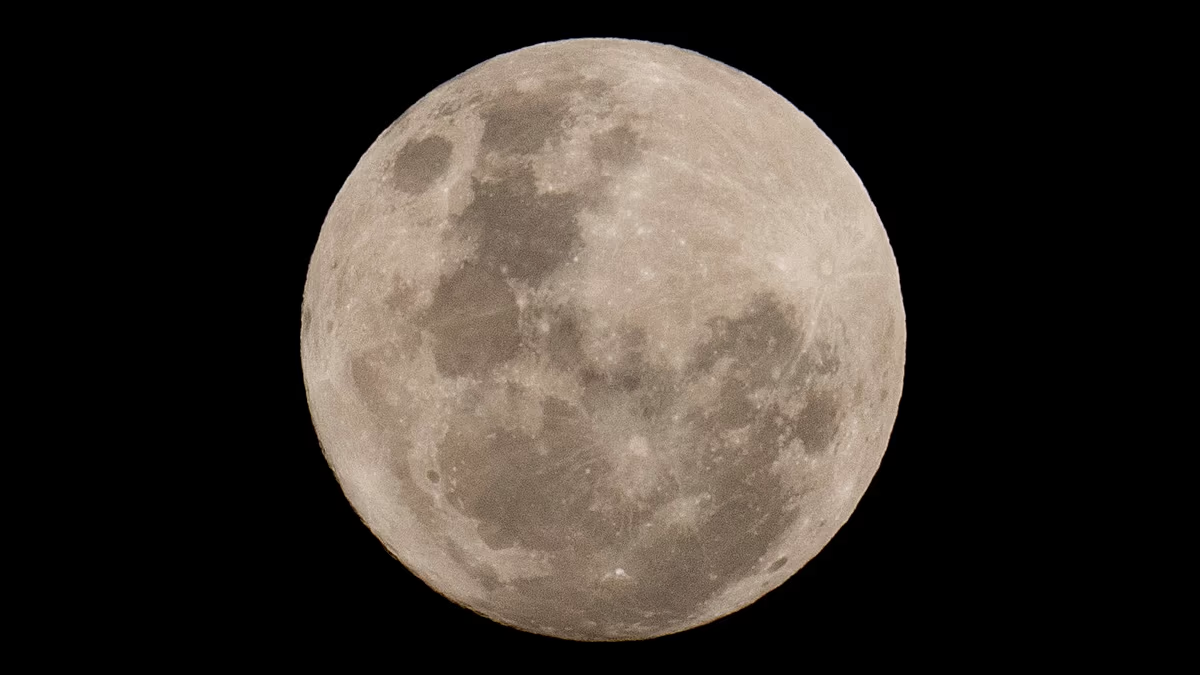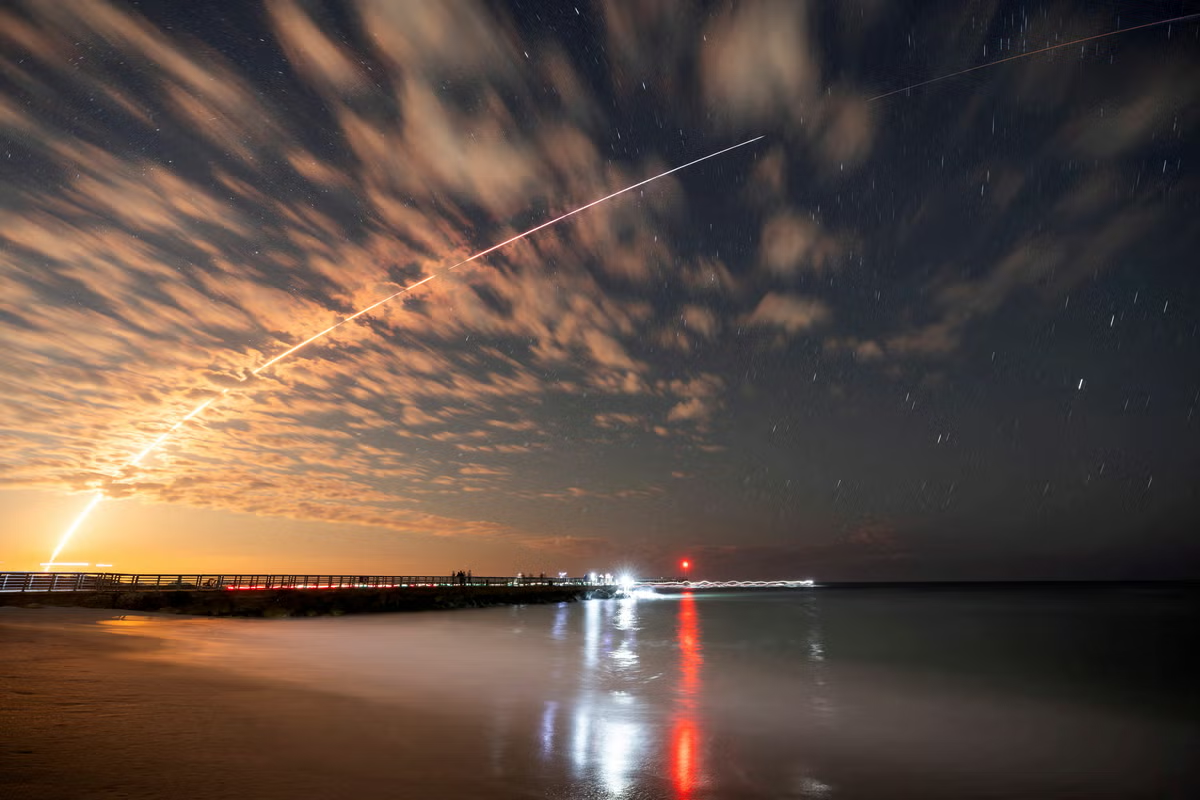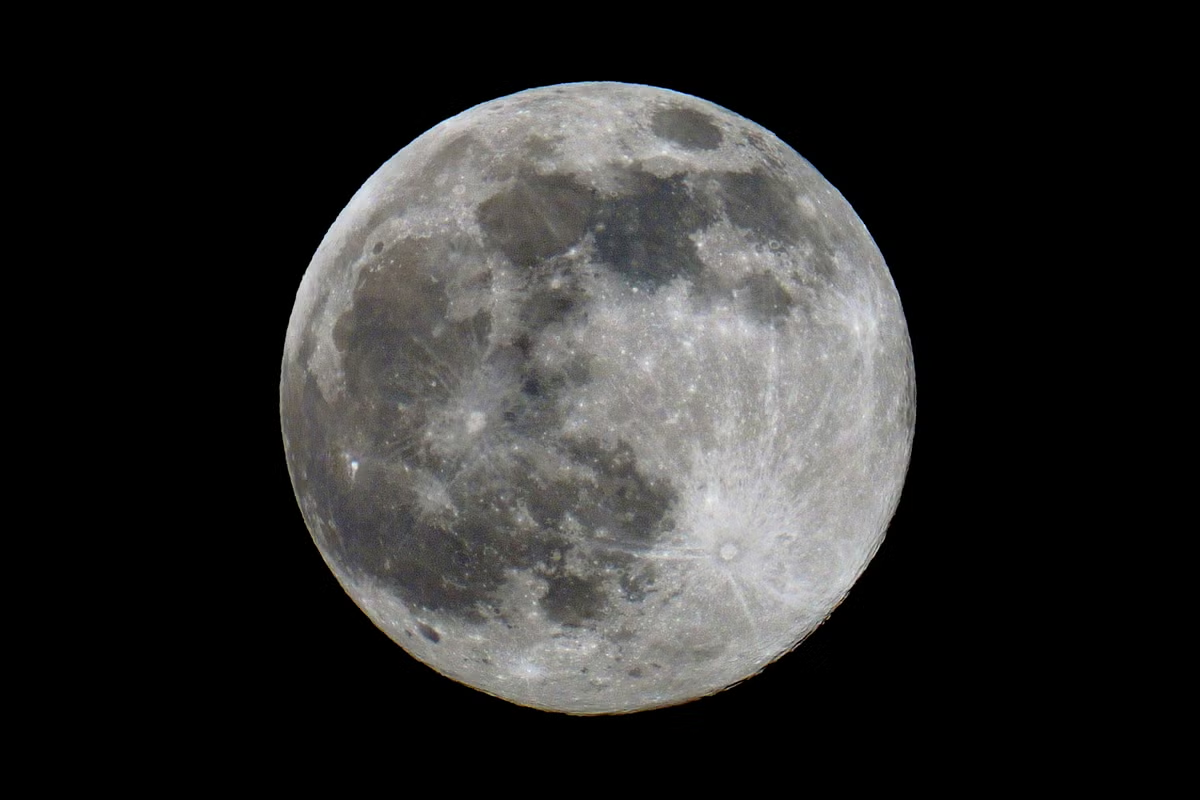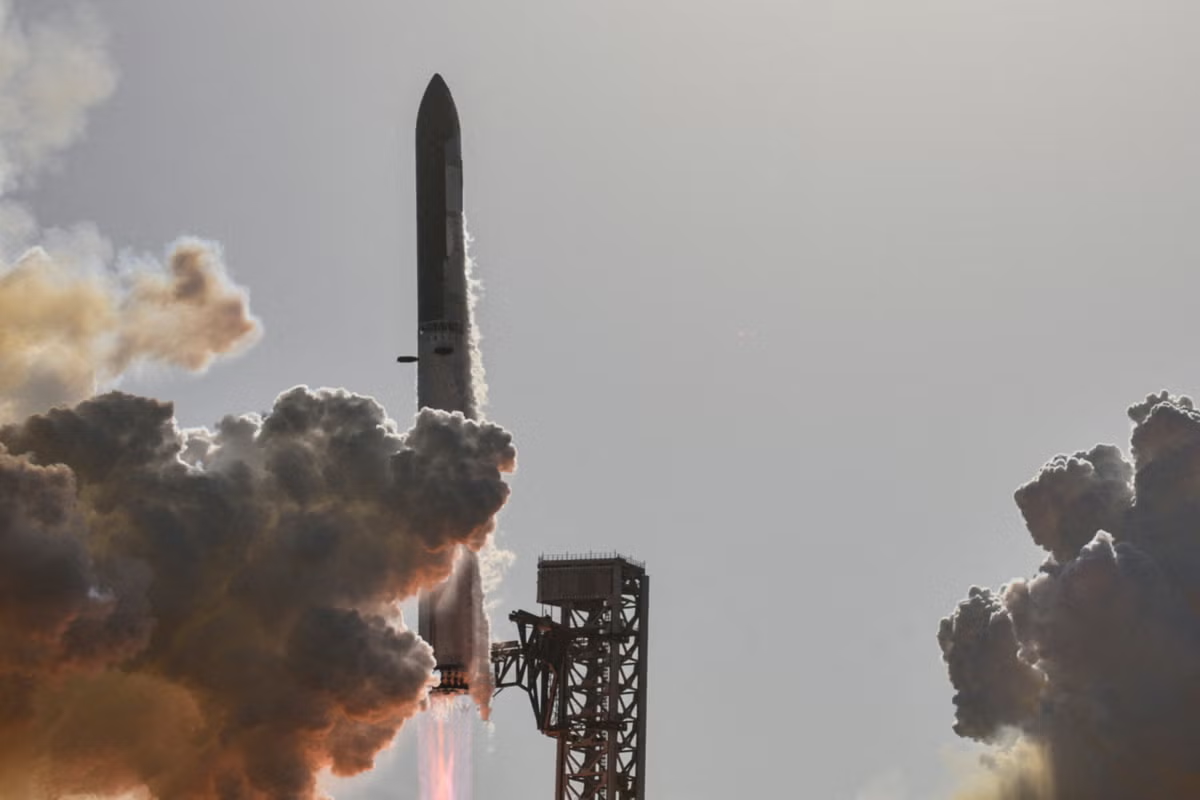
A SpaceX rocket has crashed into the Moon – and experts say it serves as both a warning and a lesson for those of us on Earth.The 4,000kg piece of a Falcon 9 rocket was initially sent to space carrying a lunar lander. But, after they were delivered, the rocket’s upper stage went out of control and has now smashed into the Moon with the force of three tons of TNT.Nasa was quick to assure the world that the collision poses no immediate danger to Earth. But experts cautioned that it was a reminder of the very real threats that space junk poses to humanity – both on Earth and in space.Should we worry?There is no immediate cause for concern. The collision may be dramatic, but the Moon is regularly hit with natural objects, and spacecraft have crashed into the lunar surface before.That does not mean the collision is not a worry, however. Experts caution that it is a reminder of the growing threat of space debris, and the harsh conditions on the Moon.FILE PHOTO: A live feed shows SpaceX CEO Elon Musk on the day of SpaceX's initial public offering (IPO) at the Nasdaq MarketSite, in New York City, U.S., June 12, 2026. REUTERS/Jeenah Moon/File Photo (Reuters)Space debris has become an increasing concern in recent years, as a growing number of satellites and other space missions have been launched. Both the satellites and the rockets used to launch them are increasingly crowding up space – and experts have warned that it could have dire consequences.While the space around Earth is still relatively sparsely populated, every piece of debris poses a risk. Any collisions between them could potentially knock out the important satellites that are used for communications, research and other vital purposes every day.Those managing the space around the Earth already have to take care to avoid those collisions. The International Space Station has had to move out of the course of pieces of space debris, for instance, and already in 2009 the first accidental collision of two pieces of space equipment happened when a private American satellite hit a Russian military one, throwing 2,300 pieces of debris out as they did.A SpaceX Falcon 9 rocket launches carrying Firefly Aerospace's Blue Ghost lunar lander as the primary payload and Japan-based ispace's Resilience lander as a secondary payload, from Kennedy Space Center in Cape Canaveral, Florida, U.S., January 15, 2025. REUTERS/Steve Nesius/File Photo (Reuters)What’s more, experts warn that the increasing amount of material floating in space – both useful satellites and debris – could have much more dramatic effects. In 1978, Nasa scientists warned about what has been dubbed “Kessler syndrome”, where one collision could throw out pieces that then collide with other material – potentially wrapping the Earth in a cloud of debris that could even leave us stuck on Earth.The problem could become even worse as space agencies around the world, including Nasa, look to return to the Moon. If people are to live on the Moon, then they will both produce more space debris and be put at risk any time they collide with the lunar surface.“Right now, this collision will have no risk to life as there are no humans on the Moon, nor are there landers or other equipment in the projected impact location," said Megan Argo, reader in astrophysics at the University of Lancashire. "But as more and more missions head to the Moon, an increasing number of spent rocket parts will end up on potential collision courses with it."If we are planning to build a base and have it crewed long-term, the last thing you want is for it to be accidentally damaged by a piece of space junk.”How will this keep us safe?But the same worrying collision could also help keep us safe as we head back to the Moon’s surface. Experts will gather as much data and detail as they can from the crash and use it to help inform our understanding both of the lunar surface and any future collisions.“That’s a surface that has been pristine for a very, very long time so there’s a lot that could learn by looking at the surface,” said Hugh Lewis, a space safety expert at the University of Birmingham.“The impact will throw up a lot of material and so you could use this as an experiment to gain some understanding of learning materials in that particular location.”That could help us better understand the Moon itself, which could prove useful if we are to build semi-permanent habitats on its surface. The collision could provide useful information about the dust that makes up the lunar surface, for instance – and how it might be used to build and power those future settlements.The Moon is being hit regularly by natural objects, and is not protected by an atmosphere in the same way as the Earth. But those collisions are unpredictable and so scientists are only able to gather limited information about what actually occurs when they happen.It is not the first time that space agencies have used collisions between spacecraft and the lunar surface to better understand the Moon. In the 1970s, for instance, Nasa intentionally crashed pieces of the Saturn V rocket into the Moon to study how they affected it as a whole.And the crash also simply serves as a reminder of the dangers that lunar impacts might pose to the astronauts that space agencies want to send live on their surface. Nasa and SpaceX are discussing ways to prevent future impacts, and keep the astronauts they send safe from having both natural and human-made objects crash into them – which will be key to the success of the multibillion-dollar Artemis programme, scheduled to start sending humans back to the Moon at the end of this decade.
A SpaceX rocket just crashed into the Moon. What do we do now?
Collision highlights the dangers of space debris and life on the Moon – but could also help us protect future astronauts, experts say
963 words~4 min read