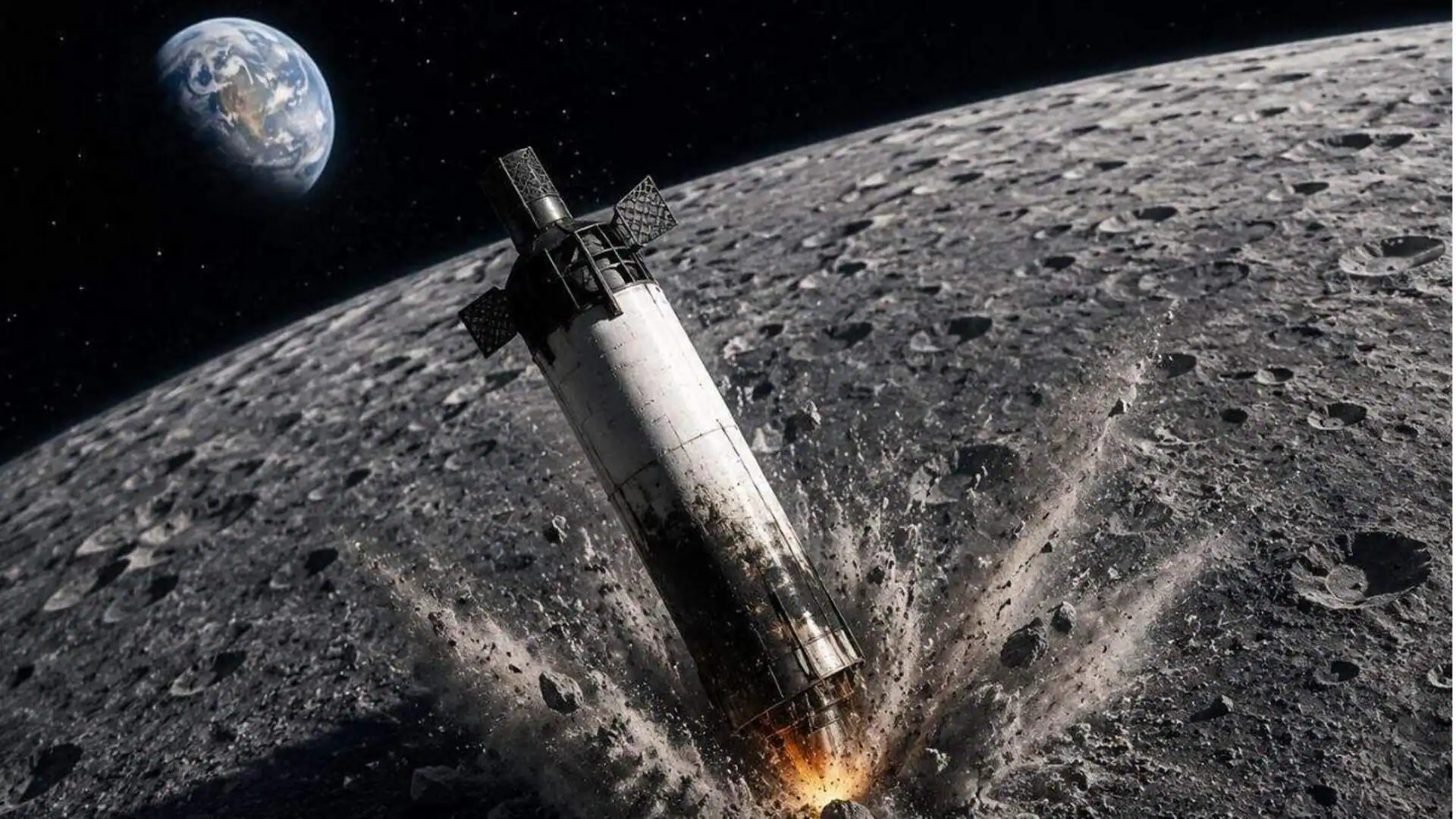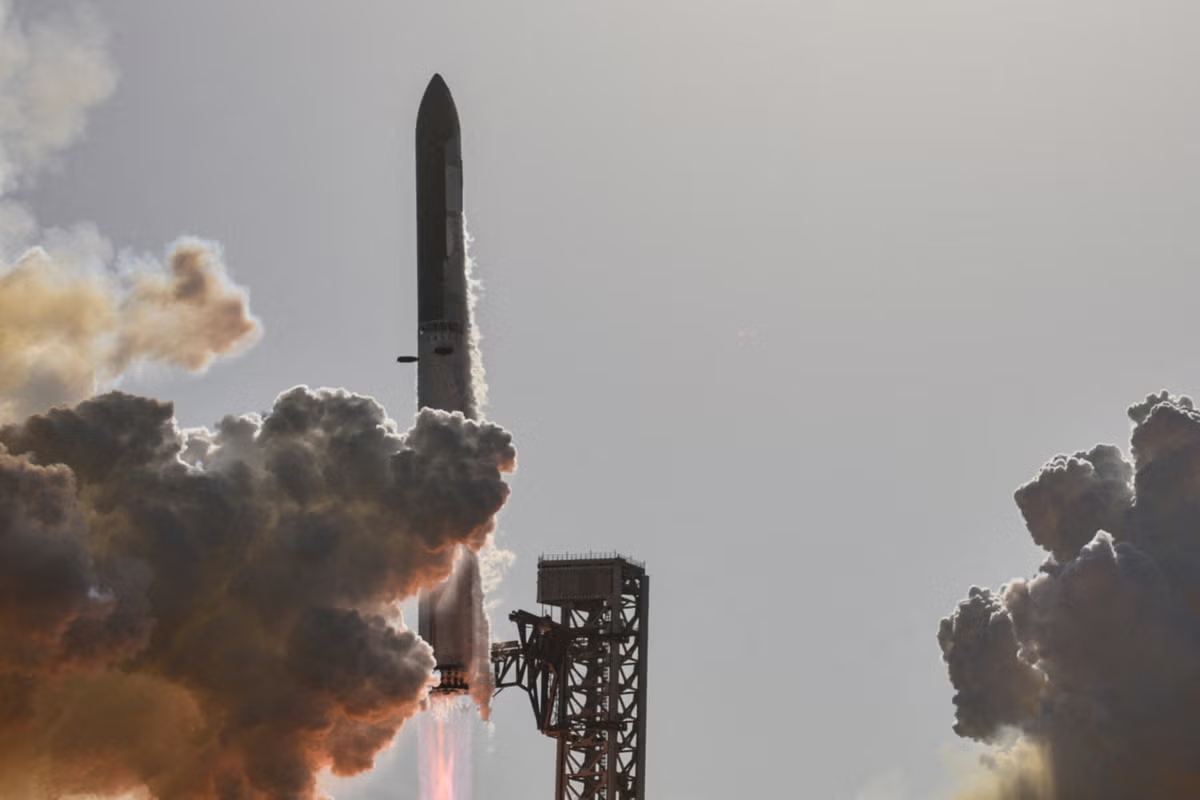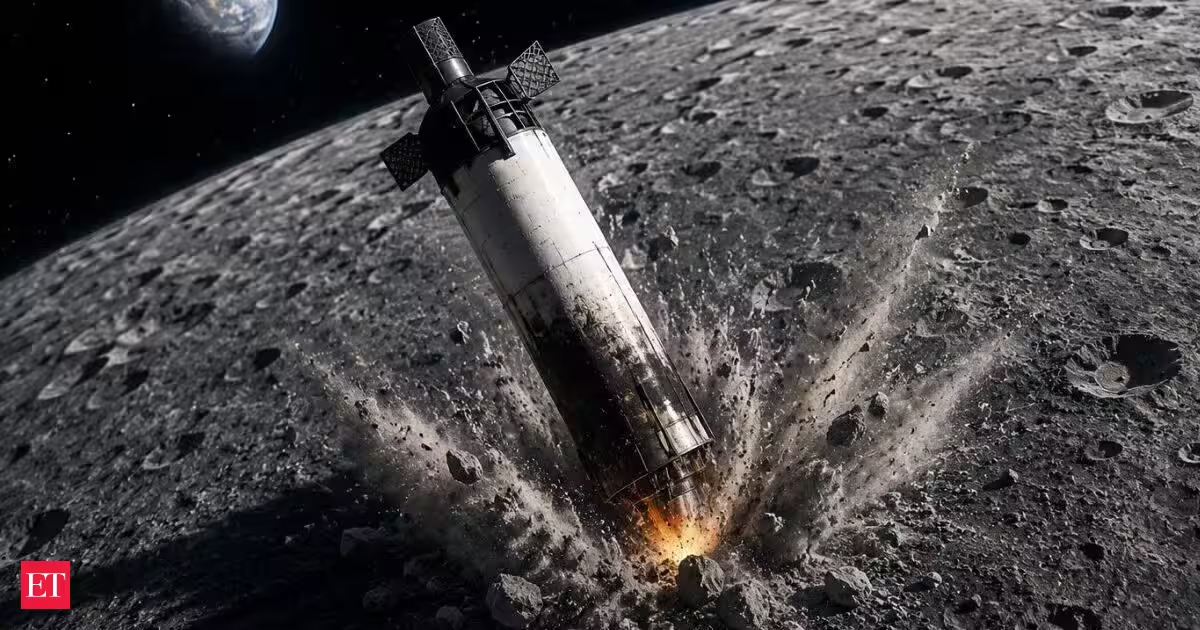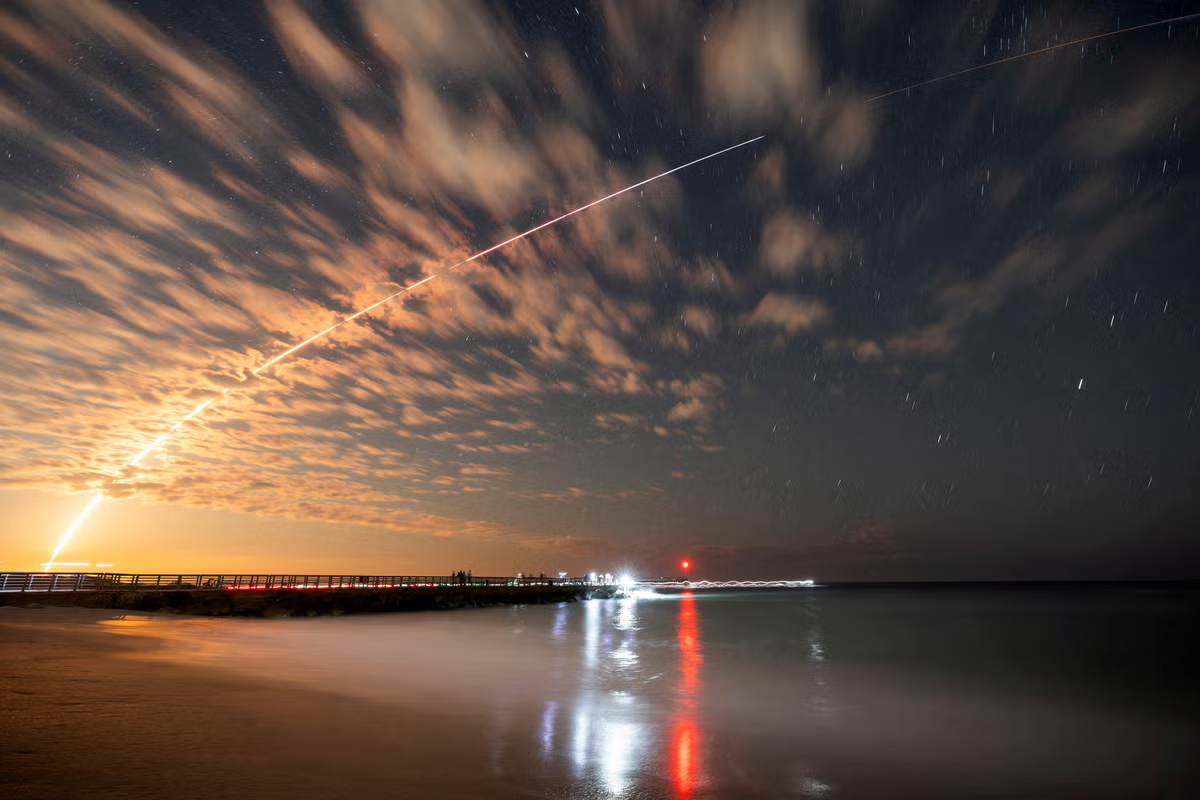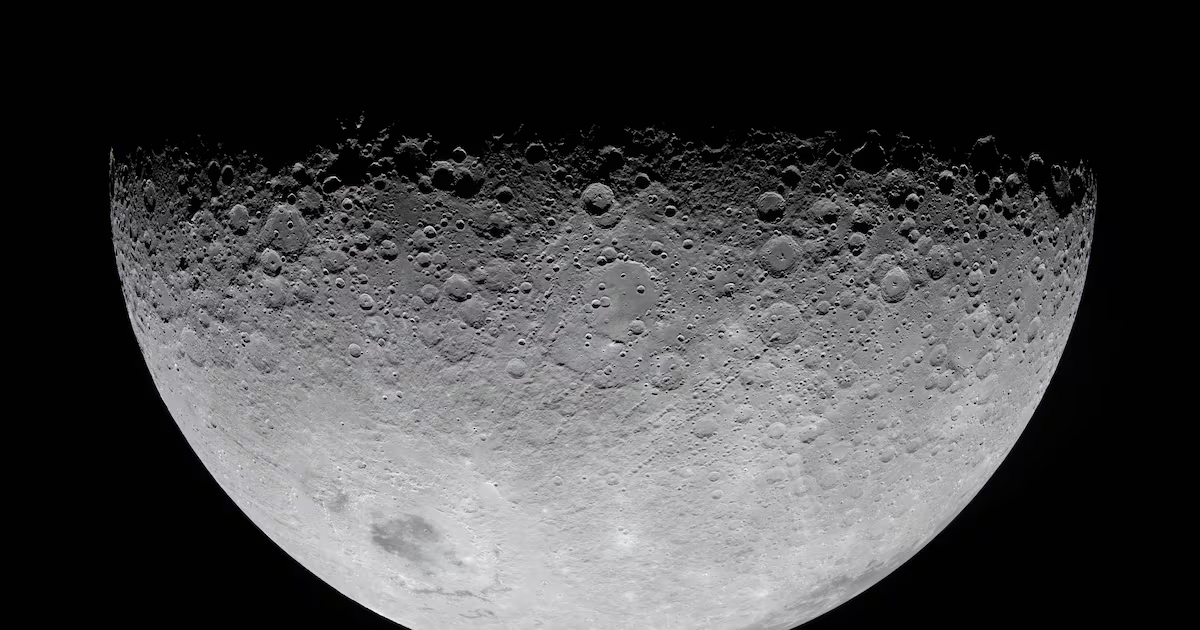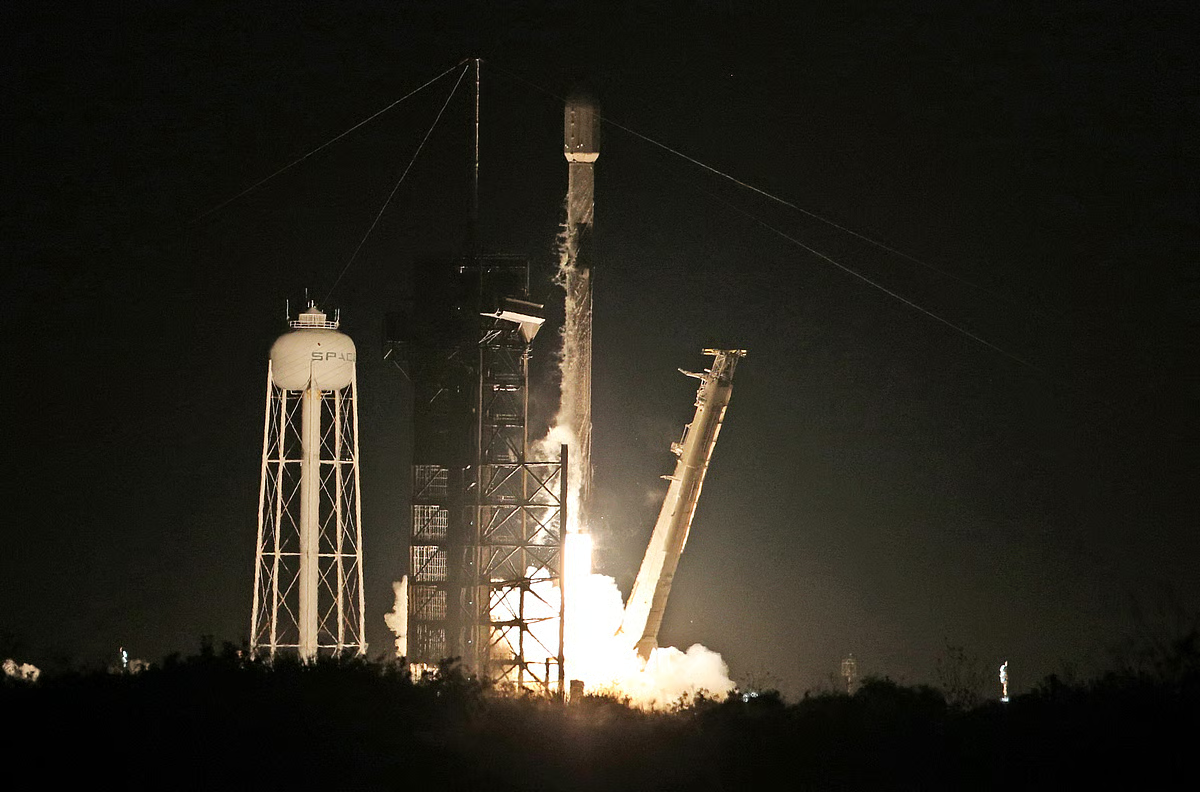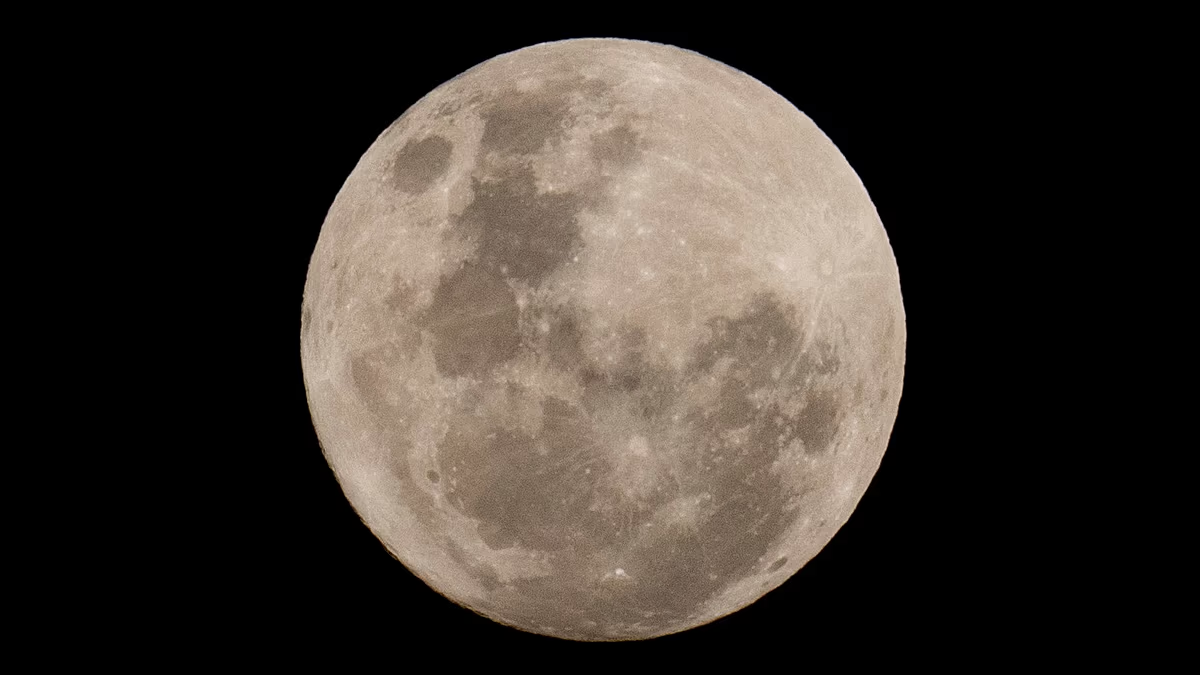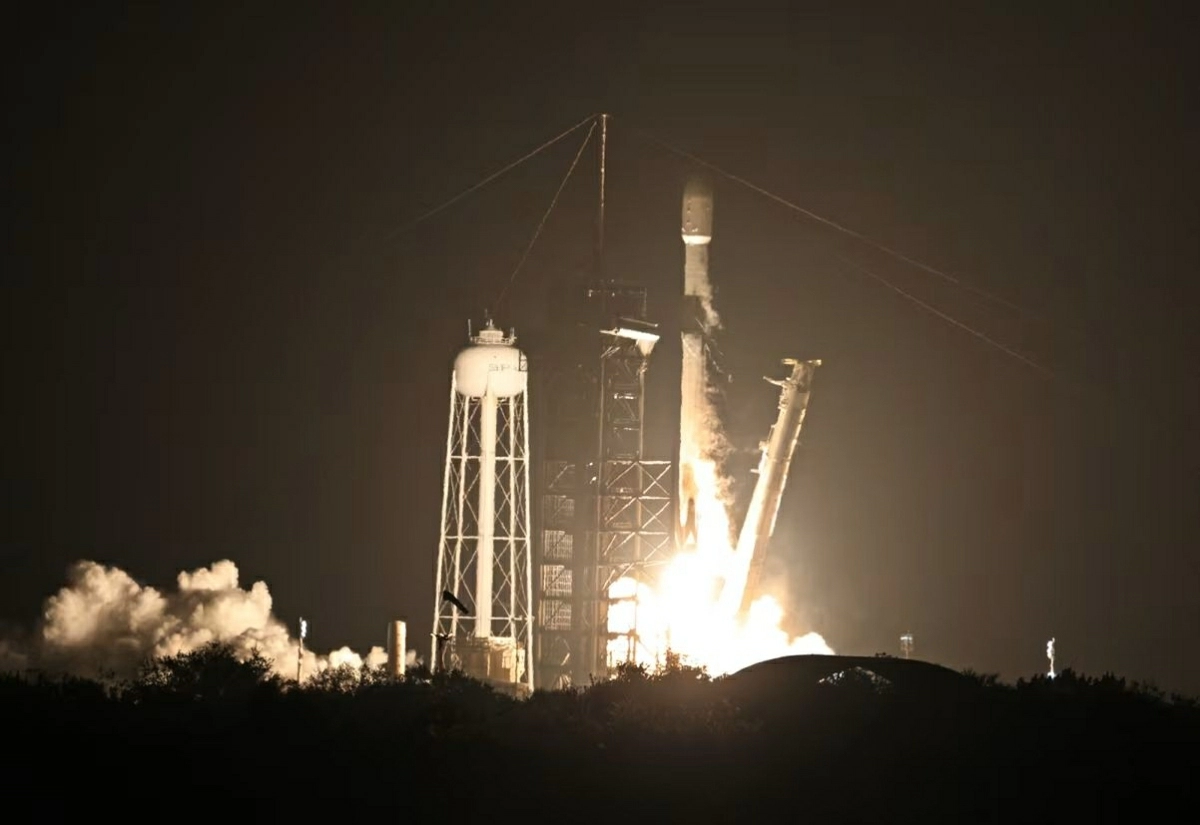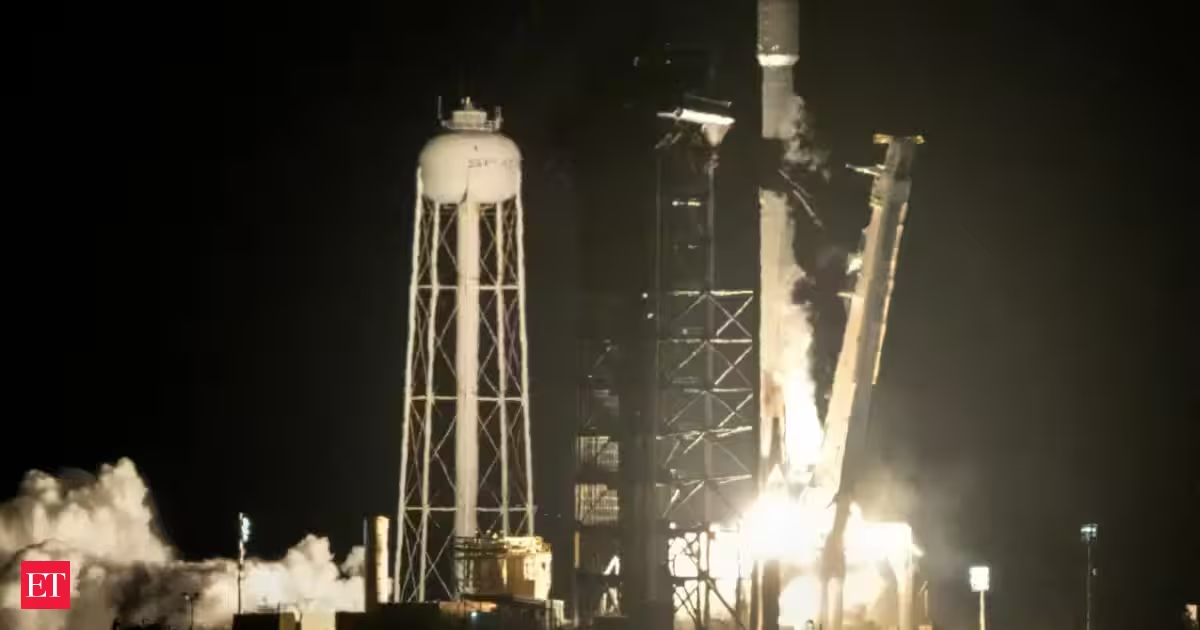
The four-ton Falcon 9 stage struck with the force of three tons of TNT after drifting beyond control, offering scientists a rare study opportunity while renewing concerns over space debrisThe 4,000-kilogram section came from a Falcon 9 rocket launched in January 2025 to carry a lunar lander. Unlike most upper stages, which return toward Earth and burn up in the atmosphere, it remained in space after the mission required additional thrust.(Photo: Eric Gay/AP)Astronomers determined earlier this year that the stage was on course to hit the Moon. With its fuel exhausted, there was no way to redirect it.SpaceX official Julianna Scheiman said solar activity and gravitational forces had gradually pushed the rocket onto its collision course.Scientists had suggested the impact might produce a faint flash visible through telescopes, but amateur observers reported seeing no clear sign of the crash from Earth.NASA stressed that the collision posed no threat to Earth.Researchers hope the fresh crater and debris plume will help them study how high-speed impacts reshape the lunar surface. Such observations could also improve understanding of the dangers future astronauts and lunar bases may face.The incident has nevertheless renewed concern over the growing amount of abandoned hardware in space.“This may be of some, probably minor, scientific interest,” astronomer Bill Gray said. “It doesn't present any danger to anyone, though it does highlight a certain carelessness about how leftover space hardware is disposed of.”Uncontrolled rocket impacts on the Moon remain rare. A Chinese rocket stage struck the lunar surface in 2022, while NASA has deliberately crashed spacecraft and rocket stages into the Moon to study the resulting debris and seismic effects.SpaceX and NASA are now discussing ways to prevent similar incidents as the United States prepares for regular astronaut missions and a permanent lunar presence under the Artemis program.Comments
Out-of-control SpaceX rocket crashes into Moon, leaving new crater
The four-ton Falcon 9 stage struck with the force of three tons of TNT after drifting beyond control, offering scientists a rare study opportunity while renewing concerns over space debris
297 words~1 min read