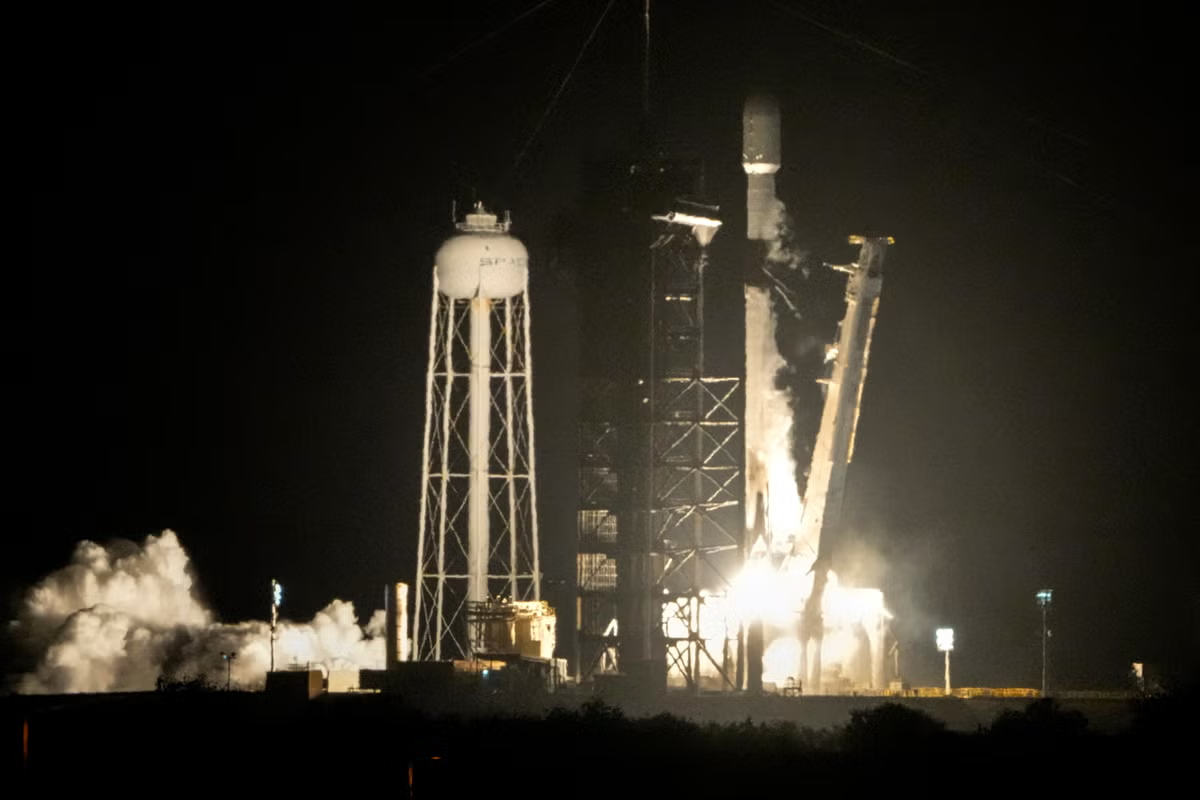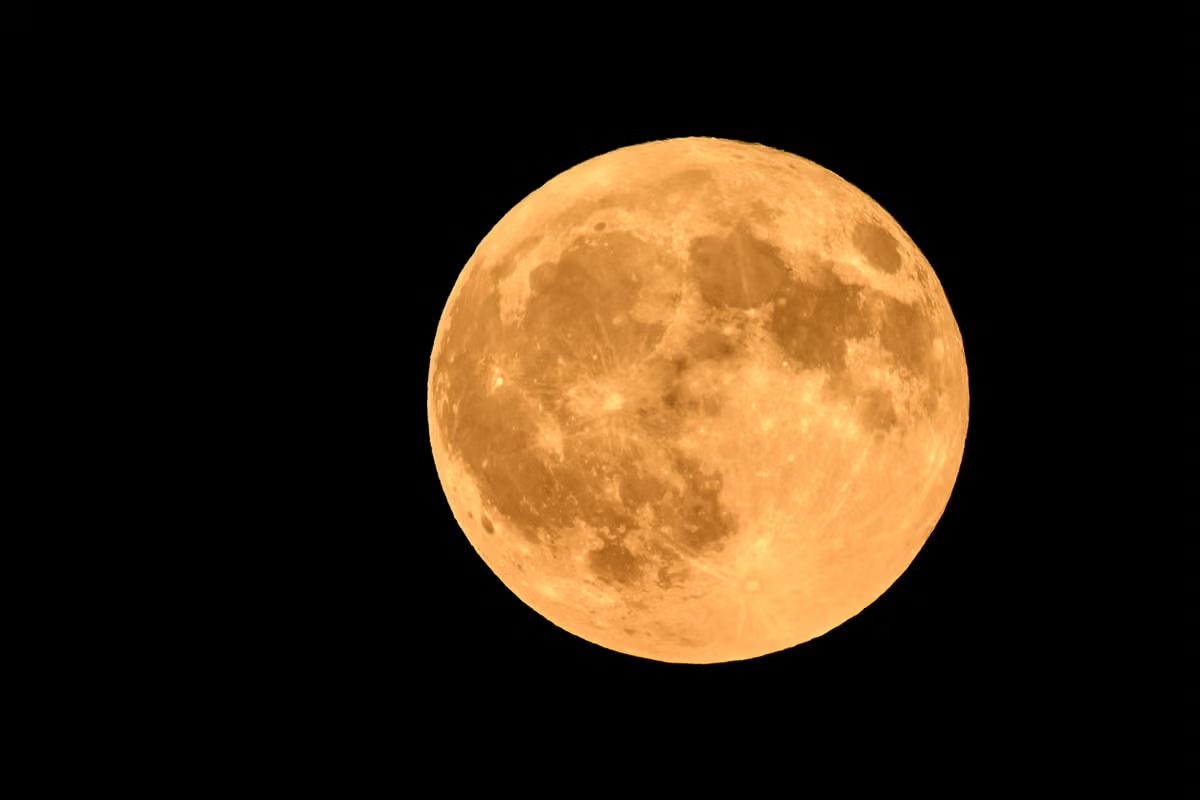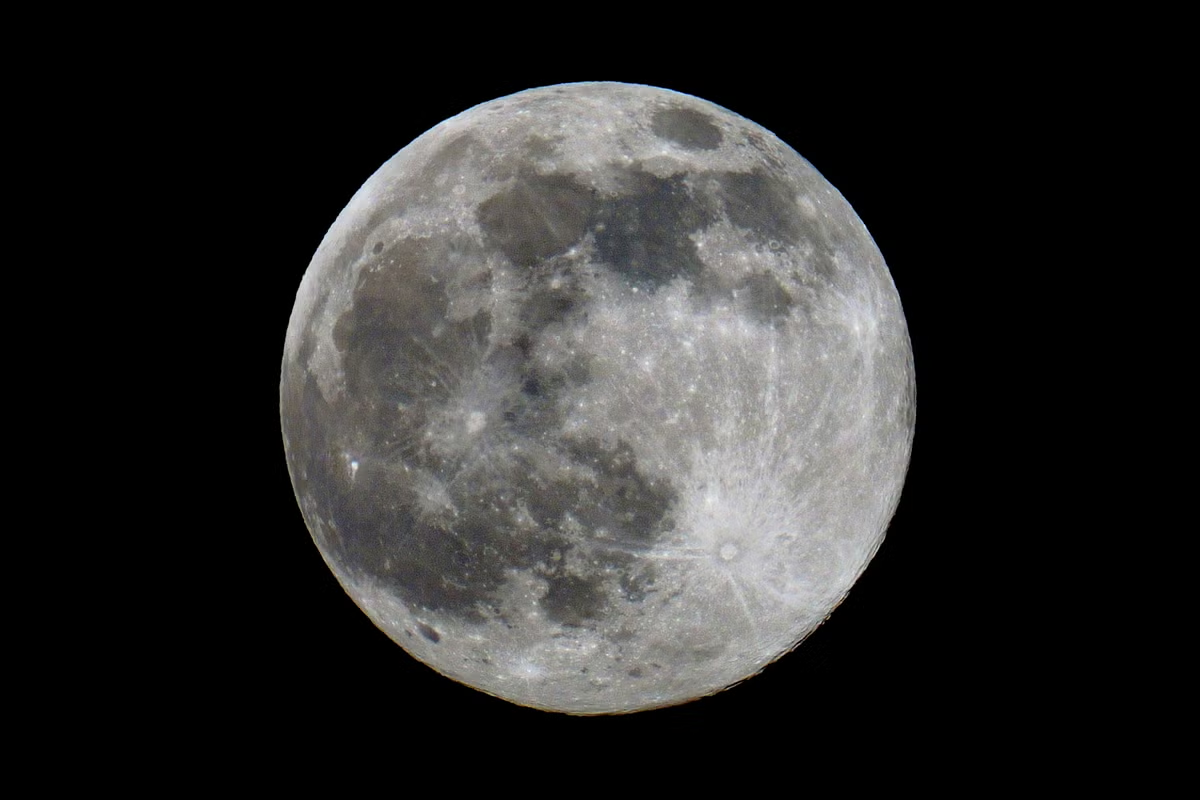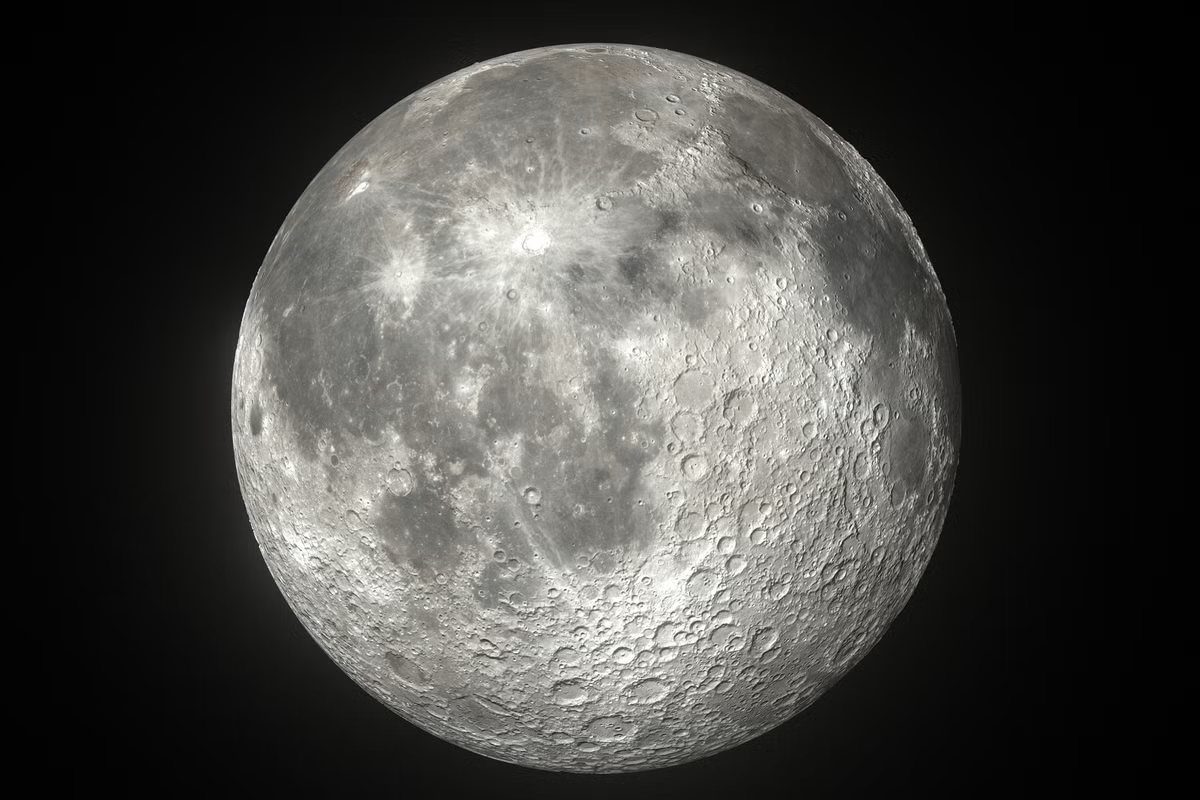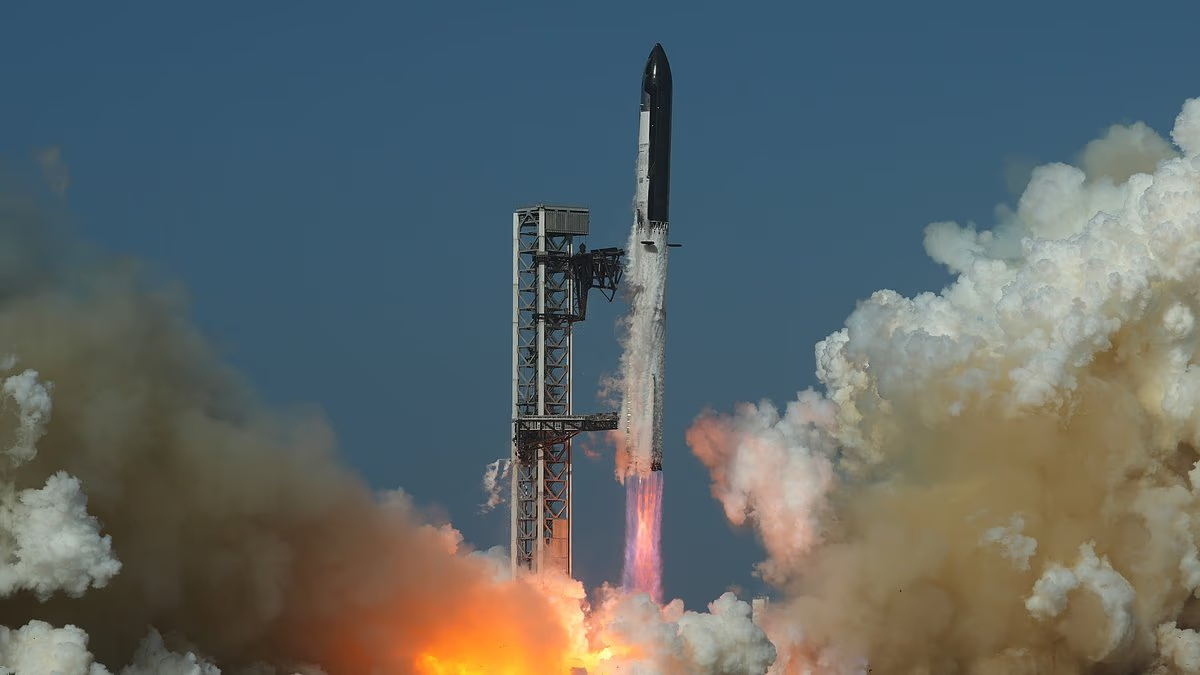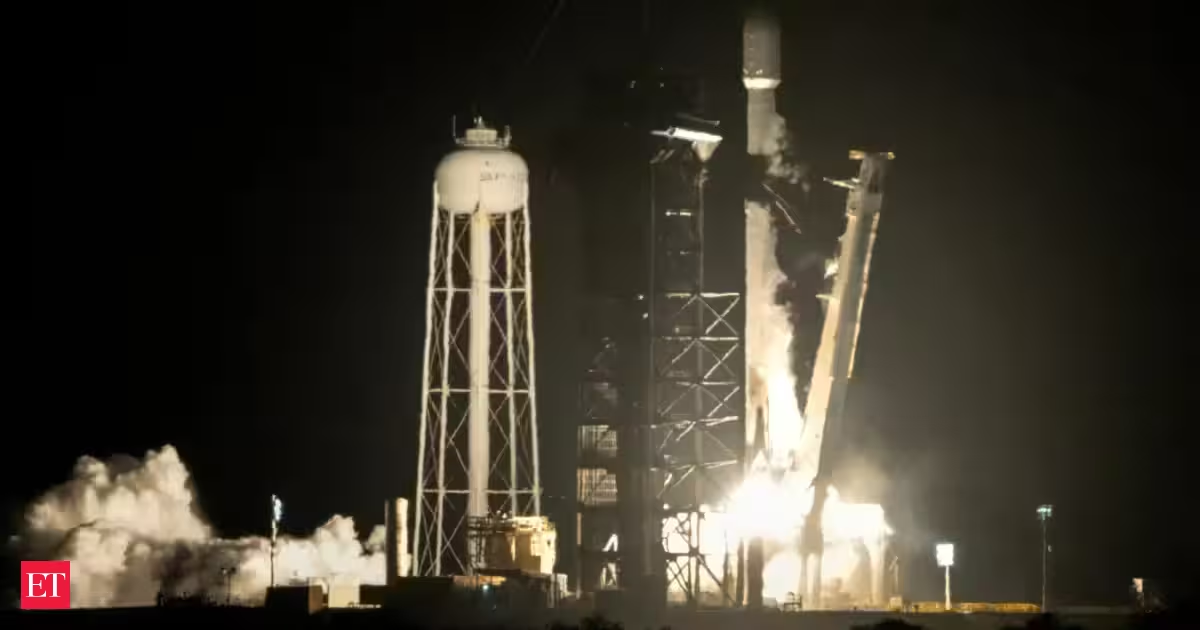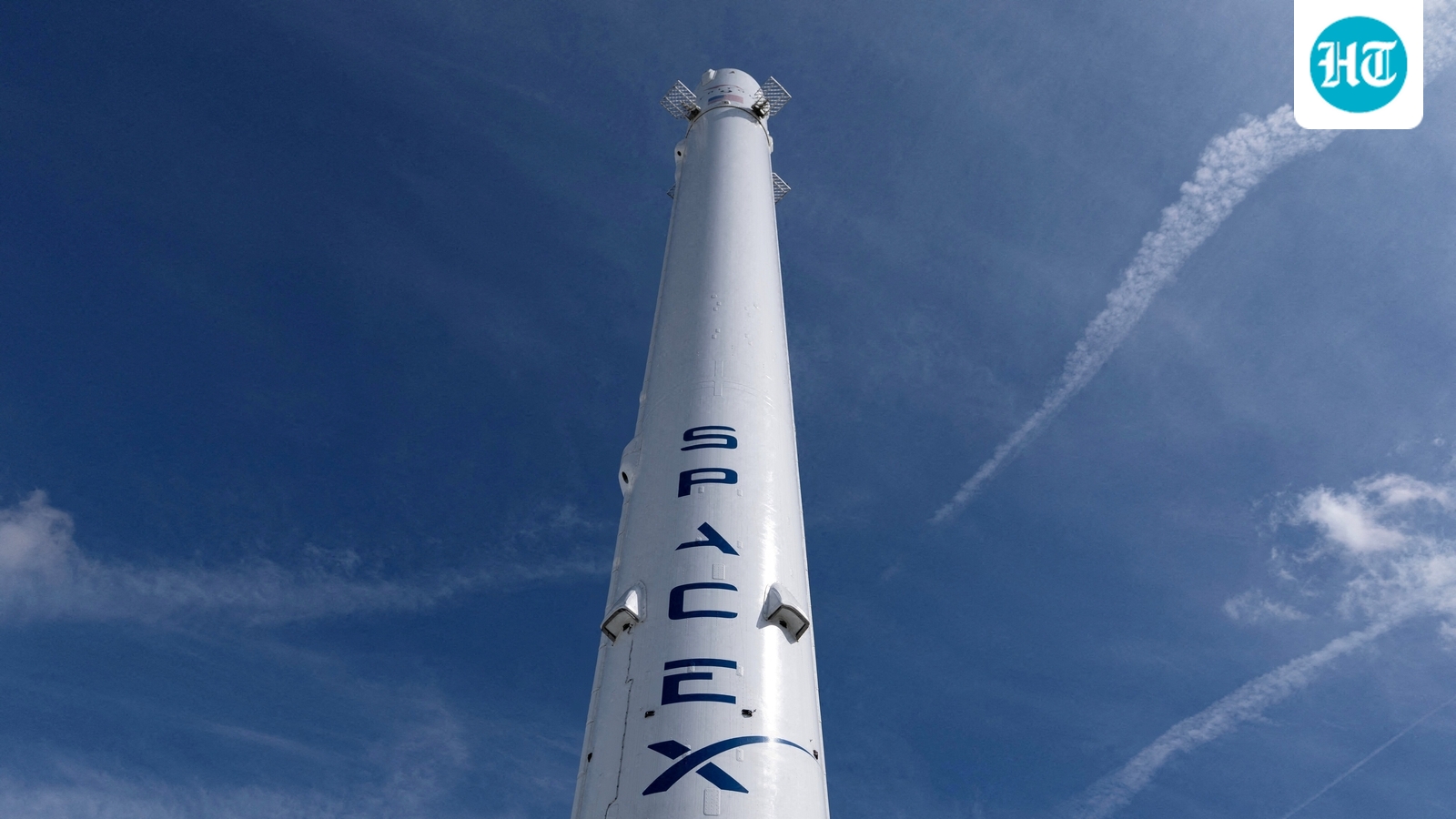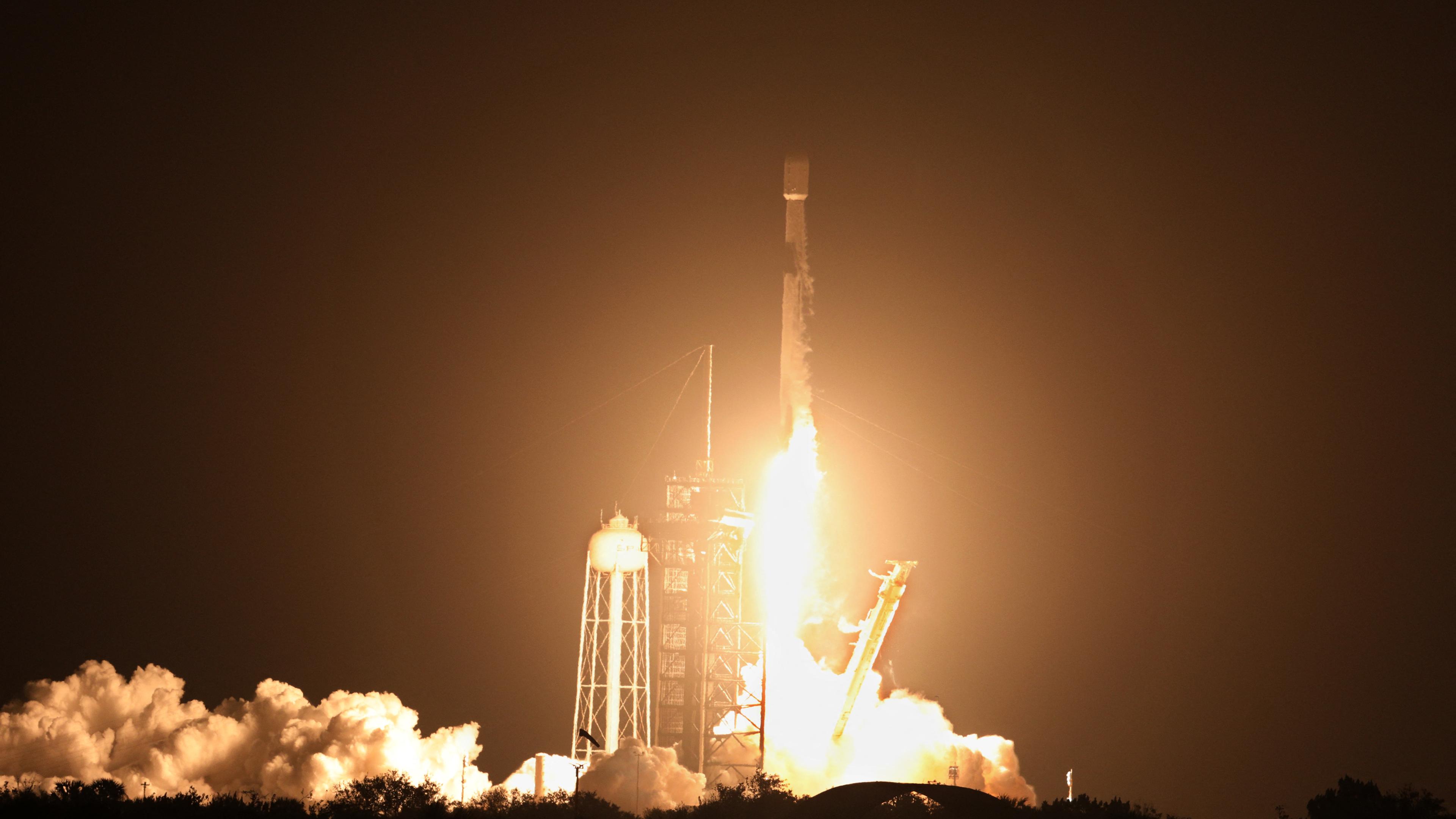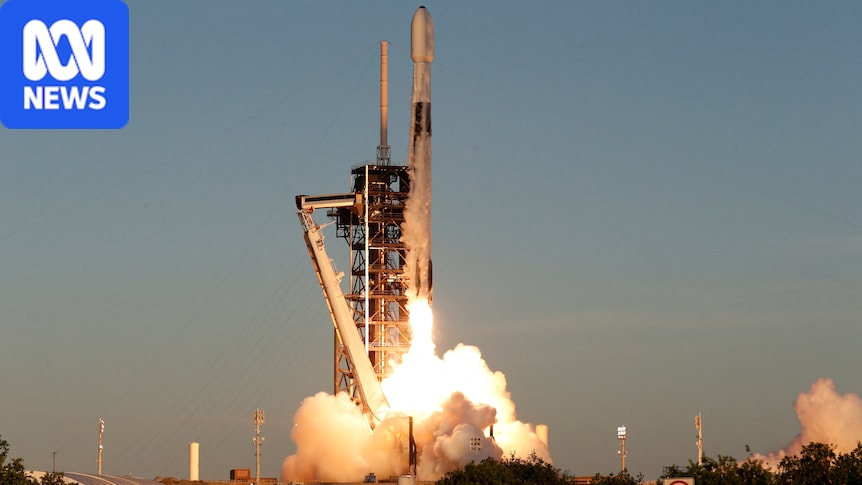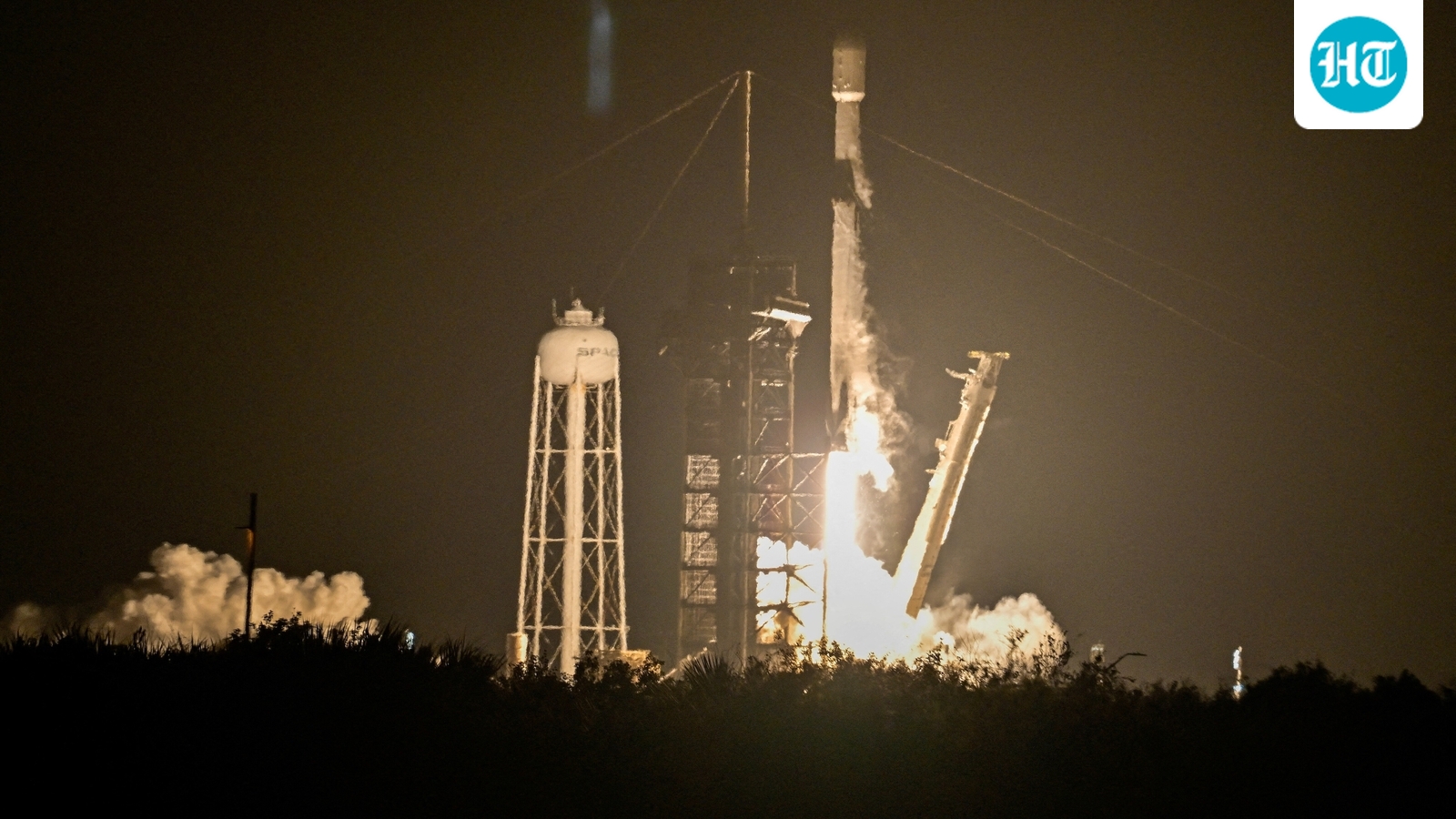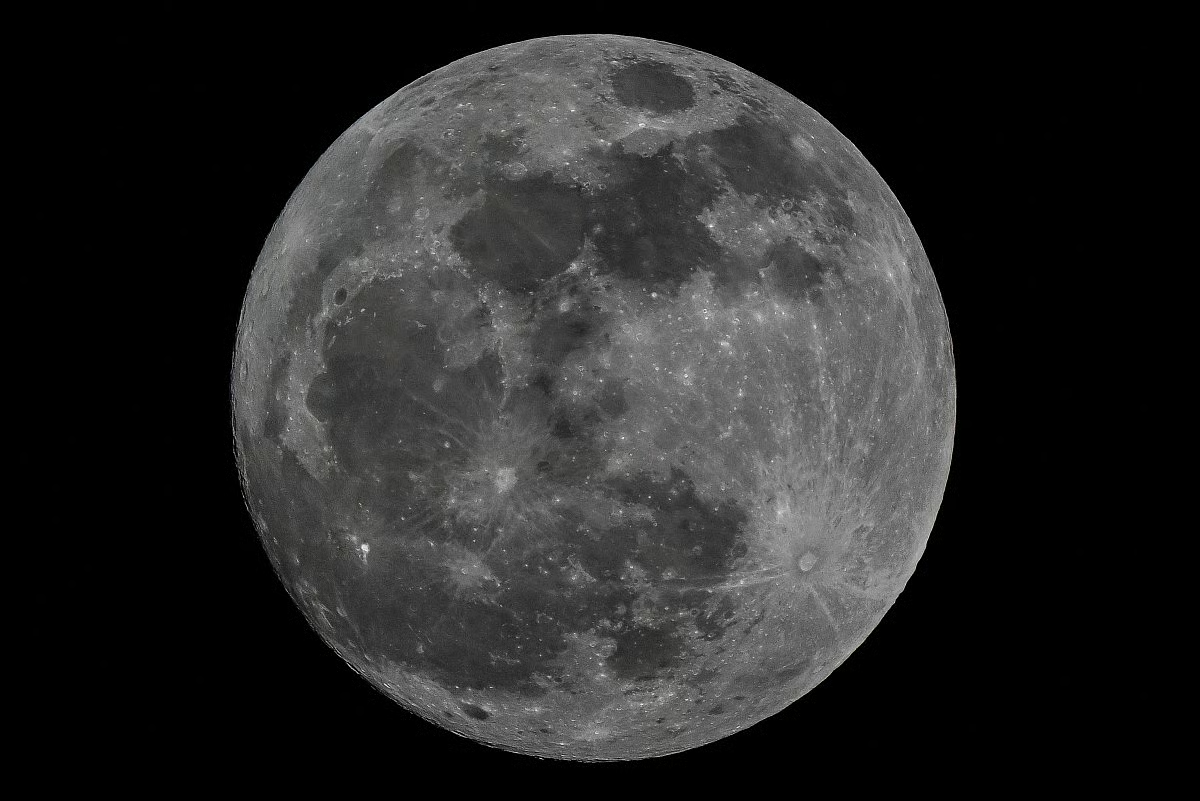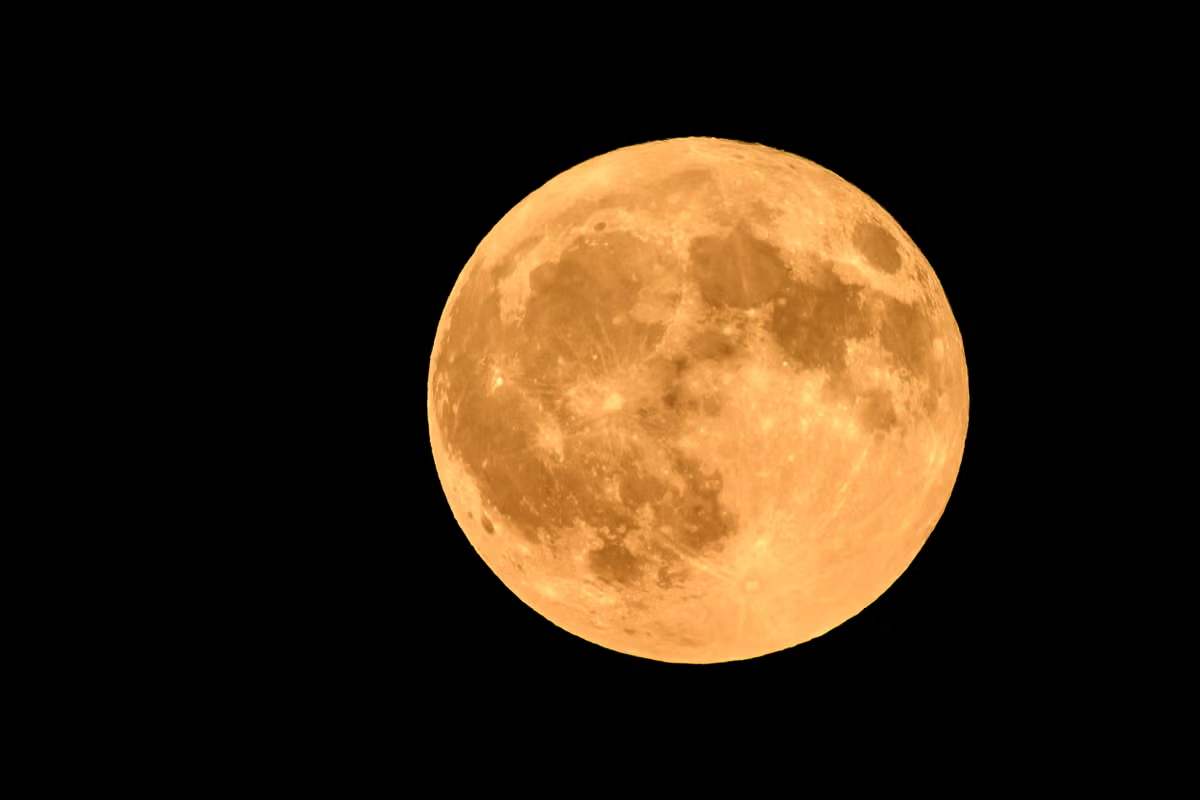
Jump to contentThank you for registeringPlease refresh the page or navigate to another page on the site to be automatically logged inPlease refresh your browser to be logged inAllNewsSportCultureLifestyleAn abandoned SpaceX rocket is scheduled to crash into the Moon on Wednesday, August 5, at approximately 2:28 AM ET or 7:28 AM UK time.The spacecraft will impact near the Moon’s Einstein Crater at a speed of 5,400 mph, creating an explosion equivalent to three tons of TNT and leaving a crater about 27 meters wide and 5 meters deep. Scientists are eager to study the resulting dust and debris, viewing the collision as a unique opportunity to gather data on the Moon's composition and the behavior of lunar material. The event will be observed by other spacecraft, including NASA’s Lunar Reconnaissance Orbiter and South Korea’s Danuri, which will capture images before and after the impact. This incident, marking the second accidental rocket crash into the Moon, highlights the growing concern over space debris and its potential risks to future lunar exploration. In fullA SpaceX rocket is about to smash into the Moon – this is how you can watchMore bulletinsThank you for registeringPlease refresh the page or navigate to another page on the site to be automatically logged inPlease refresh your browser to be logged in
When will the SpaceX rocket crash into the Moon?
Jump to contentThank you for registeringPlease refresh the page or navigate to another page on the site to be automatically logged inPlease refresh your browser to be logged inAllNewsSportCultureLifestyleAn abandoned SpaceX rocket is scheduled to crash into the Moon on Wednesday, August 5, at approximately 2:28 AM ET or 7:28 AM UK time.The spacecraft will impact near the Moon’s Einstein Crater at a speed of 5,400 mph, creating an explosion equivalent to three tons of TNT and leaving a crater about 27 meters wide and 5 meters deep. Scientists are eager to study the resulting dust and debris, viewing the collision as a unique opportunity to gather data on the Moon's composition and the behavior of lunar material. The event will be observed by other spacecraft, including NASA’s Lunar Reconnaissance Orbiter and South Korea’s Danuri, which will capture images before and after the impact. This incident, marking the second accidental rocket crash into the Moon, highlights the growing concern over space debris and its potential risks to future lunar exploration. In fullA SpaceX rocket is about to smash into the Moon – this is how you can watchMore bulletinsThank you for registeringPlease refresh the page or navigate to another page on the site to be automatically logged inPlease refresh your browser to be logged in