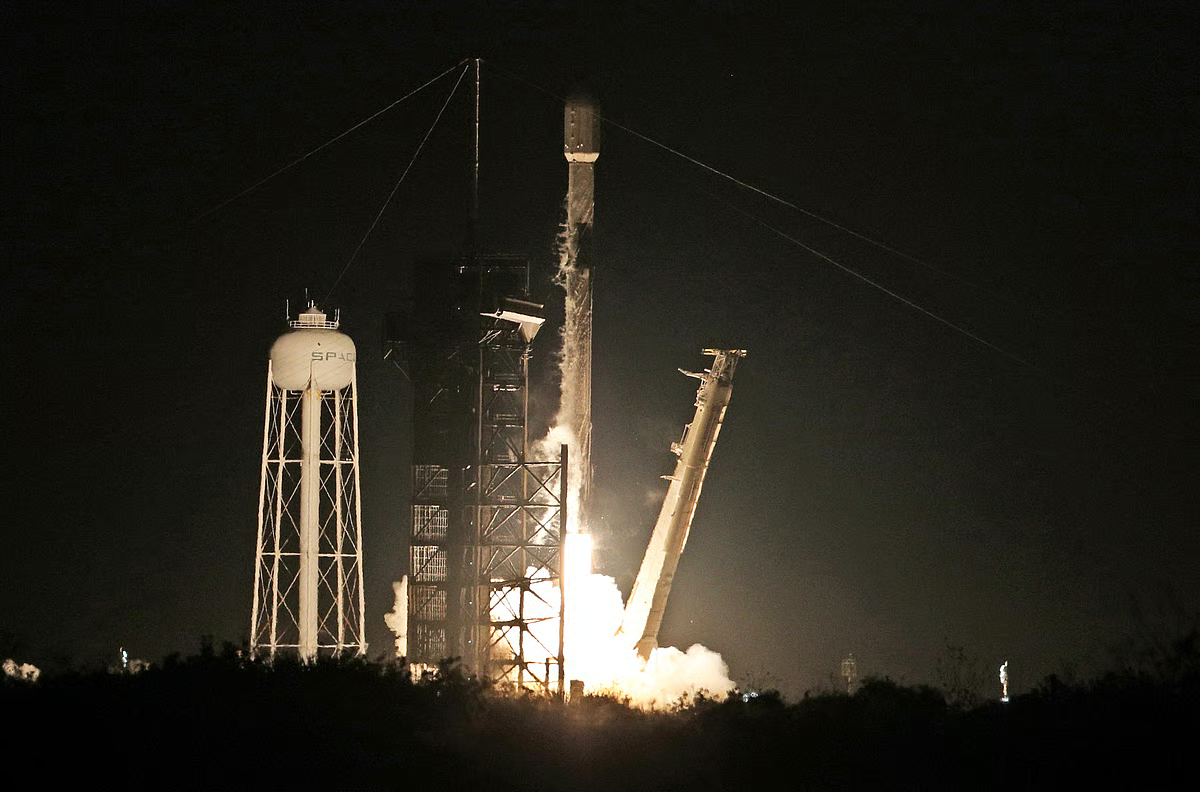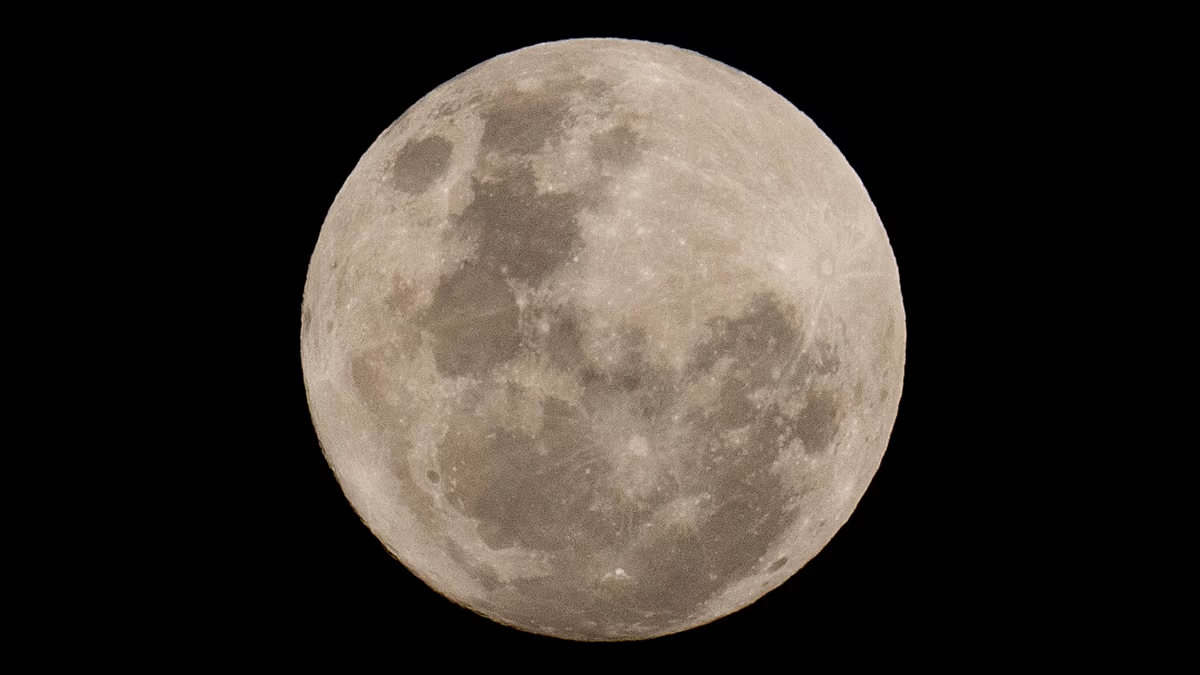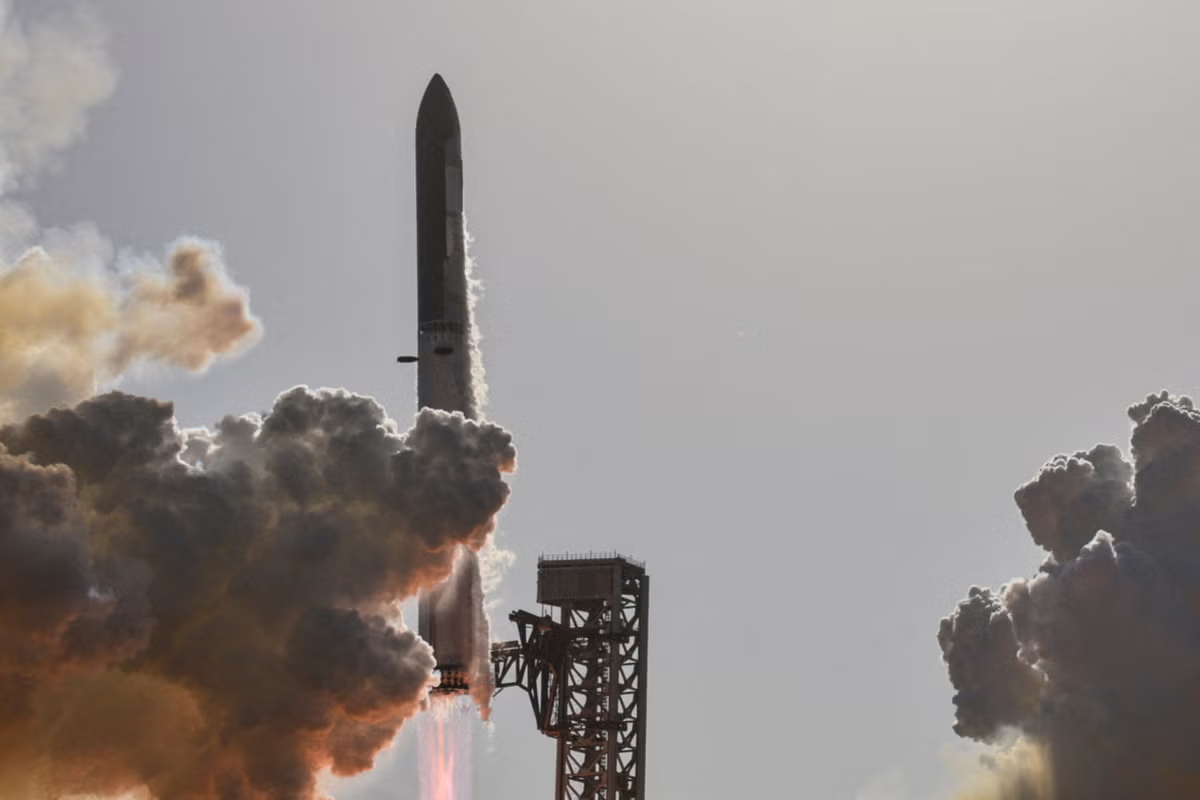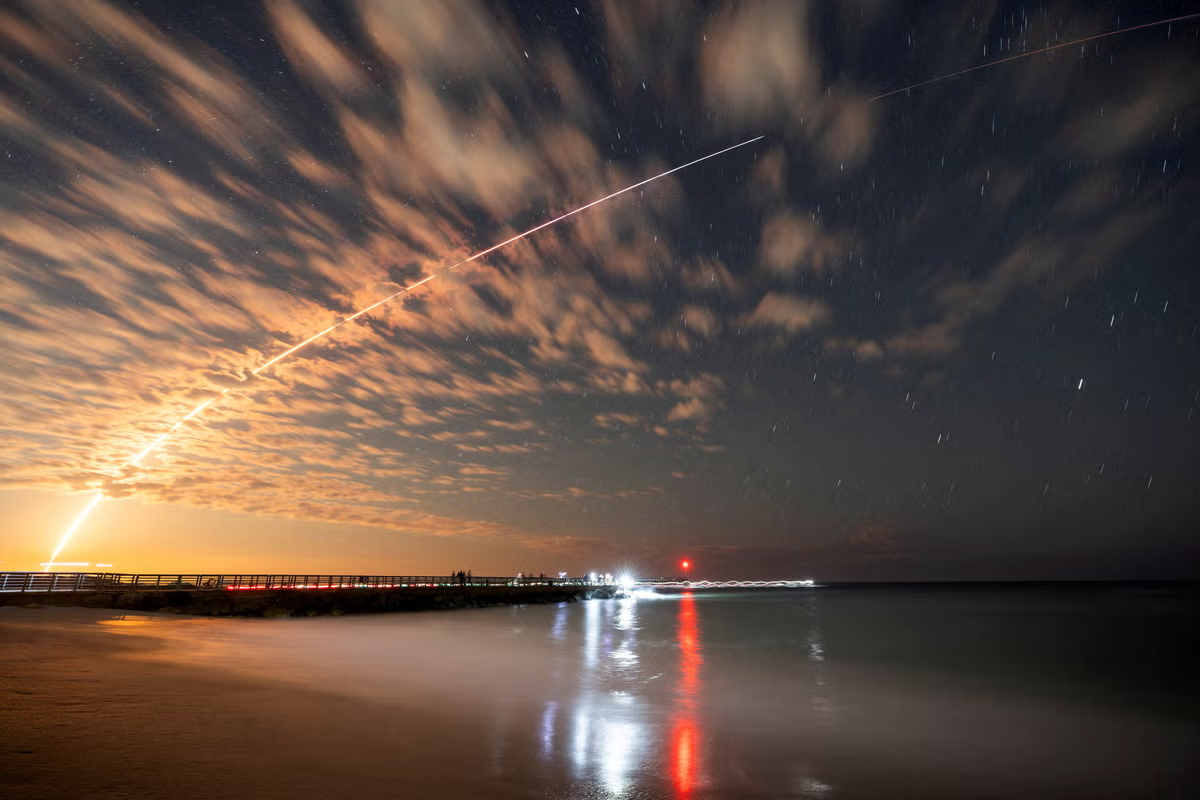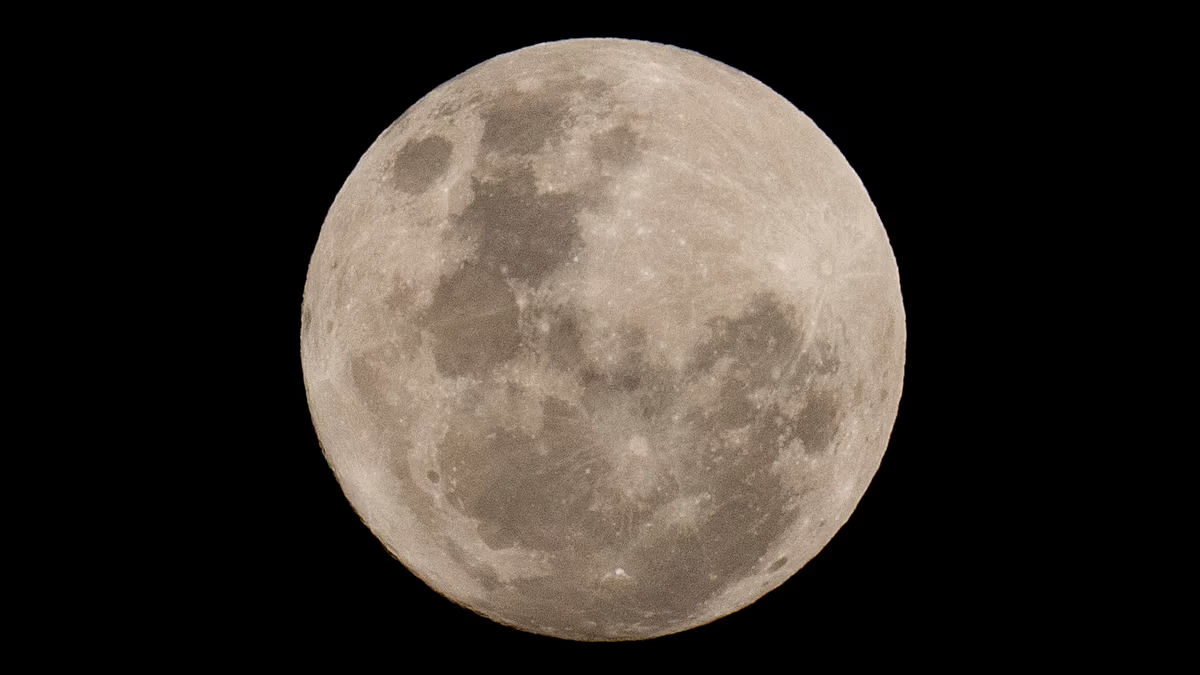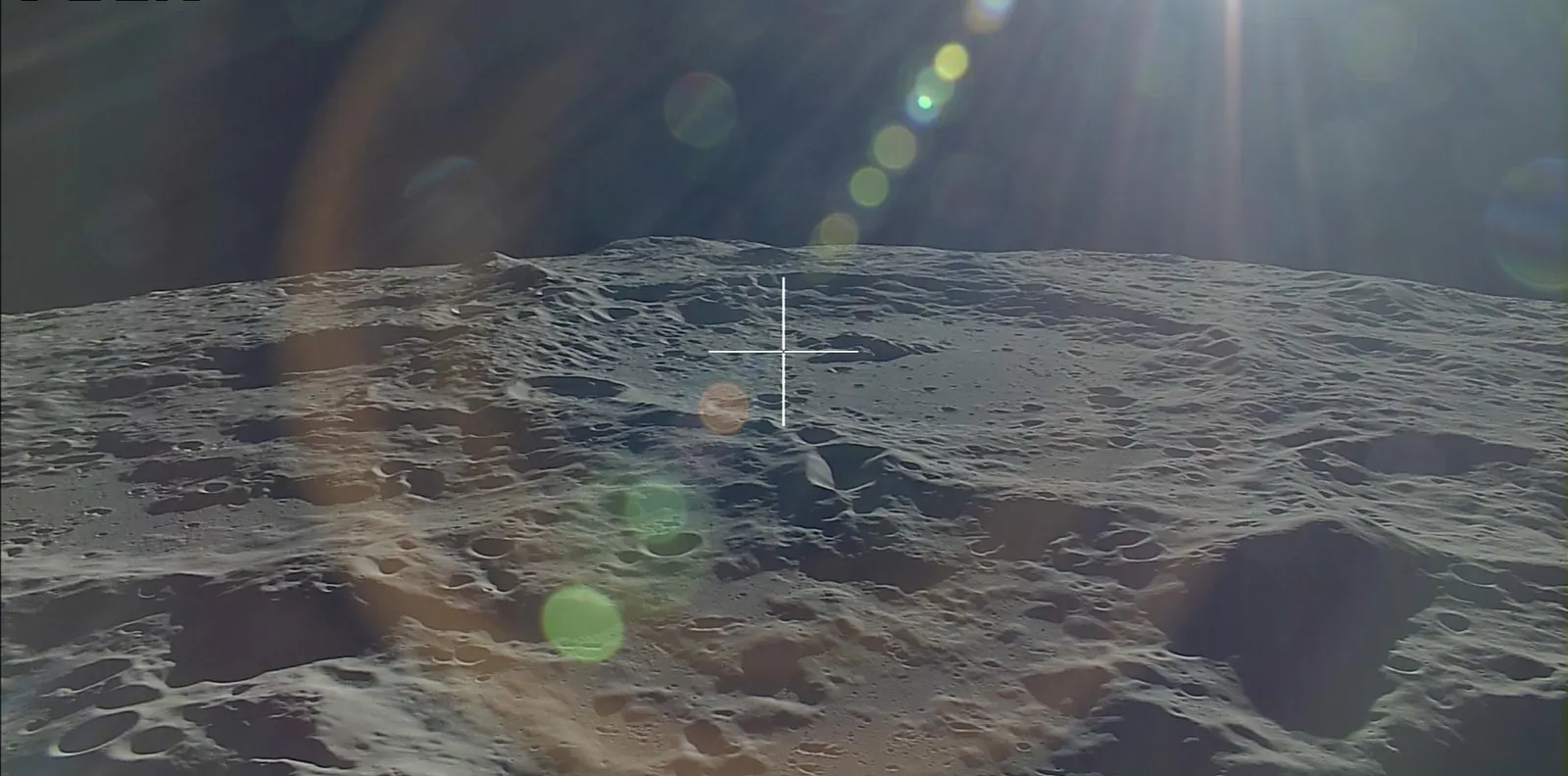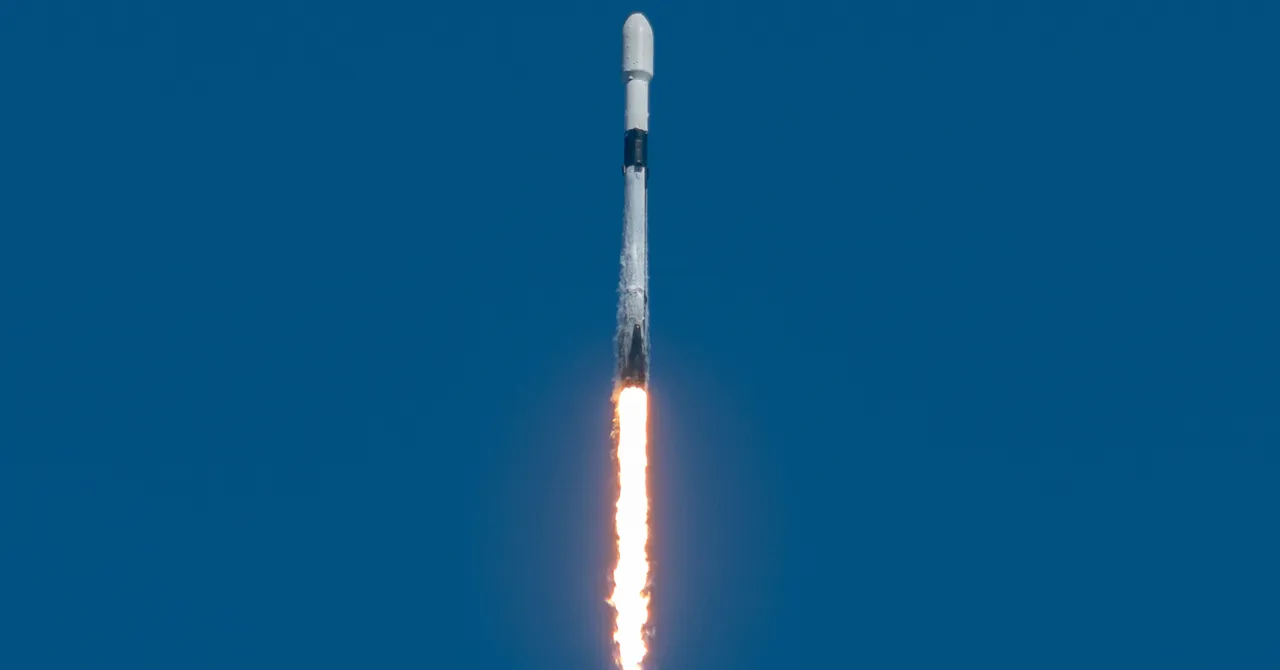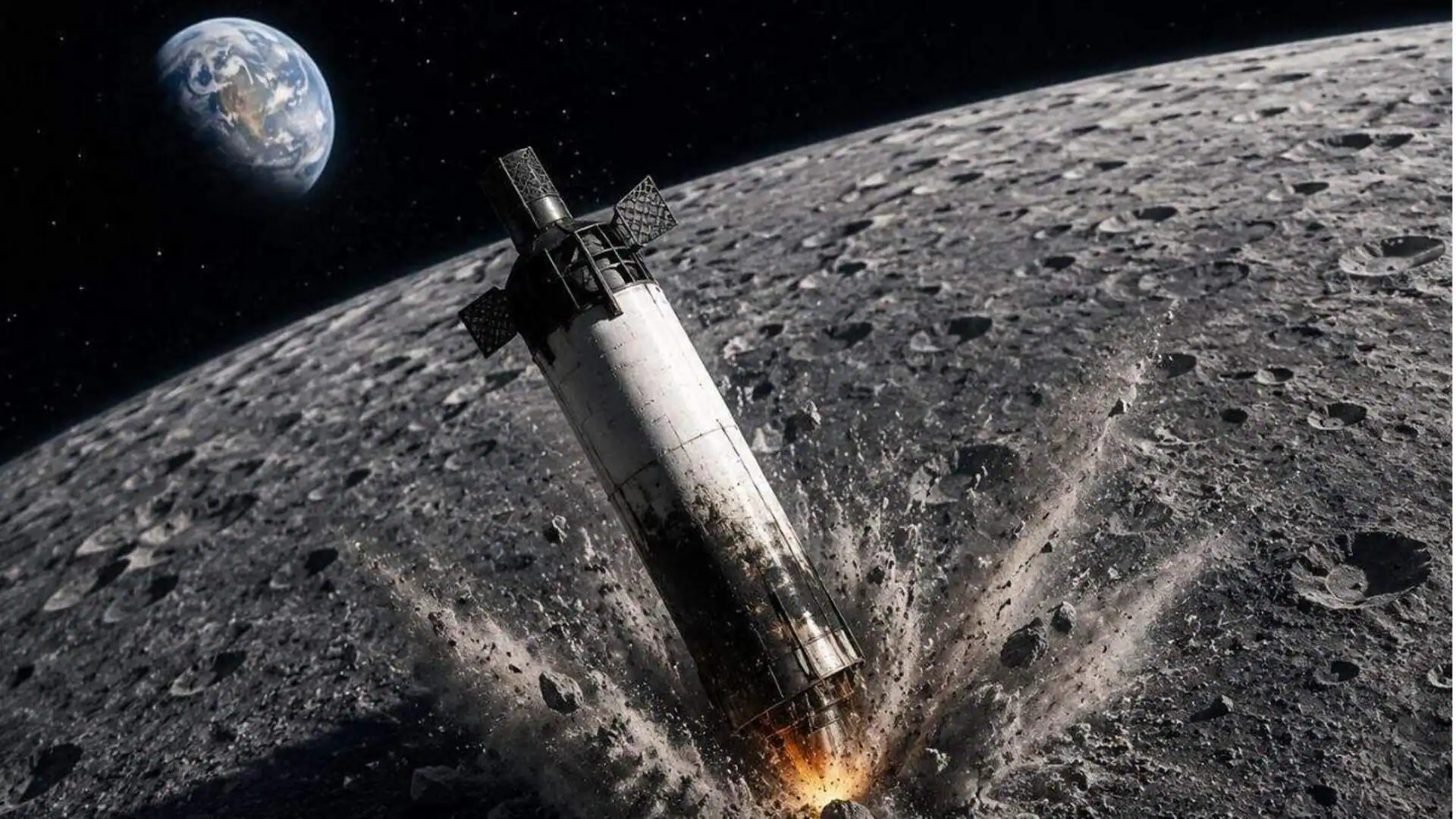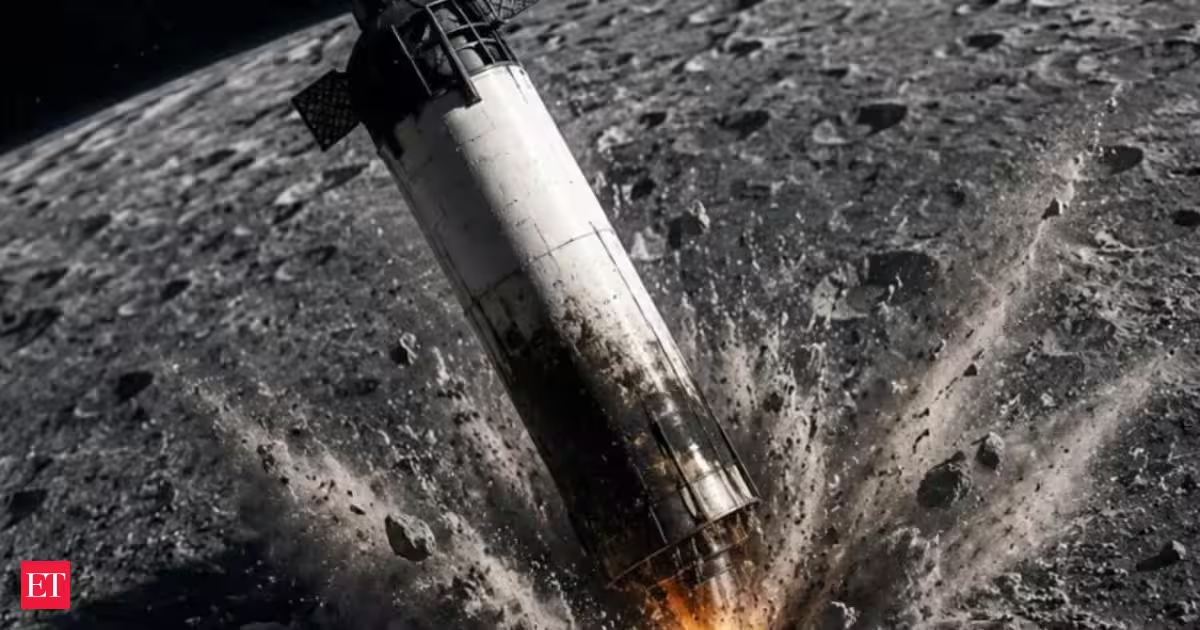
A spent SpaceX rocket stage has almost certainly crashed into the Moon after spending more than a year drifting through deep space, adding another piece of human-made debris to the lunar surface and renewing concerns about how growing space traffic will be managed in the years ahead.While NASA is yet to release official confirmation of the impact, astronomers tracking the rocket say there is virtually no doubt that the four-tonne Falcon 9 upper stage slammed into the Moon exactly as predicted.The impact comes at a time when lunar exploration is accelerating, with the United States, China and several private companies preparing an increasing number of robotic and crewed missions to Earth's closest celestial neighbour.Rocket spent more than a year drifting before impactThe rocket stage was launched on January 15, 2025, as part of a SpaceX mission that sent two commercial lunar landers toward the Moon.After successfully placing Firefly Aerospace's Blue Ghost and ispace's Resilience landers on their trajectories, the upper stage completed its mission but remained in space because it no longer had enough fuel to return to Earth or change course.Over the following months, the inactive rocket drifted through cislunar space before gravity and solar influences gradually pushed it onto a collision path with the Moon.Scientists had predicted that the object would strike the lunar surface at around 8,700 kilometres per hour.Astronomers say the impact was unavoidableResearchers monitoring the rocket's final approach said the outcome was never really in doubt.Retired astrophysicist Jonathan McDowell said observations taken shortly before the predicted impact showed the rocket travelling directly toward the Moon, making any last-minute deviation extremely unlikely.Even if the object had been struck by a small asteroid during its final hours, scientists believe the fragments would still have ended up impacting roughly the same area.The rocket is believed to have crashed near Einstein Crater, close to the boundary between the Moon's near side and far side, a region that is difficult to observe from Earth.Why the crash wasn't seen liveDespite widespread interest, astronomers were not able to capture the impact in real time.The collision was expected to generate a cloud of dust and rock, but experts had warned that it would likely be too faint to observe from Earth using ground-based telescopes.Several astronomers attempted to record the event, but none reported a confirmed sighting.Scientists now expect NASA's Lunar Reconnaissance Orbiter to provide the first visual confirmation when it passes over the impact site and photographs the newly formed crater.SpaceX says the impact was accidentalSpaceX has stressed that the collision was never intentional.Company officials said a combination of gravitational forces and solar activity slowly altered the rocket's orbit after its mission ended, eventually sending it toward the Moon.The company is now working with NASA to explore ways of preventing similar incidents as lunar missions become increasingly frequent.Moon missions are increasing rapidlyThe incident comes as interest in lunar exploration reaches levels not seen since the Apollo era.NASA plans to establish a long-term human presence on the Moon through its Artemis programme, while commercial companies are taking on an increasingly important role in transporting cargo and astronauts.SpaceX is developing its Starship spacecraft for future lunar missions, while Blue Origin is building its Blue Moon lander to support NASA's exploration plans.One of these systems is expected to play a key role in Artemis III, the mission intended to return astronauts to the lunar surface for the first time in more than five decades.Growing space traffic brings new challengesScientists say the latest impact highlights a problem that is likely to become more significant as activity around the Moon increases.Uncontrolled rocket stages crashing into the lunar surface may not pose an immediate danger today, but they could become a serious concern once permanent infrastructure, research stations and regular astronaut missions are established.The issue is no longer theoretical. A Chinese rocket stage also struck the Moon unexpectedly in 2022, and experts believe other abandoned spacecraft may have impacted the lunar surface without ever being detected.As more countries and private companies expand their lunar ambitions, researchers say better planning for spacecraft disposal will become essential to avoid creating unnecessary hazards.A reminder that the Moon is entering a new eraFor decades, the Moon remained a destination visited only occasionally by robotic probes and a handful of human missions. That is rapidly changing.With governments and private companies preparing an unprecedented wave of lunar exploration, experts believe responsible management of space debris will be just as important as developing the technology to reach the Moon itself.The latest SpaceX rocket impact may have caused little immediate damage, but it serves as an early warning that humanity's growing presence beyond Earth will also require new rules to keep space, and the Moon, sustainable for future exploration.(With Reuters inputs)
Why SpaceX's accidental Moon crash is worrying scientists ahead of Artemis missions
A spent SpaceX rocket stage has impacted the Moon after a year in space. Astronomers confirm the four-tonne Falcon 9 upper stage hit the lunar surface as predicted. This incident occurs as lunar exploration accelerates with multiple nations preparing missions. SpaceX stated the collision was accidental, caused by gravitational and solar forces. The event underscores the growing need for managing space traffic and debris.
784 words~4 min read