The Waste Economy: India’s Quiet USD 12 Billion Opportunity
Garbage, for most investors and business leaders, remains one of India’s least examined infrastructure stories. Yet beneath the country’s approximately 62 million tonnes of municipal solid waste generated every year, a resource-recovery industry projected to reach nearly USD 12 billion by 2030 is taking shape. The businesses that learn to design and integrate this system, rather than merely service individual parts of it, could define the sector’s next decade.
When we decided to dedicate this year’s edition of LogiPulse to waste management, a few people quietly raised an eyebrow. Logistics and supply chains were readily accepted as serious commercial subjects, but waste was still seen mainly as a sanitation or environmental issue. That reaction convinced us that the sector deserved closer attention. Across conversations with investors, operators and policymakers, we repeatedly encountered the same underlying problem: regulations existed, capital was available and technology could be sourced, but the operating system connecting these elements was incomplete.
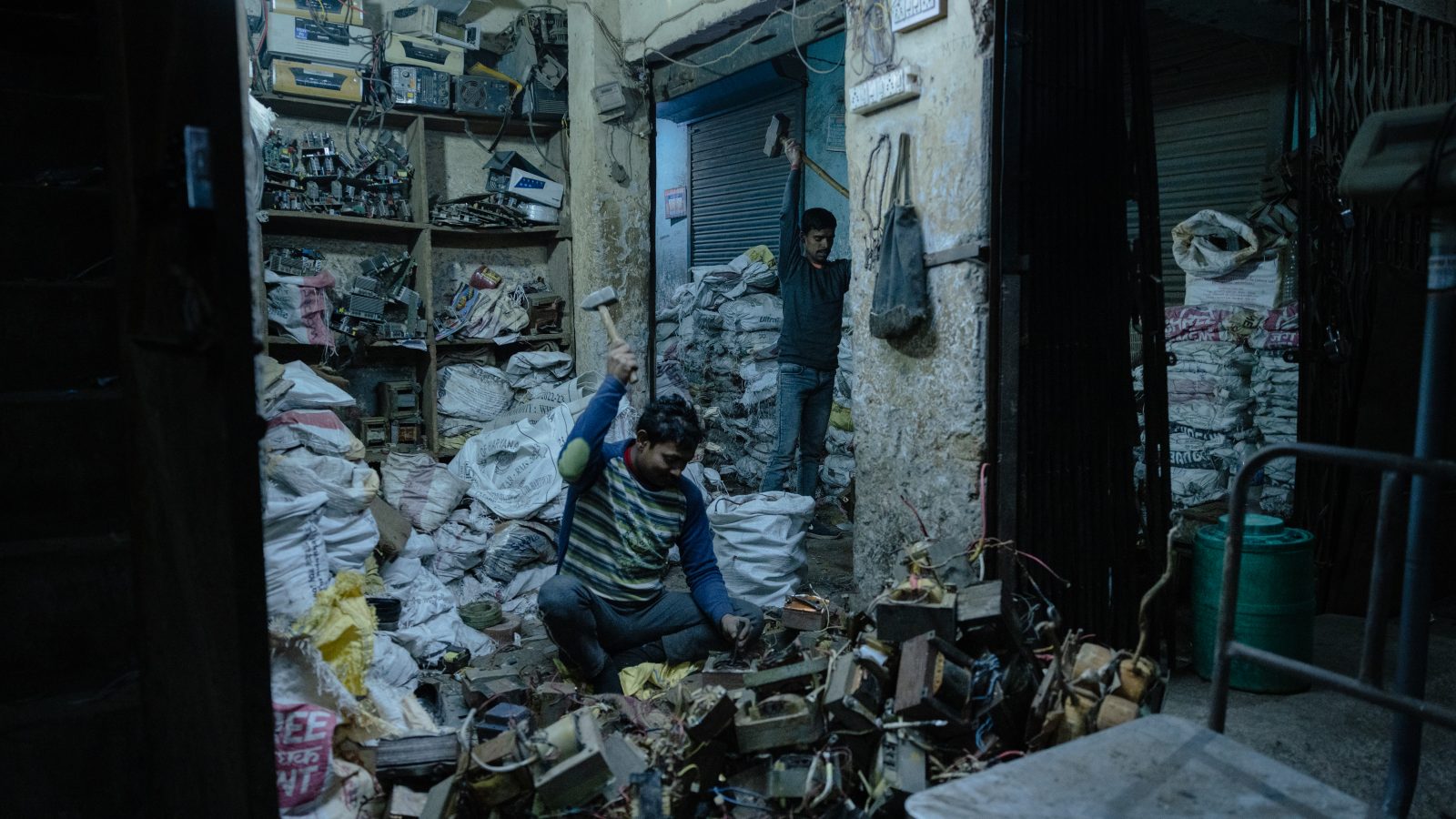
A manufacturer could not fulfil its Extended Producer Responsibility obligation because there was no authorised recycler within an economically viable distance. A hospital was paying a substantial premium for biomedical-waste disposal because the nearest Common Biomedical Waste Treatment Facility was three districts away. A waste-to-energy project had capital, technology and a municipal contract, but poor feedstock quality restricted the plant to approximately 40% of its designed capacity. The problem was not a lack of intent or investment. The system architecture was broken.