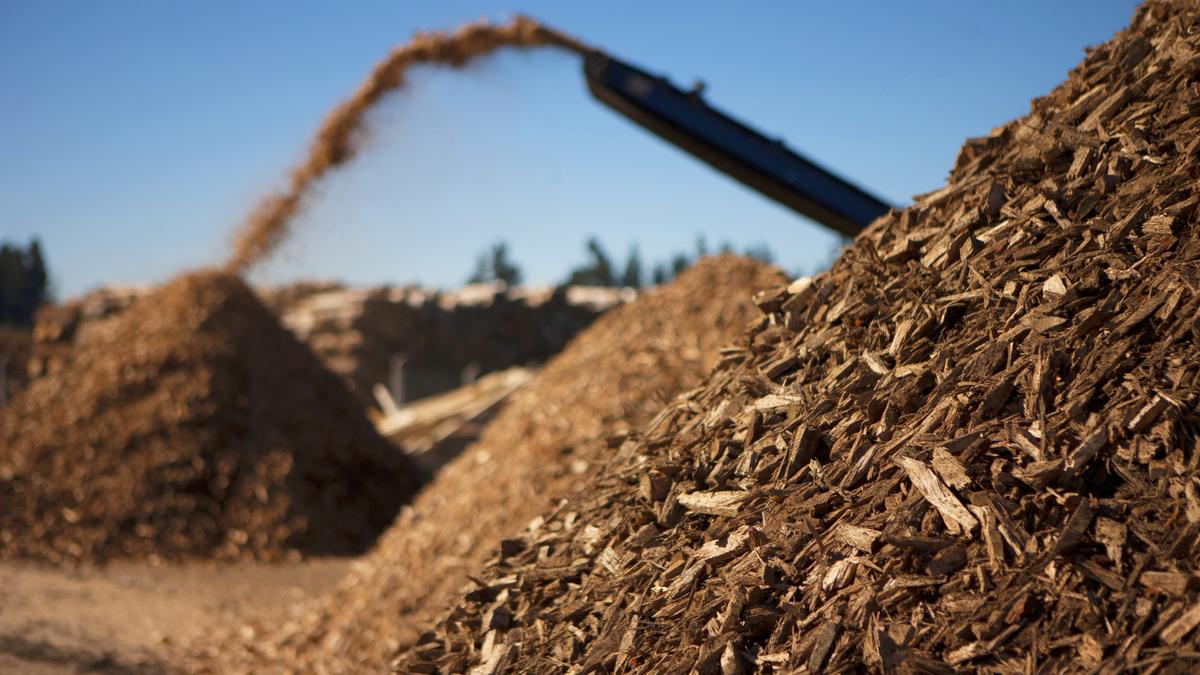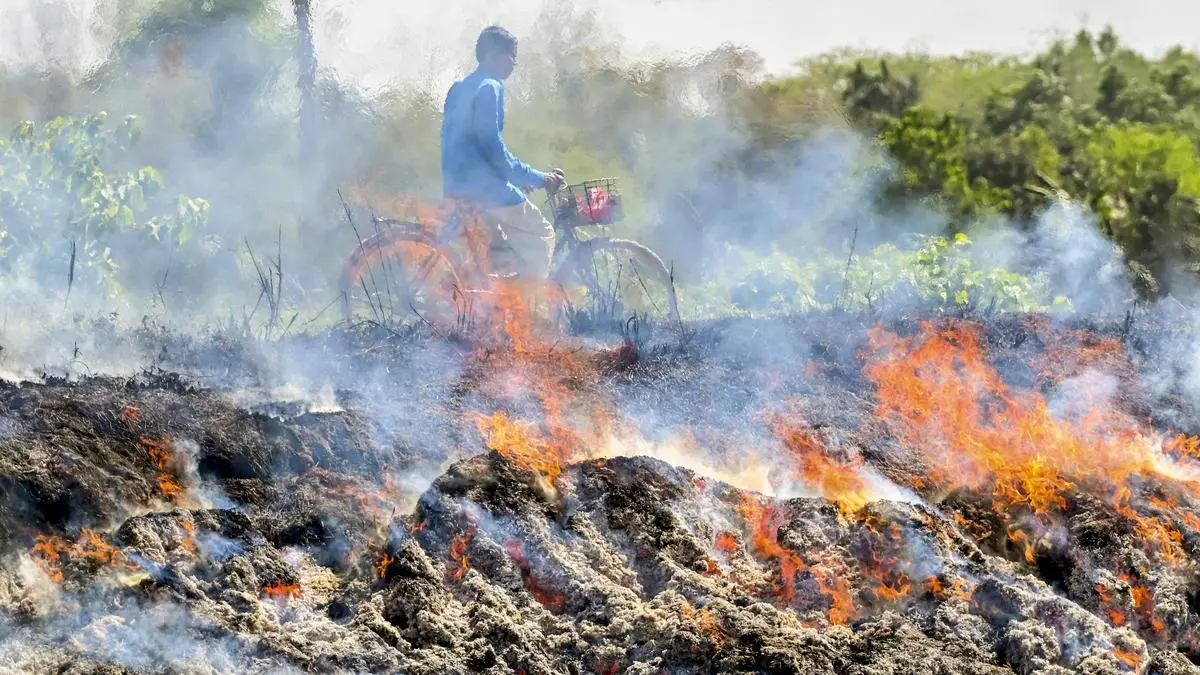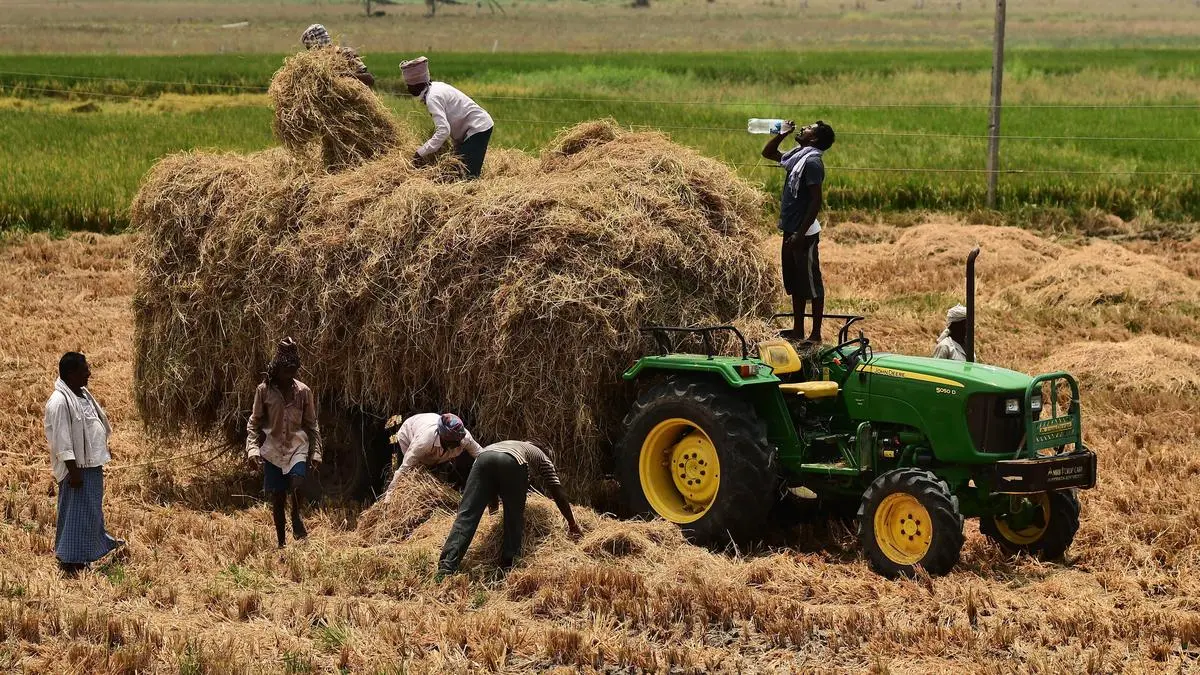
Every winter, the skies over North India turn grey, and every winter the same debate resurfaces: what should be done with the millions of tonnes of crop residue that farmers burn each year. For too long, this has been treated purely as a pollution problem to be managed. It is, in fact, something far bigger, an energy opportunity waiting to be unlocked. India generates an estimated 500 million tonnes of agricultural residue annually, paddy straw, wheat stubble, sugarcane bagasse, cotton stalks, and more. A significant share of it is still burned in the open, releasing carbon dioxide, particulate matter, and toxic gases into the air. Viewed through a different lens, however, this residue is not wasted at all. It is biomass, a renewable, distributed, and largely untapped source of energy that could power a meaningful part of India’s clean energy transition. The economic case is as strong as the environmental one Across the biofuel industry, this biomass is already being converted into compressed biogas (CBG), bioethanol, and other renewable fuels. What stands out is not just the environmental argument, compelling as it is, but the economic logic. Agricultural waste-to-energy is one of the few clean energy pathways that creates value at every point along the chain, for the farmer who sells residue instead of burning it, for the rural entrepreneur who sets up a collection and processing unit, for the local economy that gains jobs in logistics and plant operations, and for the nation that reduces its dependence on imported fossil fuels. India currently imports over 85 per cent of its crude oil requirement, a dependency that leaves it exposed to global price volatility and geopolitical uncertainty. Every tonne of agricultural residue converted into biogas or bioethanol is, in a real sense, a tonne of energy security produced domestically. The government’s SATAT scheme and the push toward ethanol blending under the National Biofuel Policy have already shown what is possible when policy and industry align. Compressed biogas plants have come up in states such as Punjab, Haryana, Uttar Pradesh, and Madhya Pradesh, each absorbing thousands of tonnes of residue that would otherwise have gone up in smoke. Three gaps stand between potential and scale The sector is still operating at a fraction of its potential. Scaling it requires three things. First, reliable and efficient feedstock aggregation, biomass is scattered across millions of small farms, and building the logistics to collect it economically remains the single biggest operational challenge the industry faces. Second, sustained policy support, including guaranteed offtake agreements, viability gap funding, and faster clearances for new plants, so capital continues to flow into the sector with confidence. Third, technology investment in pre-treatment and conversion processes to improve yield and reduce costs, making biofuel genuinely competitive with fossil alternatives without permanent subsidy dependence. Building the missing infrastructure of intent India’s clean energy future will not be built on a single technology or a single feedstock. Solar, wind, and green hydrogen will all play their part. But agricultural waste offers something the others cannot: a way to turn an existing environmental liability into an economic asset, using resources already produced in abundance, in partnership with the very farmers who feed the nation. The residue is already there, in the fields, every single season. The question is not whether India has the raw material for its clean energy transition, it does. The question is whether there is the will to build the infrastructure, policy, and partnerships needed to use it. The author is CEO and Founder of Blue Planet Biofuel Published on August 2, 2026
Agricultural waste holds the key to India’s clean energy future
Turning crop residue from a seasonal pollution crisis into a reliable clean energy feedstock could reshape rural incomes, energy security, and India’s climate commitments, if policy and infrastructure catch up with the opportunity
593 words~3 min read