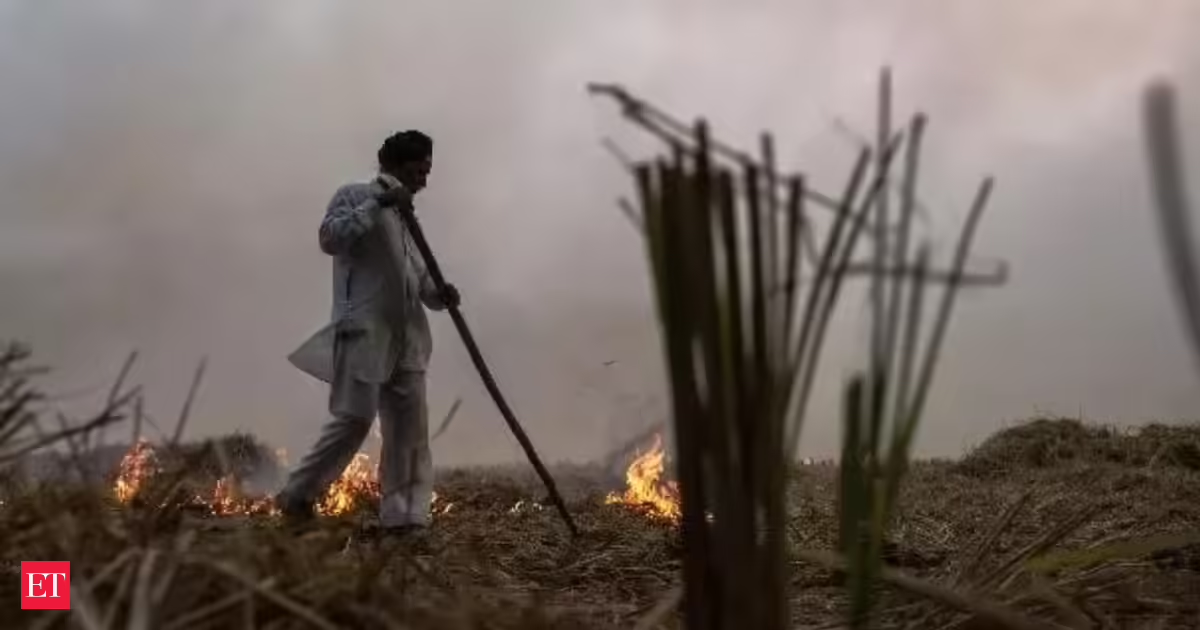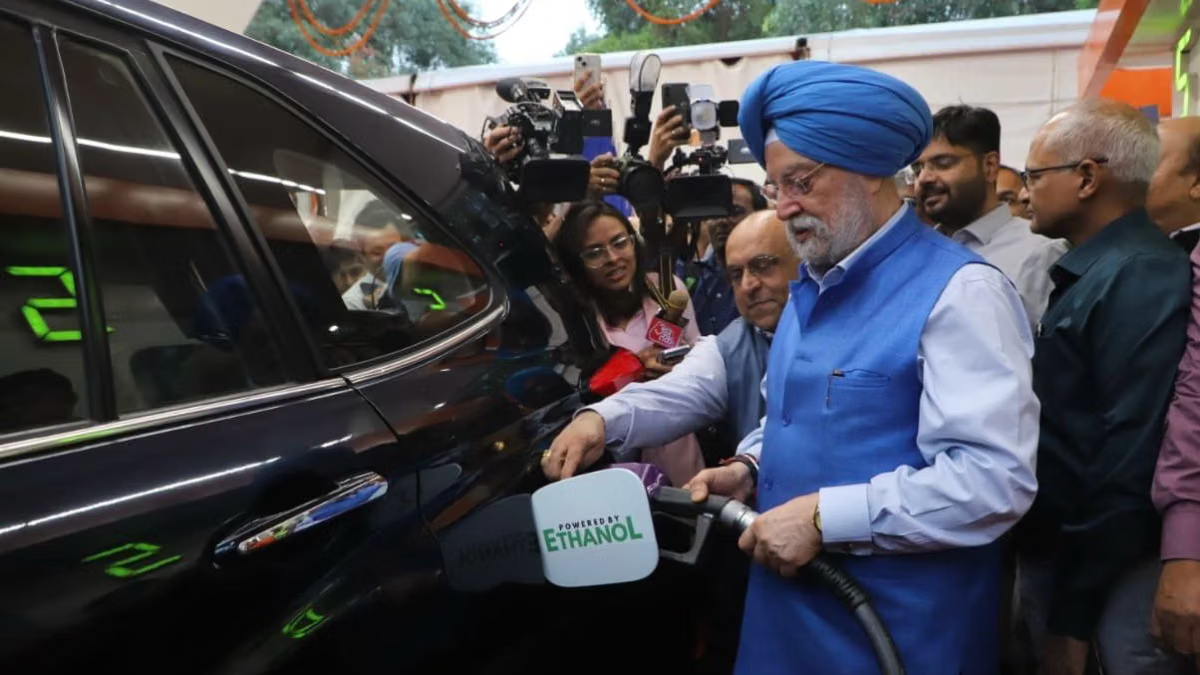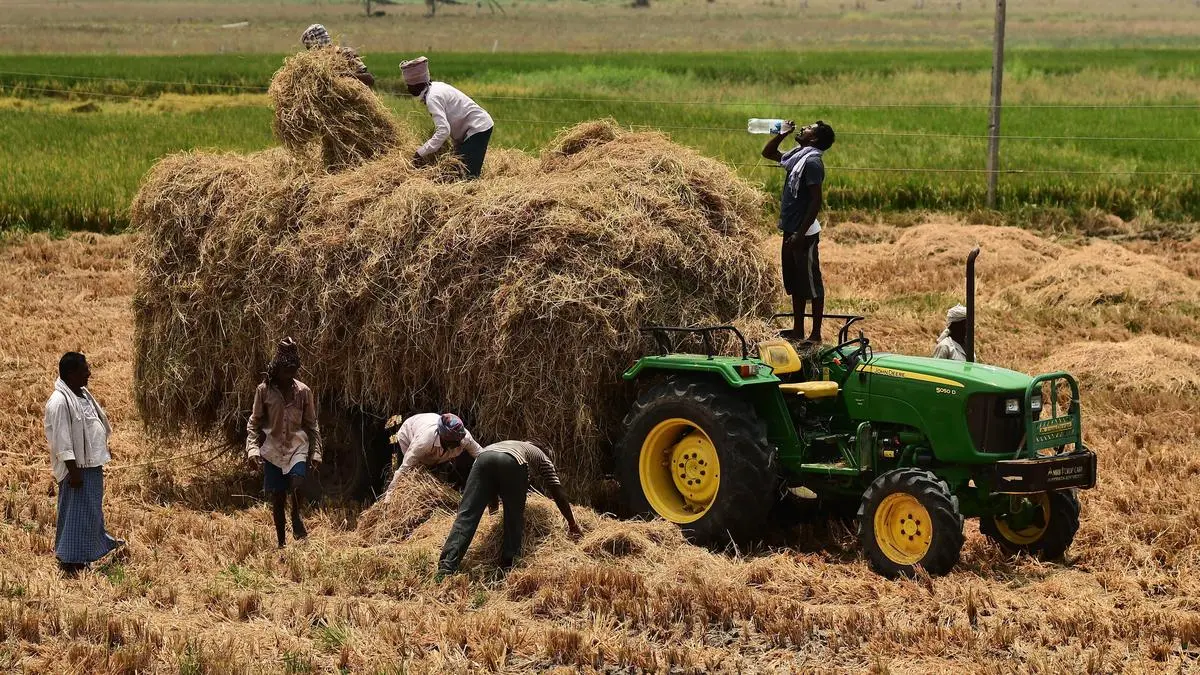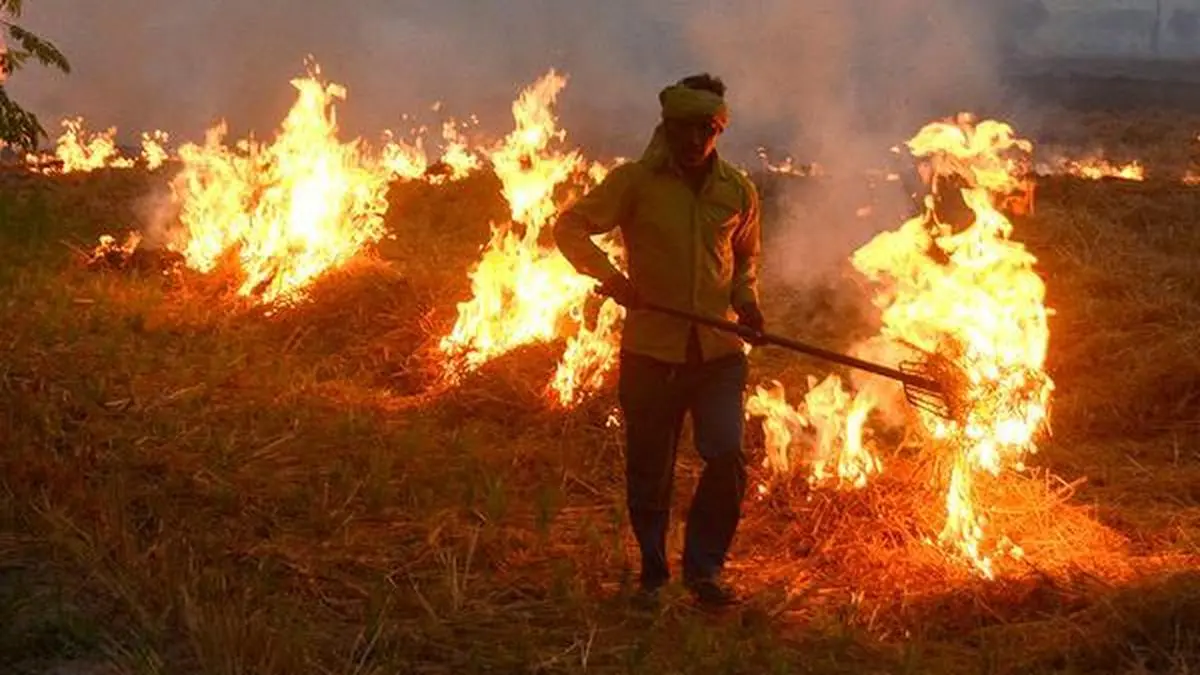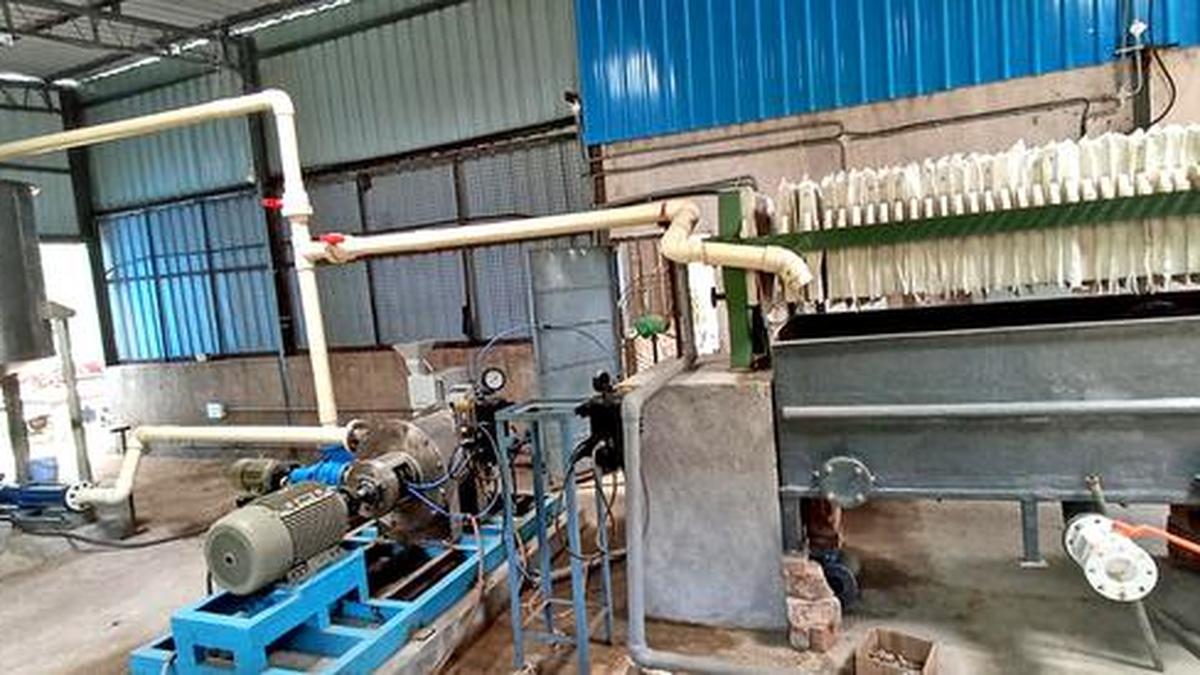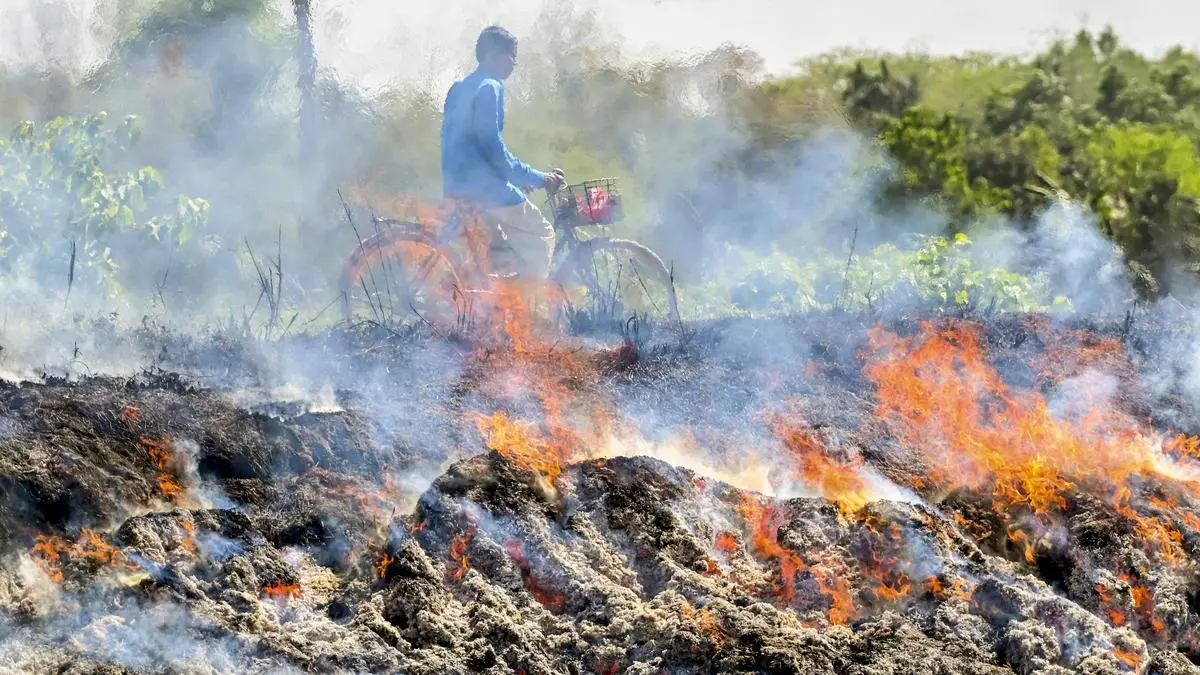
Every year, as the paddy harvest concludes across north India, a familiar environmental crisis returns. Fields are cleared within days, crop residue is burnt in situ, and air quality across large parts of the Indo-Gangetic plains deteriorate sharply.The response is equally predictable: public concern intensifies, regulatory measures are announced, machinery is deployed for a limited period, and policy debates resurface. Yet despite more than a decade of attention and significant public investment, the problem persists.This persistence points to a deeper reality. Crop residue burning is not merely a behavioural issue; it is a systems failure rooted in risk aversion and the misalignment between agricultural timelines and service delivery systems.Overlooking fundamental constraintFor years, policy responses have centred on enforcement and awareness. Penalties, advisories, and seasonal machinery deployment became the primary tools. But this approach overlooked a fundamental constraint. In the paddy–wheat cycle, farmers operate within a narrow window between harvesting one crop and sowing the next. Fields must be cleared quickly, reliably, and at low cost. When alternatives are unavailable, uncertain, or poorly timed, burning remains the most practical option.This is precisely where outcome-linked service models are beginning to reshape the conversation. Rather than treating crop residue management as a seasonal enforcement challenge, emerging approaches are focusing on strengthening the rural service ecosystems that determine whether farmers can access timely alternatives at scale.One such approach is the Pay-for-Results model currently being piloted under The Nature onservancy’s PRANA (Promoting Regenerative and No-Burn Agriculture) programme in Punjab. The model incentivises service providers to expand the additional area brought under no-burn agricultural practices compared to the previous year’s baseline – addressing the challenge of delivering services quickly, reliably, and at scale during the narrow agricultural window.Regenerative agricultural outputAnother important dimension is how farmers perceive crop residue. Paddy straw has limited value within existing farm systems economy and is not suitable as fodder like maize or wheat straw. Alongside in -situ management, Punjab is witnessing the emergence of biomass-based value chains that convert paddy straw into industrial and energy inputs, including biomass pellets, compressed biogas (CBG), bio-ethanol and biochar.Among these, biochar may prove especially important because it converts paddy straw into a soil-enhancing material that improves moisture retention and supports long-term carbon sequestration. Through biochar-linked interventions- initiatives under PRANA- crop residue management is beginning to evolve from a disposal challenge into a regenerative agricultural input.Over the past decade, Punjab has shifted from fragmented interventions toward a more integrated institutional approach, strengthening district-level coordination, expanding Custom Hiring Centres, building straw aggregation networks, involving extension systems, and creating procurement linkages between farmers and biomass industries.Public investment has supported this transition. Punjab has implemented dedicated crop residue management frameworks with allocations in the range of ₹500 to 600 crore in recent years – between 2024 and– 2026. At the national level, the Promotion of Agricultural Mechanisation for In-Situ Management of Crop Residue scheme provided over ₹1,426 crore to Punjab, Haryana, Uttar Pradesh, and Delhi between 2018 and 2022, according to the Ministry of Agriculture and Farmers’ Welfare. Additionally, under the Sub-Mission on Agricultural Mechanisation, more than ₹5,400 crore was deployed between 2014 and 2022, supporting large-scale machinery diffusion across States.Significant change of directionThese shifts are now reflected in outcomes. Satellite-based monitoring data compiled by the CREAMS Division of ICAR–IARI indicate that Punjab and Haryana recorded a sharp decline in reported paddy residue fire incidents in 2025 compared with peak years such as 2022. While estimates should be interpreted with caution due to seasonal variability and methodological differences/challenges, the direction of change is significant and points to a structural shift in residue management practices.This improvement reflects convergence across multiple domains: improved machinery availability, stronger pre-harvest coordination, more reliable service delivery, and gradual behavioural adaptation as alternatives become operationally credible. If sustained and scaled, crop residue can cease to be a recurring environmental crisis and instead become part of a broader transformation linking agriculture with clean energy, soil regeneration, and climate resilience—with lessons from Punjab adaptable to other states, especially such as Uttar Pradesh and Madhya Pradesh, where the next challenge lies.Kumar is a former Additional Chief Secretary and Chief Principal Secretary to the Chief Minister, Punjab; and Saigal is Interim Managing Director, Nature Conservancy India SolutionsPublished on June 20, 2026
From waste to wealth: Why crop residue burning is a system’s failure, not a seasonal
Explore how transforming crop residue management can address environmental crises and enhance agriculture, clean energy, and climate resilience.
TL;DRAI
Punjab deployed outcome-linked Pay-for-Results and biomass value chains (CBG, biochar) treating crop residue as infrastructure challenge, not waste. Fire incidents declined sharply in 2025 versus 2022, proving service coordination outperforms seasonal enforcement.
701 words~3 min read