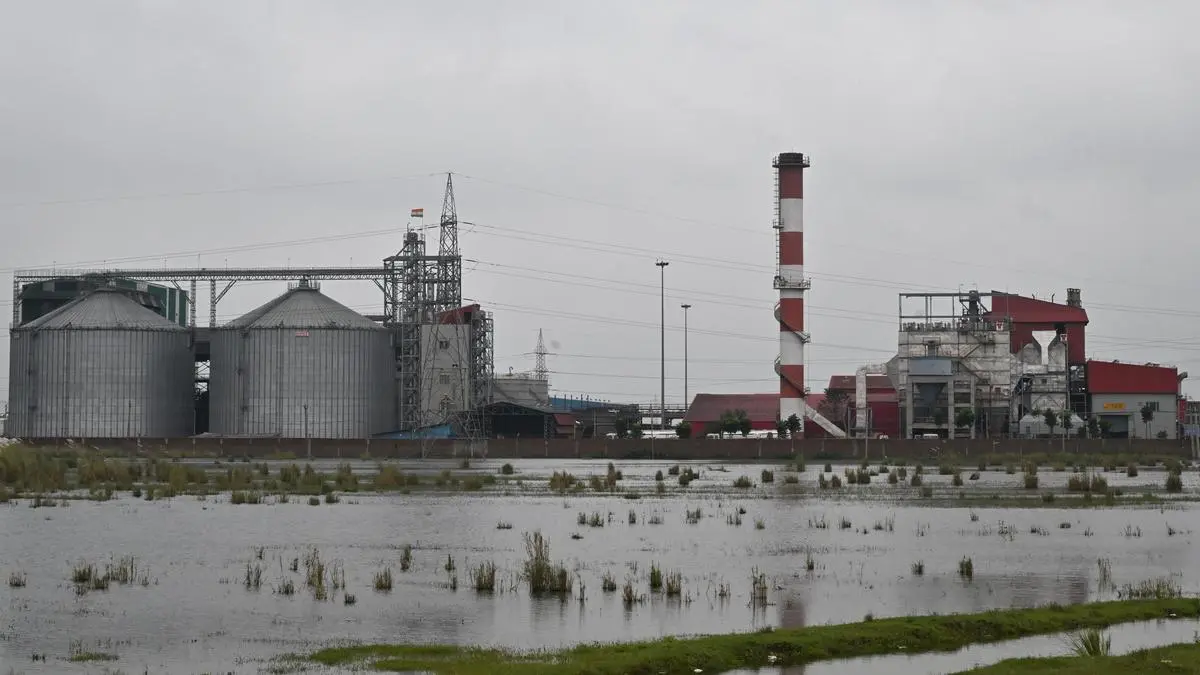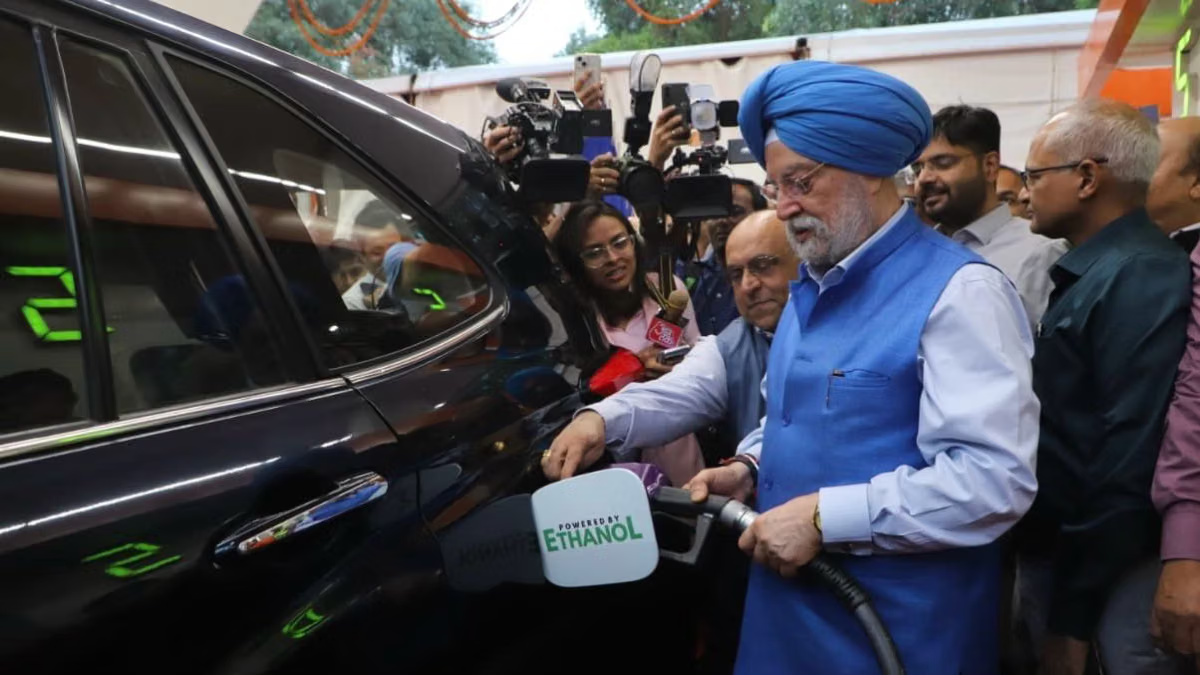
New Delhi: From being heavily dependent on sugarcane, India’s ethanol blending programme is increasingly being driven by grain-based feedstocks such as maize and rice, a shift that industry representatives say is aimed at strengthening energy security, diversifying supply sources and creating new income opportunities for farmers.
The programme has expanded rapidly over the past decade. Ethanol procurement by public sector oil marketing companies (OMCs) rose from 38 crore litres in 2013-14 to 904 crore litres in 2024-25.Blending levels have also increased from 1.14 percent in 2014-15 to 20 percent in the ongoing Ethanol Supply Year (ESY) 2025-26 (November 2025 to October 2026).According to government data, the programme has generated more than Rs 1.29 lakh crore in revenue for sugar mills and attracted investments exceeding Rs 42,000 crore.
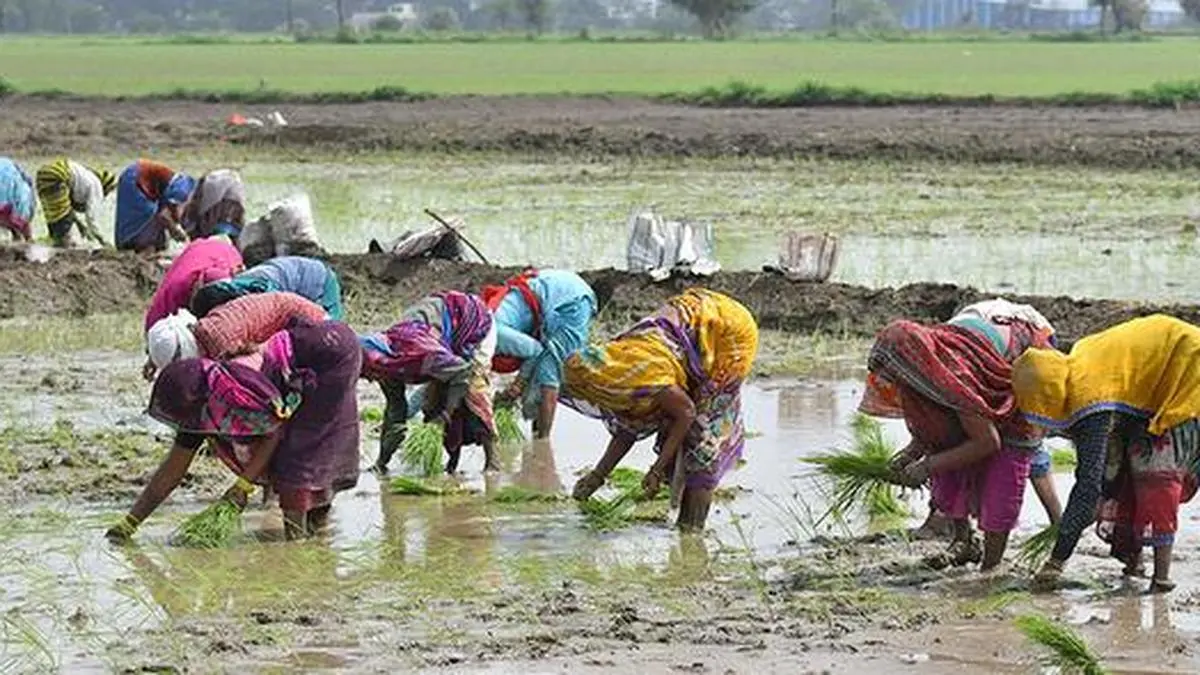
As India moves beyond E20 blending—20 percent ethanol and 80 percent petrol —and explores higher blends such as E85 and E100, the debate is increasingly shifting as to which crops should fuel the country’s biofuel ambitions.According to All-India Distillers Association (AIDA) deputy director general Bharati Balaji, grains (maize and rice) now contribute around 65 percent of India’s ethanol production, with the remainder coming from sugarcane.AIDA data shows that of the 1,059 crore litres contracted for supply in ESY 2025-26, about 515 crore litres had already been supplied in the first six months. Maize emerged as the single largest feedstock, contributing 182 crore litres. Its share in ethanol production has risen sharply from just 6.2 percent in ESY 2022-23 to nearly 50 percent in ESY 2024-25.“The government realised that it was risky for an ethanol blending programme of this scale to depend on a single feedstock,” Balaji told ThePrint. While the programme initially evolved as a support mechanism for the sugar industry, policymakers gradually expanded the feedstock basket to include maize, broken rice and damaged food grains.“Maize farmers had no other market. There was no revenue coming for them,” Balaji said. “That’s when the government started incentivising, and many farmers jumped in and started going all maize.”She added that diversification was also driven by logistics. Sugarcane cultivation is concentrated largely in Uttar Pradesh, Maharashtra and Karnataka, while maize and rice are grown across much of the country, making ethanol production less dependent on a handful of states.Paradox of maize