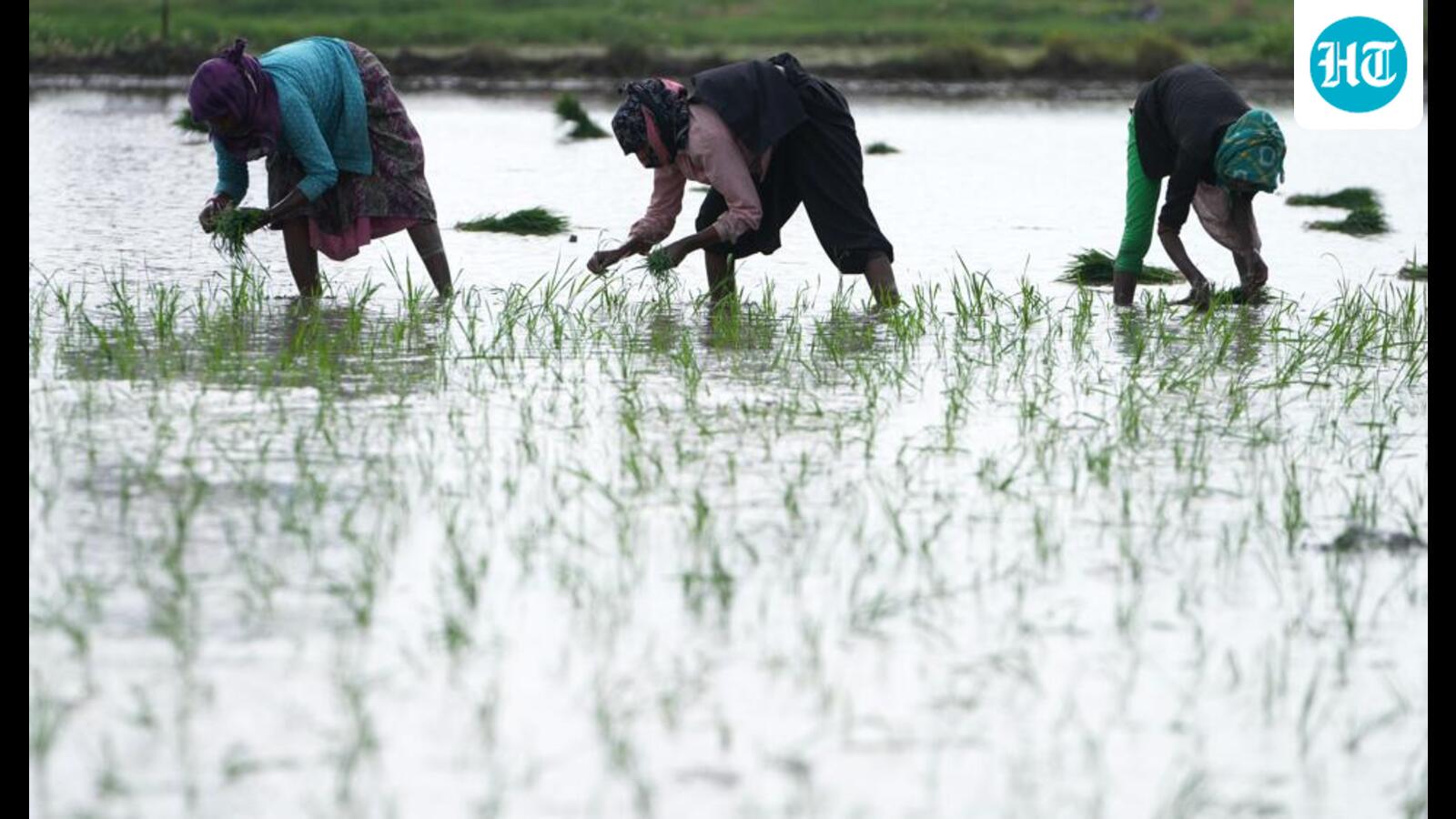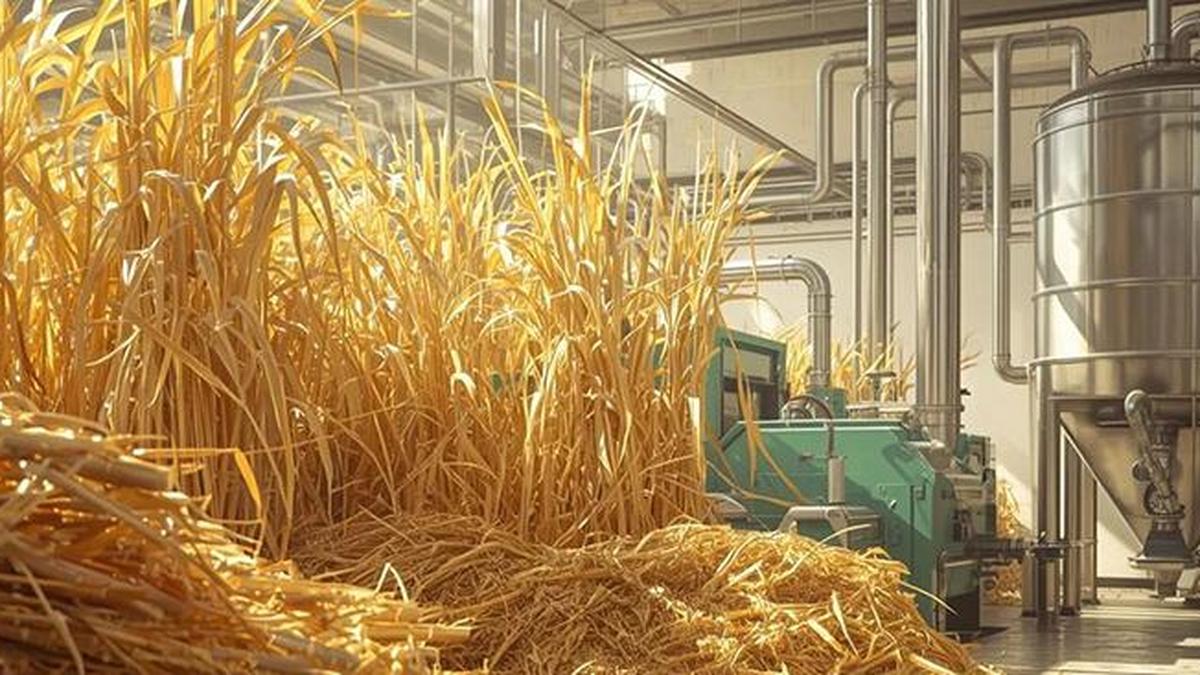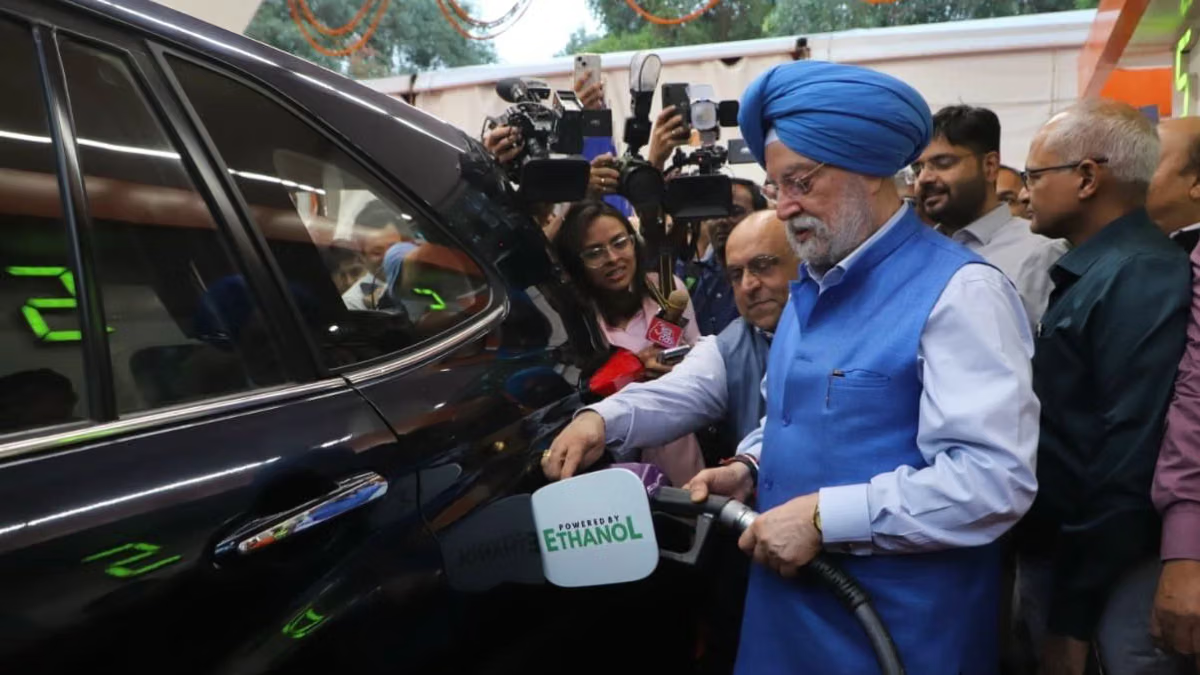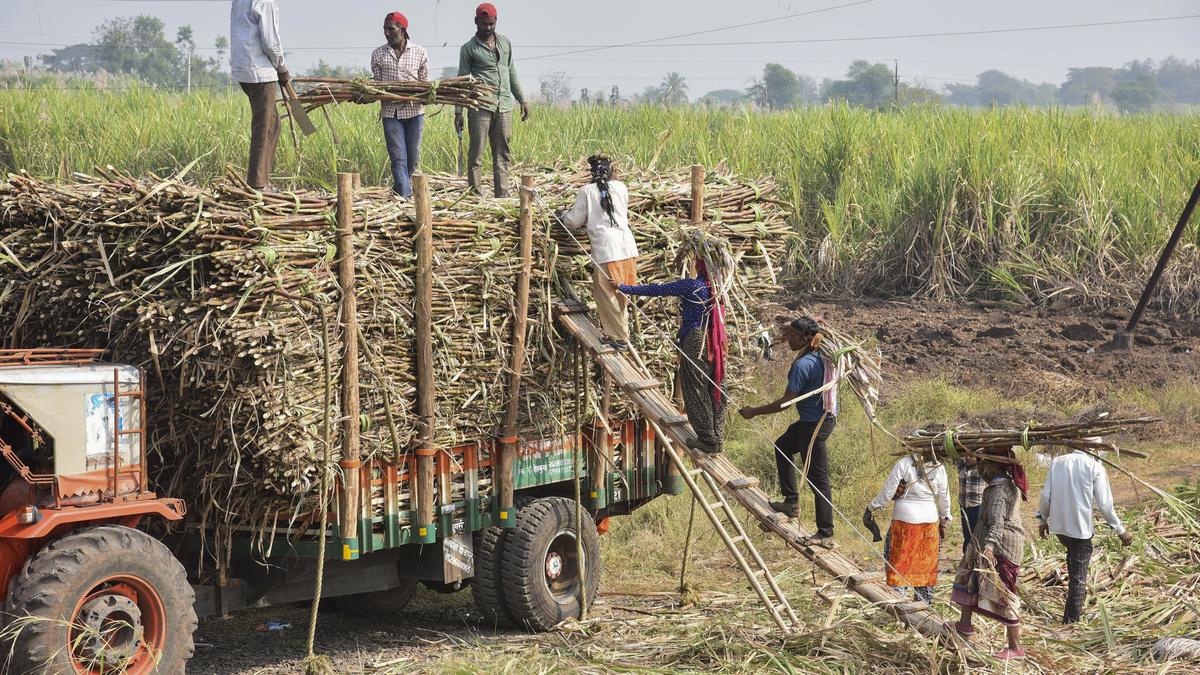
The issue of ethanol blending has occupied centre stage in India’s policy today. To reduce carbon emissions and cut down the huge crude oil import bill, the government has actively pushed the National Policy on Bio-fuels.The rollout of E20 fuel (petrol mixed with 20 per cent ethanol) has become a reality across the country. While the direct economic benefits of this programme are huge, a serious ecological problem looms in rural areas. As the government increases ethanol production capacity to meet its targets, will this policy worsen water scarcity?The benefitsThe biggest benefit of the ethanol blending programme is reducing oil imports. India imports more than 85 per cent of its crude oil requirements, which is a huge drain on our forex reserves.In FY25,234.3 million tonnes (mt) of crude oil were imported at $137 billion. At the 20 per cent blending level, India can save forex worth about ₹40,000 crore a year on its crude oil import bill.Furthermore, there are environmental benefits as well. Ethanol contains oxygen that helps petrol burn completely, reducing the emission of harmful air pollutants like carbon monoxide and particulate matter from vehicles. This programme can also benefit farmers by creating a guaranteed market for rice, maize and sugarcane.However, what is the cost of producing this fuel at the farm level? Unlike developed nations that use non-food crop residues and wood waste to make advanced bio-fuels, India relies almost entirely on primary agricultural crops, mainly sugarcane, paddy and maize.India’s annual sugarcane production is at around 455 mt. The juice and heavy molasses from this crop are used for distillation. Paddy, which has an annual production of 150 mt and maize, with a production of about 43 mt are now being diverted to distilleries. Even though the government states that only surplus or damaged grains are used, the large targets of the E20 mandate mean that millions of tonnes of food crops are being earmarked for fuel.Data from the All India Distillers’ Association (AIDA) for the ethanol supply year 2025-26 indicates that grain-based ethanol accounts for around 67 per cent of the total supply, while sugarcane-based feedstocks contribute 33 per cent.The sharp contraction in kharif maize acreage of about 13 per cent this year (businessline, July 29) across top-producing States may force the ethanol producers to rely more on rice. This raises serious questions about long-term food security and food prices.Water consumptionThe real danger of India’s ethanol policy lies in the huge amount of water these crops consume. The agriculture sector presently consumes over 85 per cent of India’s available freshwater and crops that are used for ethanol are highly water-intensive. When we calculate the water needed to produce just one litre of ethanol from these crops, the numbers are alarming.Data show that producing one kilogram of refined sugar from sugarcane requires about 1,600-2,100 litres of water. When converted into fuel, one litre of sugarcane-based ethanol has a water footprint of around 3,630 litres.The problem is even worse for paddy-based ethanol. Growing 1 kg of paddy requires 3,000-5,000 litres of water depending on the region. Since it takes about 2.5-3 kg of rice to produce one litre of ethanol, making just one litre of fuel from rice consumes up to 10,790 litres of water. Maize, though better, also requires about 4,670 litres of water per litre of ethanol.This high level of water consumption is a threat to India’s depleting groundwater resources. Data from the Central Ground Water Board (2024) show that groundwater extraction is already at an alarming level in major agricultural States like Punjab, Haryana, Western Uttar Pradesh, Gujarat, Maharashtra, and Tamil Nadu.The long-term projections by the Central Water Commission and the National Commission for Integrated Water Resources Development (1999) state that India’s total water demand will exceed supply before 2050.The NITI Aayog report on Composite Water Management Index (2018) has also underlined the severity of water scarcity in different regions. By increasing the cultivation of water-intensive crops for ethanol, we will be emptying our aquifer storage much faster. Subsidised electricity for farming and guaranteed prices from distilleries will further encourage farmers to pump out groundwater for fuel crops.Plan carefullyThere is no doubt that ethanol blending will help the country’s economy by saving huge foreign exchange. But to prevent the ethanol mandate from creating a severe water crisis, we need careful, resource-centric planning. The policy should not be made by the energy ministry alone; it must be linked with the water resources and agriculture ministries.First, instead of using water-heavy crops like paddy and sugarcane, the government must diversify the crops used for ethanol. Policy incentives must be given to low-water-consuming cereal crops (bajra, jowar, ragi) as they use only a fraction of the water that paddy or sugarcane consume. These can be grown on rainfed lands without draining groundwater.Second, in areas where sugarcane and maize are used for ethanol, modern water-saving micro-irrigation technologies must be made compulsory as they save about 40-50 per cent of water in crop cultivation while increasing crop productivity.Government financial support, distillery licences and procurement prices must be linked strictly to the use of micro-irrigation. Similarly, distilleries must be forced to use Zero Liquid Discharge systems so that 100 per cent of the water used inside the factory is recycled and reused.To conclude, a fuel policy that reduces air pollution or import bills but leaves behind dried-up wells and parched agricultural lands is completely unsustainable.The writer is an Economist and former full-time Member (Official), Commission for Agricultural Costs and Prices, New Delhi. Views expressed are personalPublished on July 30, 2026
Ethanol push can deepen water woes
Using less-water consuming coarse cereals, rather than sugarcane and paddy is a way out
917 words~4 min read